Shredder Blade Design PDF: Insights from the Industrial Sector
The Real Deal About Shredder Blade Design PDF Files
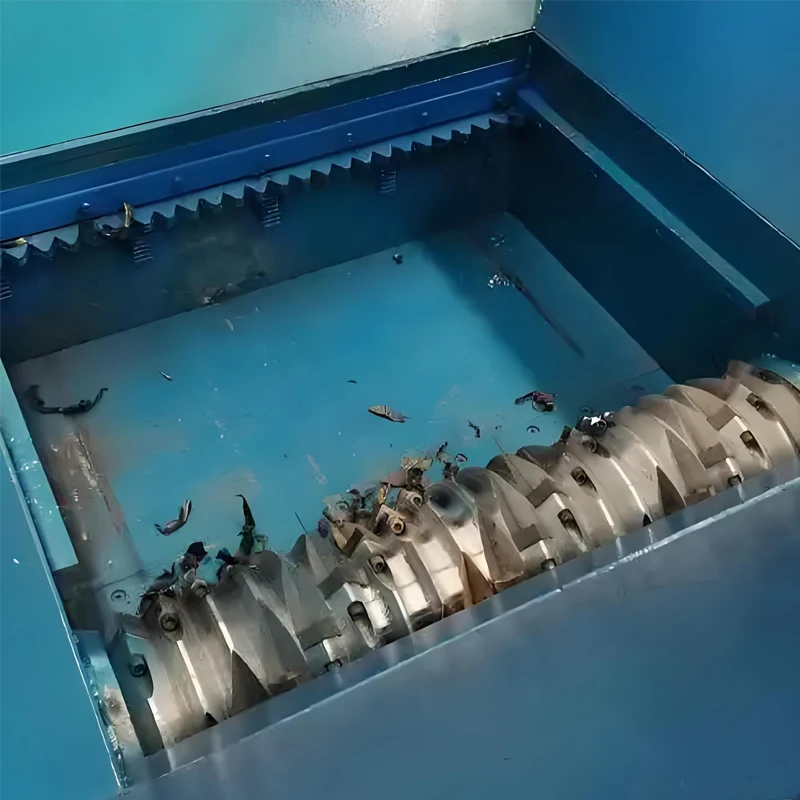
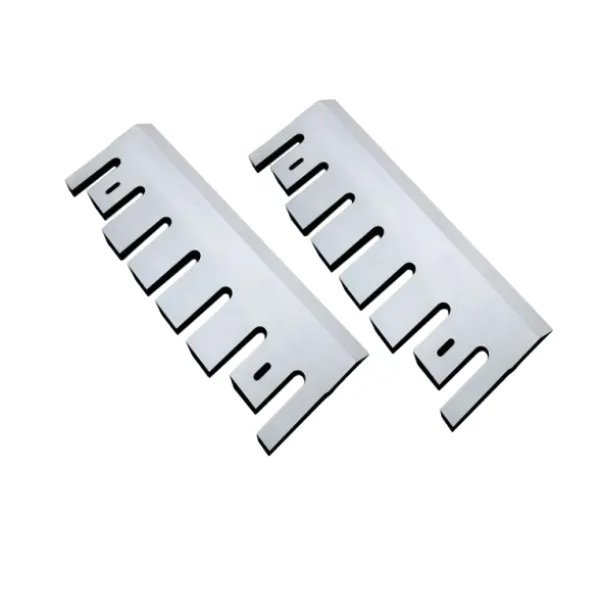
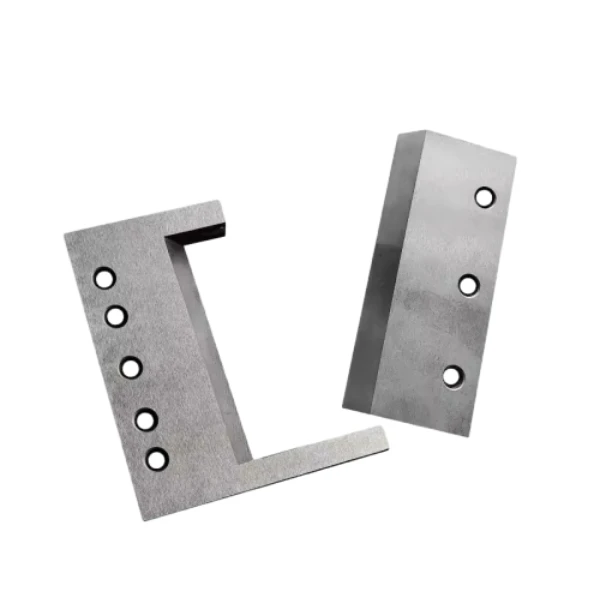
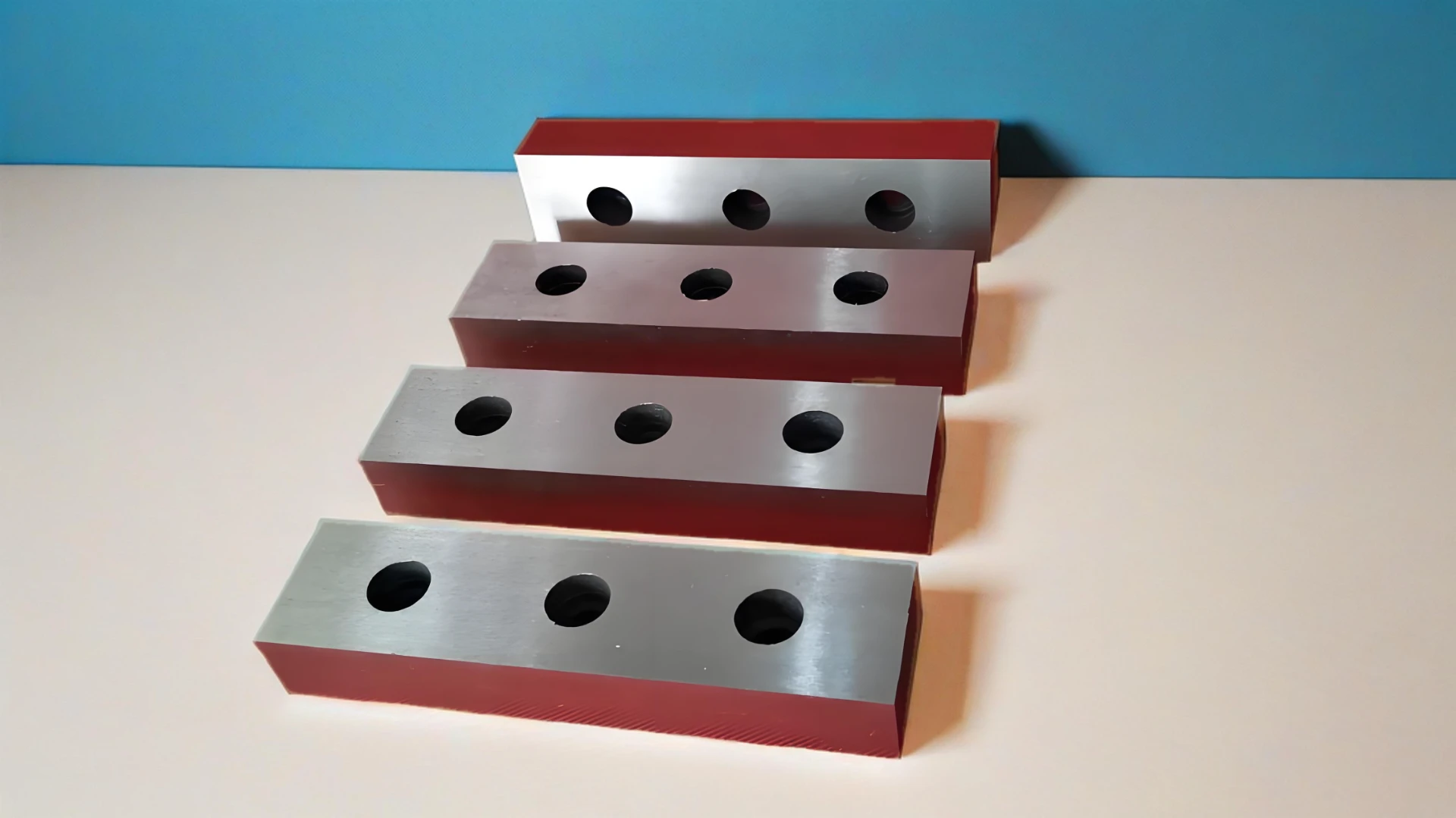
If you’ve ever tried diving into a shredder blade design pdf, you’ll know it’s a mixed bag. I mean, these documents can be a dry read or a goldmine — depending on who’s behind them and what level of detail you’re chasing. After pumping parts well past their recommended service lives, I've come to appreciate that the devil’s in the manufacture and design nuances, not just numbers on paper. Shredder blades aren't just simple chunks of steel; they’re the soldiers of your system, taking on brute force daily. That’s why understanding their design specs — be it tooth geometry, hardness, or wear patterns — is crucial for anyone in this space. ### Why the Design Matters More Than You Think To put it in my own words: a blade’s shape and edge type directly influence how efficiently it tears through material. Some blades favor penetration and bite, others are made to minimize jams or handle specific materials like tires, plastics, or scrap metal. I recall a customer who insisted on using generic blade PDFs for design — big mistake. Their shredders choked repeatedly until we tailored the blades for their exact feedstock. That kind of insight isn’t always obvious in a generic file. ### Core Materials and Heat Treatment Processes From high chromium alloys to uniquely treated tool steels, the material inside the blade gives it toughness and abrasion resistance. A friend who’s been in the workshop for decades told me once, “A blade is no better than its metallurgy.” I tend to agree. Factoring in heat treatment and post-process coating is pretty much mandatory because one wrong step and the blade is scrap after weeks, not months. So, if you’re leafing through a shredder blade design pdf and it lacks material specs or heat treatment parameters, it’s incomplete — and maybe misleading. ### Typical Shredder Blade Specs| Specification | Typical Values | Notes |
|---|---|---|
| Material | High Chromium Alloy Steel (H13, M2 or similar) | Balance of hardness and toughness |
| Heat Treatment | Quenched & Tempered at ~1050°C | Ensures wear resistance & durability |
| Blade Thickness | 25-35 mm | Depends on shredder model and application |
| Edge Geometry | Straight, Serrated, or Hooked | Tailored to material type and shredding goals |
| Coating | Optional surface treatments like TiN or DLC | Improves wear and corrosion resistance |
| Vendor | Design Documentation | Customization | Material Quality | Customer Support |
|---|---|---|---|---|
| MechBlades | Comprehensive, tailored PDFs | High; customized to feedstock and system | Premium alloys with verified heat treatment | Responsive, field-experienced team |
| BladeTech Solutions | Basic design documents, less depth | Medium; some customization offered | Good, sometimes inconsistent | Moderate response times |
| Generic Shredder Corp. | Very generic PDFs, no real support | Low; off-the-shelf only | Variable quality | Minimal |
References:
- Industrial Blade Design Guidelines – Mechanical Engineering Journal, 2022
- MechBlades Technical Resources – https://www.mechblades.com
- Customer Field Notes from Midwest Recycling Facility, 2023