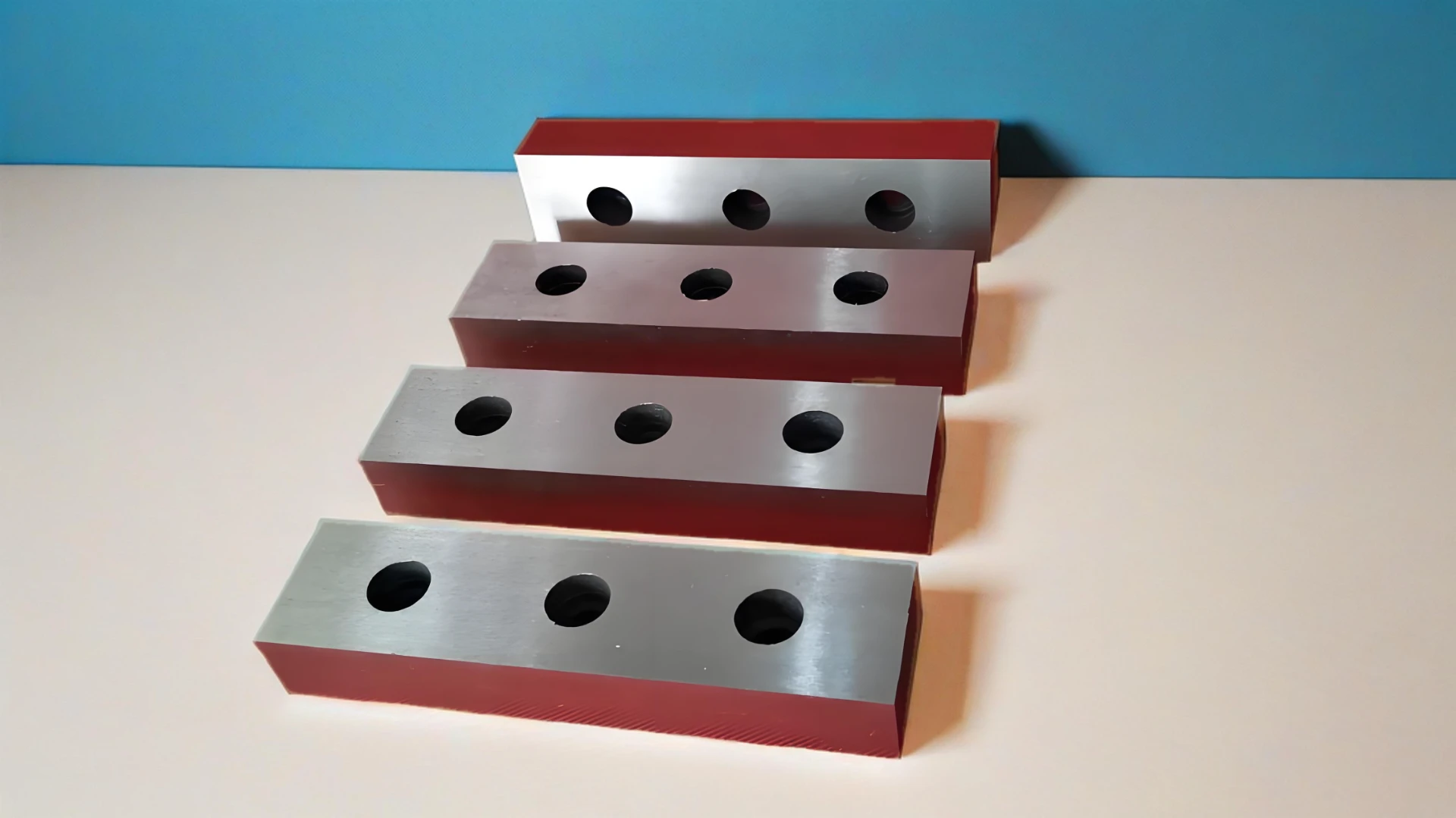
Tungsten Carbide Razor Blades: The Unsung Heroes of Precision Cutting
When you hear “razor blades,” you probably picture the everyday steel kind—easy to find, disposable, and quite sharp at first. But tungsten carbide razor blades are a whole different breed. These robust blades, crafted from one of the hardest materials known to industry, are key players in sectors ranging from manufacturing to medical devices. Their precision, durability, and overall reliability have made them instrumental globally, especially against the backdrop of increasing demand for tools that can withstand extreme conditions without frequent replacement.
Why the World Pays Attention to Tungsten Carbide Razor Blades
Globally, industries are grappling with tighter tolerances and escalating production scales. According to data from the International Organization for Standardization (ISO), precision tooling benefits significantly from materials that maintain sharpness and strength under load—exactly where tungsten carbide excels. For instance, manufacturers in countries leading the industrial revolution, like Germany, Japan, and the U.S., rely heavily on these blades to ensure seamless cutting in automotive, aerospace, and even electronics manufacturing.
One major challenge these blades address is reducing downtime caused by frequent blade replacement. Oddly enough, downtime costs more than just the replacement part—it affects overall productivity and resource use. That’s where tungsten carbide’s strength and longevity pay off big time.
What Exactly Are Tungsten Carbide Razor Blades?
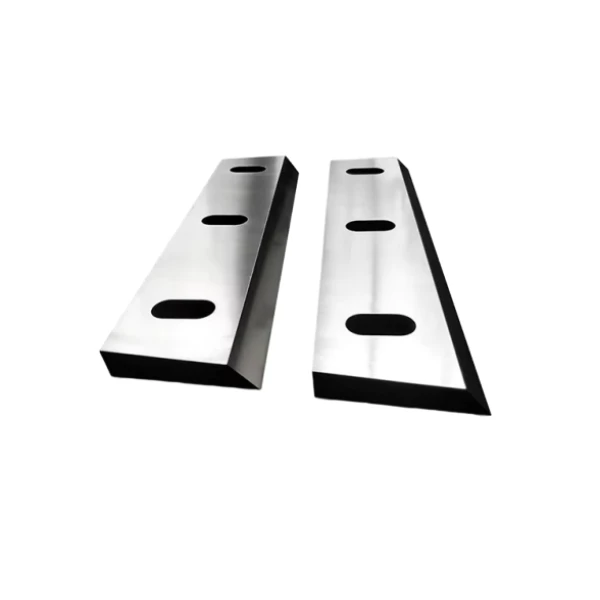
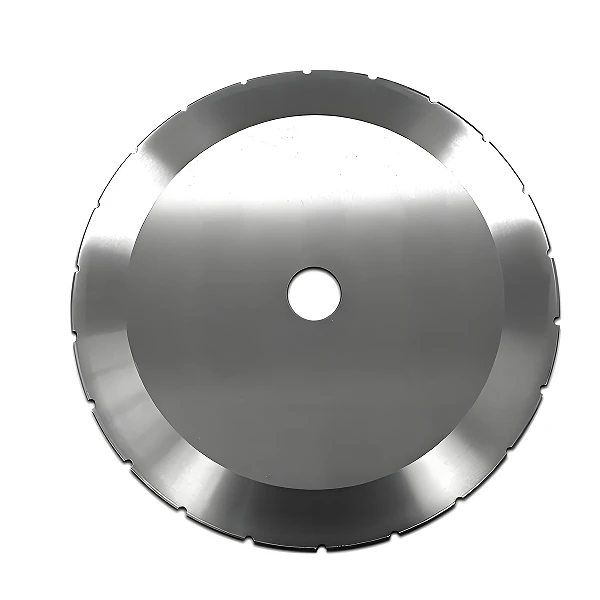
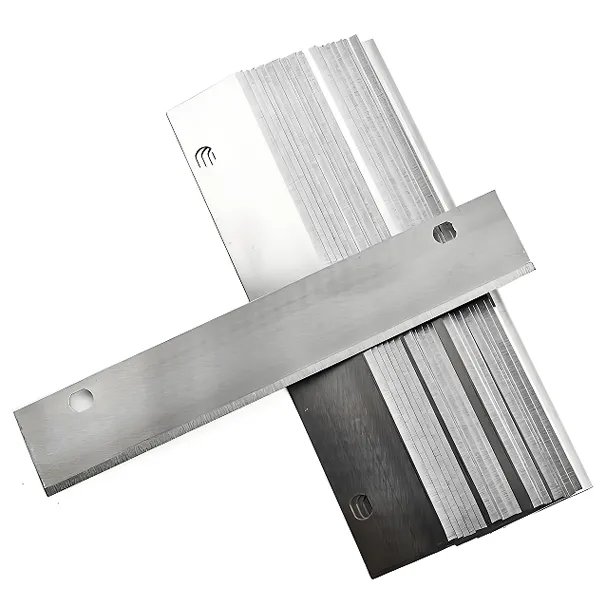
At its core, a tungsten carbide razor blade is a cutting edge made primarily from tungsten carbide—a compound combining tungsten and carbon atoms arranged to form a crystal lattice that’s extremely hard and wear-resistant. Think of it as the "slow-cooker" of blades: it doesn’t rush through its job but keeps performing steadily for much longer than steel blades.
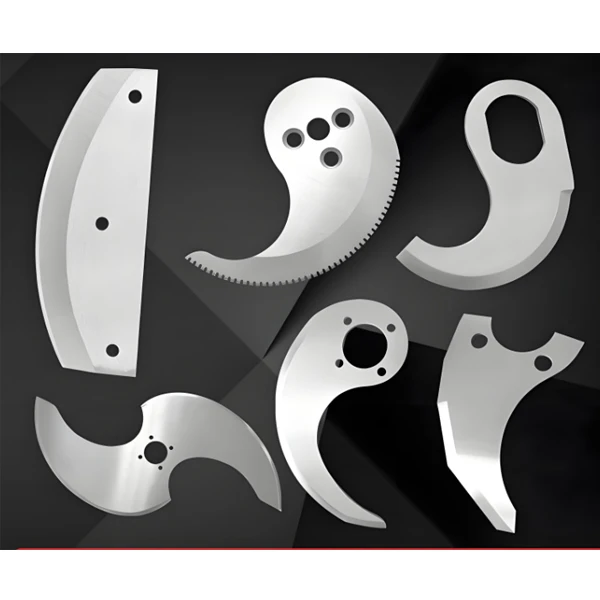
These blades are often used in tight-tolerance machining operations, medical scalpel applications, and even in industrial food processing where hygiene and precision are critical. Their growth in use ties closely to modern industrial needs where minimizing waste and maximizing tool life are paramount.
Key Factors That Make Tungsten Carbide Razor Blades Stand Out
Durability
Hardness rating on the Mohs scale for tungsten carbide is around 9, just below diamond. This means the blades resist chipping, keep sharp edges longer, and can endure abrasive environments where normal steel would dull quickly.
Precision Cutting
The material’s uniform grain structure allows for sharper edges, translating into finer cuts with less burr—vital in electronics and medical industries where tolerances can be as tight as a few microns.
Heat Resistance
Unlike steel, tungsten carbide blades tolerate high temperatures during high-speed operations without losing hardness, which extends their practical run-time.
Cost Efficiency
While pricier upfront, the longevity means fewer blade changes, less labor, and less downtime, leading to real savings across large-scale production.
Environmental Impact
Because the blades last longer and reduce waste, they align well with sustainable manufacturing goals—one reason many ISO-14001 certified factories prefer them.
Product Specification Table
| Specification | Details |
|---|---|
| Material | Tungsten Carbide (WC) |
| Hardness | Approx. 1600 HV (Vickers Hardness) |
| Edge Radius | 1-5 microns |
| Typical Thickness | 0.1–0.3 mm |
| Typical Lifespan | Up to 10x longer than steel blades |
Mini takeaway: The robustness, precision, and heat resistance of tungsten carbide blades support industries that depend on exact, long-lasting cutting tools.
Global Applications and Use Cases
Practically every heavy manufacturing hub integrates tungsten carbide razor blades somewhere in its process. Europe predominantly uses them in automotive part cutting; Asia’s electronics industry exploits their precision; North American medical device producers rely on them for surgical tools, ensuring safety and sharpness.
For example, in post-disaster relief operations where quick and precise cutting of materials like plastics or fabrics is crucial, responders sometimes use tungsten carbide blades to ensure tools don’t fail mid-operation—a literal life-saver. In remote industrial zones, such as mining operations in Australia or Canada, durable blades reduce the need for frequent shipment of replacements.
Vendor Comparison Table
| Vendor | Price per Blade | Typical Lifespan | Customization Options |
|---|---|---|---|
| Carbide Cutters Inc. | $15–$20 | 8,000+ cuts | Edge radius and thickness |
| Tungsten Tech Global | $18–$25 | 10,000+ cuts | Custom alloys and coatings |
| Precision Edge Solutions | $14–$22 | 7,500+ cuts | Standard models only |
Mini takeaway: Vendor choice often boils down to price vs. lifespan trade-offs and how specialized the blade needs to be.
Advantages and Long-Term Value
- Cost Savings: Fewer replacements mean less expense over time, even if the initial blade cost is higher.
- Sustainability: Longer tool life lowers waste generation and energy consumption for manufacturing new blades.
- Safety & Confidence: Reliable sharpness reduces risk of accidents with dull blades slipping unexpectedly.
- Innovation-Driven: These blades symbolize advanced material science, attracting R&D-driven customers.
Future Trends & Innovations in Tungsten Carbide Razor Blades
Research is ongoing into combining tungsten carbide with nano-coatings or diamond-like carbon layers to push durability even further. There’s also a notable shift towards eco-friendlier manufacturing processes to reduce environmental footprints consistent with ISO 14001 standards.
Digital transformation is making its mark too—smart factory setups now use sensors to predict blade wear and signal replacement before failure, optimizing performance. Automation in sharpening tools also complements the use of tungsten carbide blades well.
Challenges & Expert Solutions
Not everything is perfect. Tungsten carbide can be brittle under impact, so handling requires care. Cost can still be a barrier for smaller operations. To tackle brittleness, manufacturers are experimenting with composite blends that maintain hardness but add toughness.
Another solution comes from recycling initiatives that salvage tungsten carbide scraps to make new tools, addressing both cost and sustainability.
Frequently Asked Questions About Tungsten Carbide Razor Blades
Q1: How do tungsten carbide razor blades compare to traditional steel blades in lifespan?A1: Tungsten carbide blades typically last up to 10 times longer than steel blades under similar conditions, largely due to their enhanced hardness and resistance to wear. This longevity reduces the frequency of replacements and overall operational costs.
Q2: Can these blades be customized for different industry needs?A2: Yes, many vendors offer customization in blade thickness, edge geometry, and coatings. This versatility allows industries like electronics or medical tools to get blades tailored for highly specific applications.
Q3: Are tungsten carbide razor blades suitable for food processing?A3: Absolutely. They meet strict hygiene and durability standards required in food processing and are resistant to corrosion when properly coated, making them safe and efficient tools.
Q4: How can companies import tungsten carbide blades internationally?A4: Importing requires compliance with local import regulations, usually involving tariffs and certifications related to material safety. Partnering with experienced suppliers who understand export logistics can streamline this process.
Conclusion
In real terms, tungsten carbide razor blades bring an unmatched combination of precision, durability, and sustainability to industries worldwide. They enable manufacturers and professionals to take on complex, high-volume tasks with confidence, knowing their cutting tools won’t quit mid-shift. As technology progresses and sustainability takes center stage, these blades are poised to become even more critical.
If you’re curious to explore more about these impressive tools, or you’re looking to upgrade your cutting operations, do visit tungsten carbide razor blades for a deeper dive and expert solutions.
Final takeaway: Investing in sharper, longer-lasting blades isn’t just good business—it’s a smart step toward sustainability and innovation.