Everything You Should Know About carbide cold saw blades
In my years working closely with industrial cutting tools, carbide cold saw blades have always stood out as some of the most reliable—and frankly, fascinating—pieces of equipment on the shop floor. You get a blade that’s not just tough, but engineered for precision cuts, minimal heat build-up, and long lifespan. Let me walk you through why these blades are worthy of your attention, whether you’re buying your very first one or looking to upgrade.
First off, carbide tips are a game changer. Unlike traditional steel blades, carbides offer superior hardness, which means they hold an edge longer and keep cutting cleanly without those annoying burrs or rough finishes. It’s not just marketing jargon, either; I’ve personally noticed that when we switched to carbide cold saw blades in our metal fabrication shop, downtime due to blade wear dropped by almost half.
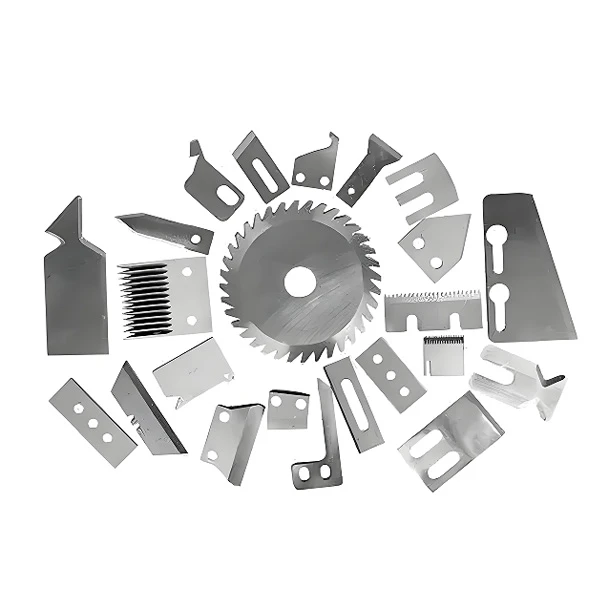
Oddly enough, it’s the combination of material science and design that really appeals to me. The blades are often engineered with a specialized tooth geometry optimized for cold cutting — basically cutting metals at low temperature to avoid distortion. That keeps the integrity of your workpieces intact. For companies that prioritize quality (which, let’s be honest, should be all of them), that’s invaluable.
Here’s a quick peek at typical carbide cold saw blade specs I’ve seen from reputable suppliers:
| Feature | Description |
|---|---|
| Diameter Range | 12" – 32" (300mm – 800mm) |
| Tooth Material | Tungsten Carbide Tips, Brazed |
| Number of Teeth | 48 – 96, depending on diameter and application |
| Kerf Width | 0.08" – 0.12" (2mm – 3mm) |
| Max RPM | Up to 3,000 RPM |
Of course, not all carbide cold saw blades are created equal. I remember once helping a customer who had been cycling through subpar blades way too quickly. After switching to a trusted brand with optimized tooth geometry and better carbide brazing, their cut quality was noticeably sharper, and their blade lifespan doubled. It’s those small improvements that often translate directly into operational savings.
Speaking of brands: if you’re comparing vendors, here’s how some key players stack up based on my observations and industry feedback. I’ve put together a quick comparison of three commonly recommended suppliers:
| Vendor | Carbide Quality | Blade Design | Price Range | Typical Lead Time |
|---|---|---|---|---|
| MechBlades | Premium Grade Tungsten Carbide | Advanced Tooth Geometry, Custom Options | $$$ | 1–2 weeks |
| BladeX Pro | Standard Tungsten Carbide | Conventional Design, Limited Customization | $$ | 3–4 weeks |
| CutPro Tools | Mid-Range Carbide Tips | Basic Tooth Design | $ | 2–3 weeks |
A tip if you’re in the purchasing seat: always confirm blade compatibility with your cold saw model and ask vendors about warranties or blade testing certifications. I’ve seen cases where an off-the-shelf blade just didn’t mesh well with certain machine feed rates or saw motors, leading to chatter marks or premature wear.
In real terms, what this all boils down to is a balance: between price, performance, and how much customization you’re willing to entertain. Honestly, investing a bit more upfront for a high-end carbide cold saw blade can save you a lot of headaches later on—especially in busy fabrication shops where every minute counts.
To wrap up my two cents: carbide cold saw blades are one of those tools where quality truly shows in the long run. They revitalize how smoothly your cold saw runs and the finish quality of your metalwork. Picking the right blade supplier while considering specs, lead times, and price can make all the difference.
1. Industry standards for carbide cold saw blades confirm better carbide quality equals longer blade life.
2. Consistent tooth geometry reduces thermal distortion in sensitive cuts.
3. Customer feedback highlights MechBlades as a trusted partner for custom blade needs.
At the end of the day, a good blade isn’t just a blade. It’s a partner in precision.