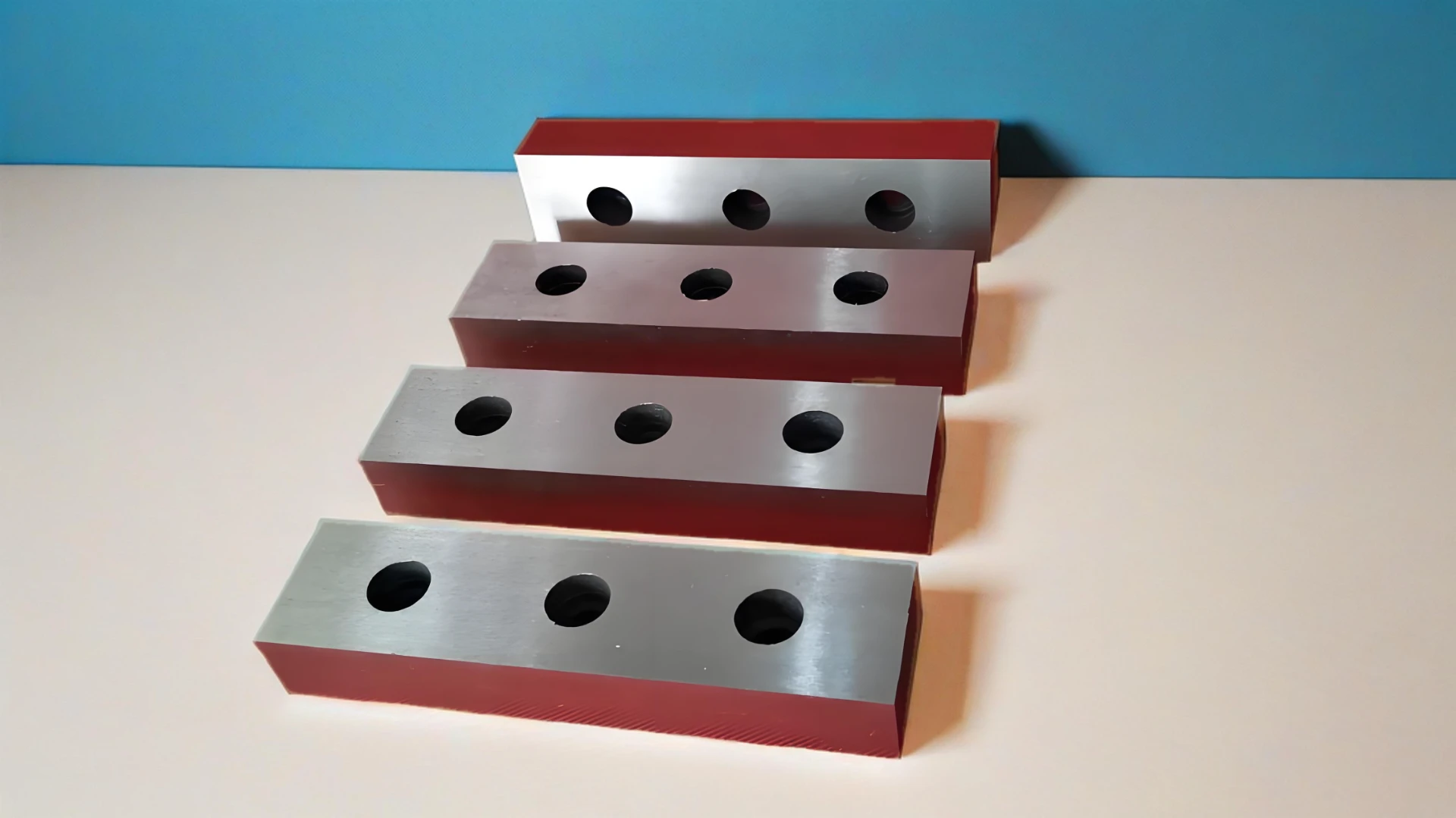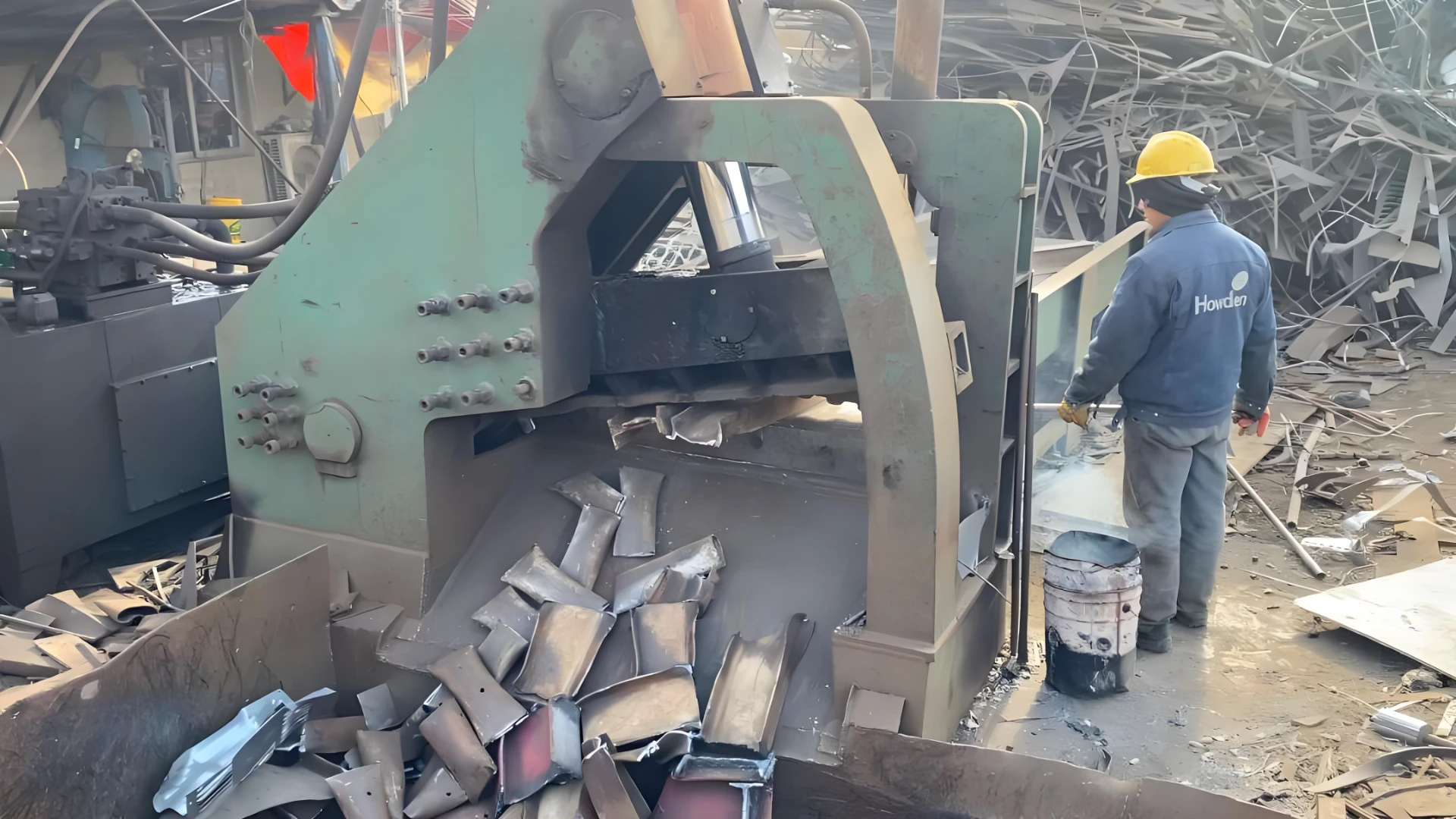
Choosing the Right Metal Sheet Slitting Blades for Optimal Performance
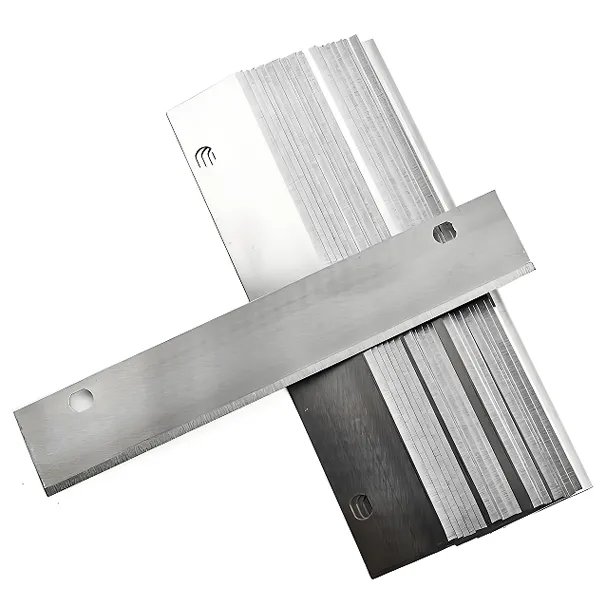
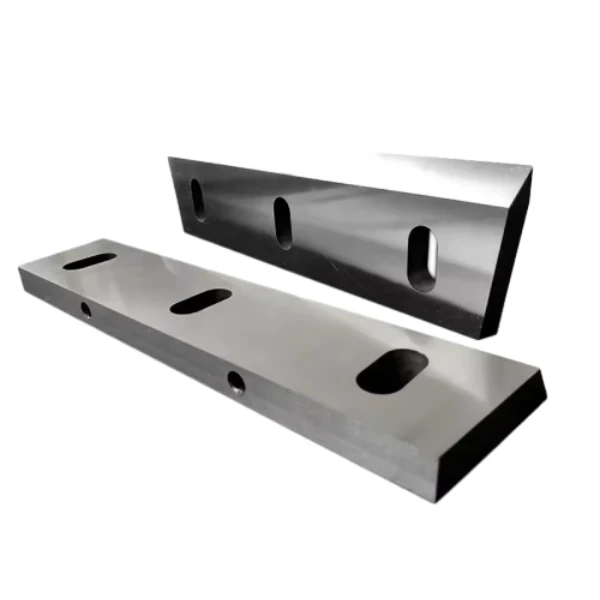
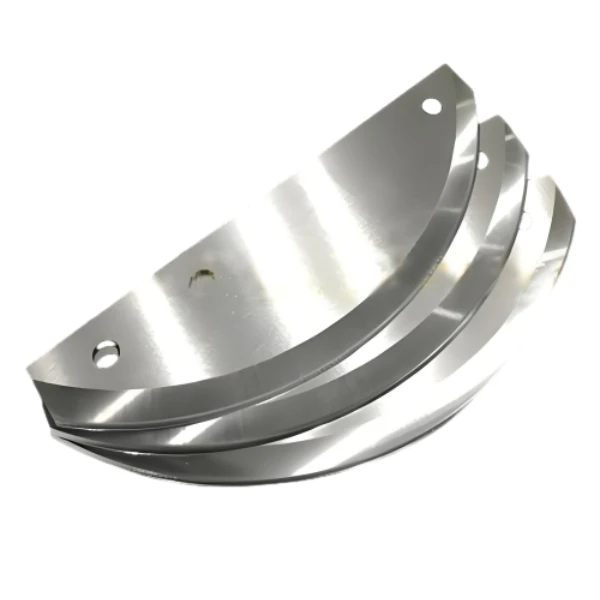
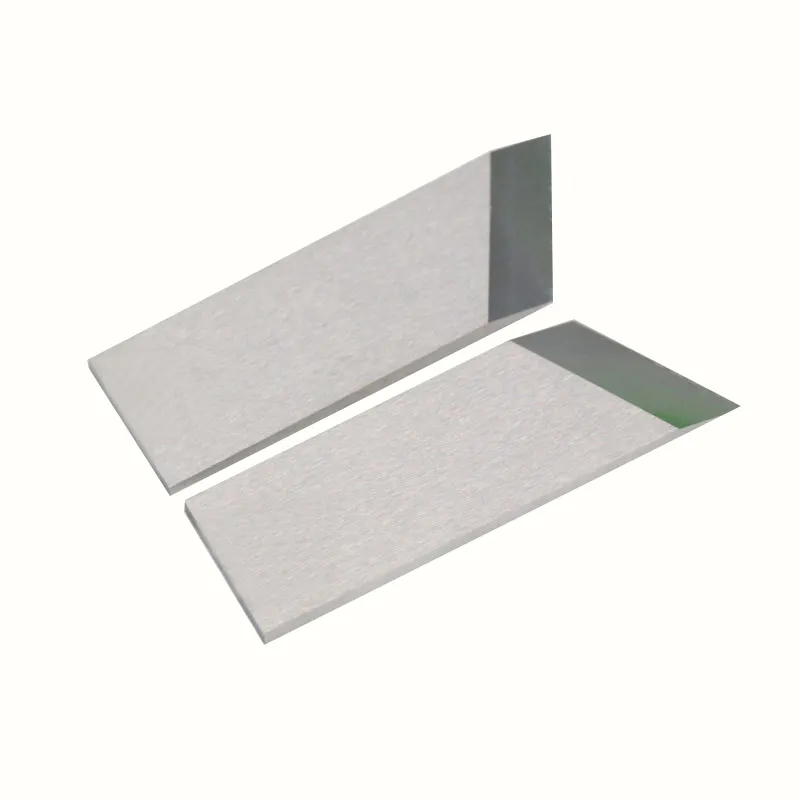
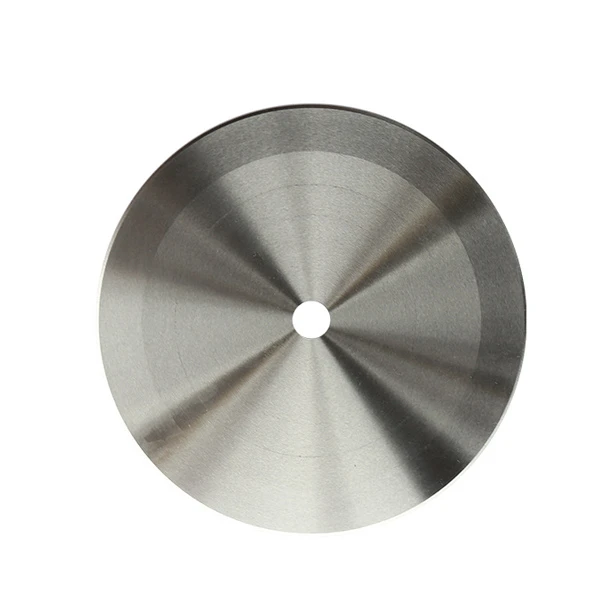
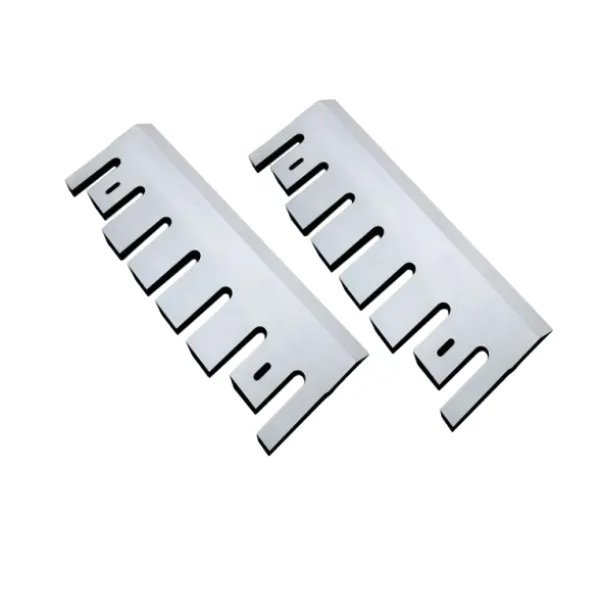
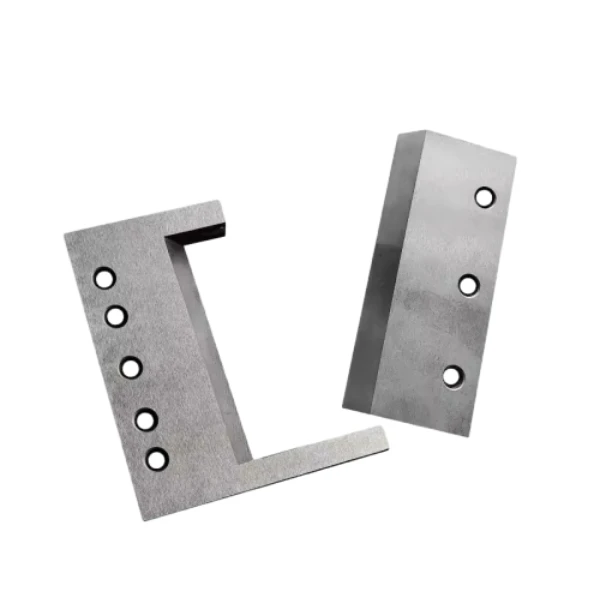
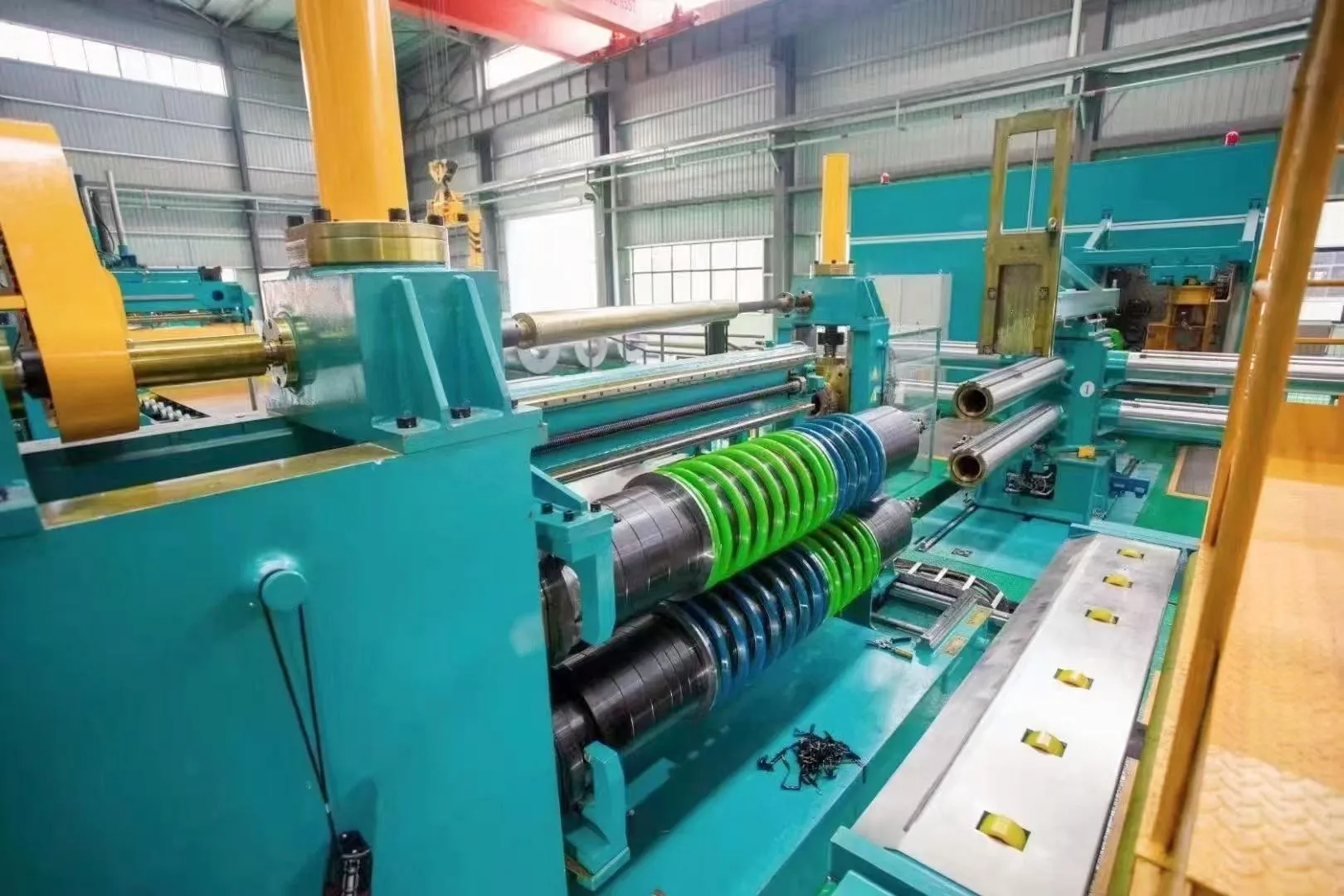
In the world of metal fabrication, precision and efficiency are paramount. Metal sheet slitting blades play a critical role in achieving both, enabling clean, accurate cuts for a wide array of applications. This article will delve into the key considerations when selecting slitting blades, covering materials, geometries, applications, and how to ensure you choose the best blade for your specific needs. Understanding the nuances of these blades can significantly improve your production process, reduce waste, and enhance the quality of your finished products.
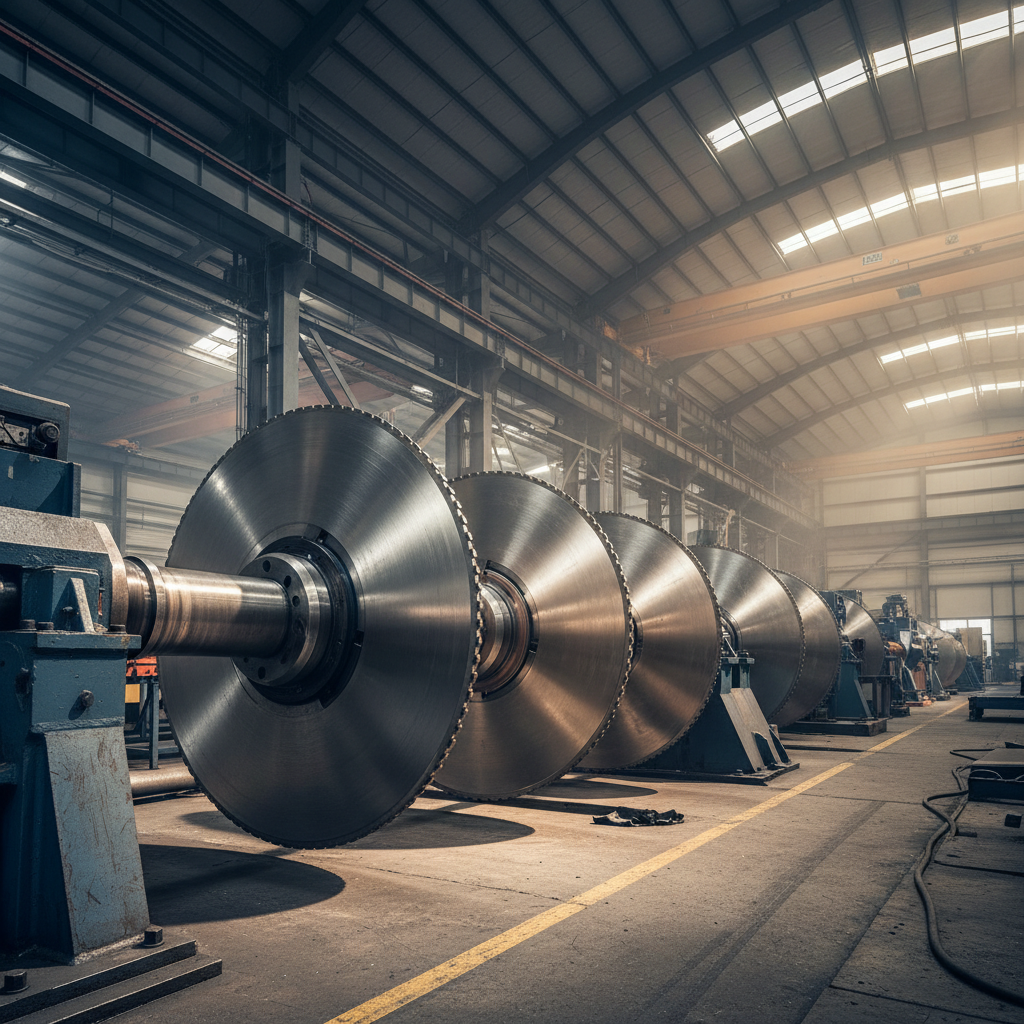
Understanding Metal Sheet Slitting Blade Materials
The material of a slitting blade is a primary factor influencing its performance and longevity. Different materials excel in different applications. Common materials include High-Speed Steel (HSS), Carbide, and Powder Metallurgy (PM) steel. HSS blades are cost-effective and suitable for lower volume, less abrasive materials. Carbide blades offer superior hardness and wear resistance, making them ideal for high-volume production and abrasive materials like stainless steel and aluminum. PM steel blades bridge the gap, offering a balance of toughness and wear resistance at a moderate cost. Selecting the appropriate material is crucial for maximizing blade life and achieving consistent cutting results.
Key Takeaway: Carbide blades typically offer the longest lifespan and best performance for demanding applications, but come at a higher initial cost. HSS blades are a good entry point for less demanding jobs.
Blade Geometry and Its Impact on Cutting Quality
The geometry of a metal sheet slitting blade – including its rake angle, clearance angle, and edge preparation – directly impacts cutting quality and efficiency. A positive rake angle facilitates smoother cutting, while a negative rake angle provides greater strength. Clearance angle prevents rubbing and ensures efficient chip evacuation. Edge preparation, such as honing or polishing, further enhances cutting performance. Choosing a blade with the correct geometry for the material being cut is essential for minimizing burrs, reducing cutting forces, and achieving a clean, precise edge.
Geometry Considerations:
• Positive Rake Angle: Smoother cuts, ideal for softer materials.
• Negative Rake Angle: Stronger blade, suitable for harder materials.
• Clearance Angle: Prevents rubbing, ensures efficient chip removal.
A Comparison of Slitting Blade Materials
Selecting the right material for your metal sheet slitting blades can be tricky. Here’s a side-by-side comparison of the most common options:
Applications and Blade Selection
The optimal blade also depends on the material being cut. For example, cutting aluminum requires blades with specific geometries to prevent material buildup. Stainless steel demands the hardness and wear resistance of carbide blades. Mild steel can often be cut effectively with HSS or PM steel blades. Understanding your material and the desired finish is crucial for making the right choice. Contacting a specialized supplier like MechBlades can provide expert guidance.
Maintaining and Extending Blade Life
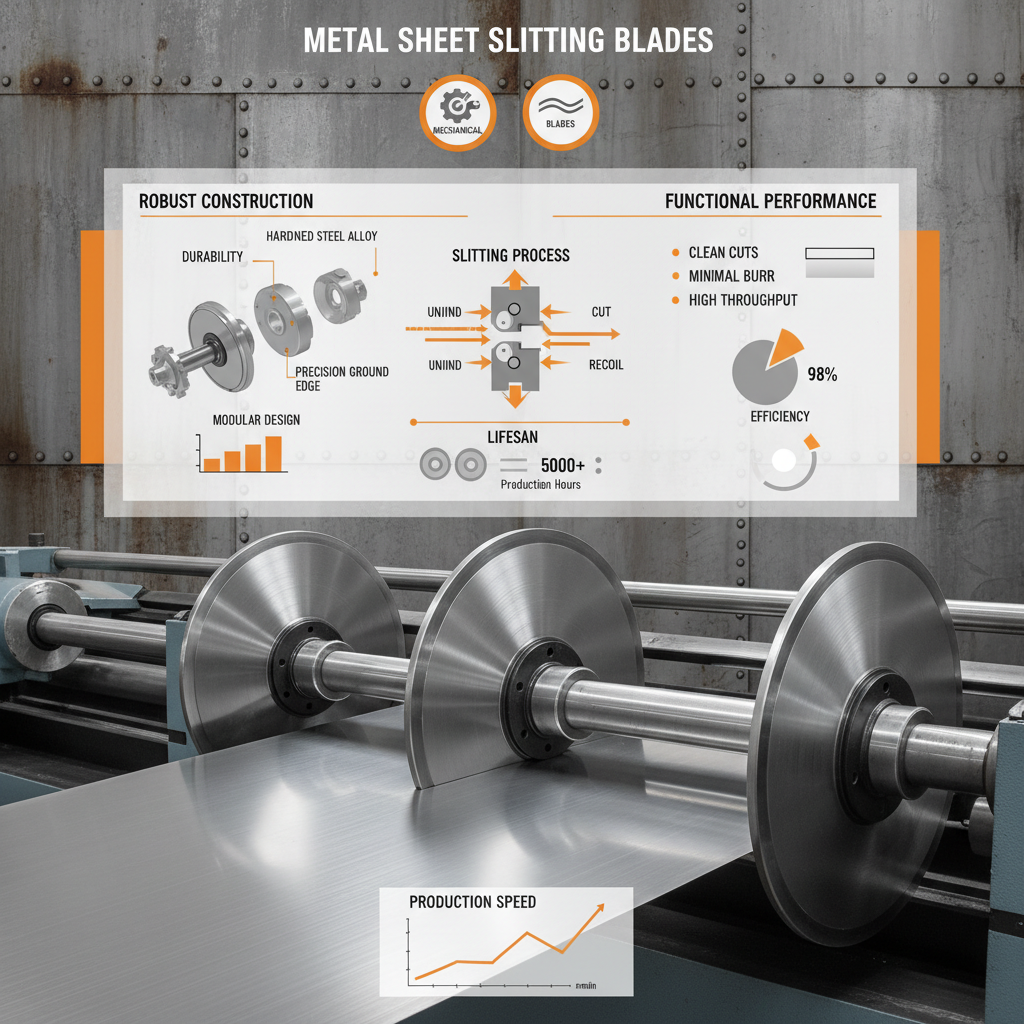
Proper maintenance is key to maximizing the lifespan of your metal sheet slitting blades. Regular sharpening is essential, and the frequency depends on the material being cut and the volume of production. Proper lubrication also minimizes friction and heat buildup, extending blade life. Finally, ensuring the slitting machine is properly aligned and maintained prevents premature wear and tear on the blades.
Conclusion: Investing in Quality Slitting Blades
Choosing the right metal sheet slitting blades is a critical investment for any metal fabrication operation. By carefully considering the material, geometry, application, and maintenance requirements, you can optimize performance, reduce costs, and improve the quality of your finished products. Don’t hesitate to consult with experts like those at MechBlades to find the perfect blades for your specific needs.
Frequently Asked Questions (FAQs)
What is the typical lifespan of a carbide slitting blade?
The lifespan of a carbide slitting blade varies greatly depending on the material being cut, the cutting speed, and the maintenance schedule. However, with proper care and sharpening, a high-quality carbide blade can last for several months or even years in continuous production. Abrasive materials will shorten the lifespan compared to softer metals. Regular inspection for chipping or wear is essential to prevent catastrophic failure and maintain optimal cutting performance.
How do I determine the correct blade width for my application?
The blade width should be slightly wider than the material being slit to ensure a clean cut and prevent burring. However, excessively wide blades can increase friction and reduce efficiency. A good rule of thumb is to choose a blade width that is 1-2mm wider than the material thickness. Consider the material’s hardness and potential for deformation when selecting the blade width. Consulting with a blade supplier like MechBlades can help you determine the ideal width for your specific application.
What are the signs that a slitting blade needs to be replaced?
Several signs indicate that a slitting blade needs replacement. These include excessive chipping or cracking, difficulty cutting through the material, increased burr formation, noticeable wear on the cutting edge, and a decrease in cutting speed. Ignoring these signs can lead to poor cut quality, increased downtime, and potential safety hazards. Regular inspection and timely replacement are crucial for maintaining optimal performance.
Does blade coating improve performance?
Yes, blade coatings such as TiN (Titanium Nitride) or TiAlN (Titanium Aluminum Nitride) can significantly improve performance. These coatings enhance hardness, reduce friction, and increase wear resistance, resulting in longer blade life and improved cutting efficiency. Coated blades are particularly beneficial when cutting abrasive materials or at high speeds.