Understanding the Power of Flying Shear Cutters
In the realm of metal processing, efficiency and precision are paramount. Flying shear cutters have emerged as a critical technology for high-speed, continuous material processing. These innovative machines excel in cutting metal strips, sheets, and coils while the material is in motion, eliminating downtime and boosting productivity. This article will explore the functionality, benefits, applications, and key considerations when selecting a flying shear cutter for your operation. We’ll delve into what makes these cutters so essential for modern manufacturing.
How Does a Flying Shear Cutter Work?
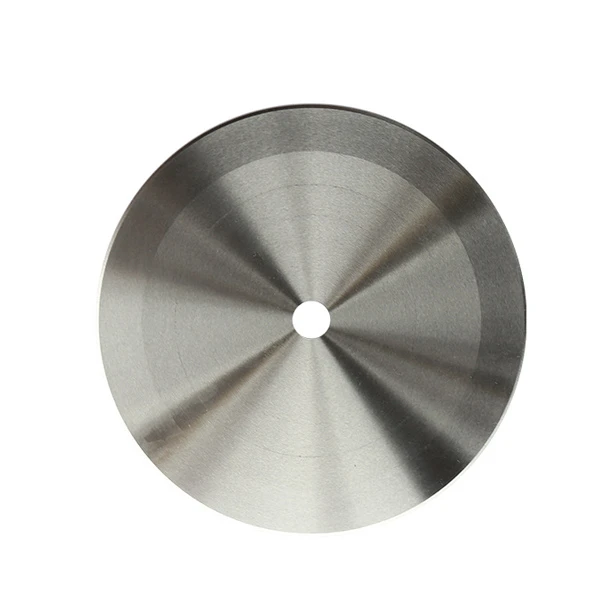
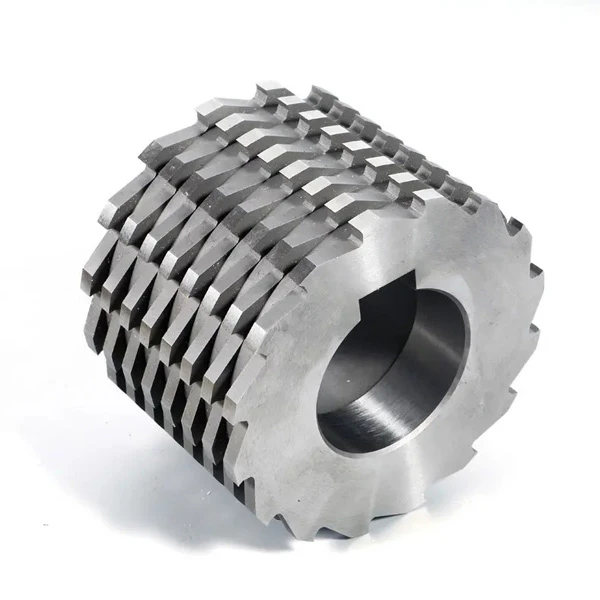
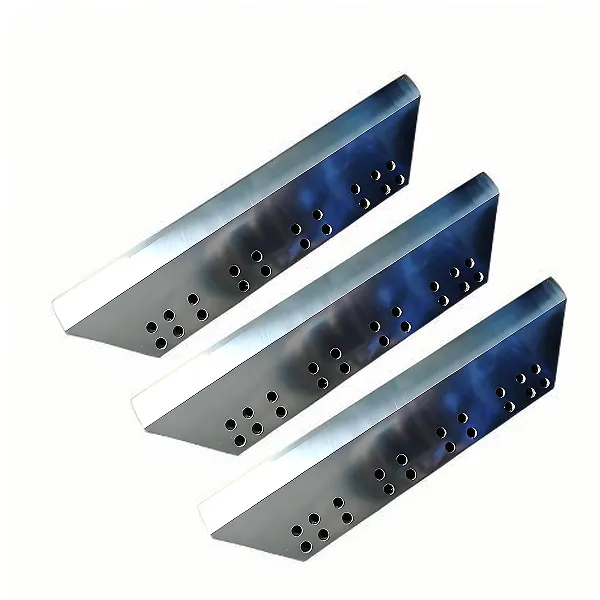
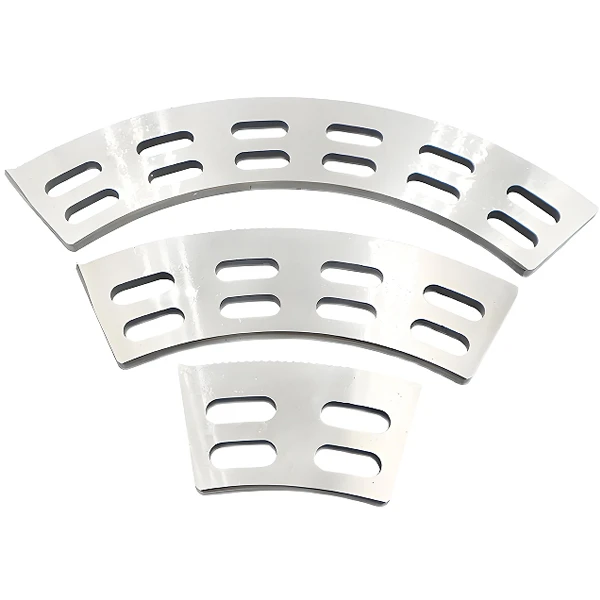
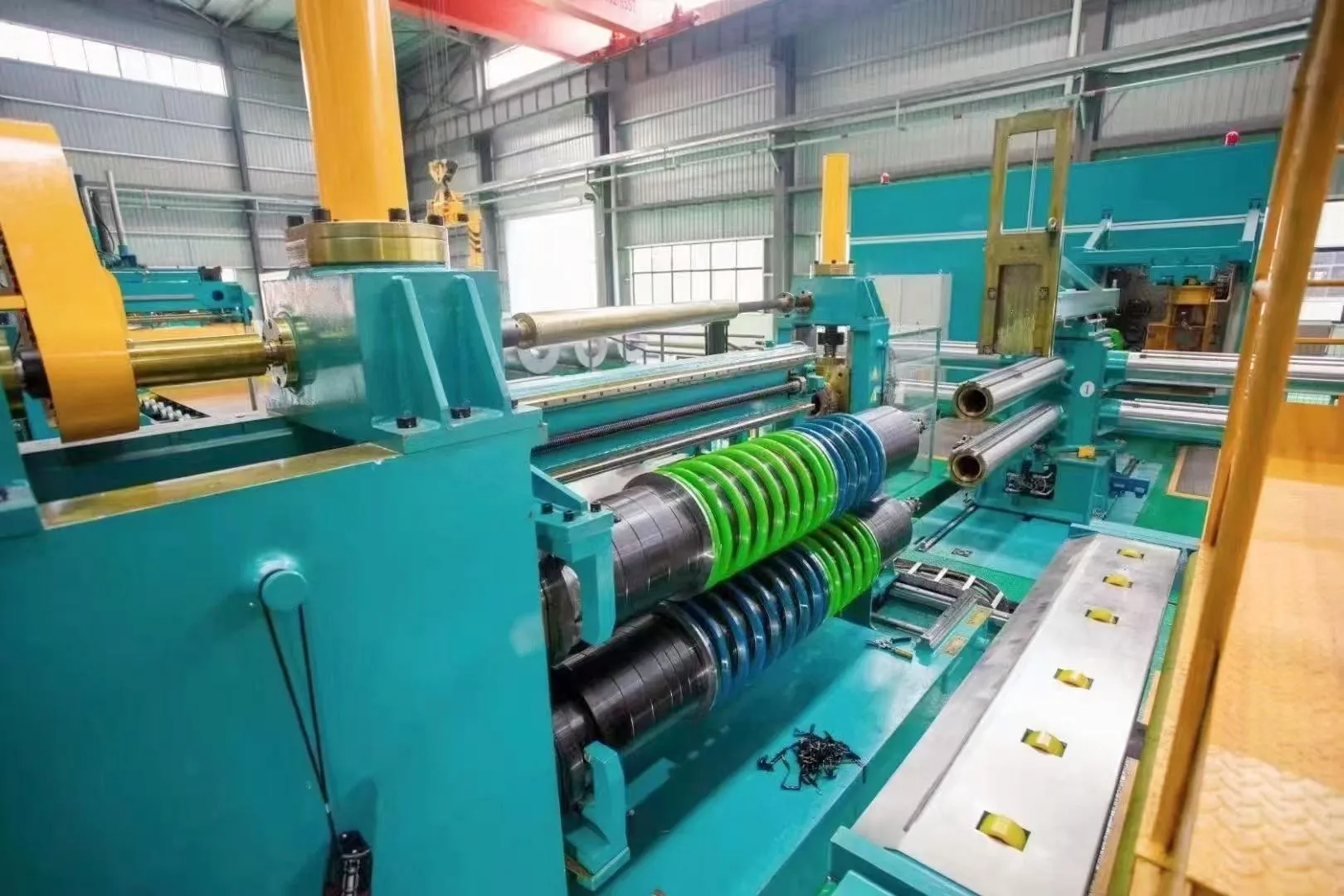
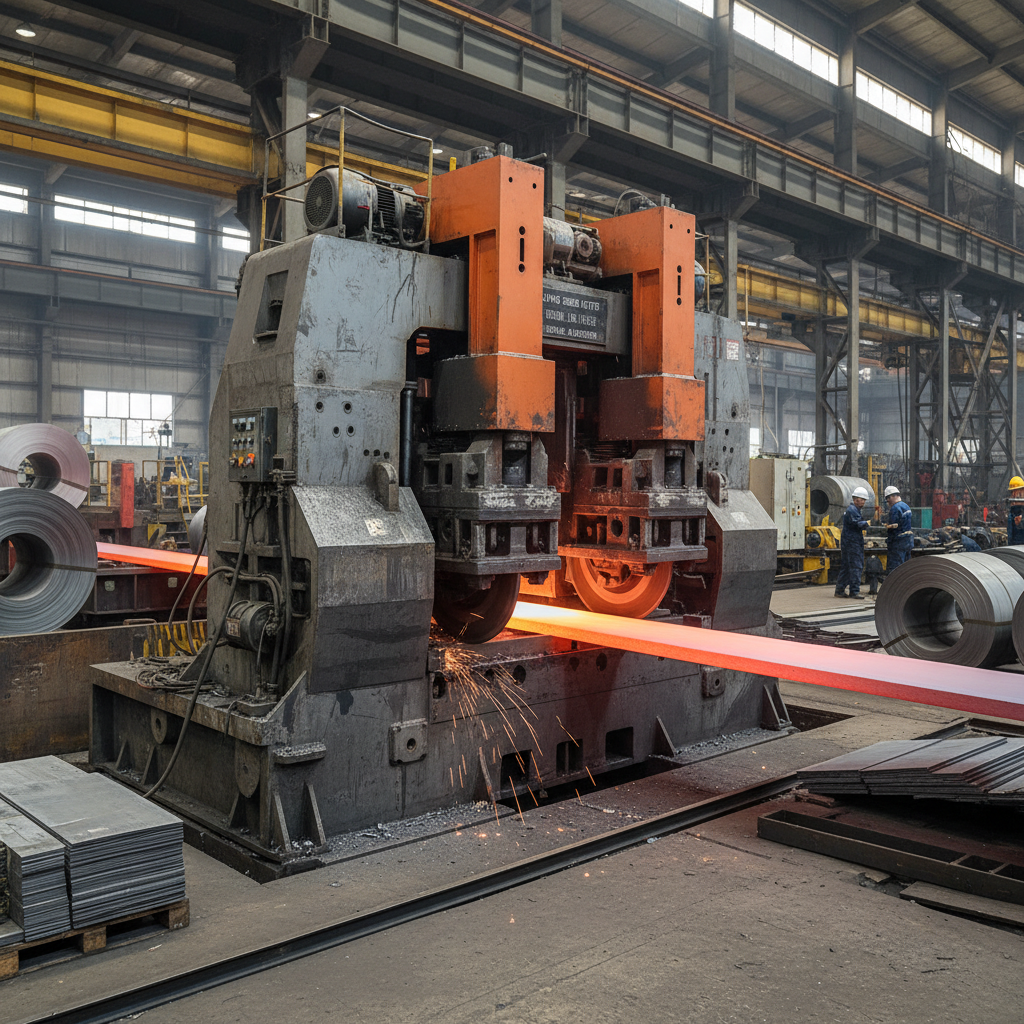
The core principle behind a flying shear cutter lies in its ability to cut moving material. Unlike traditional shears that require stopping the material, a flying shear utilizes two rotating blades that synchronize with the material’s speed. These blades move in opposition to each other, cleanly severing the material as it passes between them. The cutter's speed is precisely controlled and synchronized with the incoming material using sophisticated timing and control systems. This ensures accurate cuts, minimal waste, and maximized throughput. The coordination of blade movement with material speed is achieved through advanced sensors and programmable logic controllers (PLCs).
Key Features: High-speed operation, precise cutting, minimal material waste, continuous processing, and automated control.
Benefits of Implementing a Flying Shear Cutter
Adopting a flying shear cutter delivers a multitude of advantages for metal processing businesses. Significant productivity gains are achieved through continuous operation, eliminating the need for stopping and starting material flow. This results in reduced cycle times and increased output. Precision cutting minimizes material waste, saving on raw material costs. The automated control systems contribute to consistent cut quality, reducing the need for rework or rejection. Furthermore, the improved safety features inherent in modern flying shear cutter designs protect operators and contribute to a safer working environment. Ultimately, these benefits translate to lower production costs and improved profitability.
Key Advantages:
• Increased Productivity
• Reduced Material Waste
• Improved Cut Quality
• Enhanced Safety
Flying Shear Cutter Applications: Diverse Industries Served
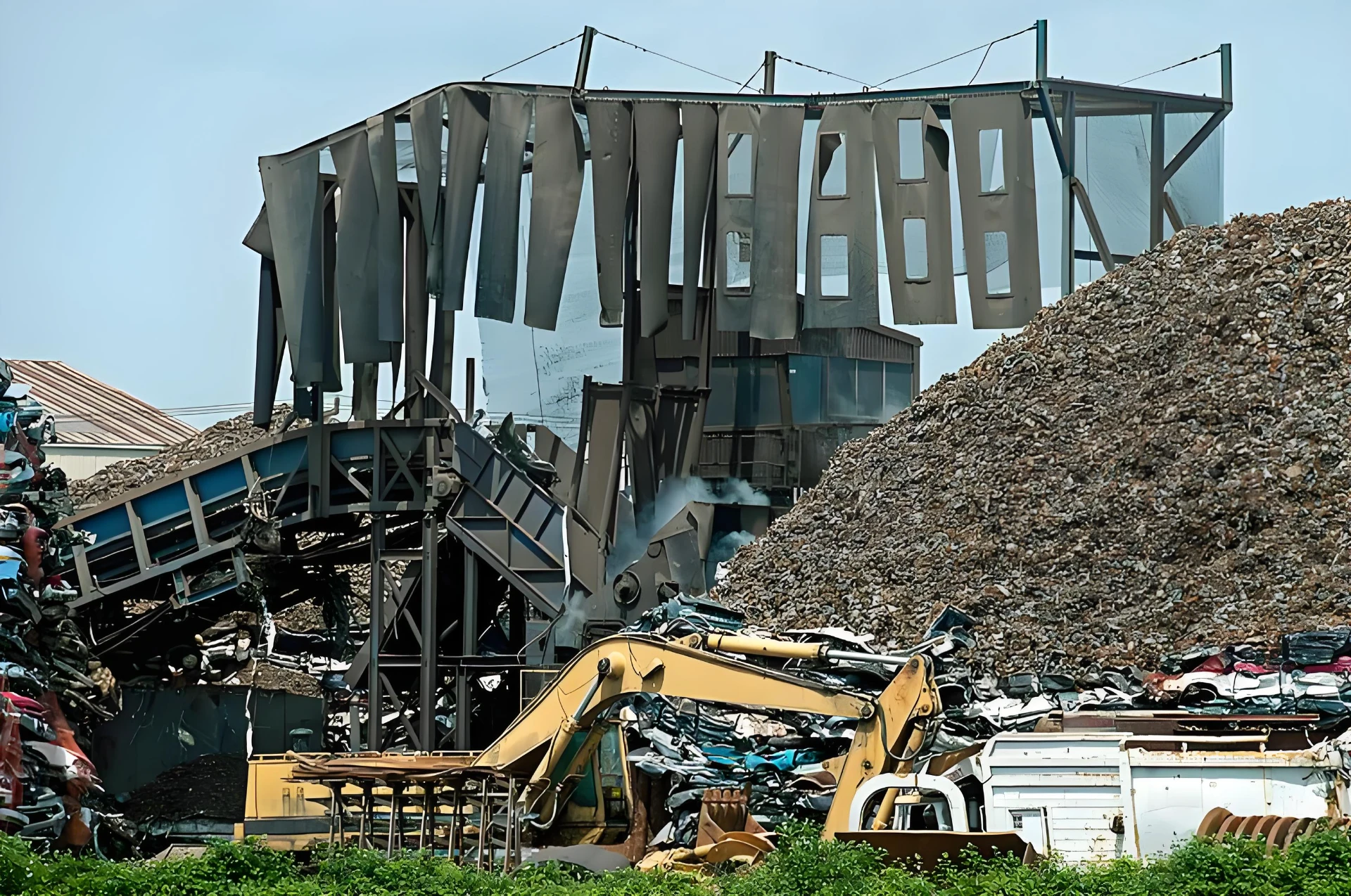
The versatility of flying shear cutters makes them indispensable across a broad spectrum of industries. In the automotive sector, they are utilized for slitting and cutting metal coils used in body panel production. The construction industry relies on them for processing steel reinforcement bars (rebar) and structural steel components. Manufacturing operations across various sectors, including appliance manufacturing and metal furniture production, benefit from their precision cutting capabilities. They are also essential in the production of metal packaging, ensuring accurate and consistent cuts for container fabrication. Explore the diverse applications offered by MechBlades' flying shear cutters.
Selecting the Right Flying Shear Cutter: Key Considerations
Choosing the appropriate flying shear cutter requires careful evaluation of your specific needs. Material type and thickness are crucial factors, as different cutters are designed for specific materials and gauges. The desired cutting speed and production volume will also influence the cutter’s specifications. Consider the level of automation required, and whether features like automatic coil loading and unloading are necessary. Finally, ensure that the cutter complies with relevant safety standards and is backed by reliable support and maintenance services. MechBlades offers a consultation service to help determine the optimal solution for your operation.
Technical Specifications and Maintenance of Flying Shear Cutters
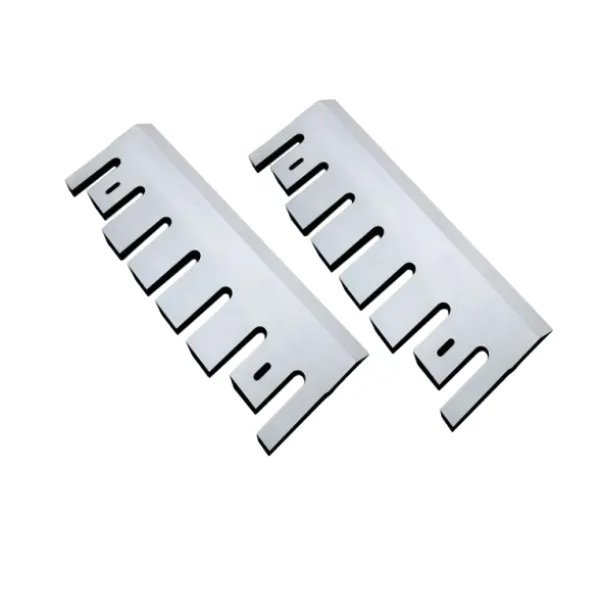
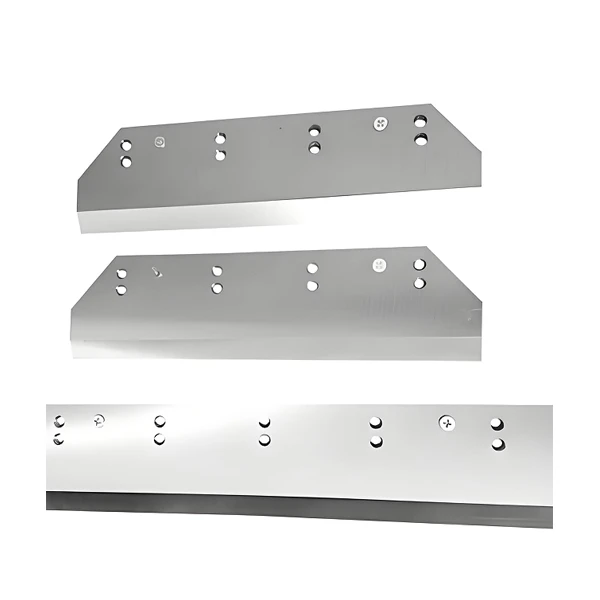
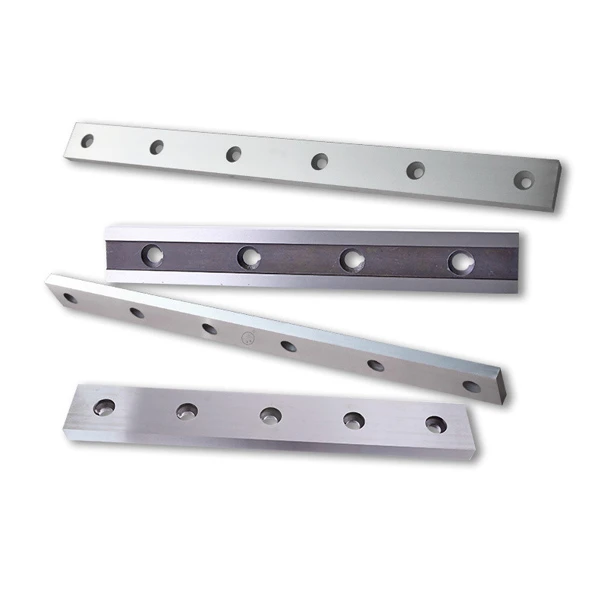
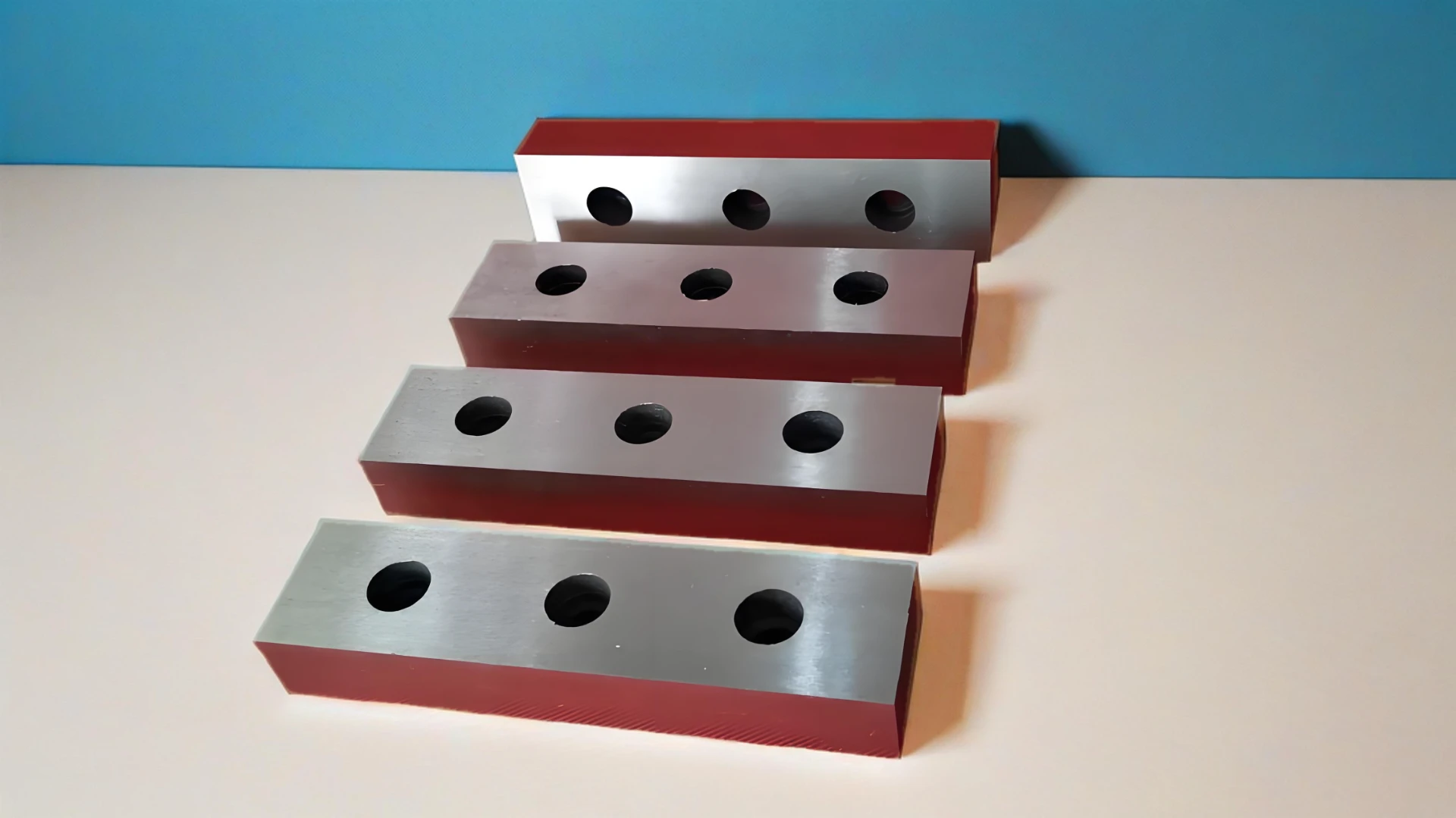
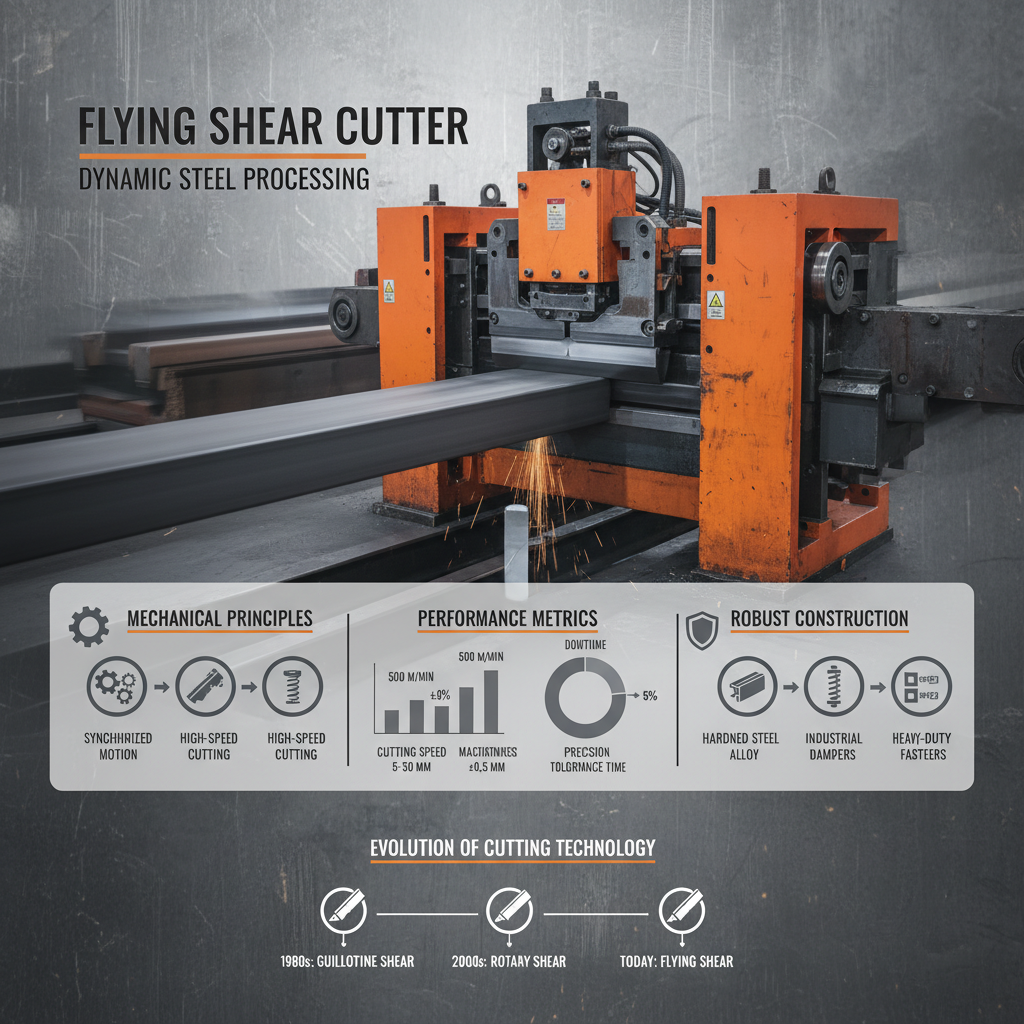
Understanding the technical specifications is essential for informed decision-making. Important parameters include the cutter's capacity (maximum material thickness), cutting speed (strokes per minute), and blade material. Regular maintenance is crucial for ensuring optimal performance and longevity. This includes lubricating moving parts, sharpening or replacing blades, and inspecting the control system. Preventive maintenance schedules should be established and followed diligently. Proper maintenance will minimize downtime, extend the cutter's lifespan, and ensure consistent cut quality.
Conclusion: Enhancing Metal Processing with Flying Shear Technology
Investing in a flying shear cutter represents a strategic move towards increased efficiency, precision, and profitability in metal processing. By embracing this cutting-edge technology, businesses can streamline their operations, reduce costs, and gain a competitive advantage. MechBlades is dedicated to providing high-quality flying shear cutters and expert support to help your business thrive.
Frequently Asked Questions (FAQs)
What types of materials can a flying shear cutter process?
Flying shear cutters are versatile and can handle a wide range of metal types, including steel (carbon, alloy, stainless), aluminum, and copper. The specific material and its thickness will dictate the appropriate cutter configuration and blade material. Generally, these cutters are effective on materials ranging from thin gauge sheets to thicker plates, depending on the cutter's capacity. It’s vital to specify the materials you intend to cut when selecting a machine to ensure compatibility.
What safety features are incorporated into modern flying shear cutters?
Safety is paramount in the design of modern flying shear cutters. Common features include full guarding around the cutting area to prevent access to moving parts, emergency stop buttons for immediate shutdown, light curtains or safety scanners to detect intrusions, and interlocking safety circuits to prevent operation if safety devices are compromised. Regular safety inspections and operator training are essential to ensure these features function correctly and maintain a safe working environment.
How often should the blades of a flying shear cutter be sharpened or replaced?
The frequency of blade sharpening or replacement depends on several factors, including the type of material being cut, the cutting volume, and the blade material. Generally, blades should be inspected regularly for signs of wear or damage. As a rule of thumb, blades may need sharpening every 500-1000 tons of material cut, but this can vary significantly. Dull blades will result in poor cut quality, increased force requirements, and potentially damage to the machine. It's crucial to follow the manufacturer's recommendations for blade maintenance.
What level of operator skill is required to operate a flying shear cutter?
While modern flying shear cutters are often highly automated, operators still require a degree of training and skill. They need to understand the machine's controls, safety procedures, and basic troubleshooting techniques. Training should cover material setup, speed and pressure adjustments, and emergency shutdown procedures. Experienced operators can optimize the cutter's performance and ensure consistent cut quality.