The Ultimate Guide to High-Performance Rotary Shear Blade Solutions
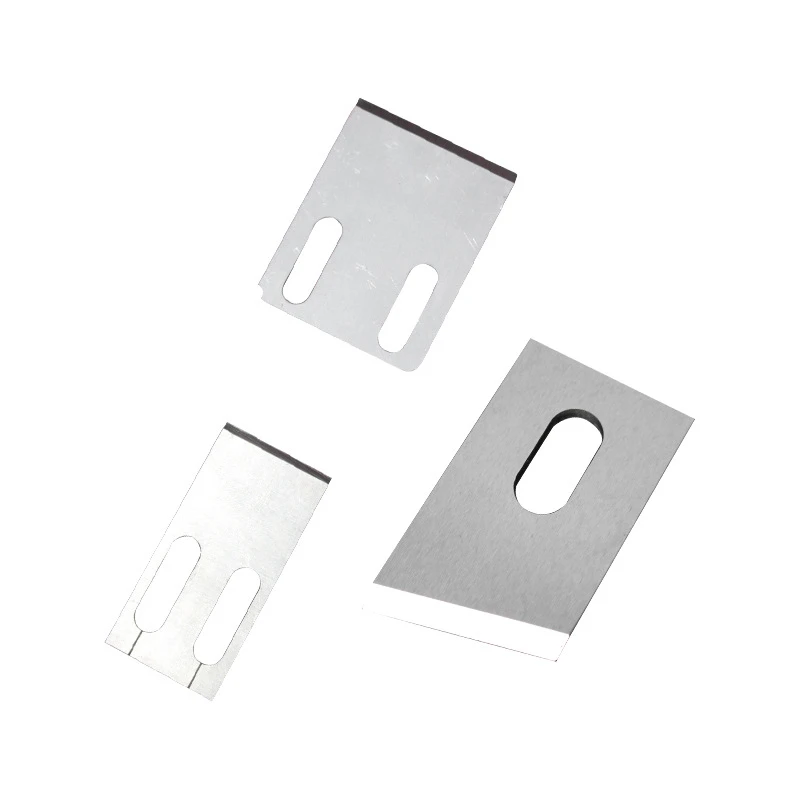
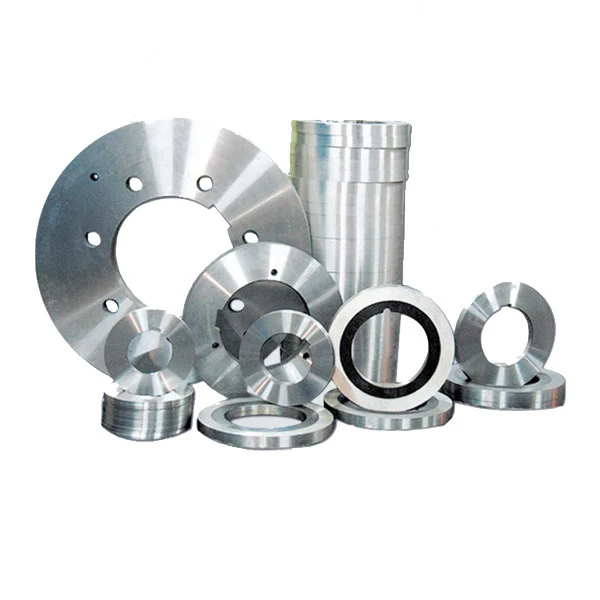
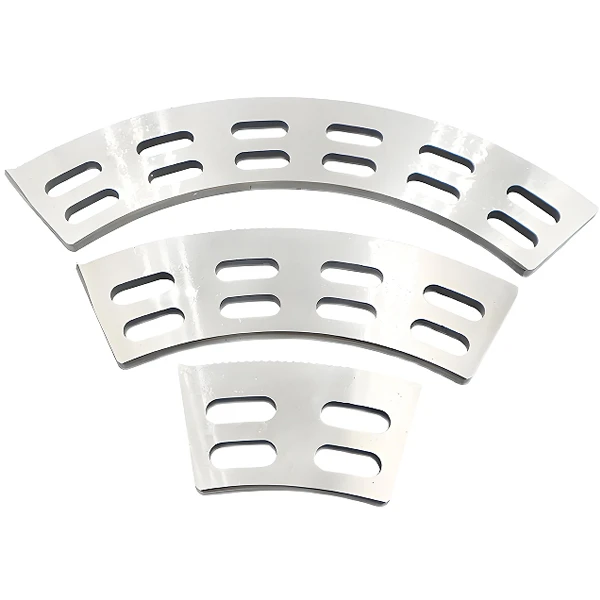
In the demanding world of industrial cutting, the precision of your equipment determines the quality of your final product. A high-quality rotary shear blade is the heart of any efficient shearing operation, providing the necessary sharpness and durability to handle everything from thin foils to heavy-duty metal sheets. Whether you are optimizing a production line for automotive parts or textile manufacturing, understanding the nuances of blade metallurgy and geometry is essential. In this guide, we will explore how choosing the right shearing tools can reduce downtime and significantly enhance operational efficiency.
Engineering Excellence in Rotary Shear Blade Design
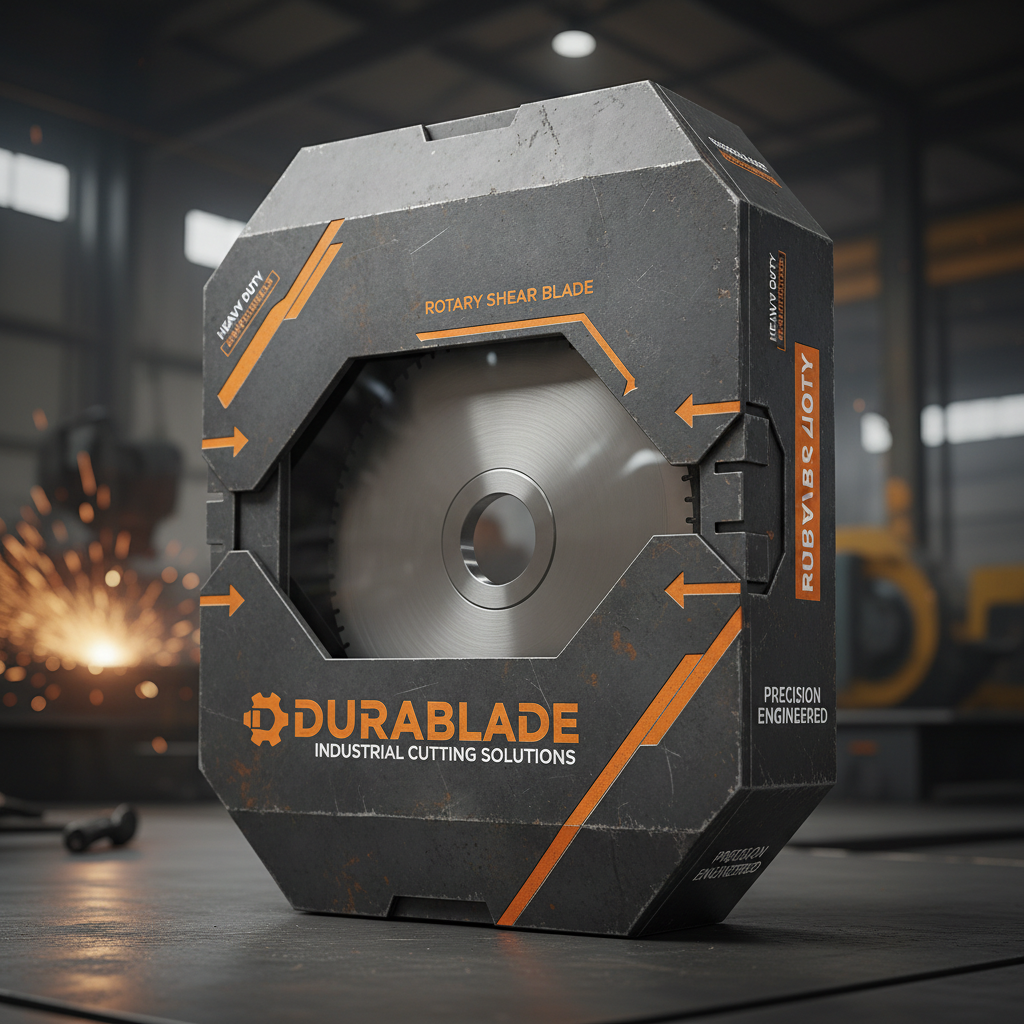
The effectiveness of a rotary shear blade relies on the synergy between material composition and edge geometry. Modern industrial blades are typically engineered from high-carbon tool steels or tungsten carbide to ensure maximum wear resistance. The "rotary" aspect allows for a continuous cutting motion, which minimizes the impact shock compared to guillotine shears, resulting in a cleaner edge and less material deformation. By utilizing advanced heat treatment processes, manufacturers can achieve a perfect balance between hardness (to maintain the edge) and toughness (to prevent chipping under high pressure).
Pro Tip: To maximize the lifespan of your blades, ensure that the clearance between the rotary blade and the fixed knife is calibrated to the specific thickness of the material being cut.
Key Materials for Rotary Shear Blade Durability
Not all materials are created equal when it comes to industrial shearing. Depending on the abrasiveness of the workpiece, you may need a specific grade of steel. For example, D2 tool steel is widely favored for its excellent balance of wear resistance and stability. However, for extreme applications involving non-ferrous metals or highly abrasive composites, tungsten carbide is the gold standard. Investing in a premium rotary shear blade means fewer blade changes and more consistent output, which directly impacts your bottom line by reducing labor costs and scrap rates.
Material Selection Guide:
• High Carbon Steel: Best for general purpose, low-cost cutting.
• D2 Tool Steel: Ideal for high-wear industrial applications.
• Tungsten Carbide: Maximum hardness for abrasive or high-volume tasks.
• HSS (High-Speed Steel): Great for heat resistance during high-speed rotation.
Performance Comparison: Rotary vs. Linear Shearing
When deciding on the right machinery, it is important to compare the results of a rotary shear blade system against traditional linear shearing. Rotary systems are designed for high-speed, continuous production, offering a smoother transition and reduced "burr" on the cut edge. While linear shears are excellent for occasional heavy-duty cuts, they often lack the throughput capacity required for modern automated factories. The table below illustrates the technical trade-offs between the two systems.
Industrial Applications of the Rotary Shear Blade
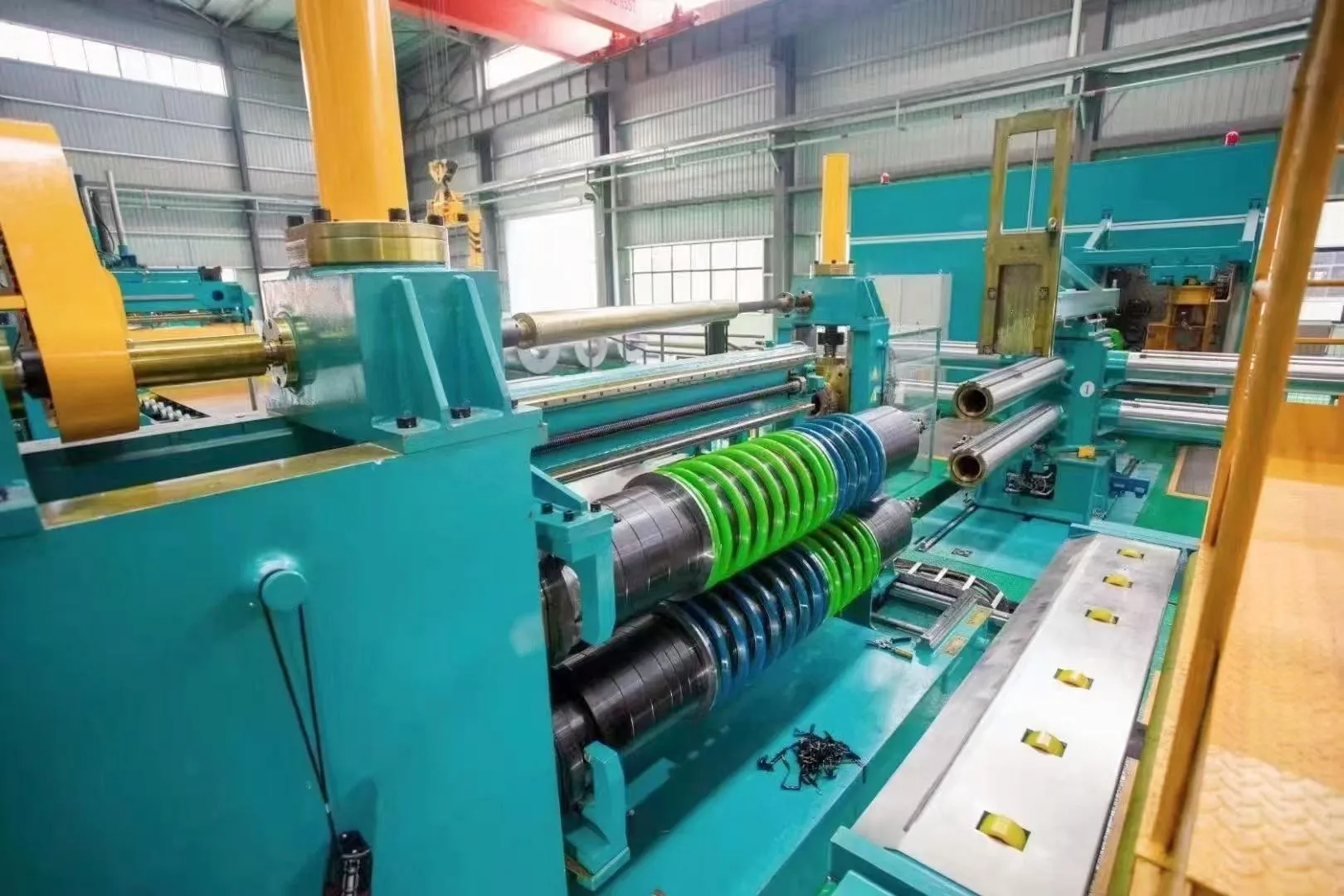
The versatility of the rotary shear blade allows it to be integrated into a variety of complex machinery. In the packaging industry, these blades are used for precisely cutting plastic films and aluminum foils at incredibly high speeds. In the metalworking sector, they are indispensable for slitting coils and cutting strips of steel. Even the paper and textile industries rely on rotary shearing to ensure consistent widths and clean edges across thousands of meters of material. The key to success in these applications is selecting a blade with the correct bevel angle and surface finish to prevent material sticking.
Technical Specifications for Custom Rotary Blades
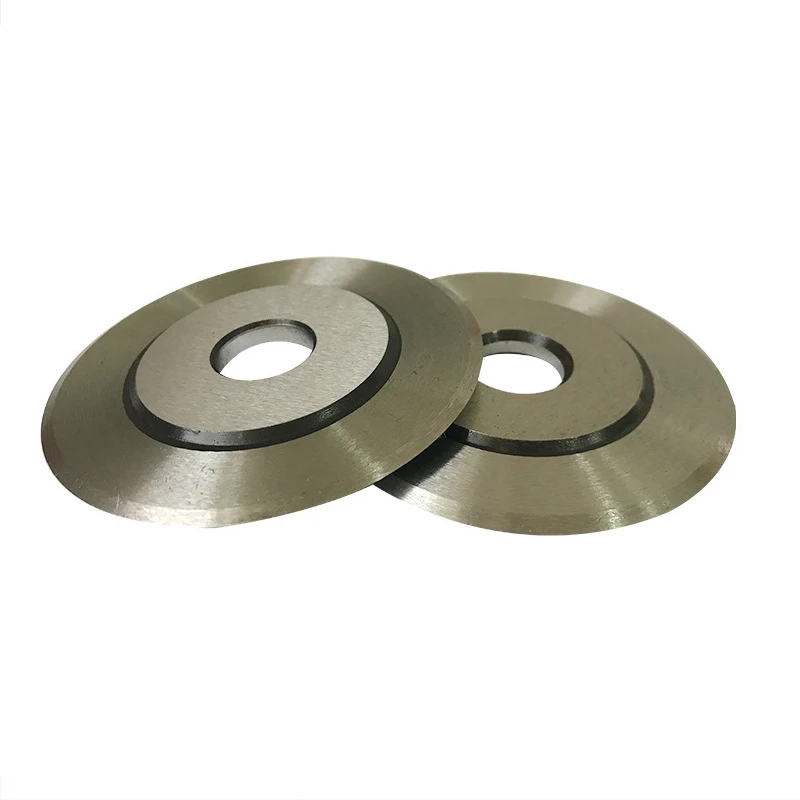
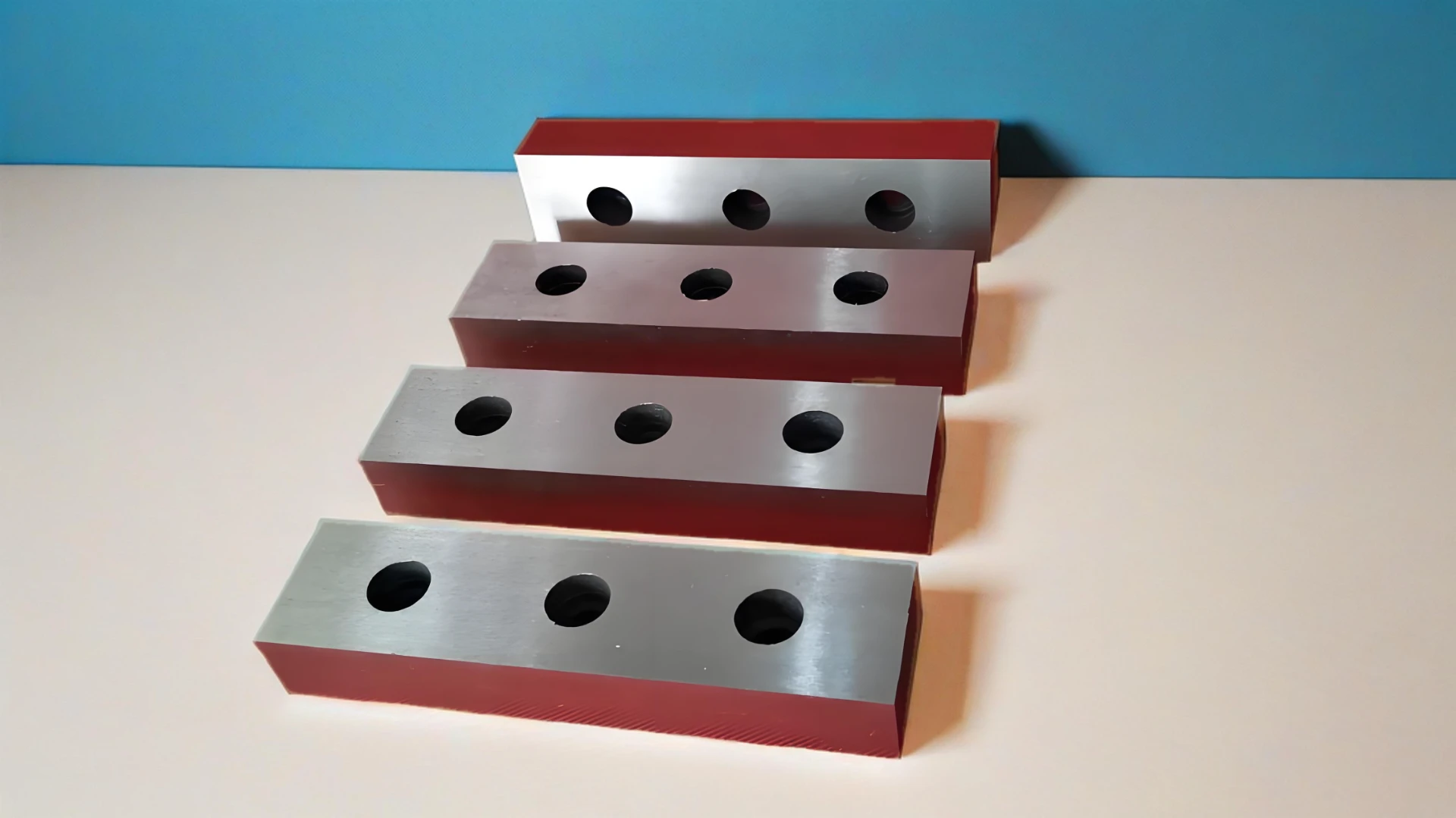
Because every production line is unique, custom specifications are often required. When ordering a rotary shear blade, parameters such as outer diameter, inner bore size, and hardness (HRC) must be precisely defined. A blade that is too hard may crack under impact, while one that is too soft will dull quickly, increasing the frequency of replacements. Below is a standard specification table typically used for high-performance industrial blades.
Maintenance Tips for Extending Blade Life
Even the highest quality rotary shear blade will eventually wear down, but proactive maintenance can significantly extend its operational life. The most critical factor is lubrication; using the appropriate cutting oils reduces friction and prevents heat buildup, which can soften the blade's edge. Additionally, regular inspection for "nicks" or microscopic chips is vital. If a small chip is detected, professional regrinding can restore the blade to its original state, avoiding the cost of a full replacement. Always ensure that the blade is mounted securely and balanced to avoid vibrations that can cause premature failure.
Conclusion: Optimizing Production with Precision Cutting
Selecting the right rotary shear blade is more than just a purchase; it is a strategic decision to improve quality and efficiency. By focusing on high-grade materials, precise specifications, and a rigorous maintenance schedule, manufacturers can achieve superior cut quality and minimize expensive downtime. Whether you need standard replacements or custom-engineered solutions, investing in professional shearing tools ensures your production line remains competitive in a global market.
Frequently Asked Questions (FAQs)
How often should I replace my rotary shear blades?
The replacement frequency depends entirely on the material being cut and the volume of production. Cutting soft plastics may allow a blade to last for months, while shearing high-tensile steel may require weekly inspections. The best indicator for replacement is a noticeable increase in "burr" height on the cut edge or an increase in the power consumption of the shearing motor. We recommend implementing a scheduled inspection every 500 operational hours to evaluate wear and determine if regrinding or replacement is necessary.
Can a rotary shear blade be sharpened, or must it be replaced?
Most industrial-grade blades can be professionally reground and sharpened several times. Regrinding is a cost-effective way to restore the cutting edge without buying a new tool. However, there is a limit to how many times a blade can be sharpened before the diameter becomes too small to maintain the correct clearance with the counter-blade. When the blade reaches its minimum functional diameter, a full replacement is required to avoid compromising the cut quality and safety of the machine.
What is the difference between HSS and Carbide for rotary blades?
High-Speed Steel (HSS) is tougher and less brittle than Carbide, making it a better choice for materials that might cause sudden impacts or where the machinery has slight misalignments. Carbide, on the other hand, is significantly harder and maintains its edge much longer, especially when cutting abrasive materials. While Carbide is more expensive and prone to chipping if mishandled, its ability to run at higher speeds with minimal wear makes it the superior choice for high-volume, precision industrial environments.
How do I choose the correct bevel angle for my application?
The bevel angle determines the strength of the cutting edge and the effort required to penetrate the material. A smaller, sharper angle is ideal for thin, soft materials as it provides a cleaner cut with less force. A larger, blunter angle is necessary for thick or hard metals to provide structural support to the edge, preventing it from folding or chipping. Consulting with a technical expert at Mechblades can help you determine the mathematically optimal angle based on your material's shear strength.