The Ultimate Guide to Rolling Shear Blade Selection and Maintenance
In the demanding world of industrial metal processing, precision and durability are the cornerstones of productivity. A high-performance rolling shear blade is essential for achieving clean cuts and minimizing material waste in high-speed shearing operations. Whether you are operating in the steel mill industry or specialized automotive manufacturing, the quality of your cutting tools directly impacts the bottom line. This comprehensive guide explores the technical nuances, material choices, and maintenance strategies required to optimize the lifespan and efficiency of your shearing equipment. By understanding the critical factors of blade geometry and metallurgy, operators can ensure seamless production cycles and superior edge quality.
The Critical Role of a High-Quality Rolling Shear Blade
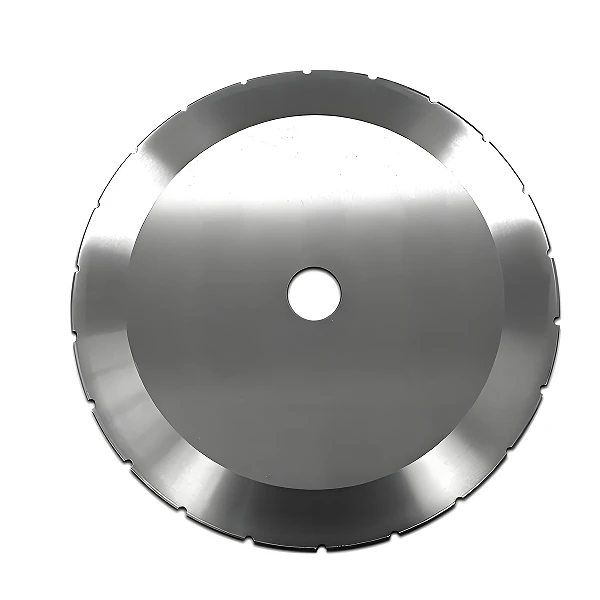
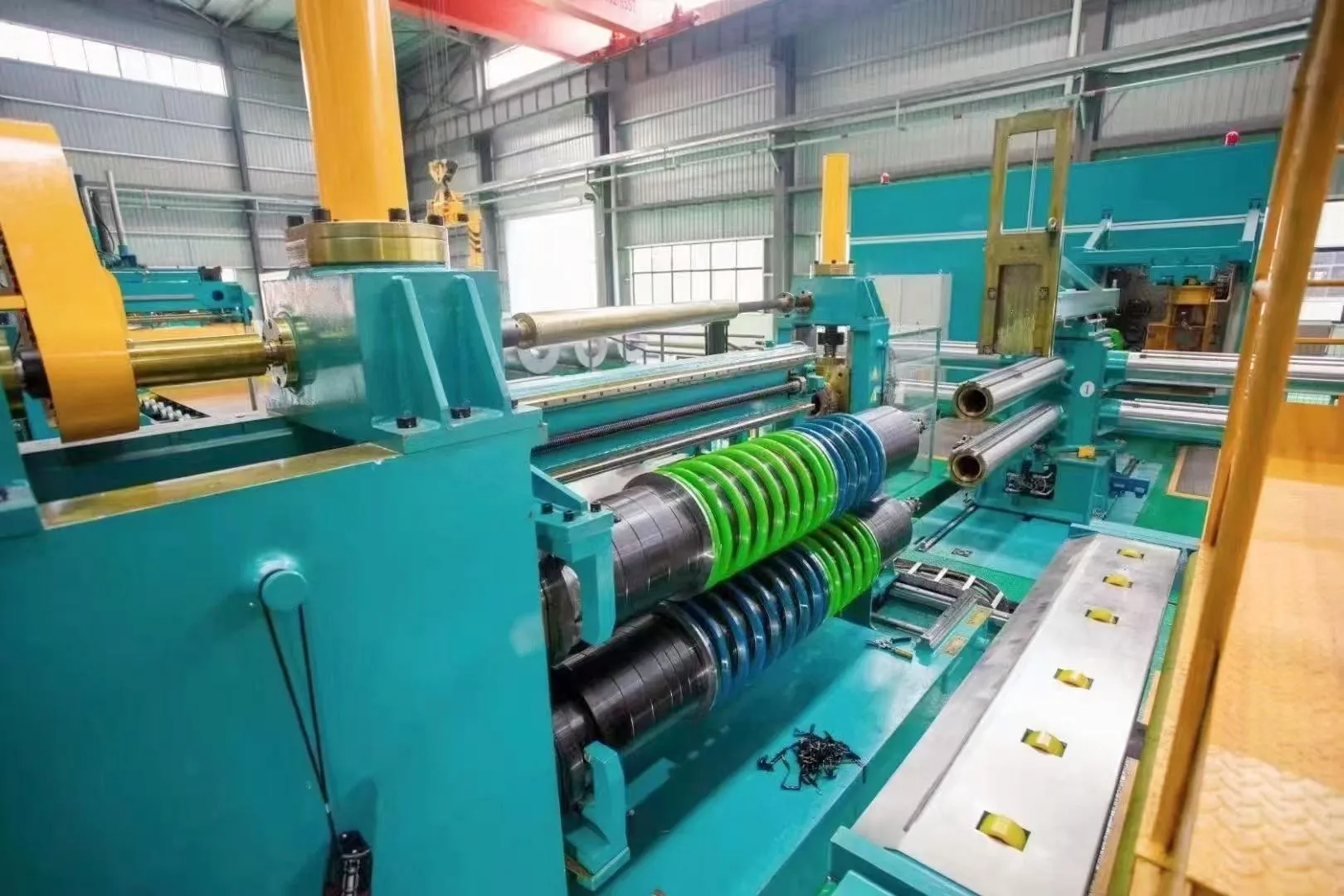
A rolling shear blade operates under immense pressure and friction, making it one of the most stressed components in a shearing line. Unlike static blades, rolling shears utilize a rotational motion to cut continuous strips of metal, which requires a perfect balance of hardness and toughness. If the blade is too hard, it may chip under impact; if it is too soft, the cutting edge will dull rapidly, leading to burrs and dimensional inaccuracies. Modern engineering focuses on optimizing the contact arc and the rake angle to ensure that the shear force is distributed evenly across the cutting edge, thereby extending the tool's service life.
Industry Insight: Precision-ground edges and advanced heat treatment processes can increase the intervals between regrinding by up to 30%, significantly reducing machine downtime.
Material Comparison for Rolling Shear Blades
Choosing the right material for your rolling shear blade depends heavily on the thickness and hardness of the material being cut. Most industrial blades are crafted from high-carbon alloy steels or specialized tool steels. For instance, D2 tool steel is favored for its excellent wear resistance, while shock-resisting steels are preferred for heavier, more erratic loads. The selection process must account for the environment, including temperature fluctuations and the potential for corrosive agents in the production line.
Optimizing the Performance of Your Rolling Shear Blade
To maximize the efficiency of a rolling shear blade, it is crucial to focus on the alignment and clearance settings. Incorrect clearance between the upper and lower blades can lead to "pinching" or excessive burr formation, which not only ruins the workpiece but also accelerates blade wear. Operators should implement a strict monitoring schedule to check for edge deformation. Furthermore, utilizing high-performance lubricants can reduce the thermal load on the cutting edge, preventing overheating and subsequent loss of hardness (tempering).
Technical Specifications for Custom Rolling Shear Blades
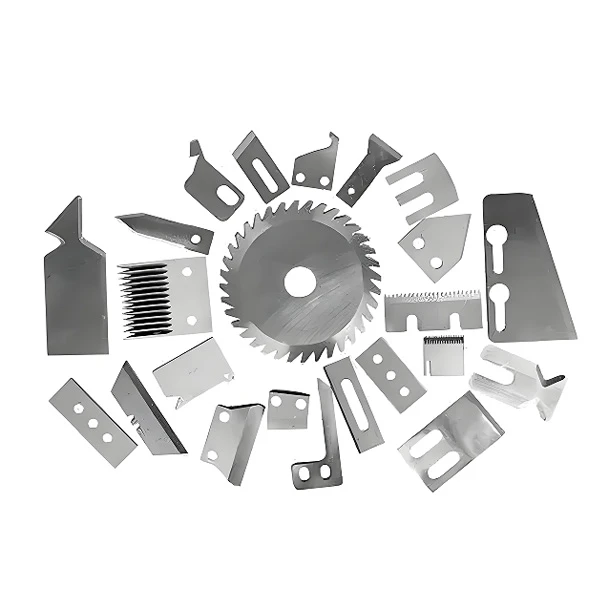
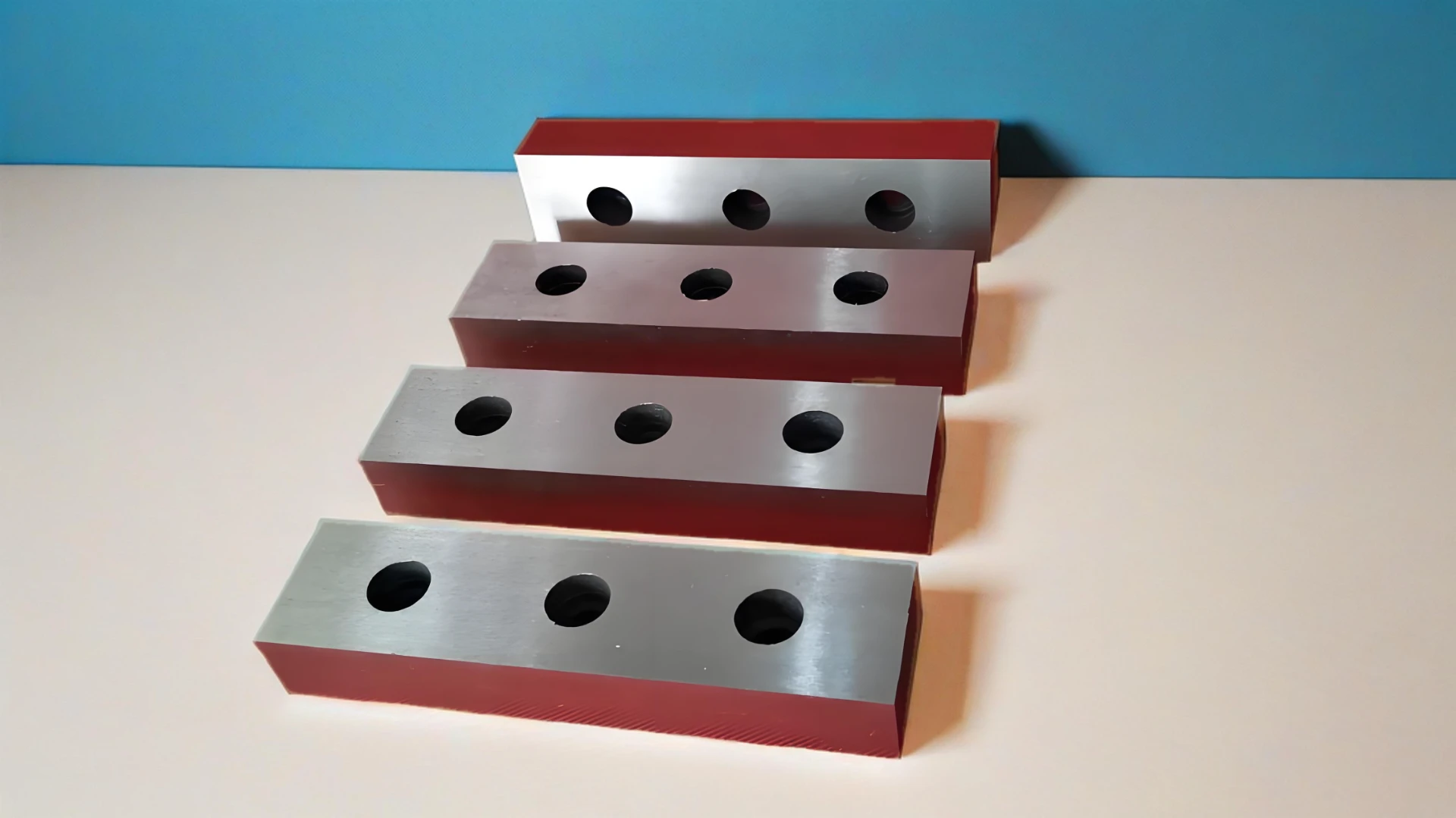
Standard blades often fall short when dealing with non-standard materials or extreme production speeds. Customizing your rolling shear blade allows for precise adjustments to the bevel angle and surface finish. A mirrored finish on the blade face, for example, reduces friction and prevents material adhesion. When ordering custom blades, providing exact specifications regarding the hardness (HRC) and the tolerance levels is critical for ensuring a "drop-in" fit that requires minimal calibration.
Maintenance and Regrinding Strategies
No blade lasts forever, but a structured maintenance plan can significantly delay replacement. The key to maintaining a rolling shear blade is timely regrinding. When the edge begins to round off, the cutting force increases, leading to higher energy consumption and potential machine strain. Professional regrinding restores the original geometry without compromising the structural integrity of the tool. It is recommended to rotate blades in a set to ensure that wear is distributed evenly across all units, preventing a single blade from becoming the "weak link" in the assembly.
Maintenance Checklist:
• Weekly inspection for micro-chipping on the cutting edge
• Monthly verification of blade-to-blade clearance
• Daily check of lubrication flow and quality
• Scheduled rotation of blade sets to equalize wear
Common Challenges in Rolling Shearing Operations
Even with a premium rolling shear blade, operators often face challenges such as "edge curl" or uneven burrs. These issues are typically symptoms of a mismatch between the blade's rake angle and the material's ductility. For softer materials, a sharper angle is required to slice through the metal, whereas harder materials necessitate a more robust, blunt edge to prevent chipping. Addressing these challenges requires a symbiotic relationship between the machine operator and the blade manufacturer to fine-tune the tooling based on real-world performance data.
Conclusion: Enhancing Productivity with Precision Blades
Choosing the right rolling shear blade is not just about buying a piece of steel; it is about investing in the efficiency and quality of your entire production line. By selecting the appropriate material, adhering to strict maintenance schedules, and optimizing technical specifications, companies can drastically reduce operational costs and improve product consistency. Whether you require standard replacements or highly engineered custom solutions, prioritizing blade quality is the fastest path to industrial excellence. Trust in precision, and your production will follow.
Frequently Asked Questions (FAQs)
How often should a rolling shear blade be reground?
The frequency of regrinding depends on the material hardness and the volume of production. Generally, when you notice an increase in burr height or a visible degradation in the cut surface, it is time for a regrind. In high-volume environments, many facilities set a tonnage limit or a specific number of operating hours before scheduling maintenance. Ignoring these signs can lead to premature blade failure or damage to the machine's drive system. Regular intervals prevent deep wear, meaning the blade can be reground more times before needing complete replacement.
What causes premature chipping in rolling shear blades?
Premature chipping is usually caused by a mismatch between the blade's hardness and the material's toughness, or by foreign objects entering the shear. If a blade is overly hardened for the application, it becomes brittle and cannot absorb the impact of the cut. Additionally, improper clearance settings can cause the blades to "clash" or exert uneven pressure, creating stress points that lead to fractures. Ensuring that the material is free of contaminants and that the blade is correctly seated is essential to preventing this issue.
Can I use the same blade for different types of metal?
While it is technically possible, it is not recommended. Different metals—such as aluminum, stainless steel, and carbon steel—have vastly different shearing characteristics. A blade optimized for aluminum will dull almost instantly if used on stainless steel due to the latter's higher hardness and work-hardening properties. Conversely, a blade designed for heavy steel may be too "blunt" for thin aluminum, resulting in deformation rather than a clean cut. For maximum efficiency, we recommend using dedicated rolling shear blades tailored to each specific material.
How do I choose the correct clearance for my shear blades?
Clearance is typically a percentage of the material thickness. For most industrial applications, the ideal clearance ranges from 5% to 15% of the thickness of the material being cut. If the clearance is too tight, you risk excessive wear and heat build-up; if it is too wide, the material will fold or "draw" into the gap, creating a heavy burr. The exact setting should be determined based on the material's shear strength and the specific geometry of the blade. Consulting with technical experts at MechBlades can help you find the perfect setting for your specific setup.