Understanding the Power of a Circular Shear
In the realm of metal fabrication and processing, the efficiency and precision of cutting tools are paramount. A circular shear stands out as a critical piece of equipment, offering a unique solution for high-speed, clean cuts. This article delves into the mechanics, applications, advantages, and considerations when choosing a circular shear. We'll explore how this technology enhances productivity and improves the quality of finished products. Whether you're involved in steel processing, sheet metal fabrication, or similar industries, understanding circular shears is vital for optimizing your operations.
How Does a Circular Shear Work?
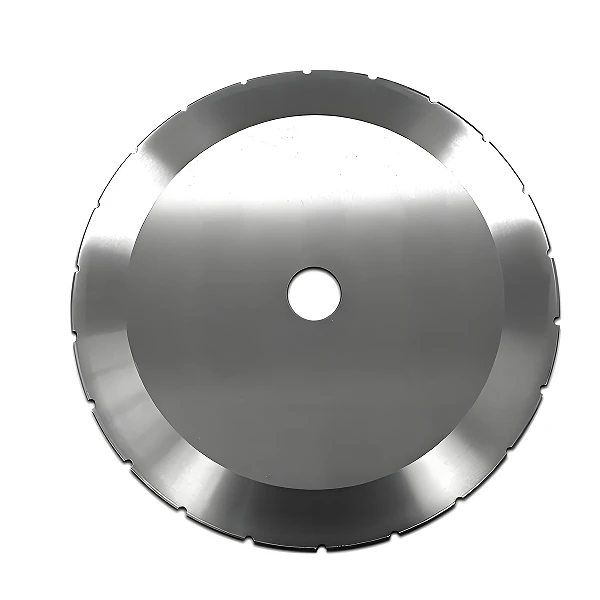
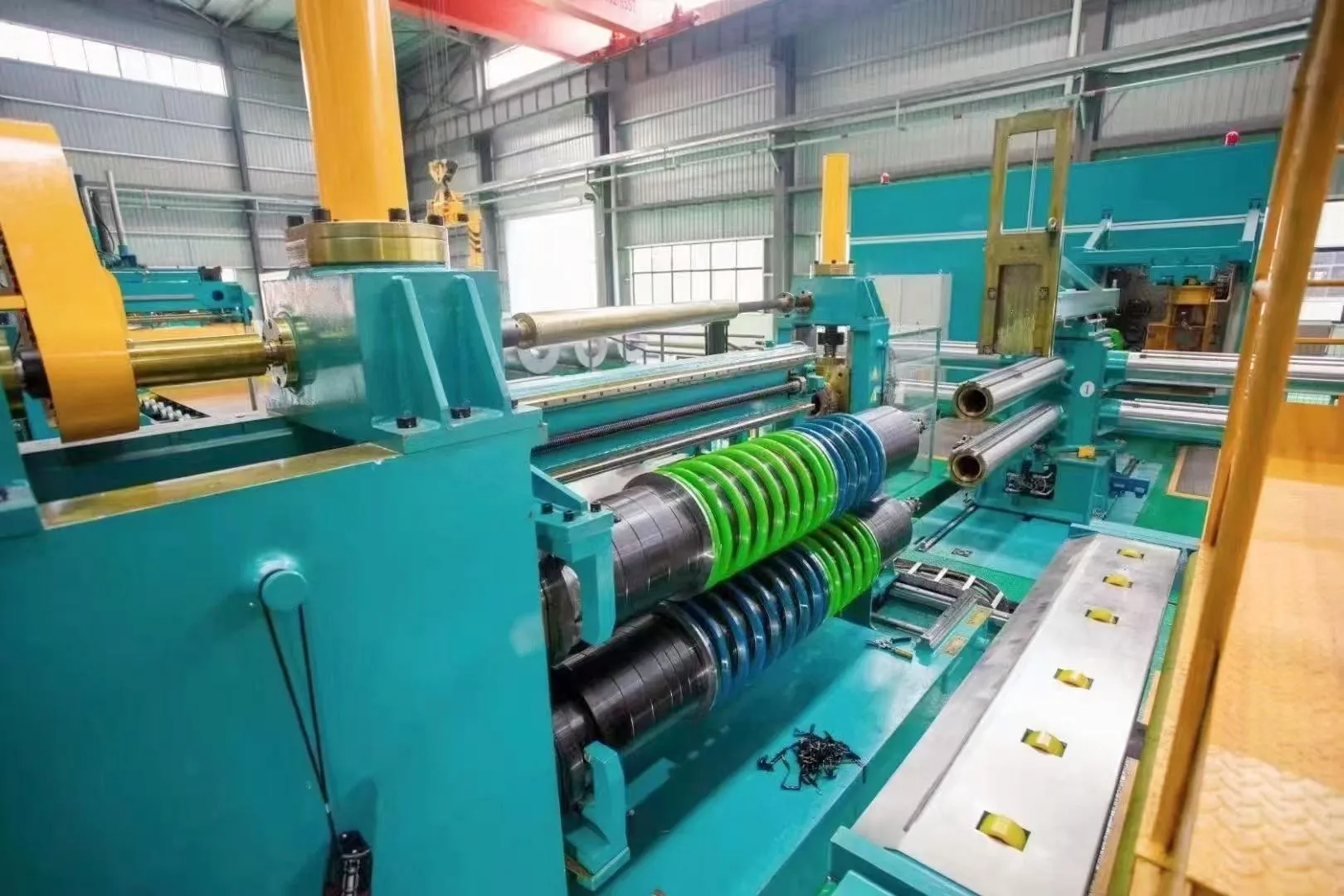
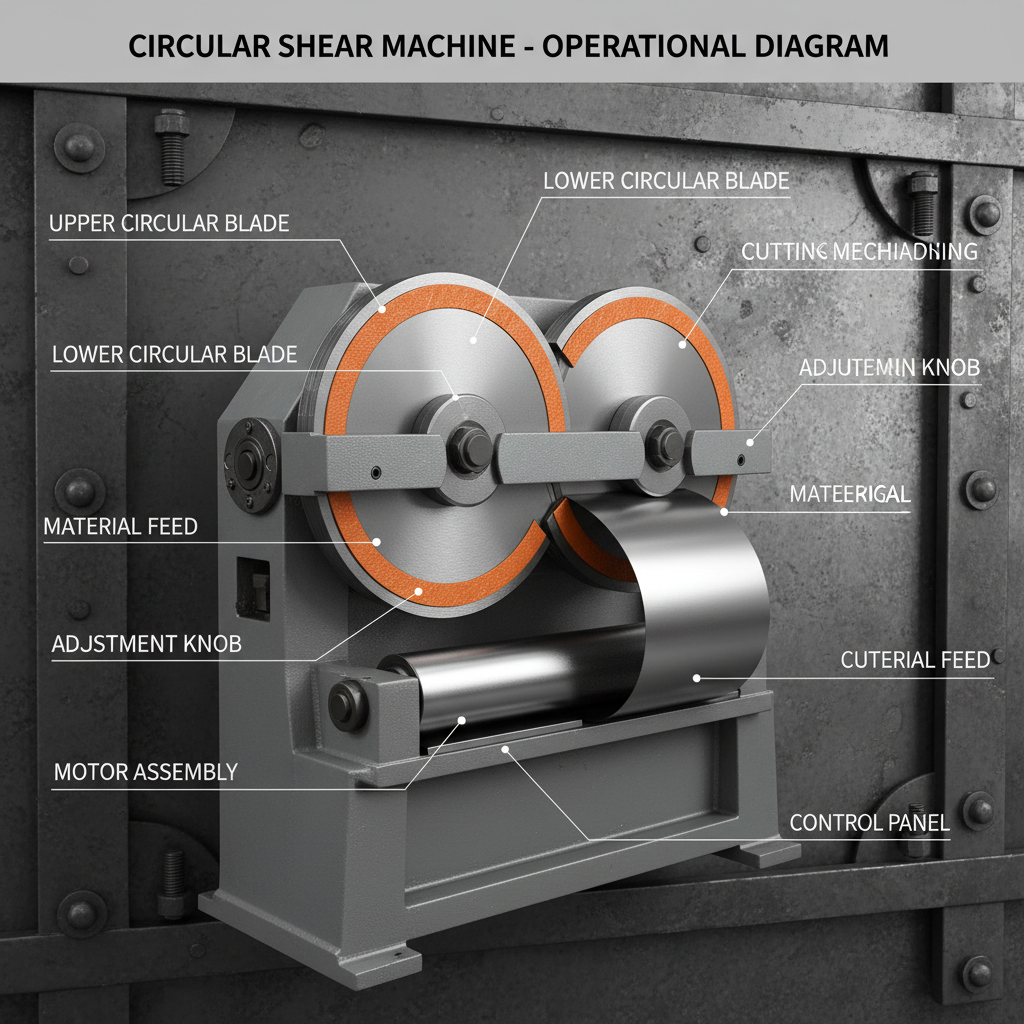
A circular shear, also known as a rotary shear, utilizes a rotating circular blade to shear metal sheets. Unlike traditional guillotine shears that rely on a descending blade, a circular shear employs a continuous cutting action. The metal sheet is fed between a fixed anvil and the rotating blade, resulting in a clean, burr-free cut. This process is particularly effective for producing straight cuts in various metal types and thicknesses. The continuous motion allows for higher throughput compared to other shearing methods, making it ideal for large-scale production runs. Proper alignment and blade sharpness are critical for achieving consistent and accurate cuts.
Key Benefit: The continuous cutting action of a circular shear delivers faster processing times and cleaner cuts, minimizing material waste and secondary finishing operations.
Applications of Circular Shears Across Industries
The versatility of circular shears makes them indispensable in numerous industries. In the steel processing sector, they are used for slitting coils and producing sheets of specific dimensions. Sheet metal fabrication relies on circular shears for efficient cutting of raw materials for various products, including automotive parts, appliances, and construction materials. The HVAC industry utilizes them for cutting ductwork and other components. Furthermore, industries such as aerospace and shipbuilding benefit from the precision and speed offered by circular shears. The ability to handle diverse metal types – from mild steel to stainless steel and aluminum – further expands their application range.
Industry Applications:
• Steel Processing
• Sheet Metal Fabrication
• HVAC Systems
• Automotive Manufacturing
The Advantages of Using a Circular Shear
Compared to other metal cutting techniques, circular shears offer several distinct advantages. Their high-speed operation significantly increases production throughput. The resulting cuts are remarkably clean and free of burrs, reducing the need for secondary finishing processes. Circular shears also exhibit excellent material utilization, minimizing waste. Moreover, they can handle a wide range of metal thicknesses and types with relative ease. Investing in a quality circular shear from a reputable manufacturer, like Mechblades, translates to long-term cost savings and improved product quality.
Selecting the Right Circular Shear: Key Considerations
Choosing the appropriate circular shear involves careful consideration of several factors. First, assess the types and thicknesses of metal you'll be processing. The shear's capacity should align with your material requirements. Second, determine the required production volume. Higher volumes necessitate a more robust and automated shear. Third, consider the available space and power supply. Finally, prioritize safety features, such as blade guards and emergency stops. Partnering with a trusted supplier like Mechblades ensures you receive expert guidance and a quality machine tailored to your specific needs.
Maintenance and Safety for Prolonged Performance
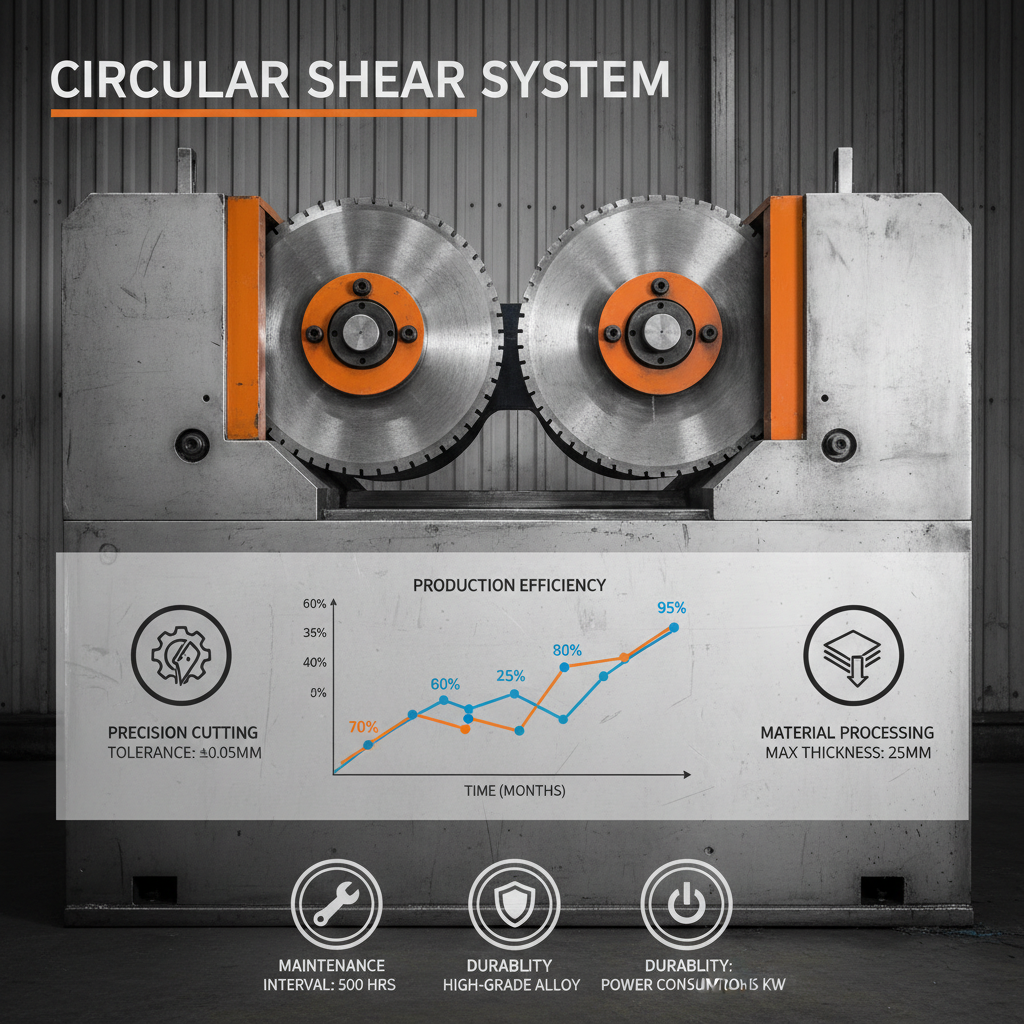
Regular maintenance is crucial for ensuring the longevity and optimal performance of your circular shear. This includes frequent blade sharpening or replacement, lubrication of moving parts, and regular inspection for wear and tear. Always adhere to the manufacturer's safety guidelines. Proper training for operators is essential to prevent accidents. Wear appropriate personal protective equipment (PPE), such as safety glasses and gloves, when operating or maintaining the machine. A well-maintained and safely operated circular shear will deliver years of reliable service and contribute significantly to your production efficiency.
Conclusion: Investing in Precision with a Circular Shear
The circular shear is a powerful tool for metal fabrication, offering speed, precision, and efficiency. By understanding its mechanics, applications, and maintenance requirements, you can maximize its value and optimize your production processes. Choosing a reliable supplier and prioritizing safety are crucial for long-term success. A circular shear isn't just a machine – it's an investment in quality and productivity.
Frequently Asked Questions (FAQs)
What types of metal can a circular shear cut?
Circular shears are incredibly versatile and can cut a wide range of metals, including mild steel, stainless steel, aluminum, copper, and brass. The specific metal type and thickness will determine the required blade material and shear capacity. Always consult the manufacturer's specifications to ensure compatibility. For harder metals, specialized blade materials like high-speed steel or tungsten carbide may be necessary to maintain cutting performance and blade life.
How often should the blades on a circular shear be sharpened or replaced?
The frequency of blade sharpening or replacement depends on the volume of material cut, the type of metal, and the quality of the blades. As a general guideline, blades should be inspected regularly for wear and tear. Dull blades result in rough cuts, increased power consumption, and potential damage to the machine. Sharpening is typically recommended when you notice a decrease in cut quality or an increase in cutting force. Eventually, blades will wear down and need replacement.
What safety features should I look for in a circular shear?
Safety is paramount when operating a circular shear. Essential safety features include a robust blade guard to prevent accidental contact with the rotating blade, an emergency stop button for immediate shutdown, and a secure clamping system to hold the material in place during cutting. Additionally, look for features like light curtains or safety sensors that automatically stop the machine if an obstruction is detected. Proper training and adherence to safety procedures are also crucial.