Choosing the Right Food Processing Blade for Your Needs
In the food processing industry, precision, hygiene, and efficiency are paramount. A critical component enabling these aspects is the food processing blade. Selecting the correct blade directly impacts product quality, processing speed, and overall operational costs. This article will explore the various types of food processing blades, materials, applications, and factors to consider when making a purchase. We'll delve into how choosing the right blade can streamline your processes and ensure food safety standards are met.
Types of Food Processing Blades
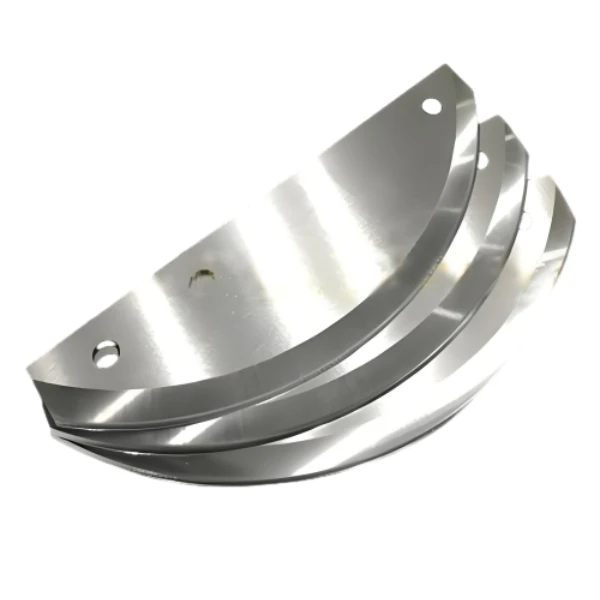
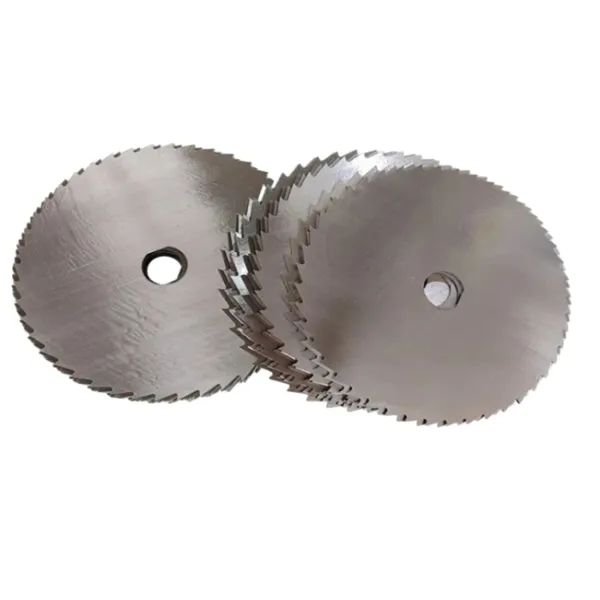
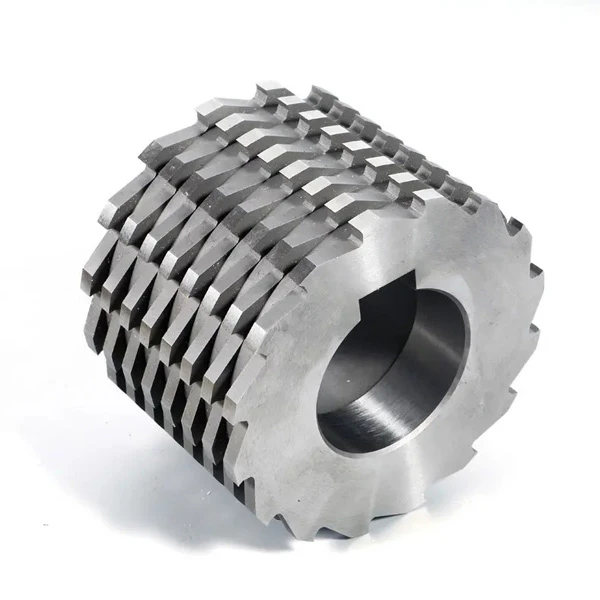
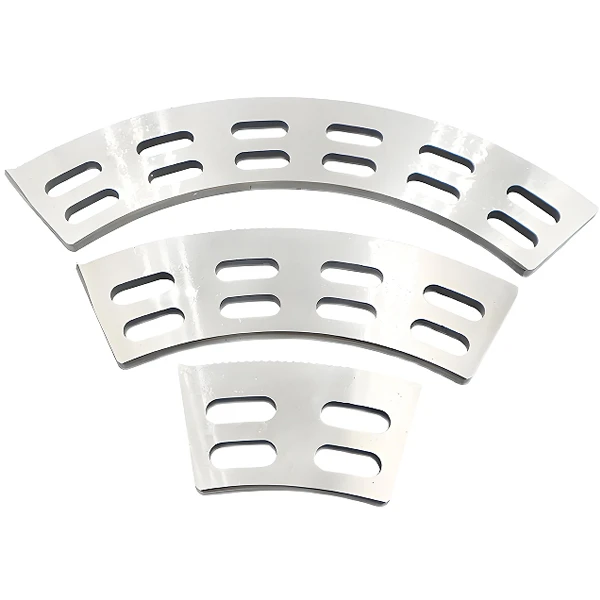
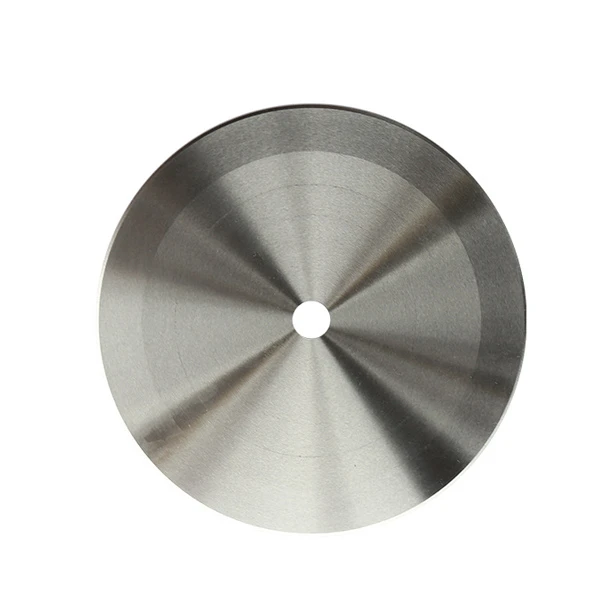
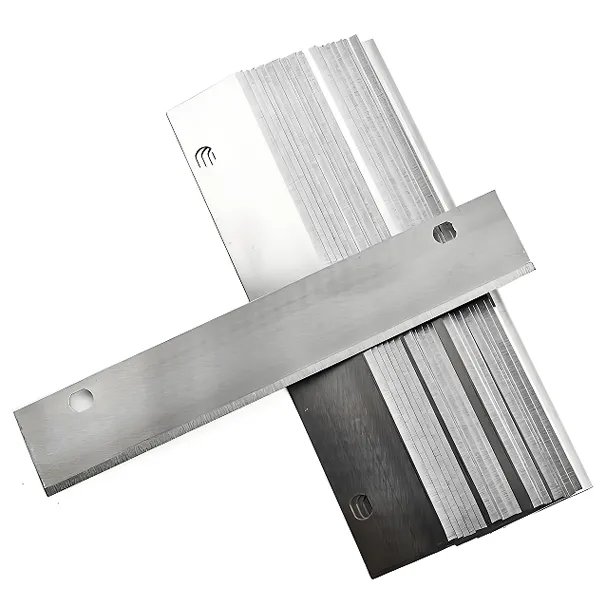
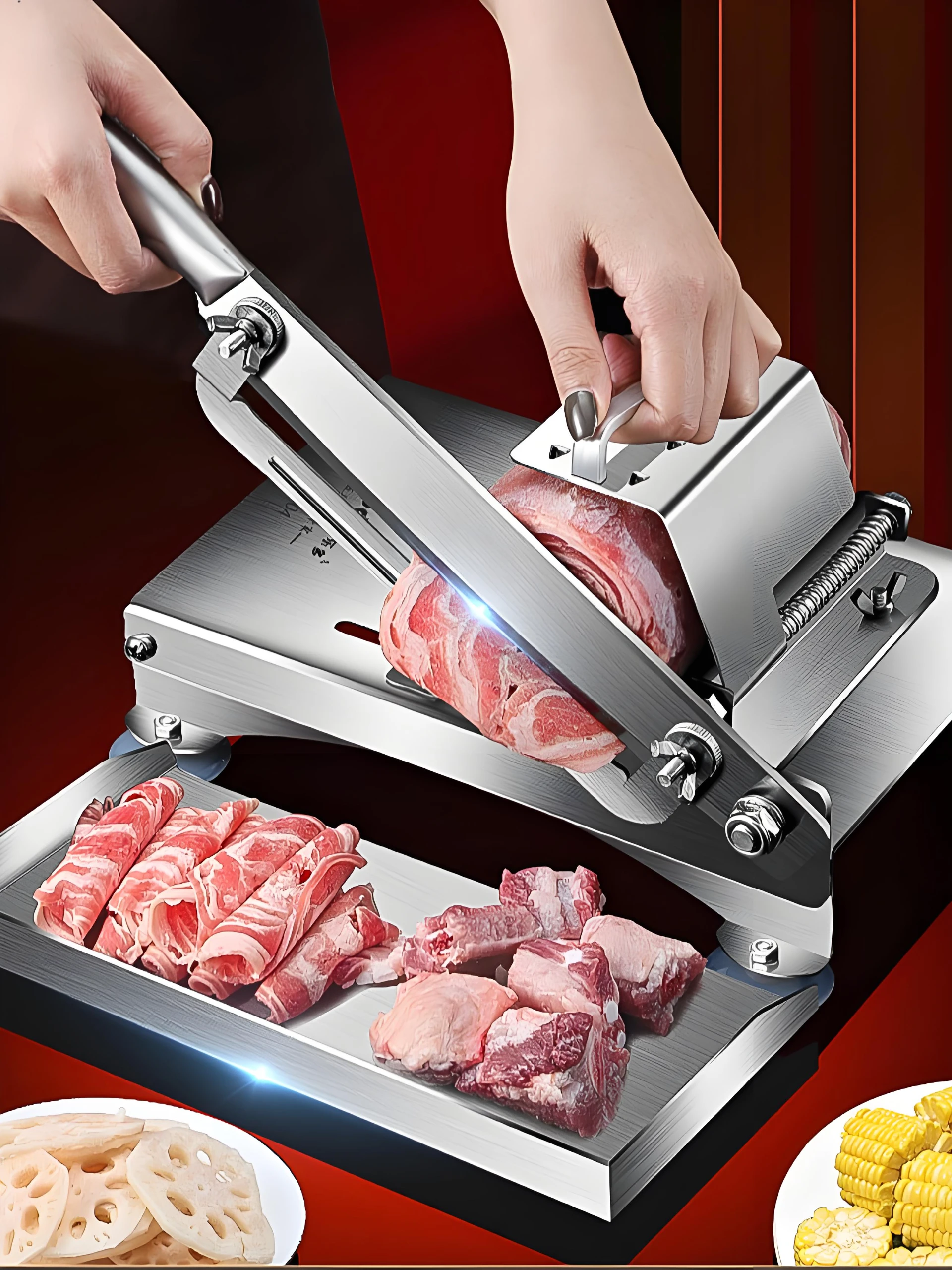
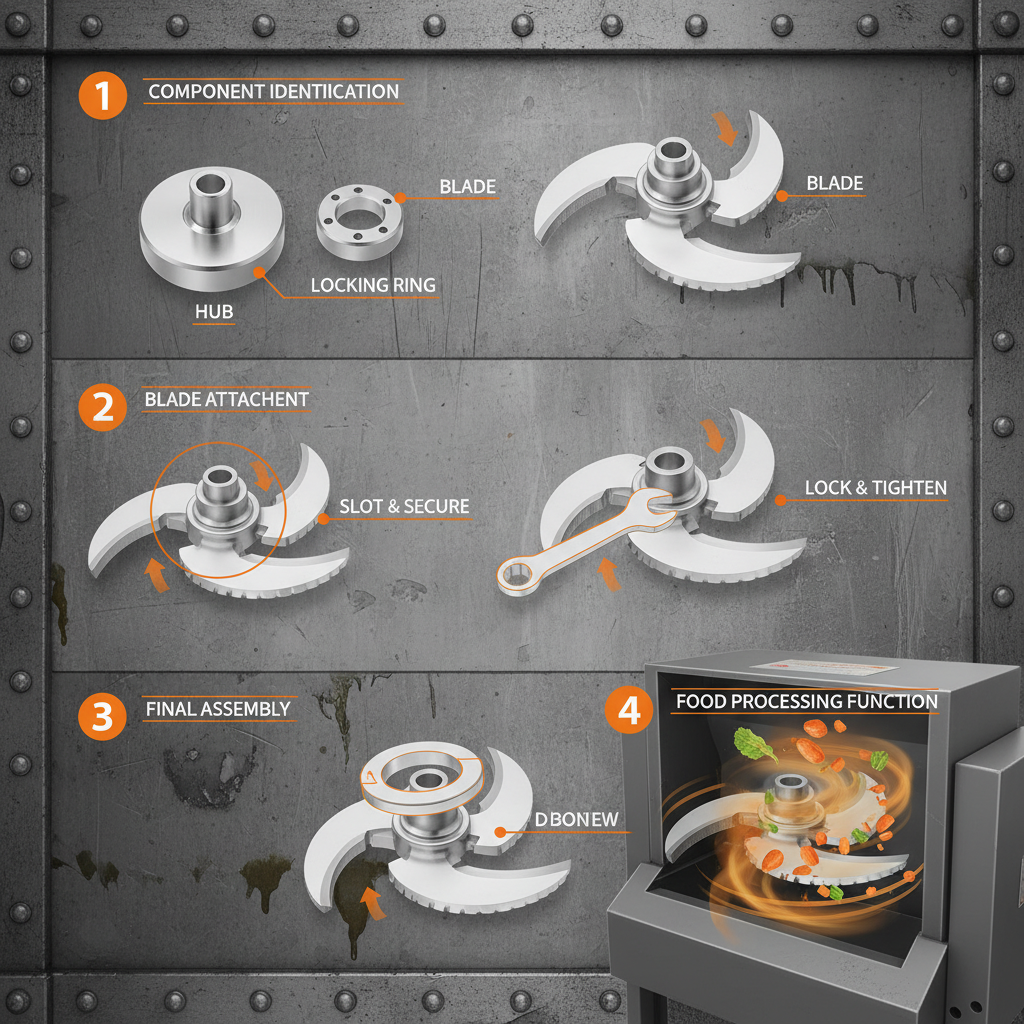
Food processing blades come in a diverse range of designs, each suited for specific tasks. Common types include slicing blades, dicing blades, chopping blades, and mincing blades. Slicing blades are designed for creating uniform slices of meat, vegetables, or cheese. Dicing blades produce cubed products, ideal for salads and prepared meals. Chopping blades are versatile, capable of handling a variety of ingredients. Mincing blades reduce food to a very fine consistency, perfect for ground meats or pates. The choice of blade depends entirely on the desired end product and the characteristics of the food being processed.
Key Takeaway: Understanding the different blade types is the first step in optimizing your food processing operations. Consider the product you're creating and choose the blade designed for that specific purpose.
Materials Used in Food Processing Blades
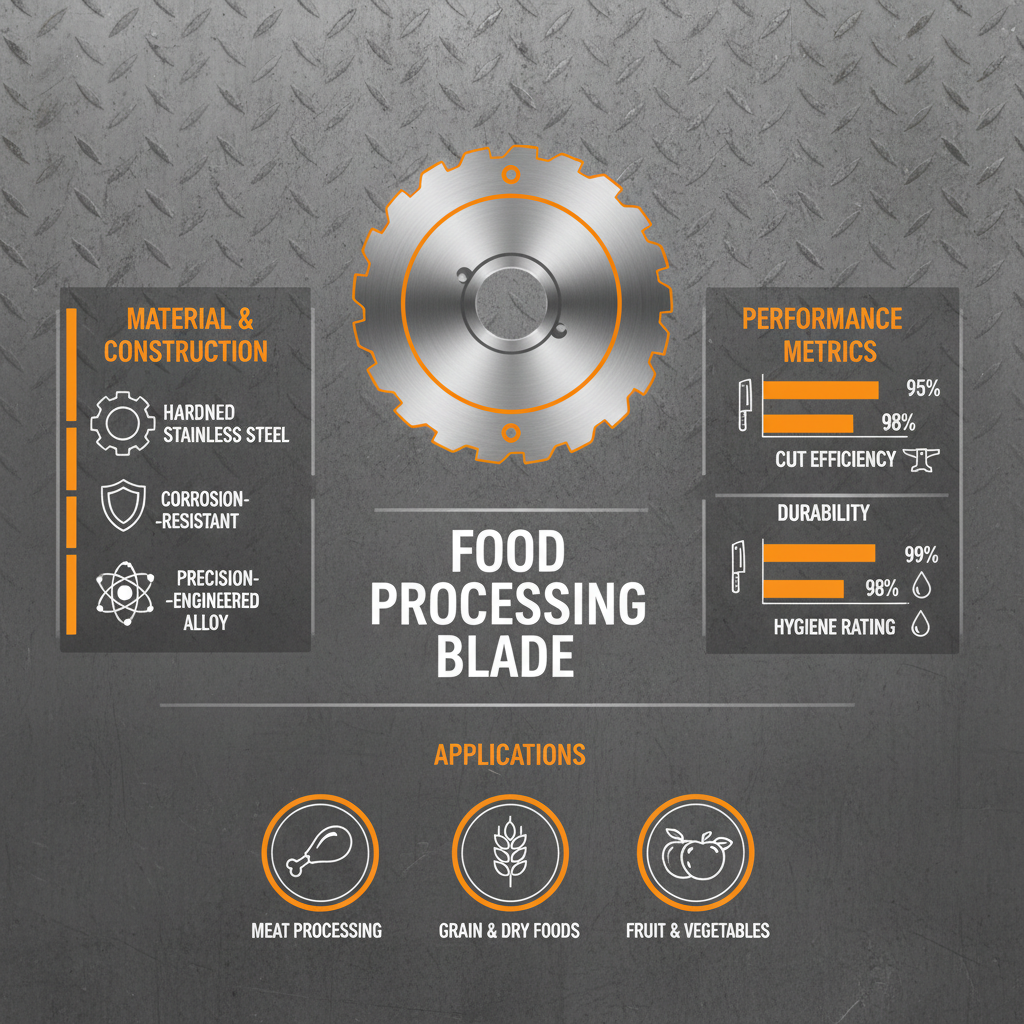
The material of a food processing blade is critical for ensuring both safety and performance. Stainless steel is the most commonly used material due to its corrosion resistance, durability, and ease of sanitation. Different grades of stainless steel are available, with higher grades offering increased resistance to harsh environments and maintaining a sharper edge for longer. Other materials, like high-carbon steel, are sometimes used for specific applications but require careful maintenance to prevent rust. Choosing the appropriate material ensures the blade won’t contaminate food and can withstand the rigors of continuous use.
Material Considerations:
• Stainless Steel: Corrosion resistant, durable, hygienic.
• High-Carbon Steel: Exceptional sharpness, requires regular maintenance.
• Ceramic: Extremely sharp, resistant to corrosion, brittle.
Comparing Common Blade Materials
Selecting the right blade material involves weighing the pros and cons of each option. Here’s a comparison of three popular materials to help you make an informed decision:
Applications of Different Food Processing Blades
The food processing industry is incredibly diverse, and different blades are required for various applications. For instance, meat processing often utilizes reciprocating blades for portioning and trimming. Fruit and vegetable processing relies heavily on slicing and dicing blades for creating salads, pre-cut ingredients, and frozen products. Bakery applications may require specialized blades for dough cutting and pastry shaping. Understanding these specific needs is crucial when selecting the right blade. You can explore a wide selection of specialized blades at Mechblades.
Factors to Consider When Purchasing
When investing in food processing blades, consider factors beyond just the material and type. Blade sharpness, durability, ease of cleaning and sanitization, and compatibility with your existing equipment are all vital. Additionally, consider the manufacturer's reputation for quality and customer support. Investing in high-quality blades may have a higher upfront cost, but it can lead to significant savings in the long run through reduced downtime, improved product quality, and increased efficiency.
Conclusion: Selecting the Right Blade for Optimal Performance
Choosing the right food processing blade is an investment in your operation’s efficiency, product quality, and safety. By carefully considering the type of blade, material, and application, you can ensure optimal performance and long-term value. Mechblades offers a comprehensive range of high-quality blades to meet your specific needs.
Frequently Asked Questions (FAQs)
How often should I replace my food processing blades?
Blade replacement frequency depends on usage and the type of food being processed. Regularly inspect blades for signs of dullness, chipping, or corrosion. As a general guideline, blades used for hard or abrasive materials will need replacing more often than those used for softer products. Dull blades can compromise product quality and increase the risk of accidents. Typically, blades are replaced every 6-12 months with heavy use, but consistent monitoring is key.
What is the best way to clean and sanitize food processing blades?
Proper cleaning and sanitization are crucial for maintaining food safety. Immediately after use, remove any food residue with a warm water and detergent solution. Rinse thoroughly and sanitize using an approved food-grade sanitizer. Follow the manufacturer's instructions for sanitizer concentration and contact time. Some blades may be dishwasher safe, but it's always best to check the product specifications. Always ensure blades are completely dry before storing to prevent corrosion.
Are all food processing blades interchangeable?
No, not all food processing blades are interchangeable. Blade designs and mounting systems vary depending on the equipment manufacturer. Using an incorrect blade can damage your equipment and compromise safety. Always verify that the blade is specifically designed for your machine before installation. Mechblades provides compatibility information for many common food processing machines.
Where can I find high-quality food processing blades?
Mechblades offers a wide selection of high-quality food processing blades, manufactured to strict standards. We provide blades for various applications, including slicing, dicing, chopping, and mincing. Our team can assist you in selecting the right blade for your specific needs and equipment. We also offer custom blade manufacturing services for specialized applications.