Choosing the Right Rotary Clipper Blade: A Comprehensive Guide
Selecting the correct rotary clipper blade is crucial for achieving a precise and efficient cut. Whether you're a professional barber, groomer, or simply maintain your own hair, understanding the different types, materials, and sizes available can significantly impact your results. This article will provide a detailed overview of rotary clipper blades, helping you make an informed decision. We'll explore factors like blade material, tooth configuration, and compatibility to ensure you find the perfect blade for your needs.
Understanding Rotary Clipper Blades
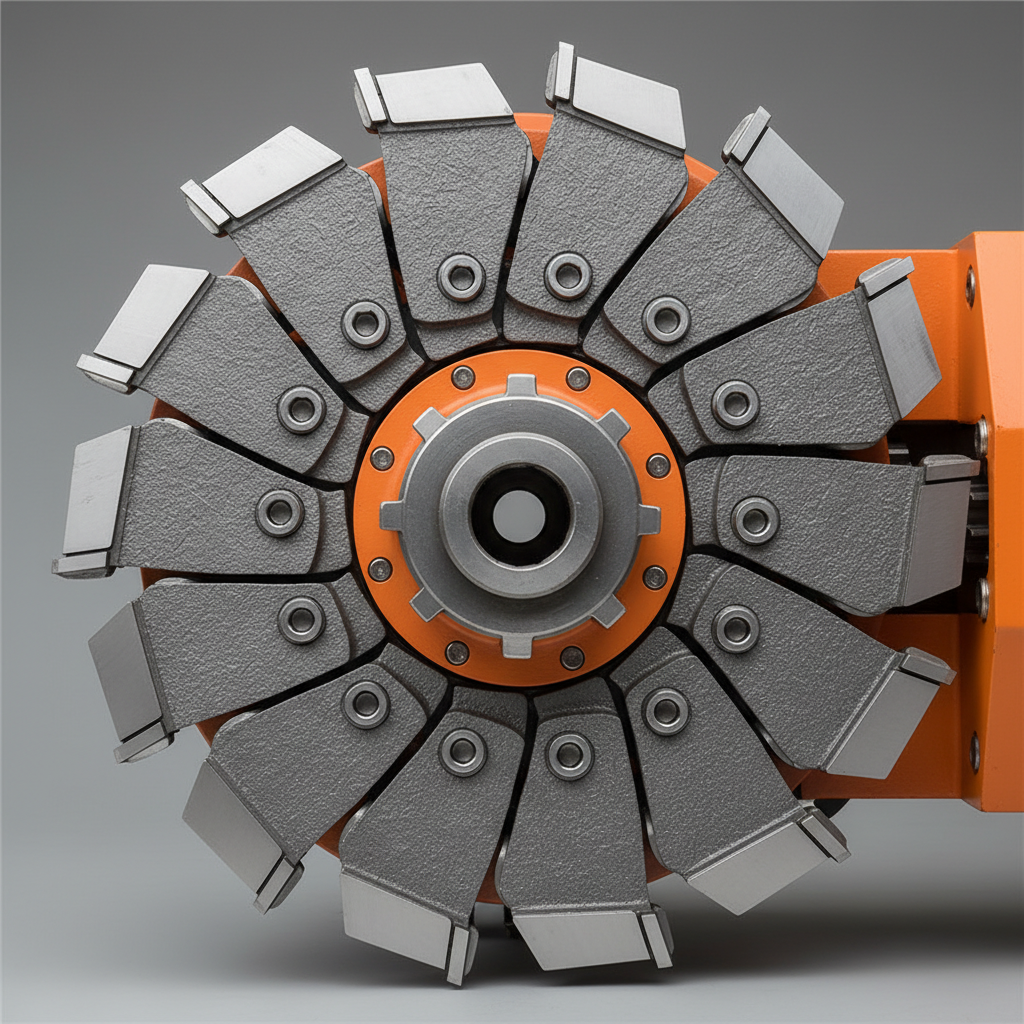
Rotary clipper blades operate using a reciprocating motion, powered by a rotary motor. This creates a fast and consistent cutting action. Unlike traditional lever-style clippers, rotary clippers typically feature a range of magnetic attachment guards to achieve different hair lengths. The blade itself is the heart of the clipper, and its quality and design directly impact performance. Factors to consider include the blade's material (stainless steel, carbon steel, ceramic), tooth configuration (standard, taper, skip tooth), and overall sharpness. A dull or poorly designed blade can lead to snagging, pulling, and an uneven cut. Exploring MechBlades' selection can provide a great starting point for understanding available options.
Key Takeaway: The blade is the critical component of a rotary clipper, and choosing the right one is essential for achieving professional-quality results.
Blade Materials: Stainless Steel vs. Ceramic
Two primary materials are used in rotary clipper blades: stainless steel and ceramic. Stainless steel blades are known for their durability and affordability. They are capable of holding a sharp edge for a reasonable amount of time and can withstand heavy use. However, they can rust if not properly maintained. Ceramic blades, on the other hand, are significantly harder and stay cooler during operation. This reduced heat buildup makes them ideal for faster cutting and can be gentler on the scalp. Ceramic blades also resist rust and corrosion. However, they are more brittle than stainless steel and can chip or break if dropped.
Material Comparison:
• Stainless Steel: Durable, affordable, prone to rust.
• Ceramic: Stays cool, resists rust, more brittle.
Choosing the Right Rotary Clipper Blade for Your Hair Type
The ideal blade for you depends on your hair type and desired style. For thick, coarse hair, a blade with a larger tooth gap and robust material (like stainless steel) is recommended. For fine or thin hair, a blade with a smaller tooth gap and a sharper edge (ceramic or high-quality stainless steel) will provide a cleaner cut. Different tooth configurations also play a role. Standard blades are versatile for all-around cutting. Taper blades are designed for creating fades and tapers, featuring a gradually decreasing tooth length. Skip tooth blades have fewer teeth, allowing for faster cutting and reduced clogging when working with thick hair. Explore the range available at MechBlades to find options tailored to your specific hair needs.
Blade Maintenance & Longevity
Proper maintenance is essential for extending the life of your rotary clipper blade. Regularly clean the blade after each use to remove hair and debris. Lubricate the blade with clipper oil to reduce friction and prevent rust. Avoid dropping the blade or exposing it to extreme temperatures. If you notice the blade becoming dull, consider sharpening it or replacing it. A sharp blade will not only provide a better cut but also reduce strain on the clipper motor.
Conclusion: Invest in Quality for Optimal Results
Choosing the right rotary clipper blade is a vital investment for anyone seeking professional-quality haircuts.
Consider your hair type, desired style, and budget when making your selection. Don't hesitate to explore the comprehensive range of blades available at MechBlades to find the perfect fit. With proper care and maintenance, a high-quality blade will provide years of reliable performance and consistently excellent results.
Frequently Asked Questions (FAQs)
How often should I replace my rotary clipper blade?
The replacement frequency depends on usage and blade material. Generally, a stainless steel blade should be replaced every 6-12 months with regular use. Ceramic blades can last longer, potentially up to 18-24 months, but are more susceptible to chipping. Replace the blade immediately if you notice it becoming dull, causing snagging, or producing an uneven cut. Listen to your clipper; increased noise or vibration can indicate a worn blade. Maintaining a sharp blade enhances performance and prevents damage to the clipper motor.
Can I sharpen a rotary clipper blade?
Yes, many rotary clipper blades can be sharpened, particularly stainless steel blades. However, sharpening requires specialized tools and expertise. Improper sharpening can damage the blade and affect its performance. It's generally recommended to have blades professionally sharpened or to purchase new blades when they become dull. Ceramic blades are more difficult to sharpen and often require specialized ceramic sharpening stones.
What is the difference between a taper and a standard blade?
A standard blade has teeth of equal length across its surface, providing a consistent cutting length. A taper blade, however, has teeth that gradually decrease in length from the entrance to the exit. This creates a tapered effect, ideal for blending and creating fades. Taper blades are essential for barbering and grooming styles that require smooth transitions between different hair lengths. The tapered design allows for precise control and seamless blending.
How do I properly lubricate a rotary clipper blade?
Proper lubrication is critical for maintaining blade performance and longevity. After cleaning the blade, apply 2-3 drops of clipper oil along the sides and teeth of the blade. Turn the clipper on for a few seconds to distribute the oil evenly. Wipe away any excess oil with a clean cloth. Avoid using excessive oil, as it can attract dirt and debris. Regular lubrication (after each use or every few haircuts) will ensure smooth operation and prevent rust.