Understanding Agitator Blades: A Comprehensive Guide
Agitator blades are critical components in a wide array of industrial processes, playing a key role in mixing, blending, and suspending materials. Choosing the right agitator blade is essential for optimizing performance and ensuring efficient operation. At Mechblades, we specialize in providing high-quality agitator blades tailored to diverse applications. This article will delve into the types of agitator blades, their applications, factors to consider when selecting a blade, and the benefits of choosing Mechblades. Understanding these aspects will empower you to make informed decisions for your specific needs.
Types of Agitator Blades
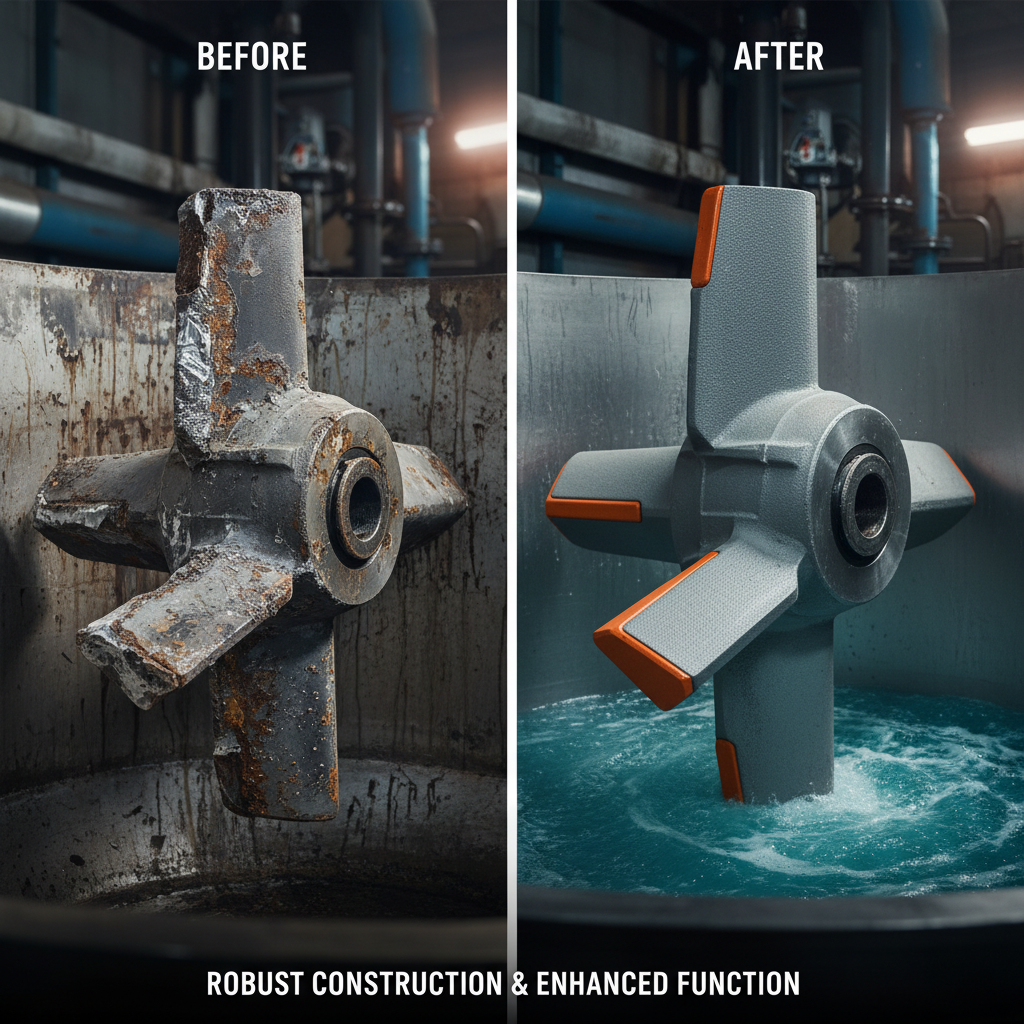
There's a diverse range of agitator blades available, each designed for specific applications. Common types include axial flow impellers, radial flow impellers, and mixed flow impellers. Axial flow impellers, like pitched blade turbines, generate flow primarily in the vertical direction, suitable for blending and suspension. Radial flow impellers, such as Rushton turbines, create flow in a horizontal plane, ideal for gas dispersion and emulsification. Mixed flow impellers combine characteristics of both axial and radial flow. The selection depends heavily on the process requirements and the properties of the fluid being agitated. Mechblades offers a comprehensive catalog encompassing all these types.
Key Highlights: Mechblades provides custom agitator blade solutions, catering to unique specifications and challenging applications, ensuring optimal mixing efficiency.
Selecting the Right Agitator Blade
Choosing the correct agitator blade involves considering several factors. These include the fluid viscosity, tank geometry, desired mixing intensity, and the presence of solids. High viscosity fluids require blades that generate higher shear rates, while large tanks may necessitate multiple impellers. The power number, a dimensionless quantity, characterizes the power consumption of an impeller. Understanding these parameters is crucial for optimal performance. At Mechblades, our engineers can assist you in selecting the most appropriate blade for your specific application.
Key Considerations:
• Fluid Viscosity
• Tank Geometry
• Mixing Intensity
• Presence of Solids
Agitator Blade Performance Comparison
Different agitator blade designs exhibit varying performance characteristics. Comparing these characteristics helps in choosing the optimal solution. The table below provides a comparative overview of commonly used blades:
The Mechblades Advantage
At Mechblades, we are committed to providing our customers with the highest quality agitator blades. We utilize advanced manufacturing techniques and premium materials to ensure durability and performance. Our team of experienced engineers offers custom design and fabrication services to meet your specific requirements. We also pride ourselves on fast turnaround times and competitive pricing. We serve industries including chemical processing, pharmaceuticals, food and beverage, and wastewater treatment.
Materials and Construction of Agitator Blades
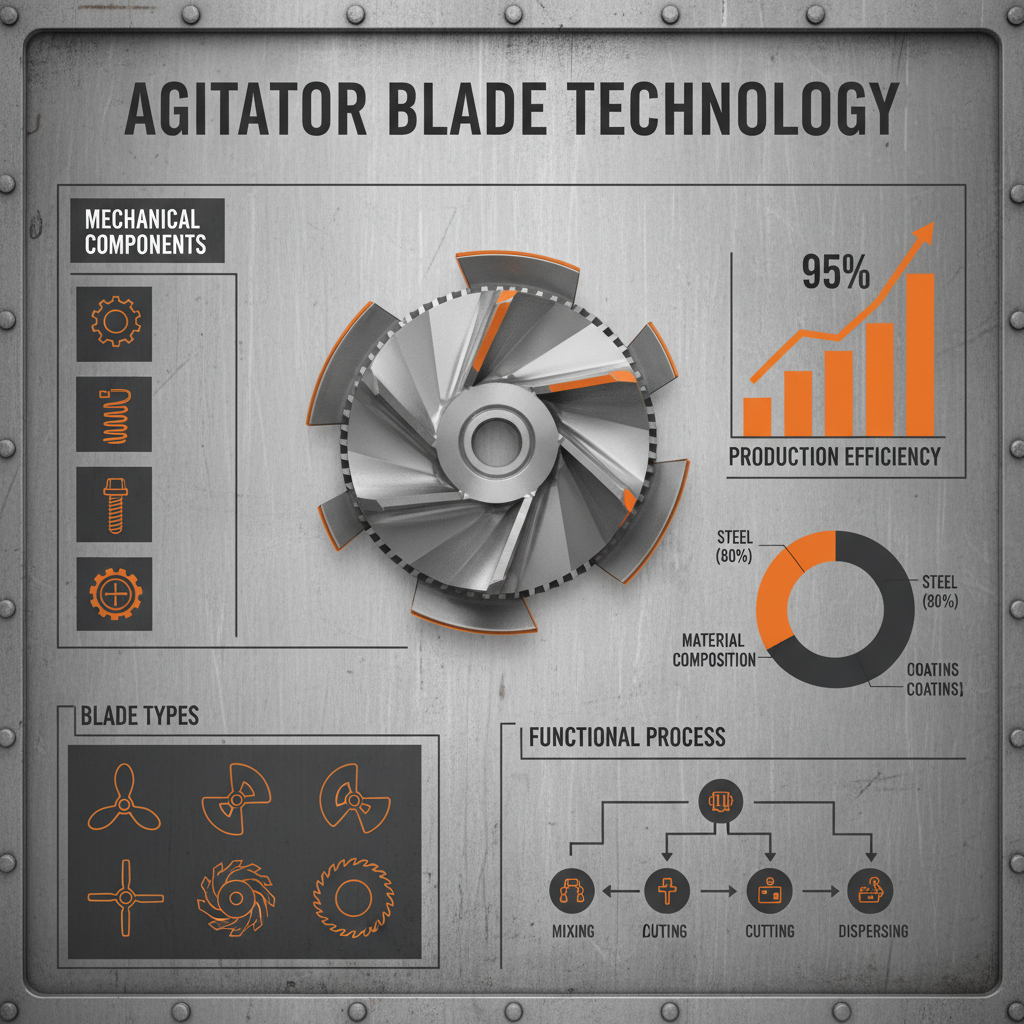
The material selection for agitator blades significantly impacts their performance and lifespan. Common materials include stainless steel (304, 316), carbon steel, and specialized alloys. Stainless steel is favored for its corrosion resistance and suitability for hygienic applications. Carbon steel offers high strength but requires protective coatings to prevent corrosion. The construction method, whether it’s welded or cast, also influences the blade's structural integrity. Mechblades provides blades constructed from a wide range of materials, tailored to the specific fluid and operating environment.
Conclusion: Optimizing Your Process with the Right Agitator Blade
Choosing the right agitator blade is paramount to achieving optimal mixing efficiency and process performance. Mechblades offers a comprehensive range of high-quality blades, custom design services, and expert support to ensure you find the perfect solution for your application. Contact us today to discuss your specific needs.
Frequently Asked Questions (FAQs)
What is the typical lifespan of an agitator blade?
The lifespan of an agitator blade depends heavily on factors like the fluid being agitated, the operating conditions (temperature, pressure), and the materials of construction. With regular inspection and maintenance, a properly selected and constructed blade can last for several years. However, signs of wear, corrosion, or fatigue warrant immediate replacement. Blades used in abrasive or corrosive environments will typically have a shorter lifespan. Mechblades offers materials specifically designed for challenging environments to extend blade life.
What maintenance is required for agitator blades?
Regular maintenance is crucial for ensuring optimal performance and extending the lifespan of your agitator blades. This includes visual inspection for cracks, erosion, or corrosion; checking for tightness of mounting hardware; and cleaning to remove buildup. In some cases, minor repairs, such as welding small cracks, may be possible. However, it’s generally recommended to replace blades that show significant wear or damage. Mechblades can provide guidance on preventative maintenance schedules and blade inspection procedures.
Can Mechblades create custom agitator blades?
Yes, Mechblades specializes in custom agitator blade design and fabrication. We work closely with our clients to understand their specific application requirements and develop a blade that optimizes performance. This includes tailoring the blade geometry, materials, and dimensions to meet unique needs. We utilize advanced modeling and simulation tools to ensure the blade design is effective and reliable.
What materials are best for corrosive environments?
For corrosive environments, materials like 316 stainless steel, Hastelloy, and various specialized alloys are recommended. 316 stainless steel offers improved corrosion resistance compared to 304 stainless steel. Hastelloy is a nickel-based alloy known for its exceptional resistance to a wide range of corrosive chemicals. The specific material choice depends on the type and concentration of the corrosive agent. Mechblades' engineers can help you select the most appropriate material for your application.