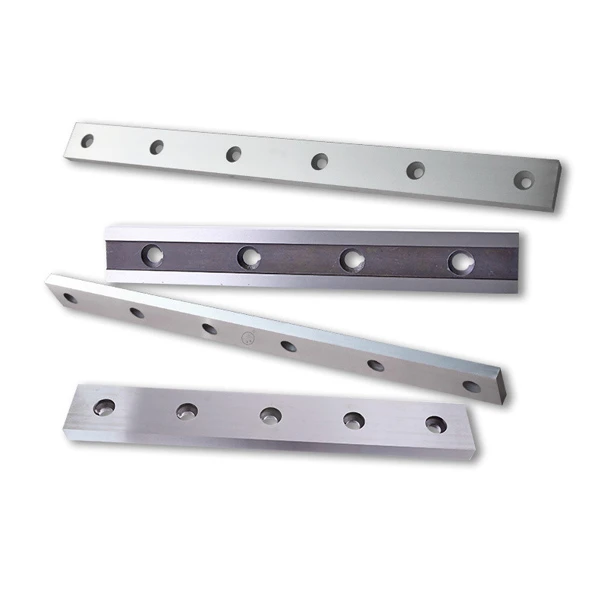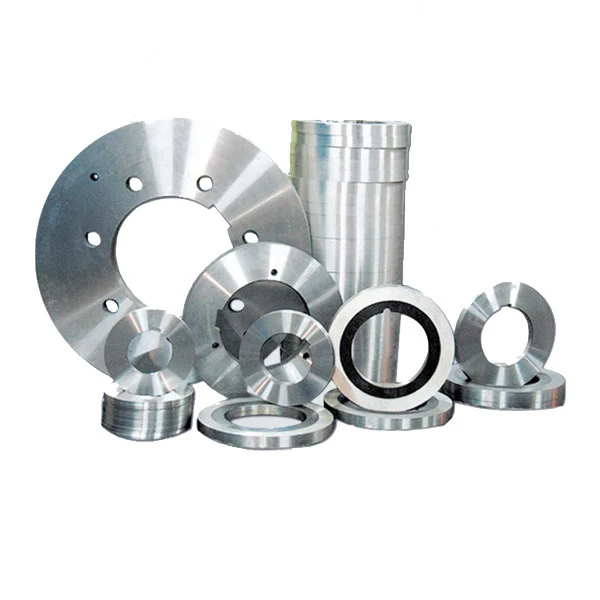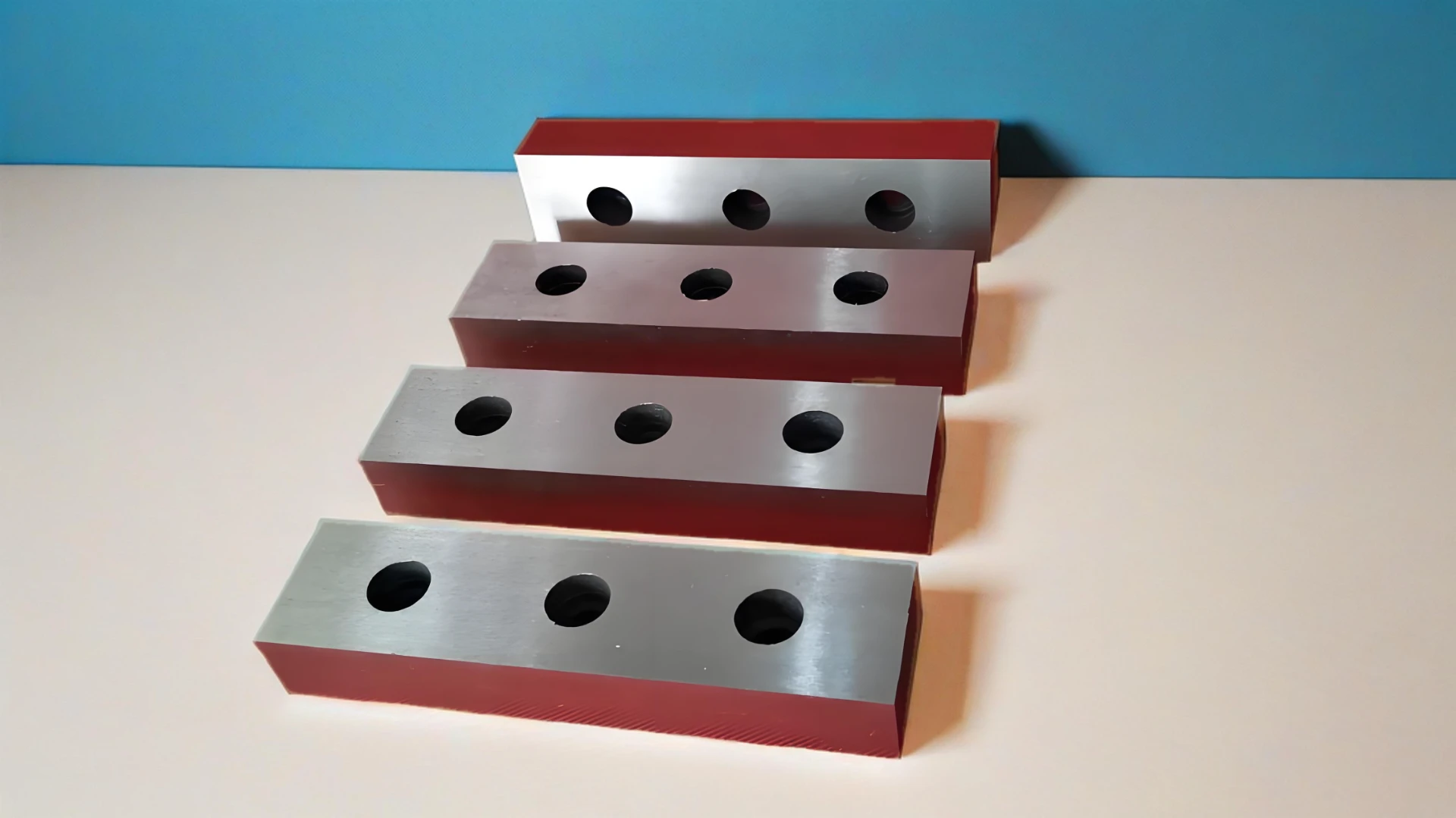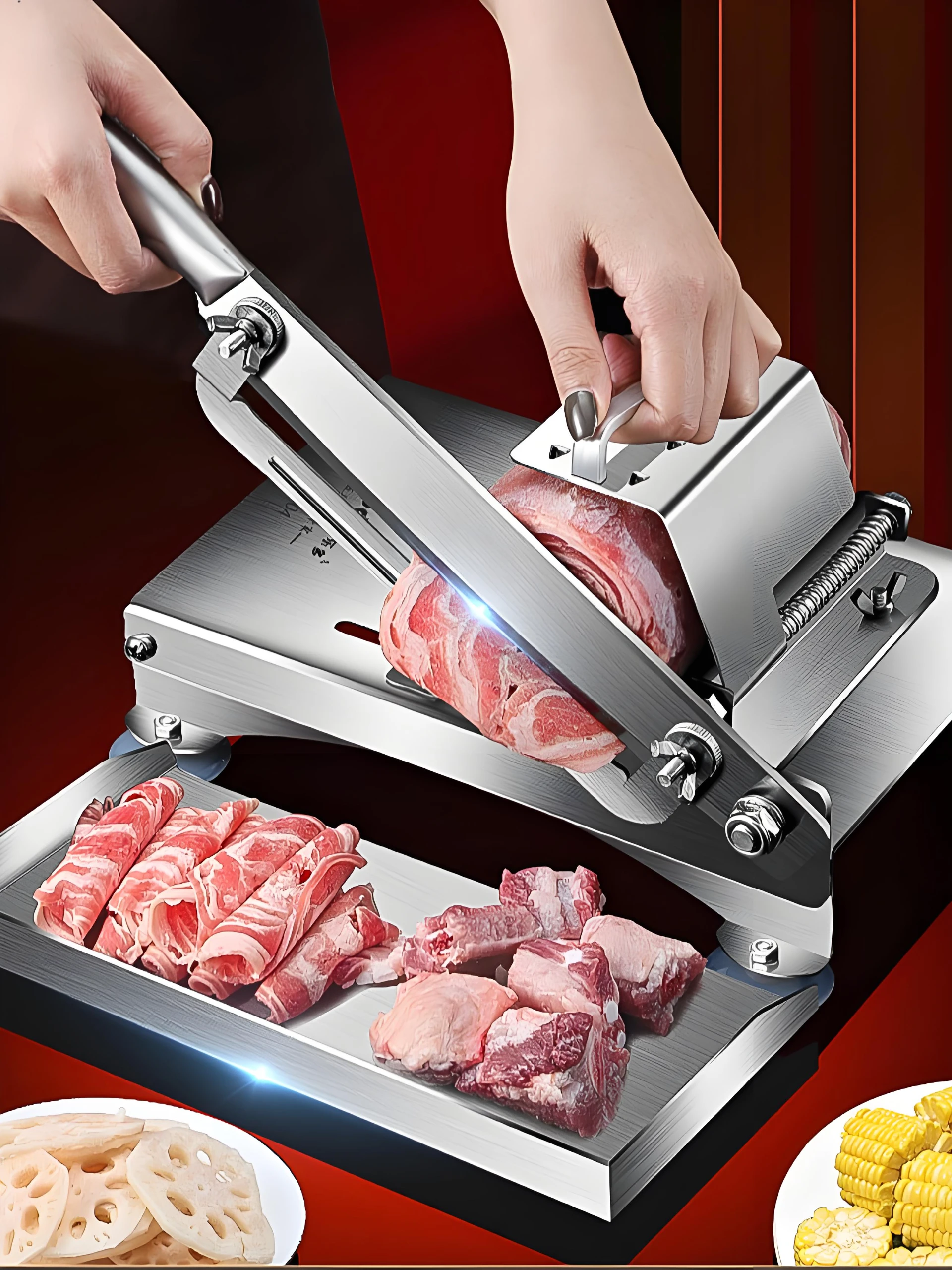
Choosing the Right Food Processor Blade: A Comprehensive Guide
A high-quality food processor blade is the heart of efficient food preparation. Whether you’re a home cook or a professional chef, the right blade can drastically improve your results. This article dives into the different types of blades, materials, maintenance, and how to choose the best blade for your needs. We’ll explore the crucial factors that contribute to a blade's performance and longevity, ensuring you get the most out of your food processor.
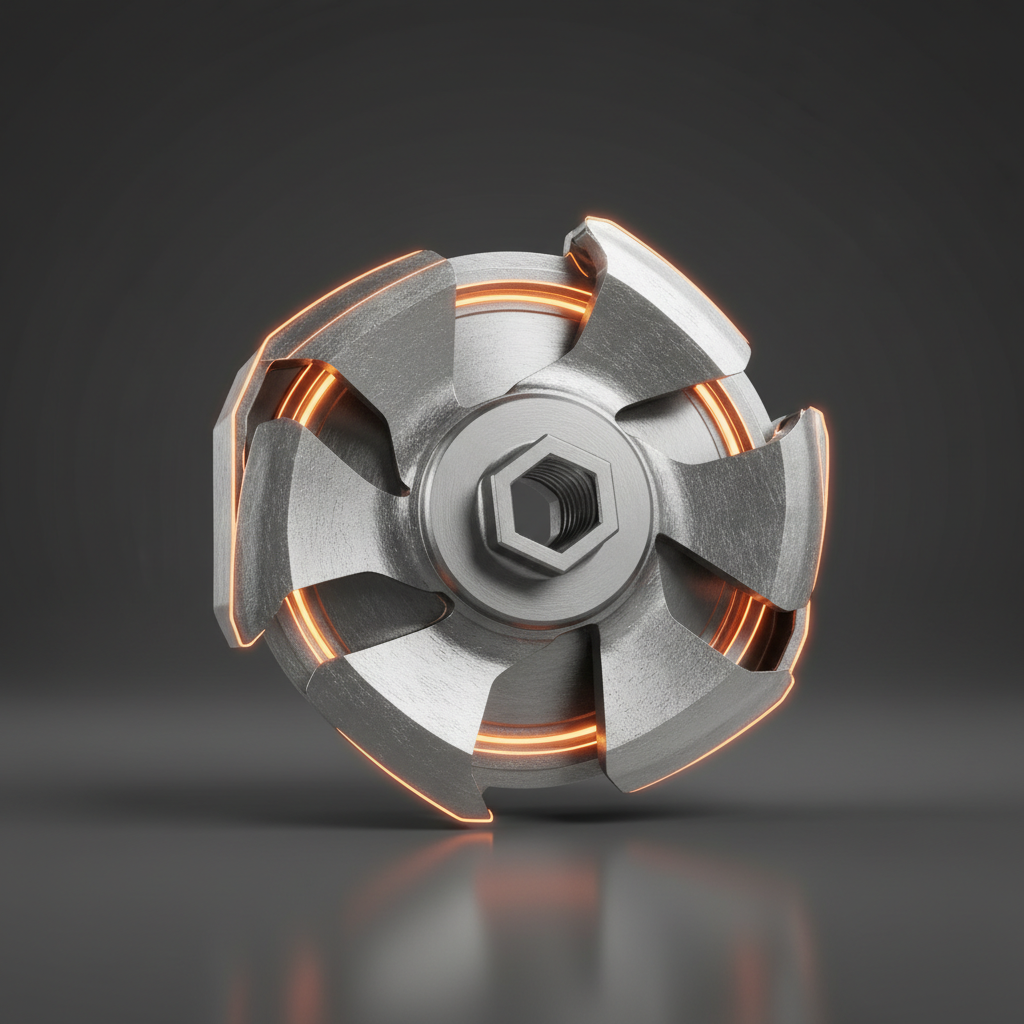
Types of Food Processor Blades
Food processor blades aren’t one-size-fits-all. Different tasks require different blade designs for optimal performance. The standard "S" blade, often included with food processors, is versatile for chopping, pureeing, and mixing. However, specialized blades unlock even more possibilities. These include shredding discs for cheese and vegetables, slicing discs for uniform slices, dough blades for kneading, and even emulsifying discs for making sauces and dips. Understanding these options allows you to tackle any culinary challenge with ease. Selecting the appropriate blade is just as important as the quality of the blade itself.
Key Highlights: The right blade dramatically improves food preparation efficiency and results. Specialized blades unlock diverse culinary possibilities beyond basic chopping and pureeing.
Blade Materials: Stainless Steel vs. Carbon Steel
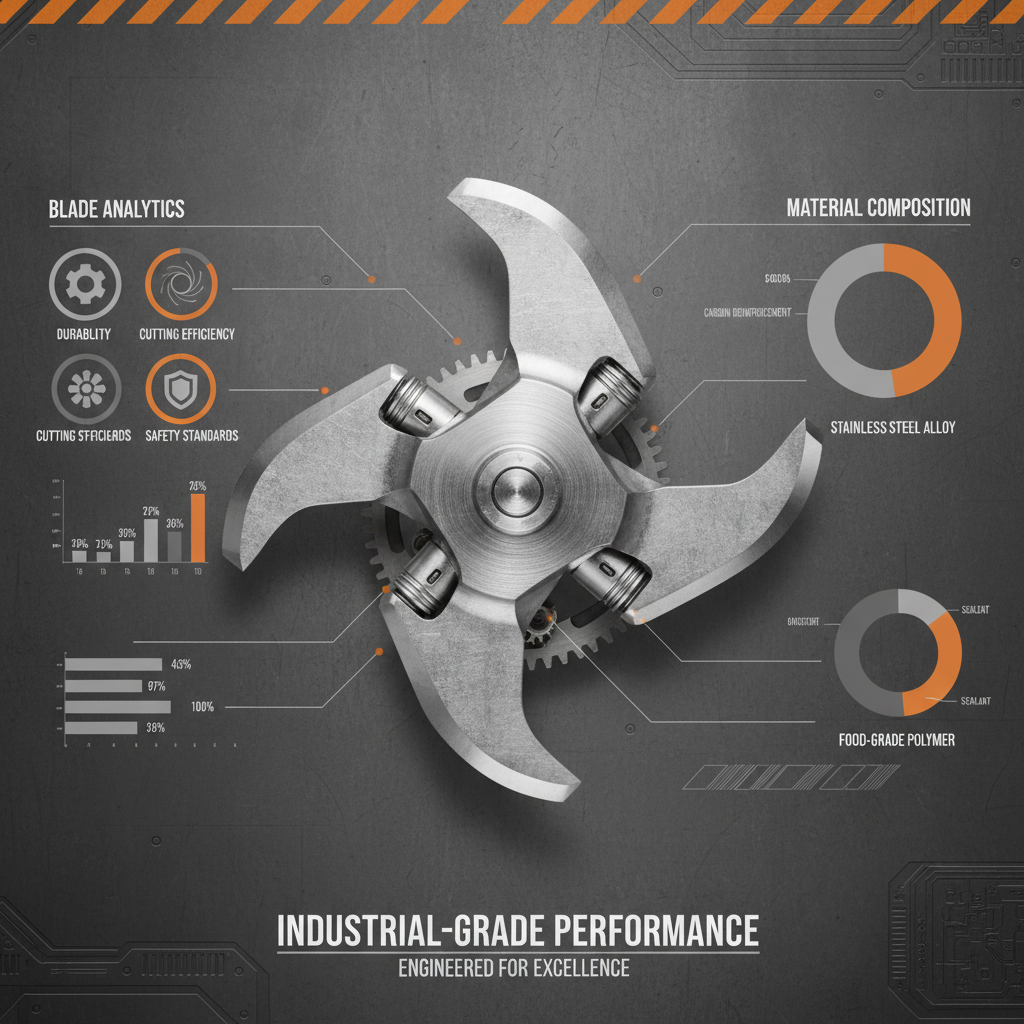
The material a food processor blade is made from significantly impacts its durability, sharpness, and resistance to corrosion. Stainless steel is the most common choice, offering excellent corrosion resistance and ease of cleaning. However, high-carbon stainless steel provides superior sharpness and edge retention, ideal for demanding tasks. Carbon steel blades are incredibly sharp but require diligent care to prevent rusting. When selecting a blade, consider your usage frequency and the types of food you’ll be processing.
Material Comparison:
• Stainless Steel: Corrosion-resistant, easy to clean, good durability.
• High-Carbon Stainless Steel: Excellent sharpness, edge retention, corrosion resistant.
• Carbon Steel: Extremely sharp, requires careful maintenance to prevent rust.
Choosing the Right Food Processor Blade for Common Tasks
Matching the blade to the task is essential for optimal results. For chopping vegetables or making pesto, the standard "S" blade excels. Shredding cheese benefits from a dedicated shredding disc, providing consistent results. Slicing discs are perfect for creating uniform vegetable slices for salads or gratins. Dough blades are designed to handle the demands of kneading bread or pizza dough without overheating the motor. Consider your most frequent food preparation tasks when making your selection.
Maintaining Your Food Processor Blade
Proper maintenance is crucial for prolonging the life and sharpness of your food processor blade. Always hand wash blades immediately after use with warm, soapy water and dry them thoroughly. Avoid dishwashers, as harsh detergents can dull the blade. Regular honing can help maintain sharpness, but avoid excessive honing. Inspect blades regularly for signs of damage, such as chips or cracks, and replace them if necessary. Safe handling is paramount – always use blade guards and handle blades with care.
Where to Find Quality Replacement Blades
When it’s time to replace your food processor blade, quality is key. MechBlades specializes in high-performance food processor blades made from premium materials. We offer a wide selection of blades to fit most major food processor brands, ensuring a perfect fit and optimal performance. Investing in a quality replacement blade will restore your food processor to its former glory and continue providing years of reliable service.
Conclusion: Invest in the Right Blade for Culinary Success
Choosing the right food processor blade is an investment in your culinary experience. By understanding the different types, materials, and maintenance requirements, you can ensure optimal performance and longevity. Don't settle for subpar blades – explore the quality options available at MechBlades and elevate your food preparation to new heights.
Frequently Asked Questions (FAQs)
How often should I replace my food processor blade?
The frequency of blade replacement depends on usage. However, even with regular maintenance, blades will eventually dull. If you notice increased effort required to chop or puree, or if the blade shows signs of chipping or damage, it's time for a replacement. Generally, replacing your blade every 1-2 years with regular use is a good practice. Frequent use with hard ingredients like ice or frozen foods will likely require more frequent replacement. A dull blade can compromise food quality and even pose a safety risk.
Can I sharpen my food processor blade myself?
While it's possible to sharpen food processor blades, it's generally not recommended for home users. Sharpening requires specialized tools and expertise to maintain the correct angle and prevent damage. Improper sharpening can ruin the blade and create a safety hazard. It’s often more cost-effective and safer to simply replace the blade. Professional sharpening services are available, but the cost may be comparable to purchasing a new blade.
Are all food processor blades interchangeable?
No, food processor blades are not universally interchangeable. Each brand and model of food processor has specific blade designs and attachment mechanisms. Using the wrong blade can damage your food processor or result in poor performance. Always refer to your food processor's manual to determine the correct blade type and ensure compatibility. MechBlades offers blades specifically designed to fit various popular food processor brands.
What's the best way to store my food processor blades?
Always store your food processor blades safely to prevent injury and maintain their sharpness. Use blade guards or sheaths whenever possible. Store blades in a designated drawer or container, away from other utensils. Avoid storing blades loose in a drawer where they could get damaged or cause accidental cuts. Keeping blades dry and protected will also prevent rust and corrosion.