Understanding Metallurgical Blades: A Comprehensive Guide
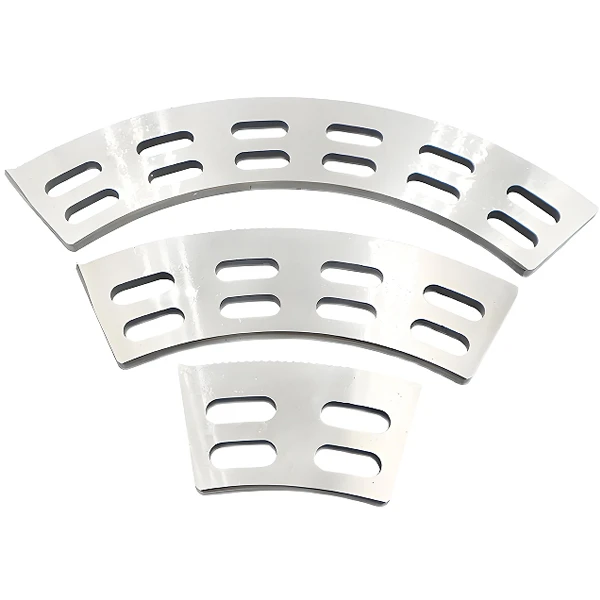
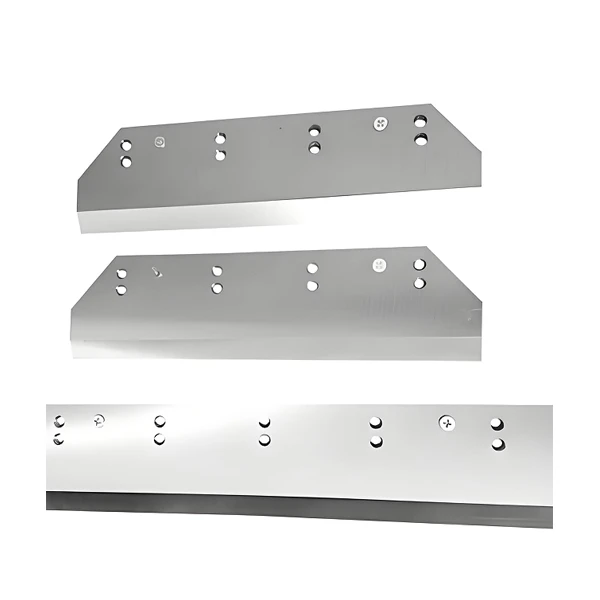
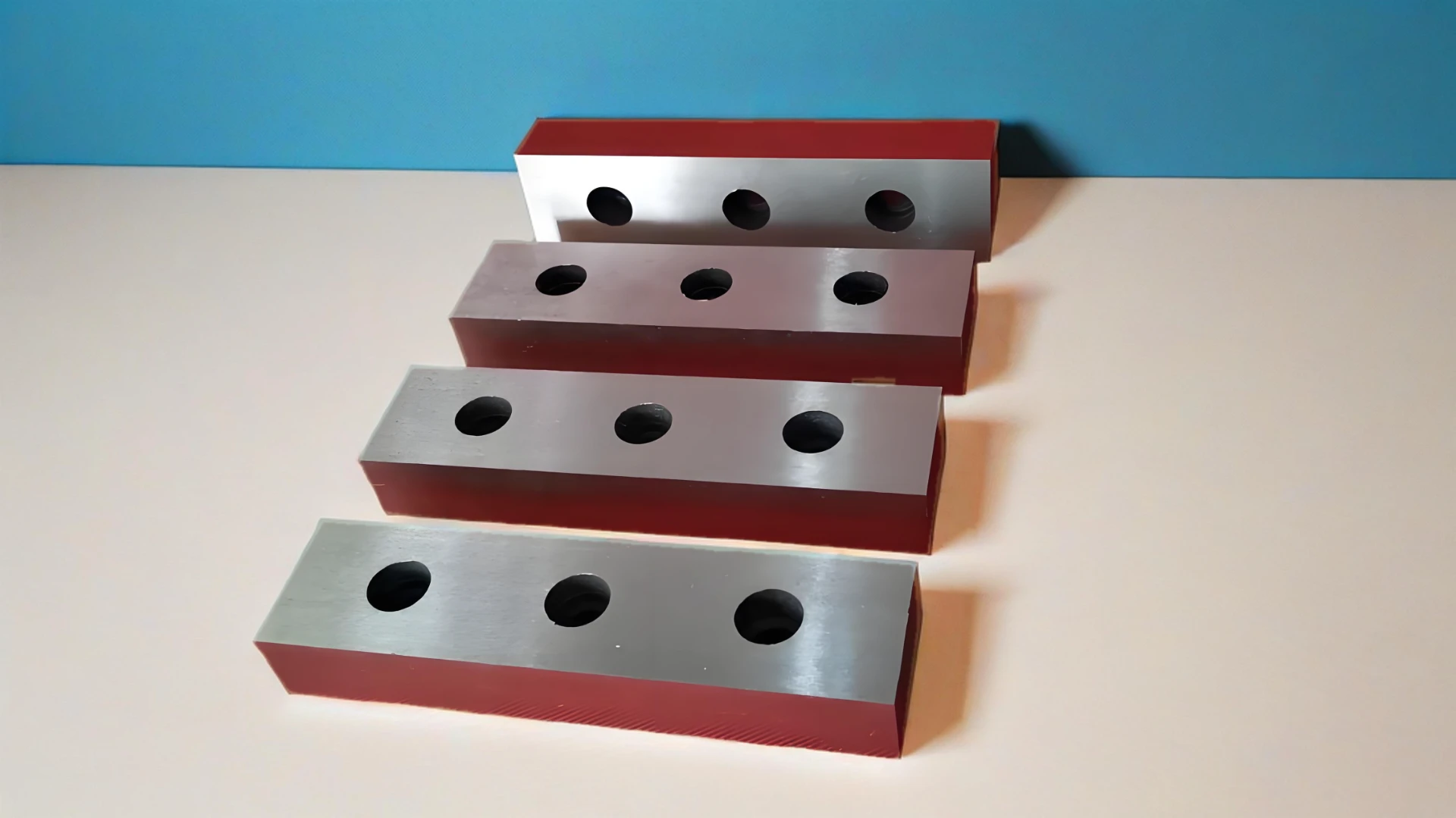
Metallurgical blades are specialized tools crucial for preparing material samples for microscopic analysis in various industries, including materials science, quality control, and research. These blades are integral to revealing the microstructure of metals and alloys, enabling accurate assessment of their properties. Choosing the right metallurgical blade is essential for obtaining high-quality specimens. At MechBlades, we specialize in providing precision-engineered blades tailored to your specific needs. Understanding the intricacies of metallurgical blade selection can significantly enhance the accuracy and efficiency of your materials analysis.
What are Metallurgical Blades and Their Applications?
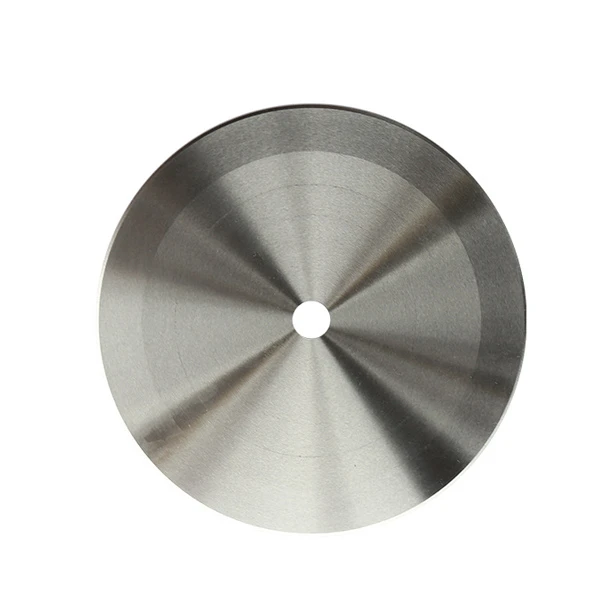
Metallurgical blades, also known as sectioning blades or cut-off wheels, are used to precisely cut metal samples without introducing significant heat or deformation. These blades are commonly employed in sample preparation for metallography, a technique used to reveal the microstructure of materials. The primary applications include:
- Failure Analysis: Identifying the root cause of material failures.
- Quality Control: Ensuring materials meet specified standards.
- Materials Research: Investigating the properties of new alloys and materials.
- Heat Treatment Verification: Assessing the effectiveness of heat treatment processes.
- Welding Inspection: Evaluating the integrity of weldments.
The use of high-quality blades, such as those available at MechBlades, is paramount for accurate results.
Key Benefit: Precision cutting minimizes sample distortion, preserving the true microstructure for accurate analysis.
Choosing the Right Metallurgical Blade: Key Considerations
Selecting the appropriate metallurgical blade depends on several factors, including the material being cut, the cutting speed, and the desired surface finish. Key considerations include the blade's abrasive grain size, bond type, and wheel diameter. Finer grain sizes generally provide a smoother finish but cut slower, while coarser grains cut faster but may leave a rougher surface. The bond type (e.g., resin, rubber, metal) affects the blade's rigidity and cutting ability. At MechBlades, our experts can guide you through this selection process.
Blade Selection Factors:
• Material Type (Steel, Aluminum, etc.)
• Cutting Speed Requirements
• Desired Surface Finish
• Machine Type
Metallurgical Blade Comparison: Abrasive Materials
Different abrasive materials offer unique characteristics suitable for various applications. The most common include aluminum oxide, silicon carbide, and diamond. Understanding their differences is critical for optimal performance. Here's a comparison:
MechBlades: Your Trusted Supplier of Metallurgical Blades
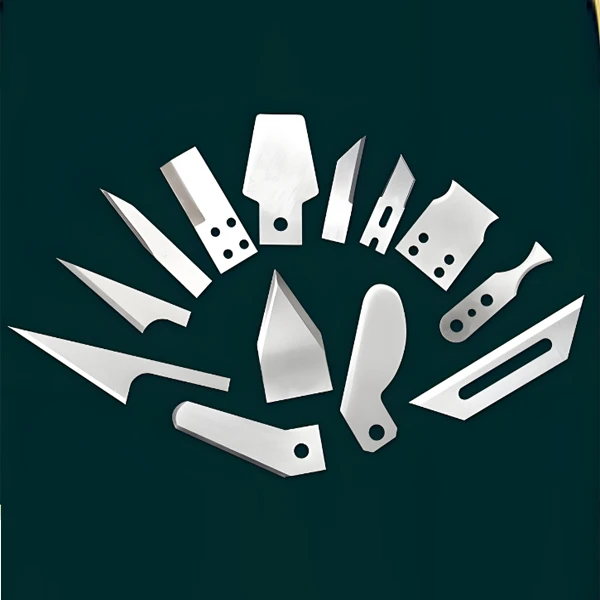
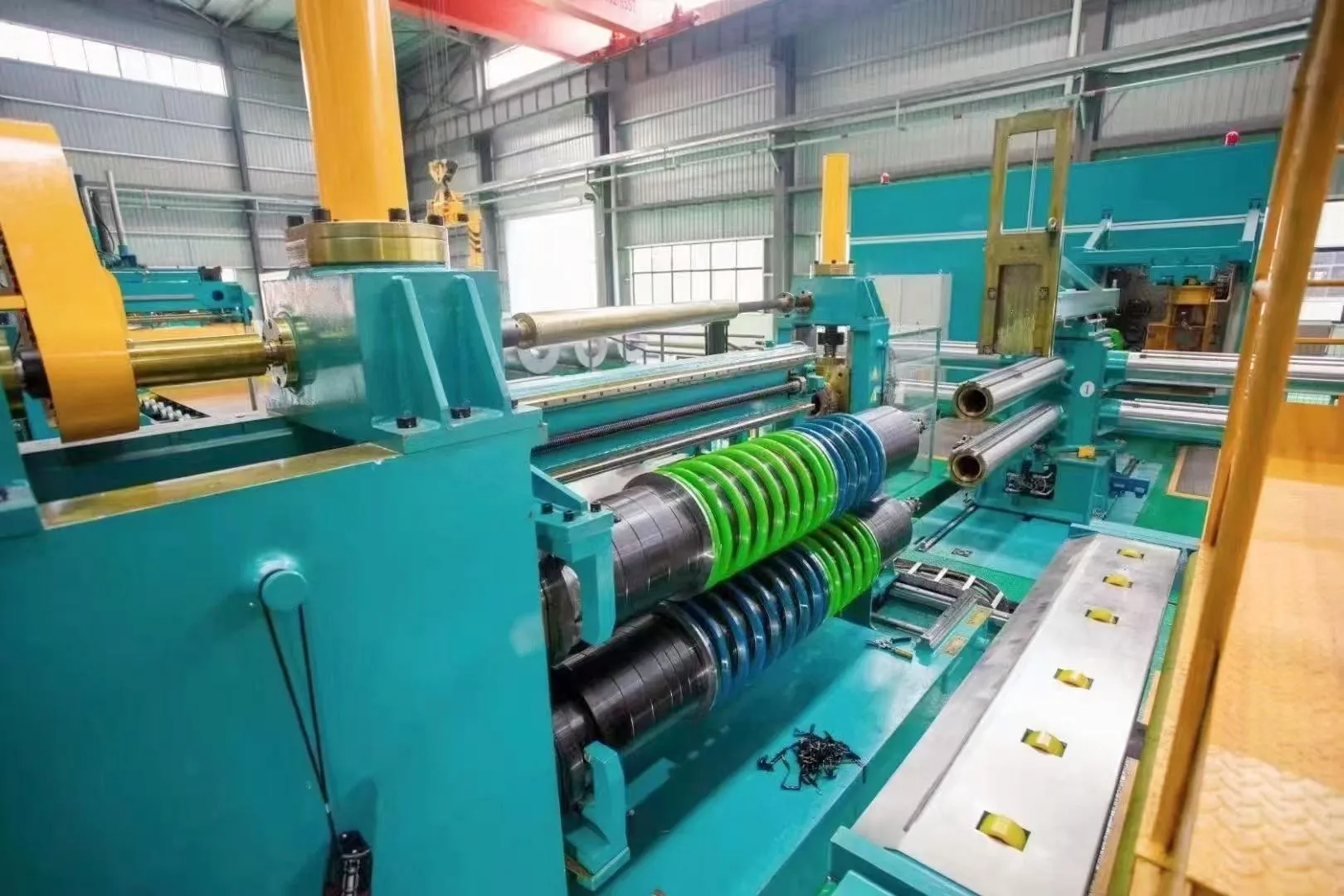
At MechBlades, we offer a comprehensive range of metallurgical blades to meet your specific requirements. We are committed to providing high-quality products, expert technical support, and competitive pricing. Our blades are manufactured using advanced techniques to ensure consistent performance and long life. We supply blades for all major cutting machines and can also offer custom blade solutions.
Conclusion: Precision Cutting for Accurate Metallurgical Analysis
Choosing the right metallurgical blade is vital for obtaining accurate and reliable results in materials analysis. MechBlades provides a wide selection of high-quality blades, expert guidance, and exceptional customer service. Invest in precision – choose MechBlades for all your metallurgical blade needs.
Frequently Asked Questions (FAQs)
What is the typical lifespan of a metallurgical blade?
The lifespan of a metallurgical blade varies significantly depending on the material being cut, the cutting speed, and the blade's abrasive type. Softer materials will generally extend the blade's life, while harder materials will wear it down more quickly. Regular inspection for signs of wear, such as chipped or dull abrasive particles, is crucial. A general guideline is to replace blades after approximately 20-40 hours of use, but this can vary greatly. Choosing a high-quality blade from MechBlades will maximize its lifespan.
How do I ensure safe operation when using metallurgical blades?
Safety is paramount when working with metallurgical blades. Always wear appropriate personal protective equipment (PPE), including safety glasses, gloves, and a dust mask. Ensure the cutting machine is properly grounded and that all safety guards are in place. Never apply excessive pressure to the blade, and allow it to cut at its intended speed. Inspect the blade for cracks or damage before each use. Proper training on the use of the cutting machine and blades is essential.
What is the difference between wet and dry cutting with metallurgical blades?
Wet cutting involves using a coolant (typically water) during the cutting process. This helps to reduce heat buildup, minimize dust, and improve the surface finish. Dry cutting, on the other hand, is performed without coolant. Wet cutting is generally preferred for harder materials and applications where a precise surface finish is required. However, not all cutting machines are equipped for wet cutting. The choice between wet and dry cutting depends on the material being cut, the machine capabilities, and the desired results. MechBlades can advise you on the best method for your specific needs.
Can MechBlades provide custom blade solutions?
Yes, MechBlades offers custom blade solutions tailored to your unique requirements. We can manufacture blades to specific dimensions, abrasive types, and bond formulations. This is particularly useful for specialized applications or when standard blades do not meet your needs. Contact our technical team to discuss your custom blade requirements and receive a quote.