Understanding Planer Plate Shear Blades: A Comprehensive Guide
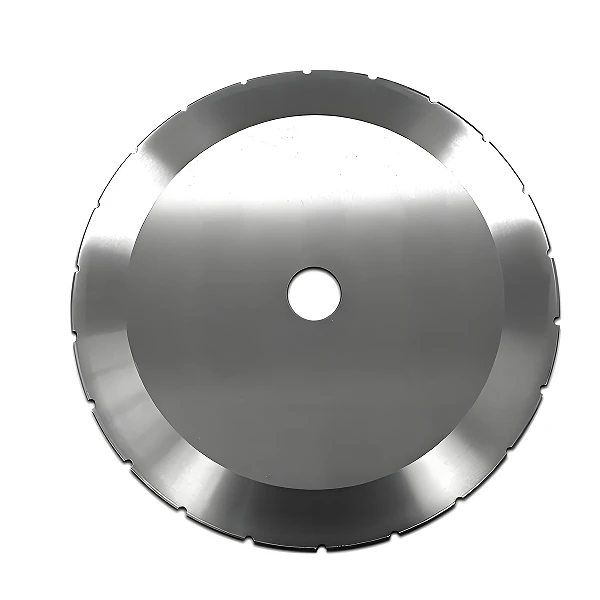
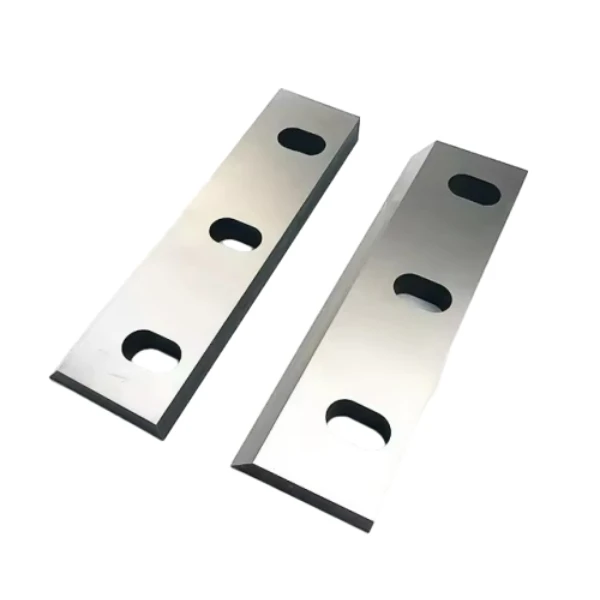
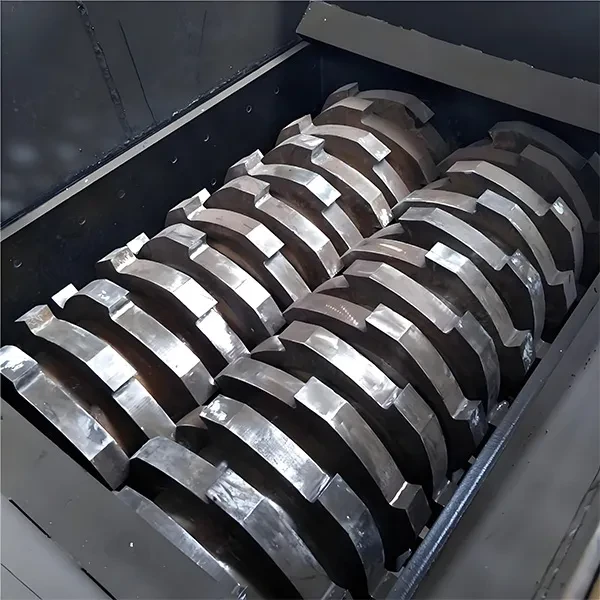
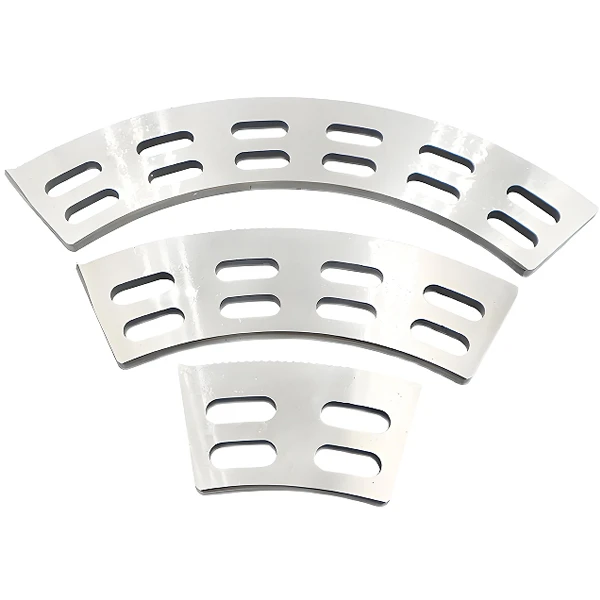
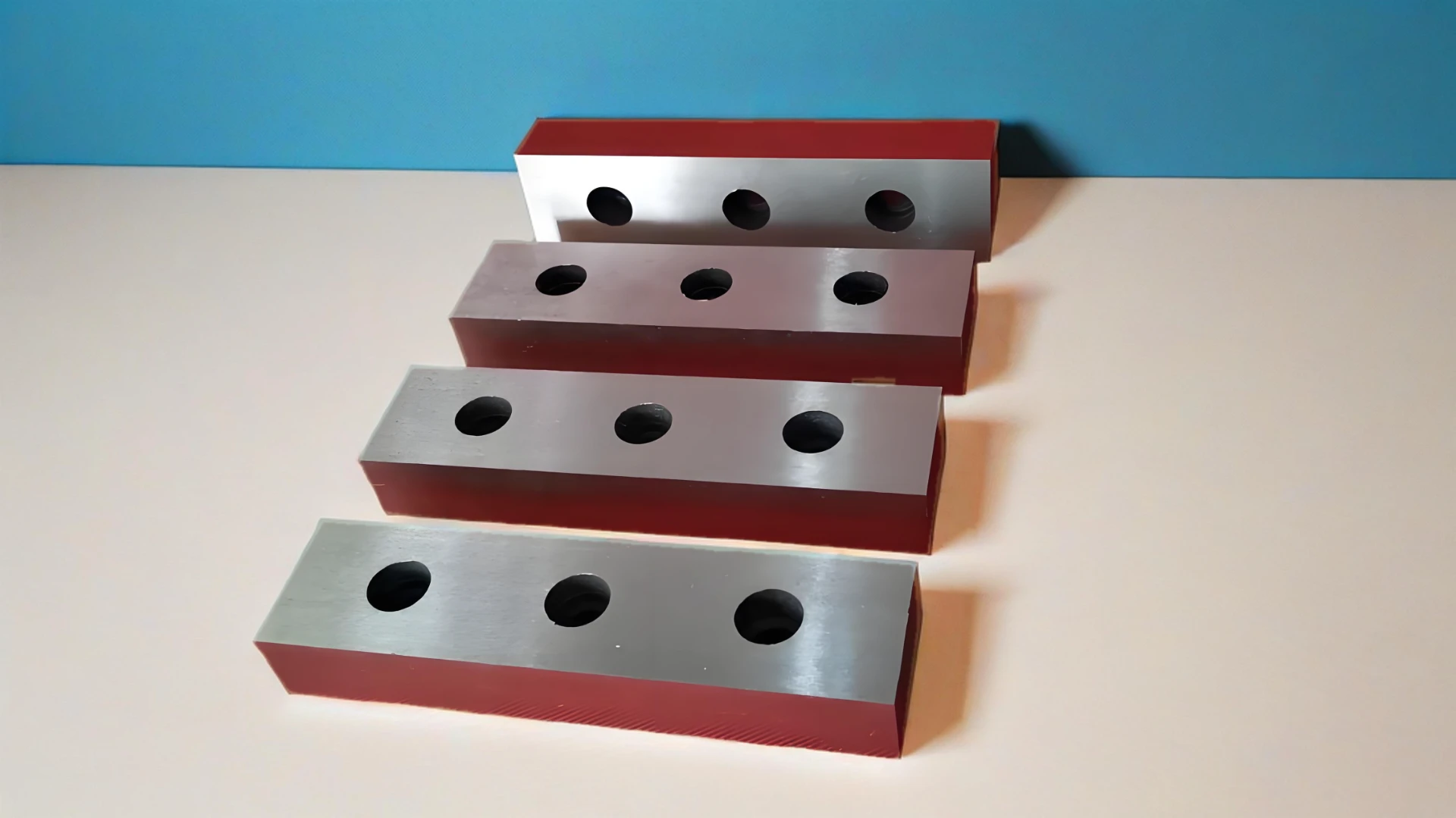
Planer plate shear blades are essential components in various industrial cutting applications, particularly in metal processing and manufacturing. These blades are designed for high-precision shearing of metal sheets and plates, delivering clean cuts and maximizing efficiency. Selecting the right blade is crucial for optimal performance and minimizing downtime. At Mechblades, we specialize in providing high-quality, durable shear blades tailored to your specific needs. This article will explore the intricacies of planer plate shear blades, covering their types, applications, maintenance, and factors to consider when choosing the best option for your operation.

Types of Planer Plate Shear Blades
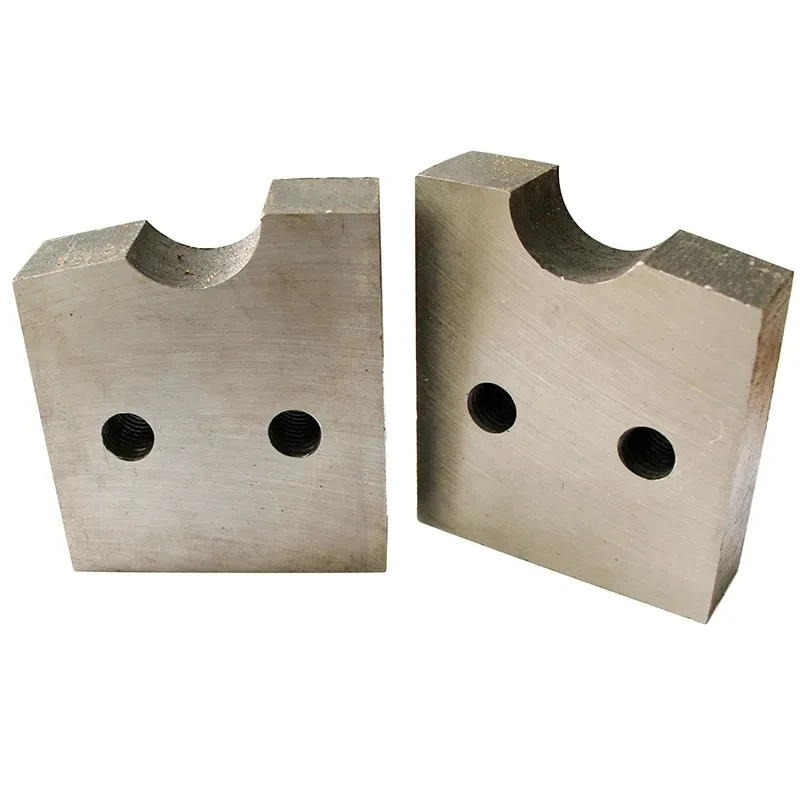
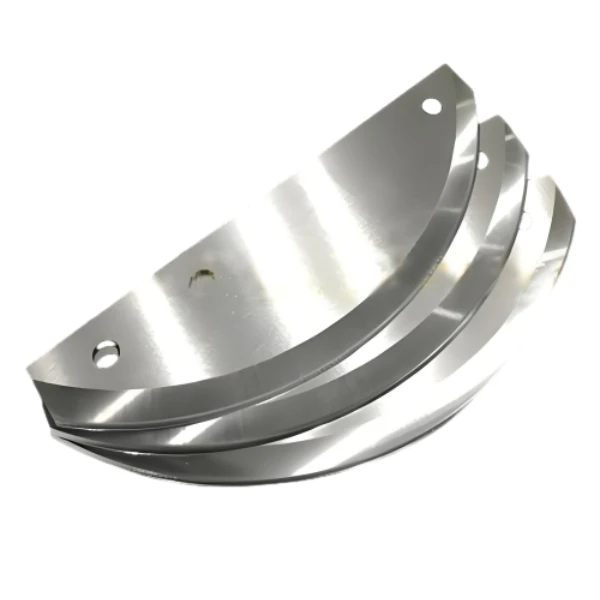
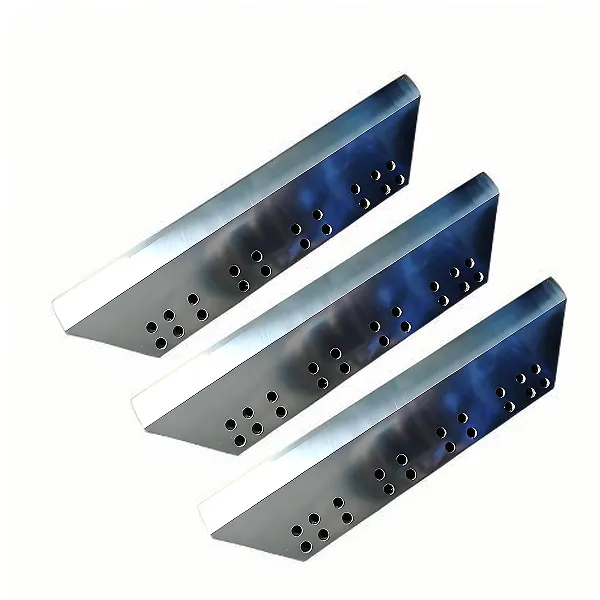
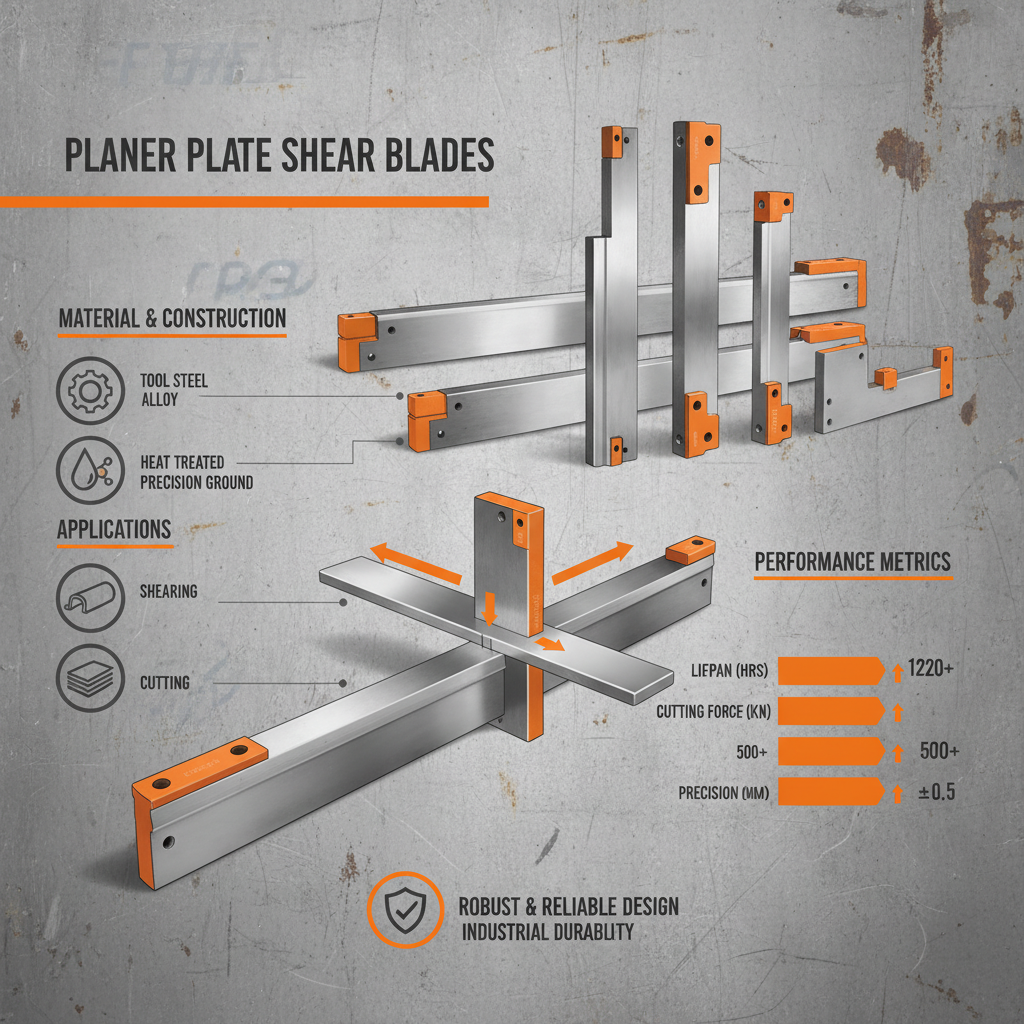
Planer plate shear blades come in several different designs, each suited to specific materials and cutting requirements. Common types include straight blades, offset blades, and stub blades. Straight blades are widely used for general-purpose shearing, while offset blades provide improved cutting action for thicker materials. Stub blades are designed for heavy-duty applications and offer exceptional durability. The choice of blade type depends on factors like the material being cut, the desired cut quality, and the machine’s specifications. Understanding these differences is critical for achieving optimal results.
Applications of Planer Plate Shear Blades
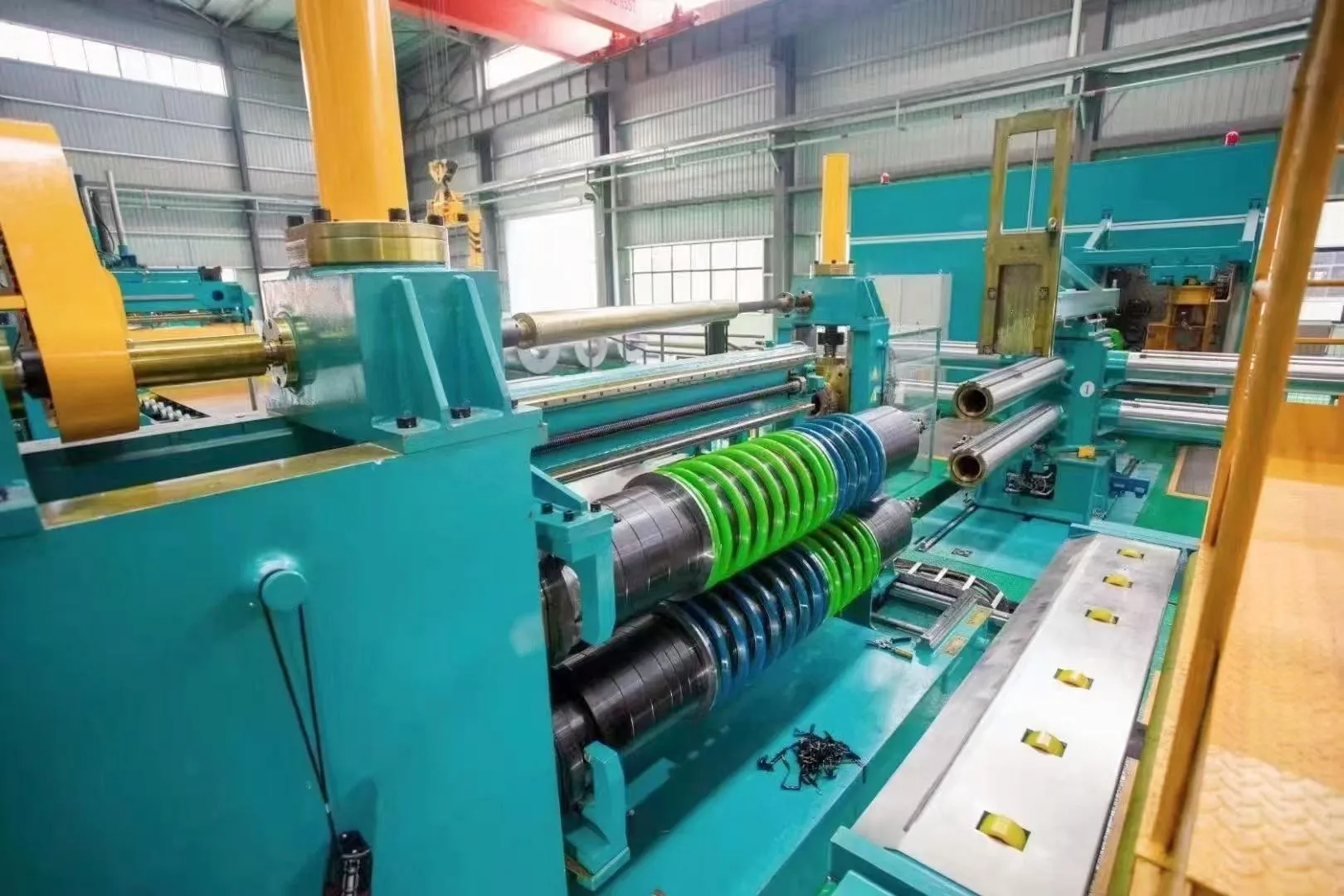
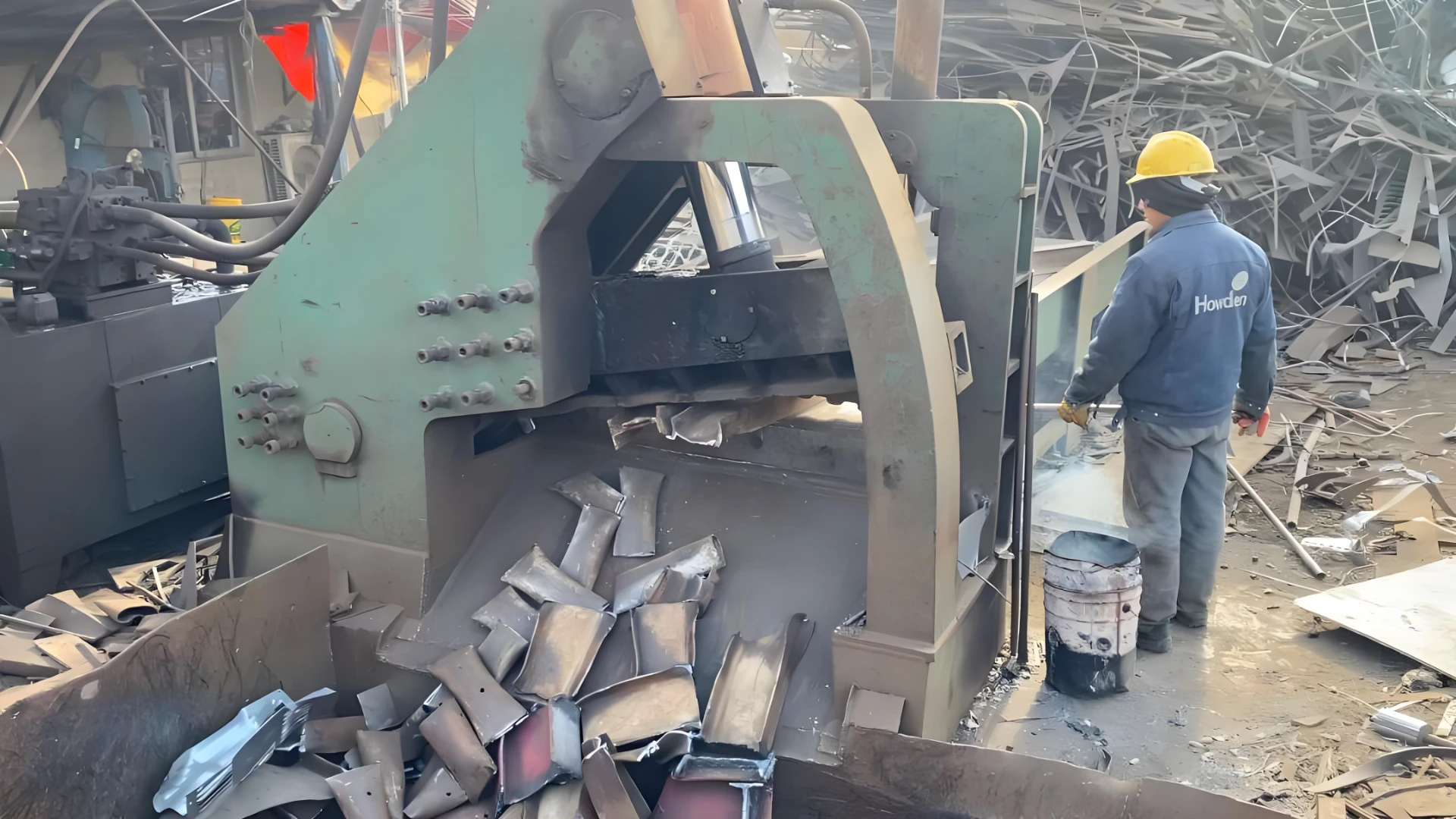
These blades find extensive use across a diverse range of industries. The automotive sector utilizes them in sheet metal stamping and body panel production. The construction industry relies on them for cutting steel plates used in structural components. The manufacturing of appliances, machinery, and other metal products also depends heavily on the precision and efficiency of planer plate shear blades. Moreover, they play a key role in the production of HVAC systems, ductwork, and other building materials. Mechblades provides solutions for all these industries.
Key Benefit: High-precision shearing for efficient metal processing across diverse industrial applications.
Selecting the Right Planer Plate Shear Blade: Key Considerations
Choosing the correct shear blade is vital for maximizing performance and minimizing operating costs. Several factors come into play, including the material type (mild steel, stainless steel, aluminum, etc.), the material thickness, the desired cut quality, and the machine's specifications. Blade material is also crucial; high-speed steel (HSS) is suitable for lower-volume applications, while carbide blades offer superior durability and performance for high-volume production. Proper blade geometry and rake angle contribute to clean, accurate cuts.
Critical Selection Factors:
• Material Type & Thickness
• Blade Material (HSS vs. Carbide)
• Machine Specifications
• Desired Cut Quality
Planer Plate Shear Blade Materials: A Comparison
The choice of blade material significantly impacts performance and longevity. High-Speed Steel (HSS) blades are cost-effective and suitable for low to medium-volume production of softer materials. Carbide blades, while more expensive, offer exceptional wear resistance and are ideal for high-volume production and cutting harder materials like stainless steel. The following table provides a detailed comparison:
Maintenance and Extending Blade Life
Regular maintenance is essential for maximizing blade life and ensuring optimal cutting performance. This includes frequent inspection for wear, damage, and dullness. Sharpening blades regularly will restore their cutting edge and prevent excessive force being applied during shearing. Proper lubrication is also critical, as it reduces friction and heat buildup. When blades become excessively worn or damaged, they should be replaced promptly to prevent further damage to the machine and ensure operator safety. Mechblades offers sharpening services as well as replacement blades.
Conclusion: Investing in Quality Shear Blades
Choosing the right planer plate shear blades is an investment in efficiency, quality, and safety. Selecting blades tailored to your specific application, prioritizing proper maintenance, and partnering with a reliable supplier like Mechblades will ensure optimal performance and minimize downtime. Don’t compromise on quality – choose blades designed to deliver lasting results.
Frequently Asked Questions (FAQs)
How often should planer plate shear blades be sharpened?
The frequency of sharpening depends on the material being cut, the volume of production, and the blade material. As a general guideline, blades should be inspected regularly, and sharpened when they begin to show signs of dullness, such as increased cutting force, rough edges on the finished product, or excessive burring. For high-volume applications, sharpening may be required weekly or even daily. We recommend consulting with a blade specialist to determine the optimal sharpening schedule for your specific needs. Mechblades offers professional sharpening services.
What are the signs that a shear blade needs to be replaced?
Several indicators suggest that a shear blade needs replacement. These include significant chipping or cracking, excessive wear resulting in a loss of cutting edge, and difficulty maintaining a clean, accurate cut. If the blade is repeatedly re-sharpened and continues to lose its edge quickly, it may be time to replace it. Ignoring these signs can lead to reduced efficiency, poor cut quality, and potentially damage to the machine.
How does the blade clearance affect the cutting process?
Blade clearance, the space between the upper and lower blades, is a critical factor in the cutting process. If the clearance is too small, it can cause excessive friction, heat buildup, and blade damage. If the clearance is too large, it can result in burrs, distorted cuts, and reduced cutting accuracy. Proper blade clearance must be maintained according to the machine manufacturer’s specifications. Mechblades offers guidance on optimizing blade settings.
What safety precautions should be taken when handling planer plate shear blades?
Shear blades are extremely sharp and pose a significant safety risk. Always wear appropriate personal protective equipment (PPE), including gloves and safety glasses, when handling blades. Never attempt to hand-sharpen blades without proper training and equipment. Securely store blades in designated containers when not in use. Follow all machine safety procedures and lock out/tag out the machine before performing any maintenance or blade changes.