Understanding Plates Shearing Blade: A Comprehensive Guide
In the world of metal fabrication, the efficiency and precision of cutting tools are paramount. The plates shearing blade is a critical component in this process, enabling clean and accurate cuts in various metal sheets. This article delves into the intricacies of these blades, covering their types, applications, maintenance, and the factors to consider when choosing the right blade for your needs. Understanding these factors can significantly improve operational efficiency and reduce costs. Whether you're a seasoned professional or new to the field, this guide provides a comprehensive overview of plates shearing blades.
What is a Plates Shearing Blade?
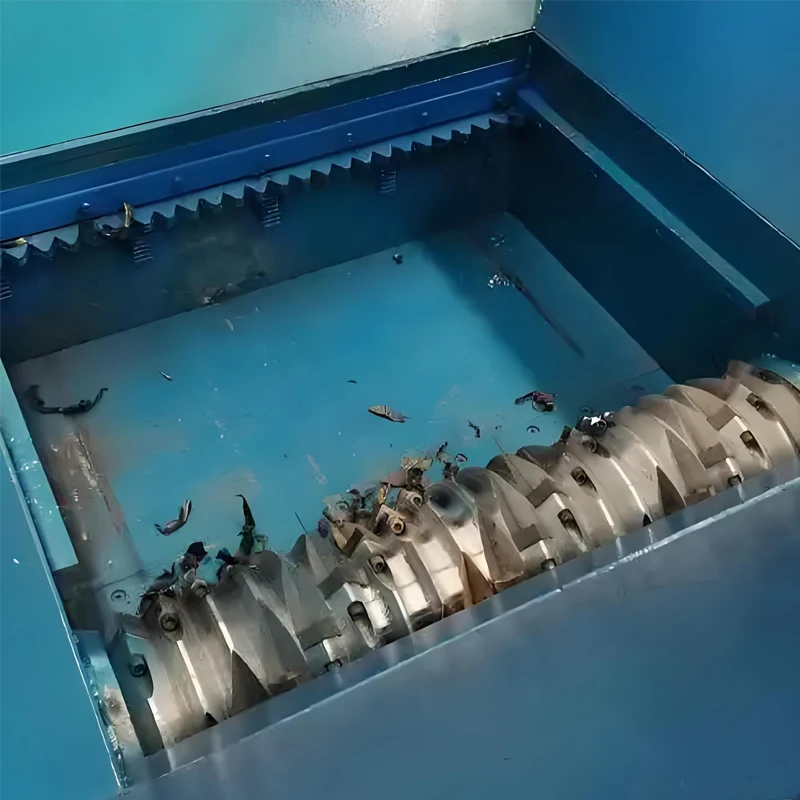
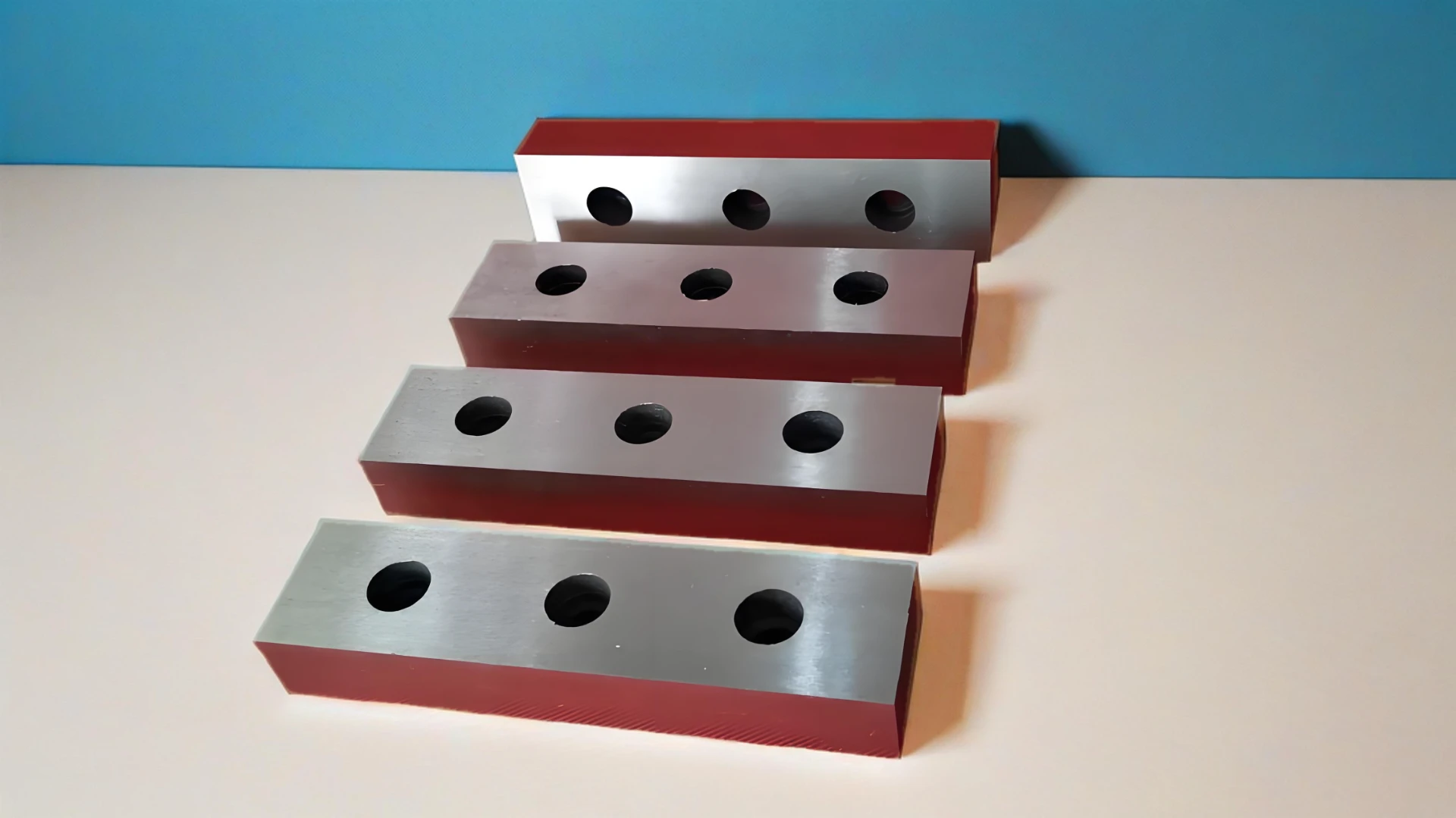
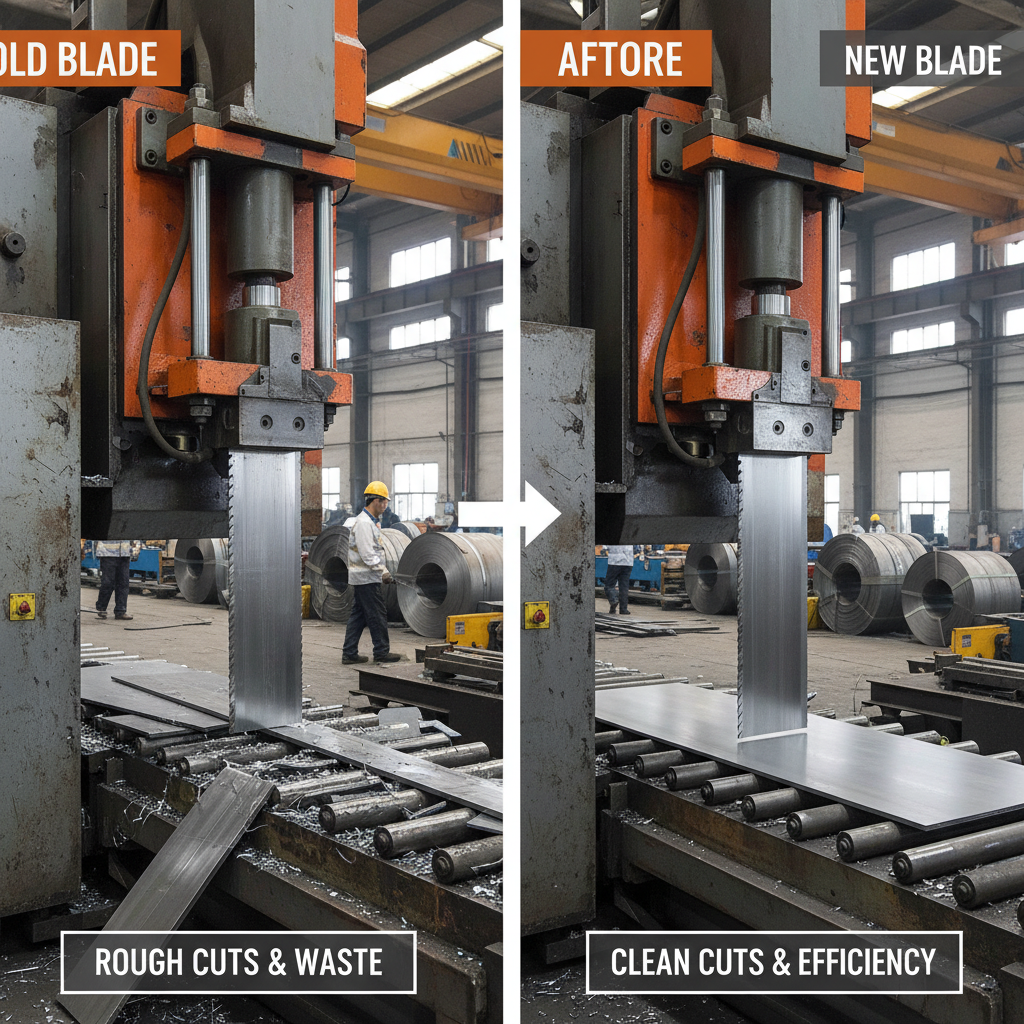
A plates shearing blade is a specialized cutting tool used in shearing machines to cut metal plates. These blades work on the principle of applying a concentrated shearing force to the metal, causing it to fracture and separate along a desired line. Unlike sawing, which removes material, shearing creates a clean cut with minimal material loss. The blade's design and material composition are critical to its performance and longevity. These blades come in various sizes and configurations to accommodate different plate thicknesses and materials. MechBlades offers a diverse selection to meet your specific requirements.
Key Points: Plates shearing blades utilize concentrated force to fracture metal, providing clean cuts with minimal material waste. The blade's design and material are critical for performance.
Types of Plates Shearing Blades
Plates shearing blades are categorized based on their geometry and application. The most common types include:
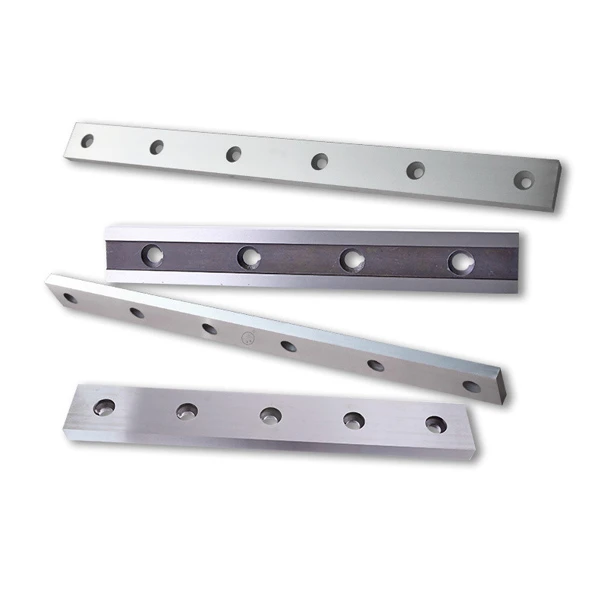
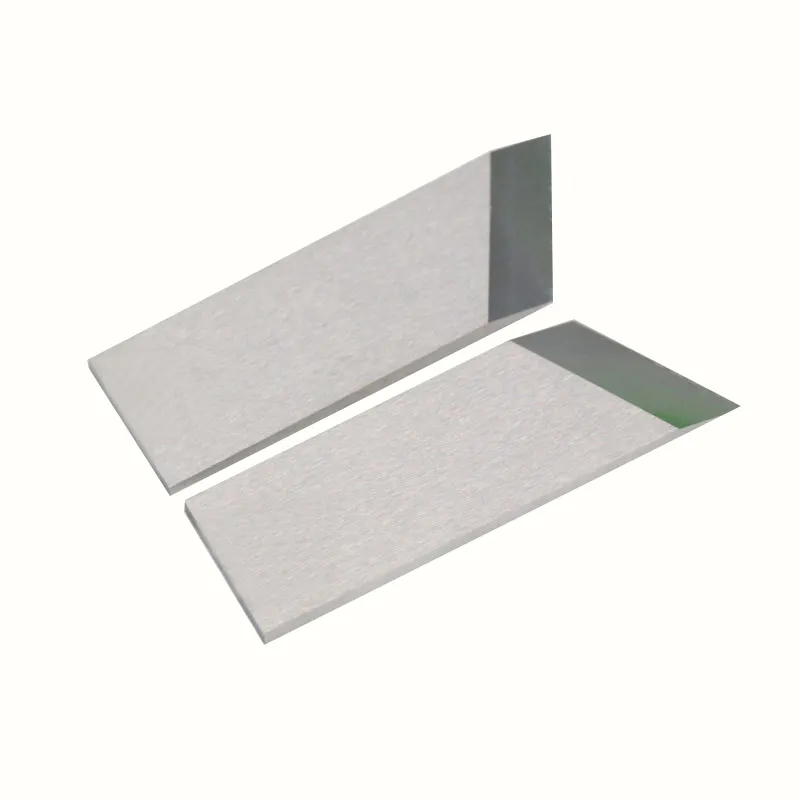
- Straight Blades: Used for straight-line cuts and are the most common type.
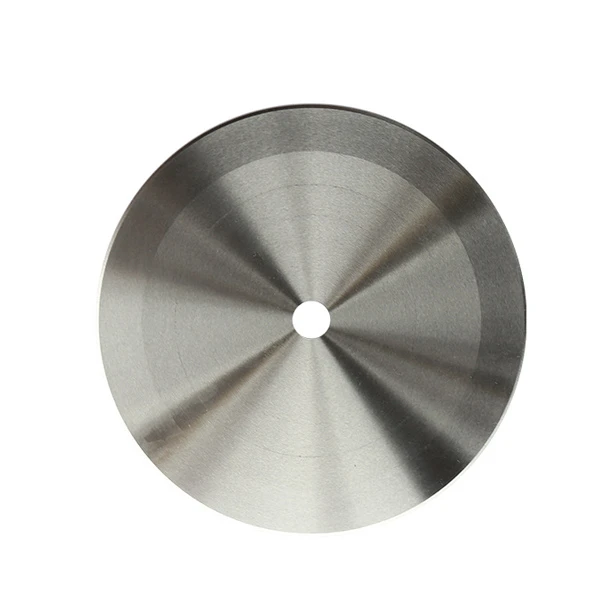
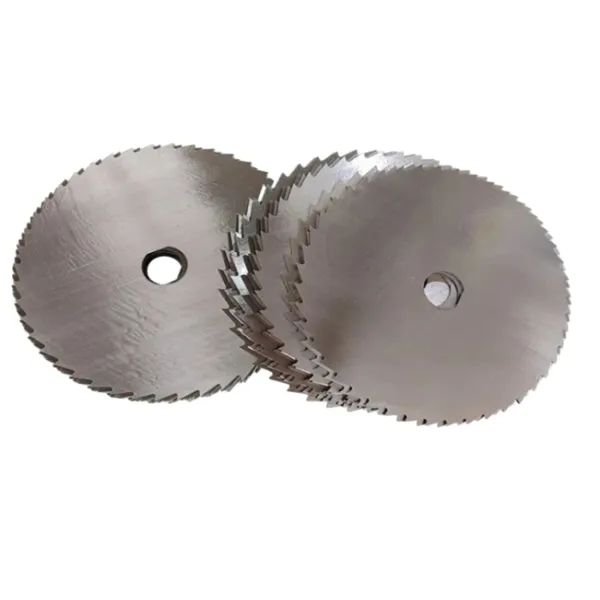
- Circular Blades: Employed for cutting circular shapes or performing contour cuts.
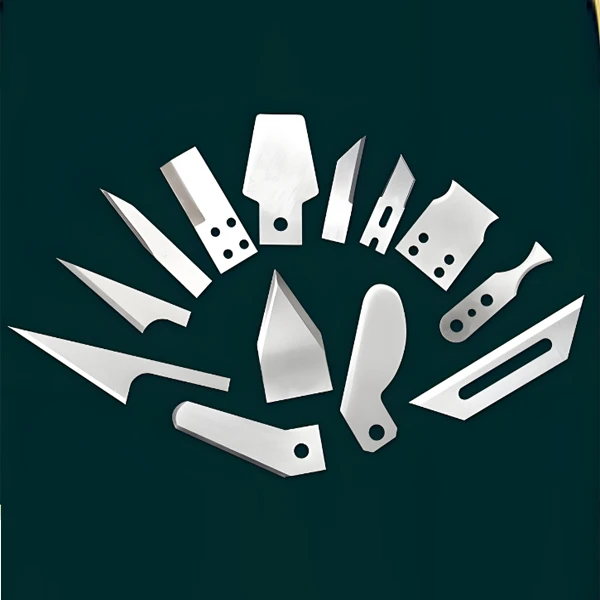
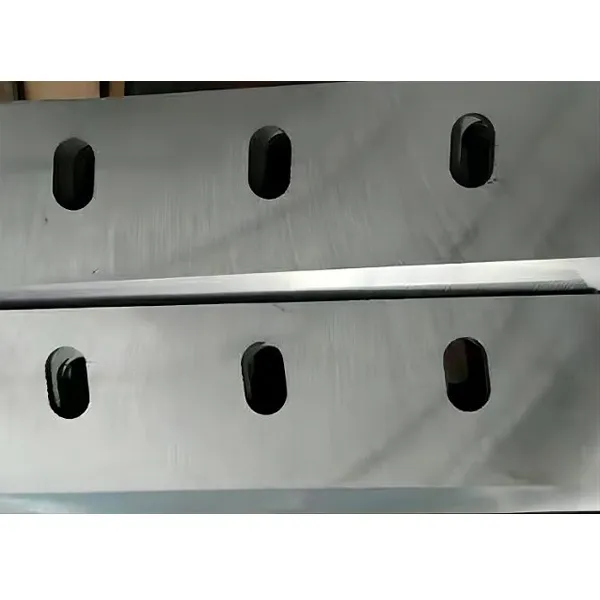
- Notched Blades: Designed for creating specific shapes and cutouts within the metal plate.
The choice of blade type depends on the required cut geometry and the specific application. Different materials also require different blade geometries for optimal cutting performance. Understanding these nuances is crucial for achieving the desired results.
Blade Type Considerations:
• Straight blades for basic, linear cuts.
• Circular blades for curved and circular cuts.
• Notched blades for creating complex shapes.
Materials Used in Plates Shearing Blade Manufacturing
The materials used in manufacturing plates shearing blades significantly impact their durability, sharpness, and overall performance. Common materials include:
- High-Speed Steel (HSS): Offers good hardness and wear resistance, suitable for general-purpose cutting.
- Tool Steel: Provides excellent toughness and resistance to deformation, ideal for heavier-duty applications.
- Carbide: Extremely hard and wear-resistant, suitable for cutting abrasive materials or high-volume production.
The selection of the appropriate material depends on the type of metal being cut, the volume of production, and the desired lifespan of the blade. MechBlades utilizes premium materials to ensure exceptional blade quality.
Comparing Blade Materials: HSS vs. Tool Steel vs. Carbide
Choosing the right blade material is crucial for optimal performance and longevity. Here’s a comparative overview:
Maintenance and Sharpening
Regular maintenance is essential for extending the lifespan of your plates shearing blades. This includes:
- Cleaning: Remove metal chips and debris after each use.
- Lubrication: Apply appropriate lubricant to reduce friction and wear.
- Sharpening: Sharpen blades when they begin to dull to maintain cutting accuracy. Professional sharpening services are recommended for optimal results.
Proper maintenance not only improves cutting quality but also reduces the risk of blade failure and machine downtime. MechBlades offers sharpening services to keep your blades in top condition.
Conclusion: Selecting the Right Plates Shearing Blade
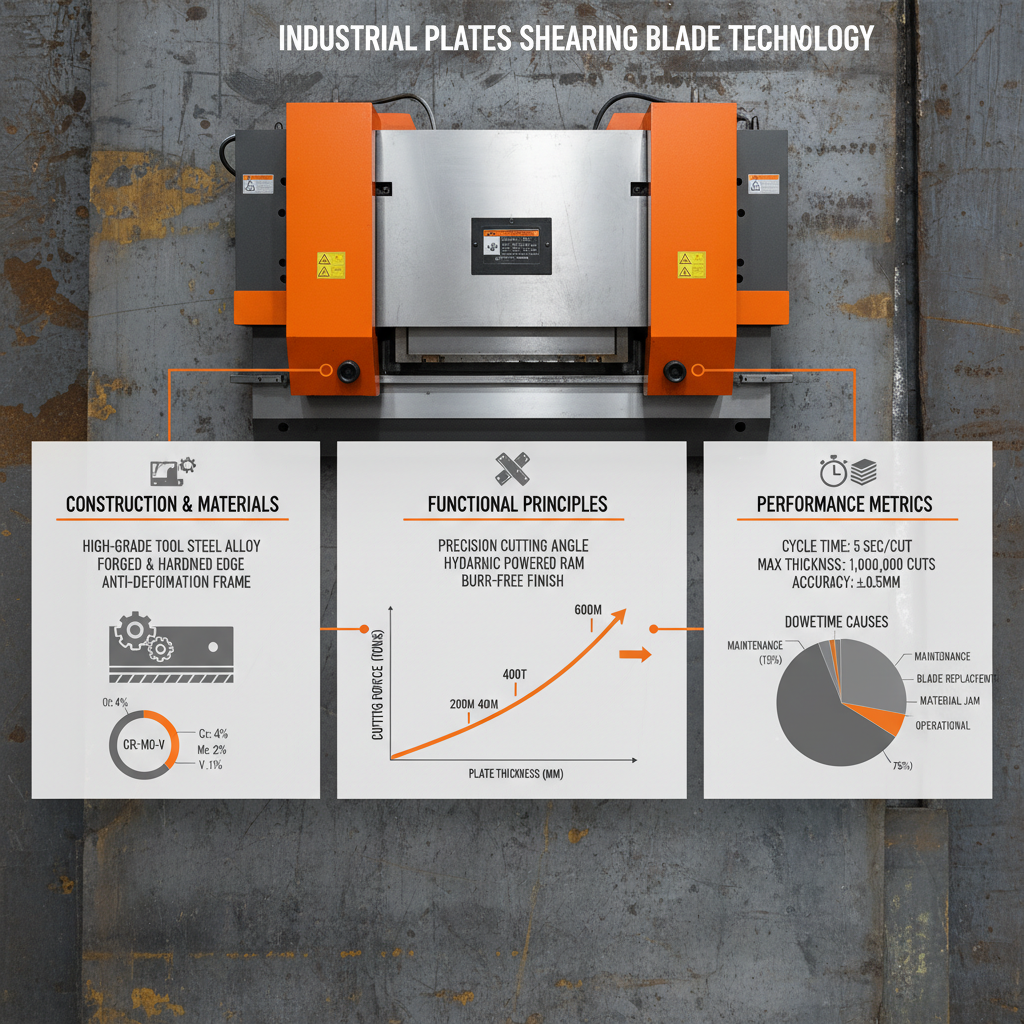
Choosing the right plates shearing blade is a crucial investment for any metal fabrication operation. By considering the material, type, and proper maintenance practices, you can optimize cutting performance, reduce costs, and ensure worker safety. MechBlades provides a comprehensive range of high-quality blades and services to meet your specific needs.
Frequently Asked Questions (FAQs)
How often should I replace my plates shearing blades?
The replacement frequency depends on the material being cut, the volume of work, and the blade material. Generally, blades should be replaced when they show signs of significant wear, such as chipping, cracking, or excessive dulling. Regular inspections can help determine when replacement is necessary. As a rule of thumb, HSS blades may need replacing more frequently than carbide blades. Ignoring wear can lead to reduced cutting accuracy, increased energy consumption, and potential blade failure, creating a safety hazard.
What is the best way to store plates shearing blades?
Proper storage is vital for preserving blade sharpness and preventing corrosion. Blades should be stored in a dry, clean environment, protected from moisture and extreme temperatures. Use blade protectors or a dedicated storage rack to prevent damage to the cutting edges. Applying a thin coat of oil can further protect against corrosion. Avoid storing blades with other tools that could cause scratching or chipping.
Can I sharpen plates shearing blades myself?
While it's possible to sharpen plates shearing blades yourself, it requires specialized equipment and expertise. Improper sharpening can damage the blade and compromise its cutting performance. Professional sharpening services, like those offered by MechBlades, ensure that blades are sharpened to the optimal angle and finish, maximizing their lifespan and efficiency. Using the wrong technique or tools can actually reduce the blade's life.
What safety precautions should I take when handling plates shearing blades?
Plates shearing blades are extremely sharp and pose a significant safety risk. Always wear appropriate personal protective equipment (PPE), including gloves, safety glasses, and sturdy footwear. Handle blades with care and avoid touching the cutting edges. Ensure the shearing machine is properly guarded and maintained. Follow all manufacturer's safety guidelines and receive proper training before operating any shearing equipment. Never attempt to repair or modify blades without the appropriate expertise.