Choosing the Right Sheet Metal Cutting Blade: A Comprehensive Guide
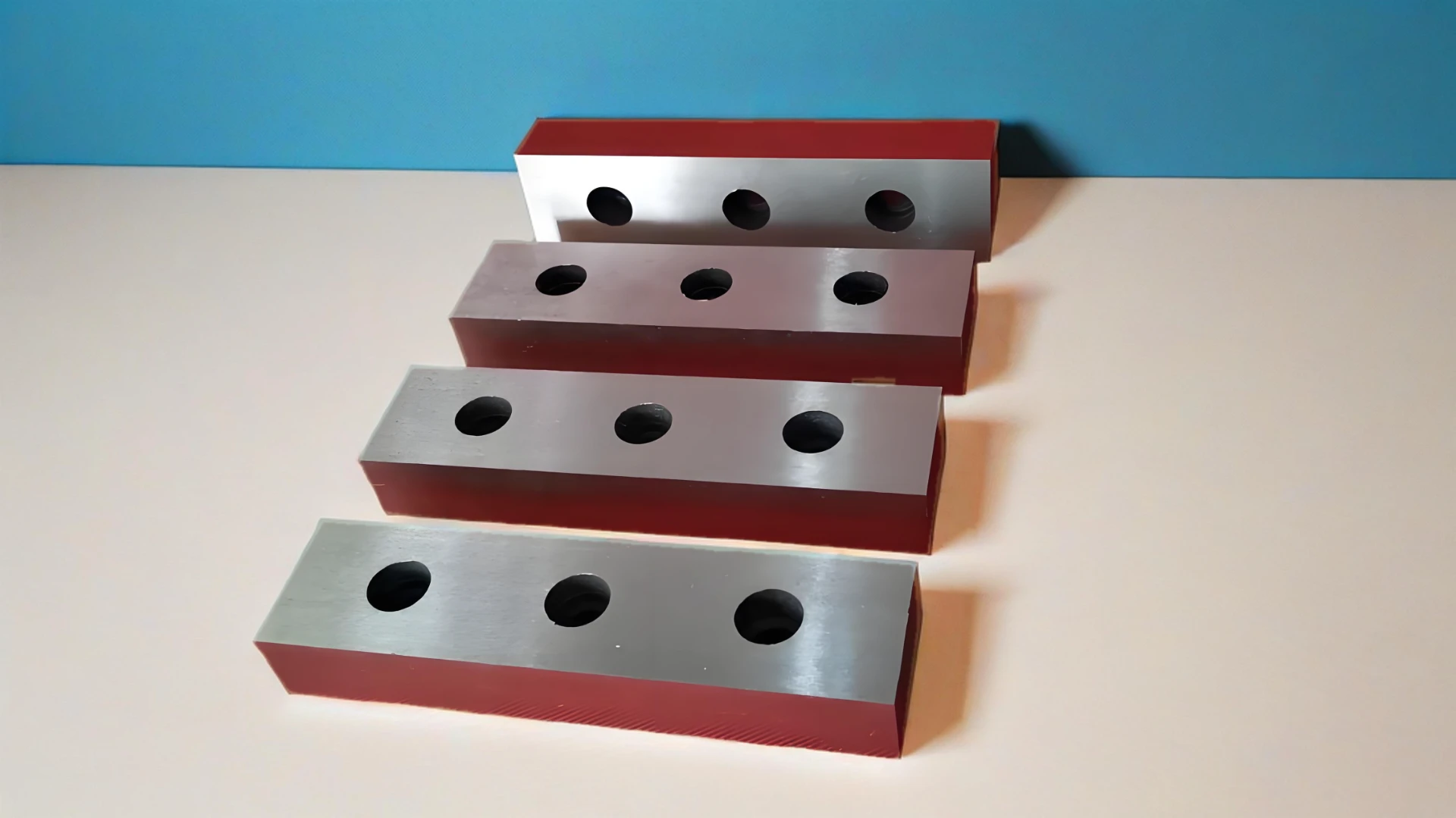
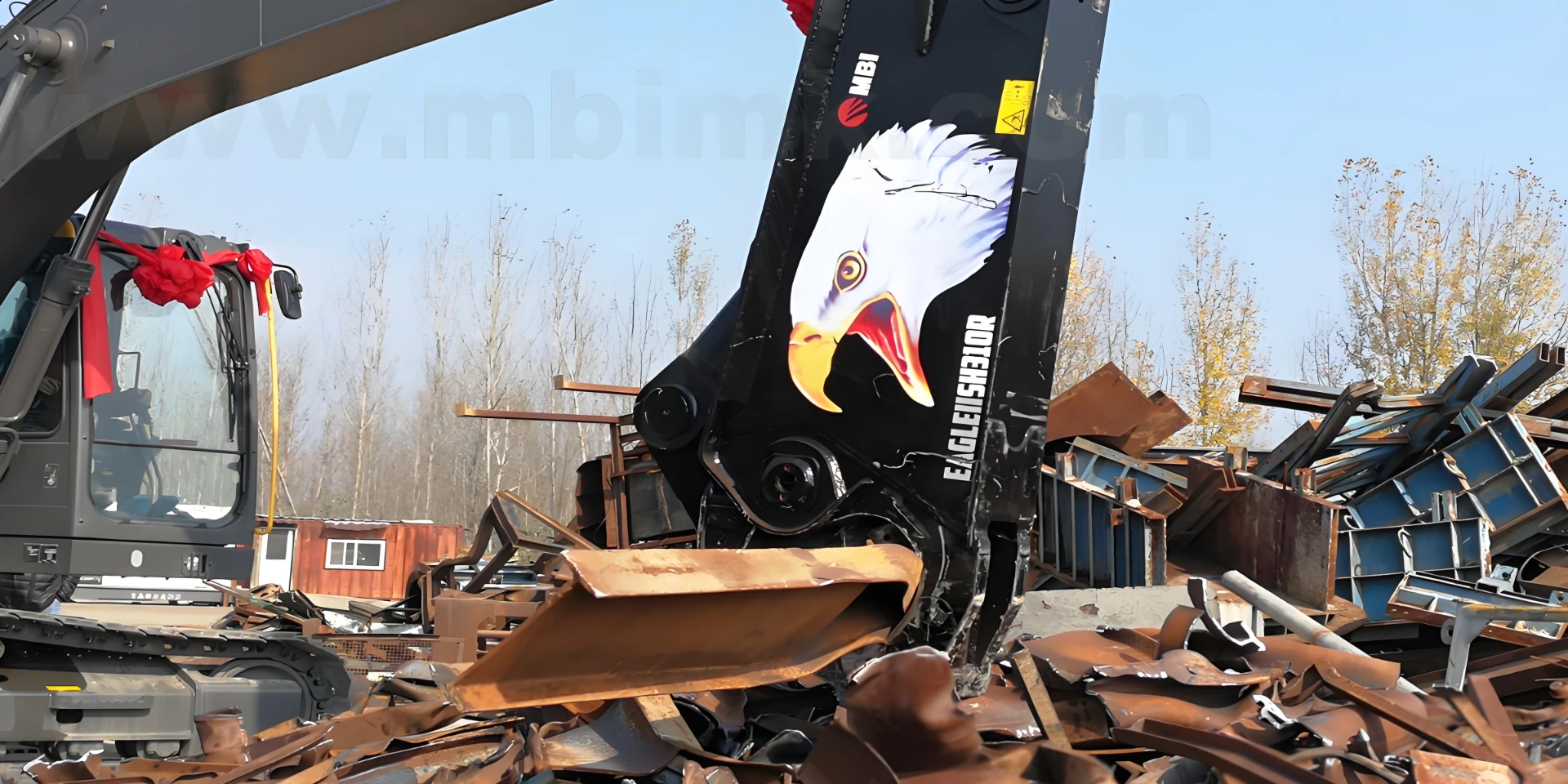
Selecting the appropriate sheet metal cutting blade is critical for achieving clean, efficient, and cost-effective results. The market offers a diverse range of blades designed for different materials, thicknesses, and cutting methods. This article provides a detailed overview of sheet metal cutting blades, covering types, applications, material considerations, and how to choose the best blade for your specific needs. Understanding these factors will help you optimize your cutting process and maximize blade lifespan.
Types of Sheet Metal Cutting Blades
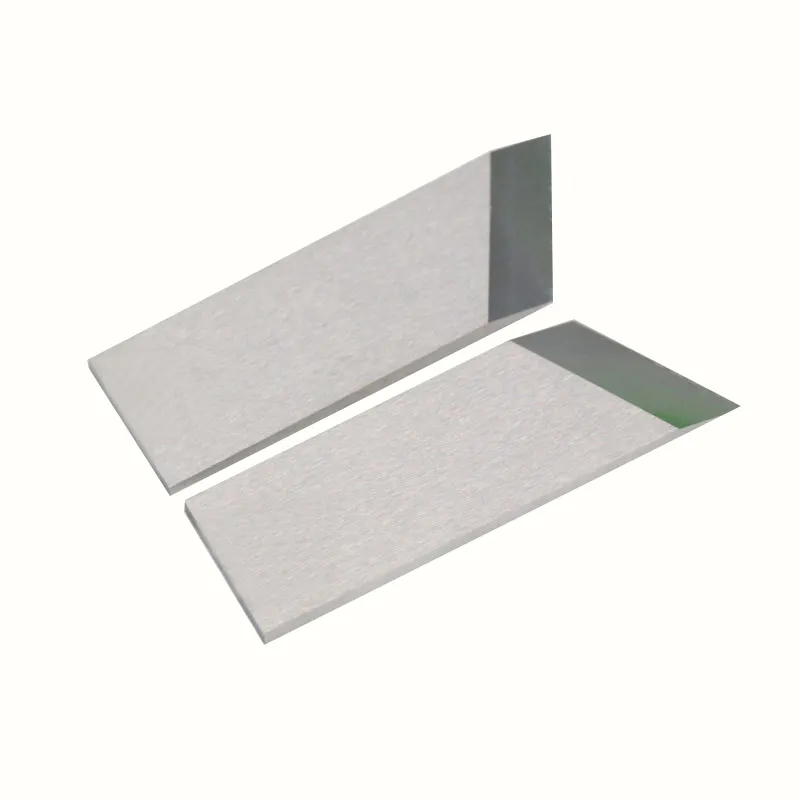
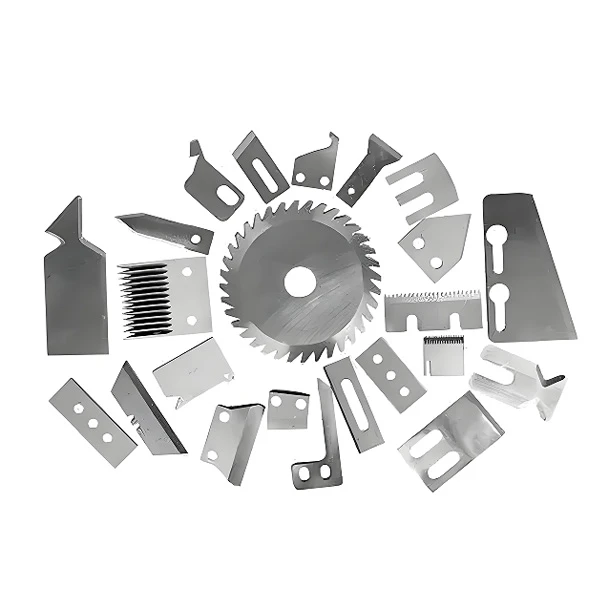
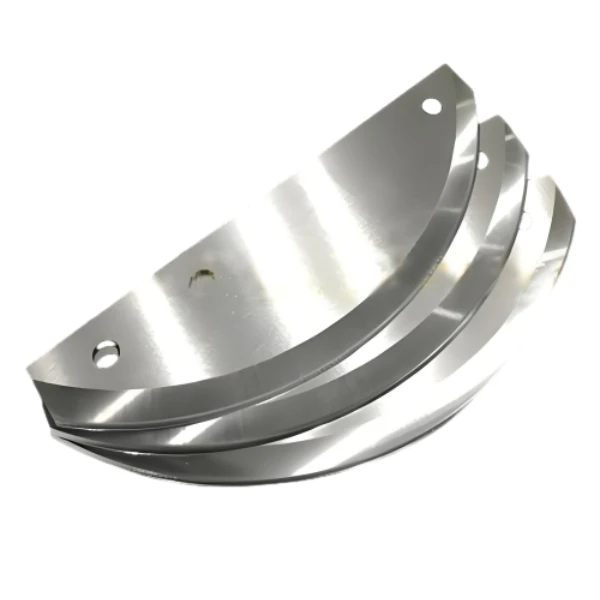
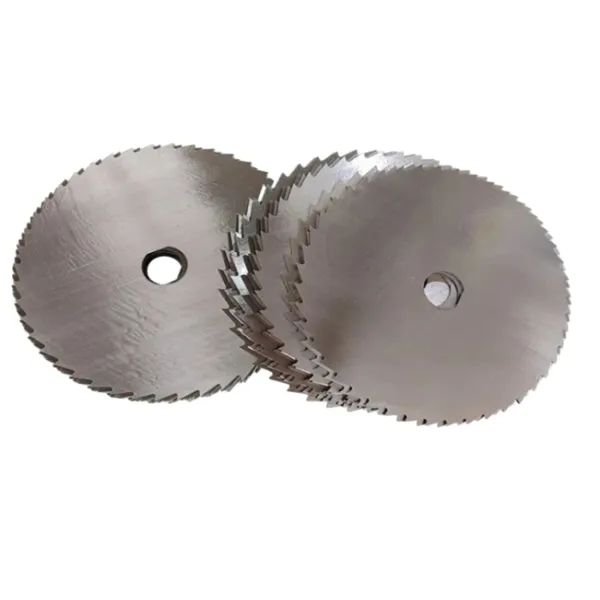
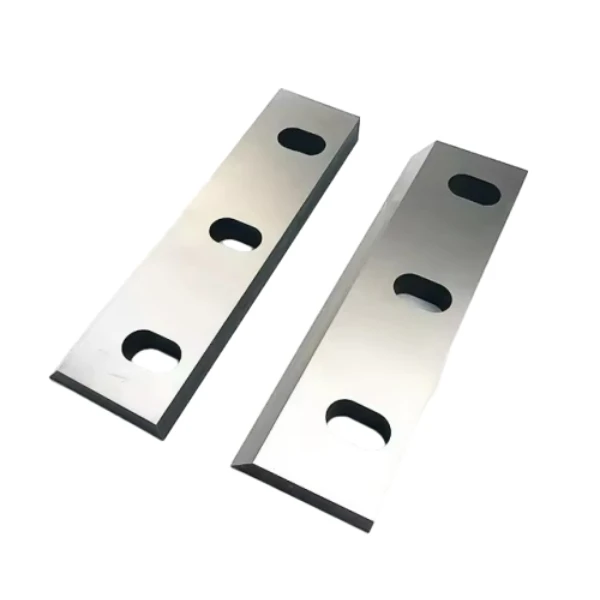
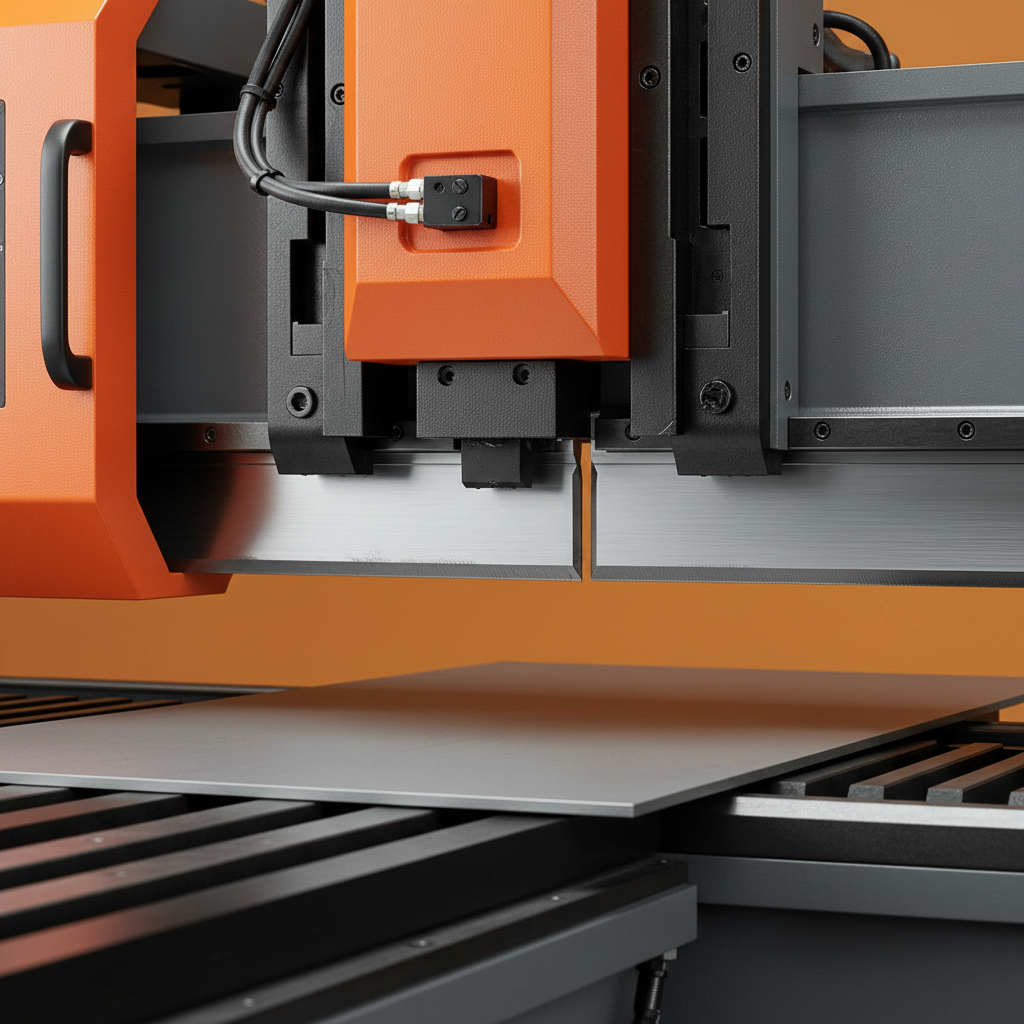
Sheet metal cutting blades are available in various types, each suited for different applications. Common types include abrasive blades, cold saw blades, and milling blades. Abrasive blades are cost-effective for general-purpose cutting but wear down quickly. Cold saw blades provide cleaner cuts and longer life, ideal for steel and non-ferrous metals. Milling blades offer precision and are often used for intricate designs or thicker materials. The selection depends heavily on the material being cut, the desired cut quality, and the frequency of use.
Key Highlights: Understanding the differences between blade types is paramount to achieving optimal cutting performance and maximizing blade lifespan.
Material Considerations for Sheet Metal Cutting Blades
The material of the sheet metal being cut significantly impacts blade selection. For stainless steel, blades designed to resist corrosion and heat buildup are essential. Aluminum requires blades that prevent material buildup and maintain a sharp edge. Carbon steel is generally easier to cut but still benefits from high-quality blades for cleaner cuts and longer lifespan. Using the wrong blade material can lead to premature wear, poor cut quality, and even blade failure.
Material Compatibility Guide:
• Stainless Steel: Use blades with high molybdenum content for corrosion resistance.
• Aluminum: Opt for blades with specialized coatings to prevent material adhesion.
• Carbon Steel: High-speed steel (HSS) blades are generally suitable.
• Galvanized Steel: Blades designed to handle zinc coatings without excessive wear.
Choosing the Right Sheet Metal Cutting Blade for Your Application
The ideal blade depends on the specific application. For high-volume production, durable cold saw blades are often the best choice, despite the higher initial cost. For occasional use or smaller projects, abrasive blades may be sufficient. Consider the thickness of the material – thicker materials require blades with a larger tooth count and more robust construction. Also, factor in the desired cut quality; precision cuts demand milling blades or high-quality cold saw blades. Mechblades offers a wide selection of blades to meet diverse cutting needs.
Factors Affecting Blade Lifespan
Several factors influence the lifespan of a sheet metal cutting blade. Proper blade speed and feed rate are crucial; exceeding recommended limits can cause premature wear. Consistent cooling and lubrication reduce friction and heat buildup. Regularly inspecting the blade for damage, such as cracks or missing teeth, is also essential. Maintaining sharp blades through occasional sharpening (when appropriate for the blade type) extends their usability.
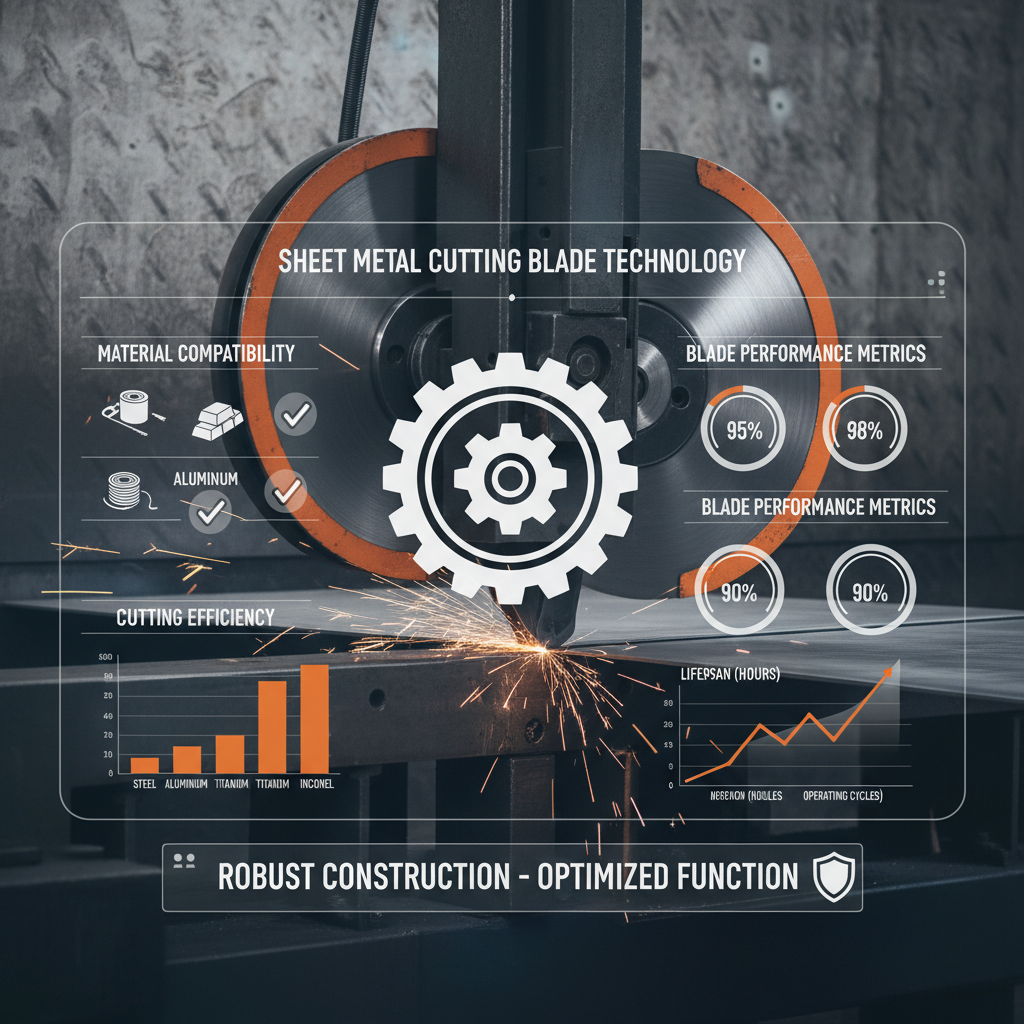
Product Specifications Example: Mechblades Cold Saw Blade
Here’s a specification example for a popular cold saw blade available at Mechblades:
Conclusion: Selecting the Right Blade for Optimal Performance
Choosing the right sheet metal cutting blade is an investment in efficiency, quality, and safety. By carefully considering the material, application, and blade specifications, you can ensure optimal cutting performance and minimize downtime. Mechblades provides a comprehensive selection of high-quality blades and expert guidance to help you find the perfect solution for your needs.
Frequently Asked Questions (FAQs)
What is the difference between a ferrous and non-ferrous metal blade?
Ferrous metals, like steel, contain iron and are generally harder to cut. Blades designed for ferrous metals are typically made from tougher materials like HSS or carbide and have teeth configurations designed to withstand the higher forces involved. Non-ferrous metals, such as aluminum and brass, are softer and require blades with different tooth geometries to prevent material buildup and ensure a clean cut. Aluminum blades often feature specialized coatings to reduce adhesion. Using the correct blade type prevents premature wear and optimizes cutting performance.
How do I determine the correct blade speed for my material?
Blade speed is crucial for optimal cutting. Generally, harder materials require slower speeds, while softer materials can be cut at higher speeds. Refer to the blade manufacturer's recommendations, typically found on the blade packaging or in their online resources. Using the wrong speed can lead to excessive heat buildup, blade wear, or a poor-quality cut. Always prioritize safety and start with a slower speed, gradually increasing it until you achieve the desired results.
What are the signs that my sheet metal cutting blade needs replacing?
Several signs indicate a blade needs replacing. Dull blades require excessive force to cut, resulting in jagged edges and increased heat buildup. Chipped or missing teeth are obvious indicators of damage. If the blade is producing excessive vibration or noise, it may be worn or damaged. Regularly inspect the blade for any signs of wear and replace it when necessary to maintain safety and cutting quality.
Where can I find a reliable supplier for sheet metal cutting blades?
Mechblades is a trusted supplier of high-quality sheet metal cutting blades. They offer a wide range of blades for various applications and materials, along with expert advice and excellent customer service. You can find detailed product specifications, customer reviews, and competitive pricing on their website.