The Ultimate Guide to Stainless Food Blades
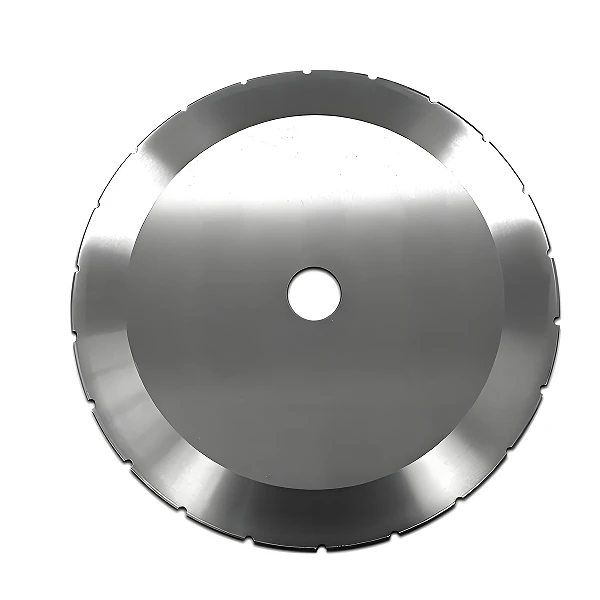
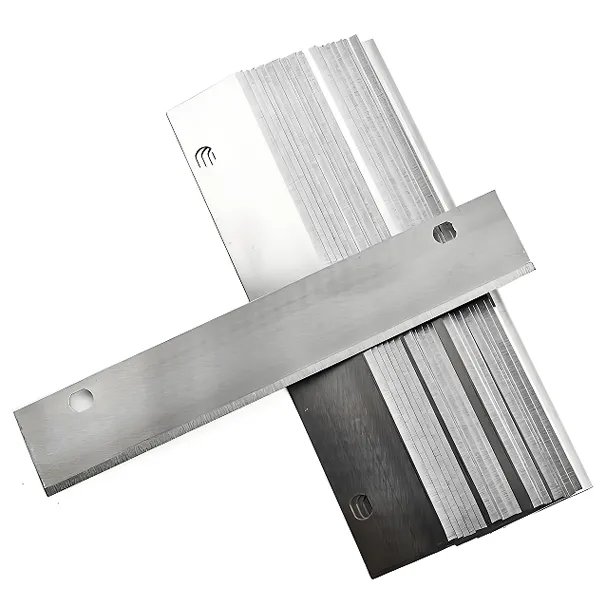
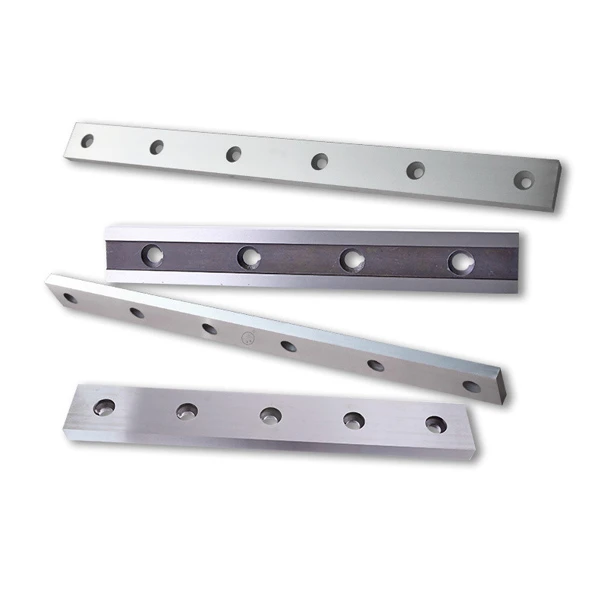
In the dynamic world of food processing and preparation, the quality of your tools directly impacts efficiency, safety, and hygiene. A crucial element often overlooked is the blade – specifically, stainless food blades. These blades are the workhorses of countless operations, from slicing and dicing to mixing and pureeing. This article provides a comprehensive overview of stainless food blades, covering their benefits, types, applications, and key considerations when choosing the right blade for your needs. Investing in quality blades means investing in the success of your operations.
Understanding the Benefits of Stainless Food Blades
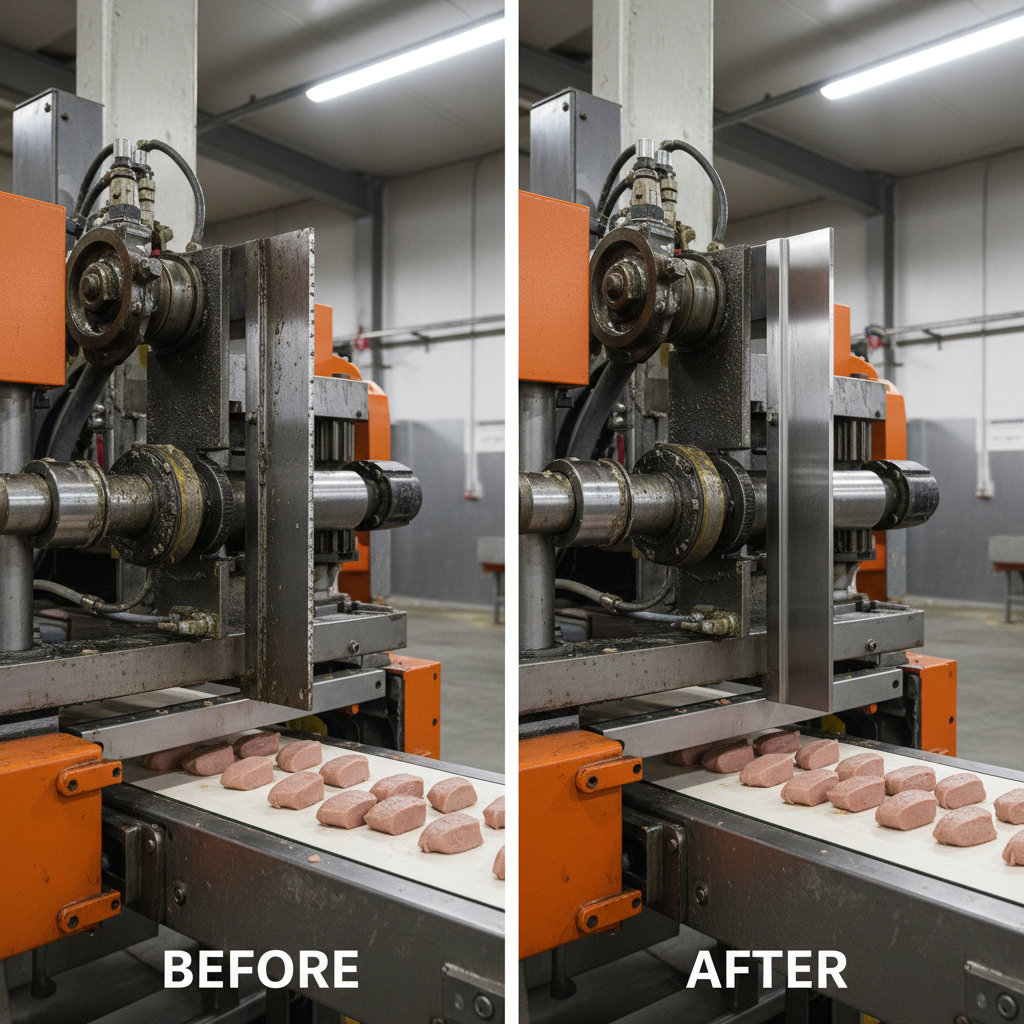
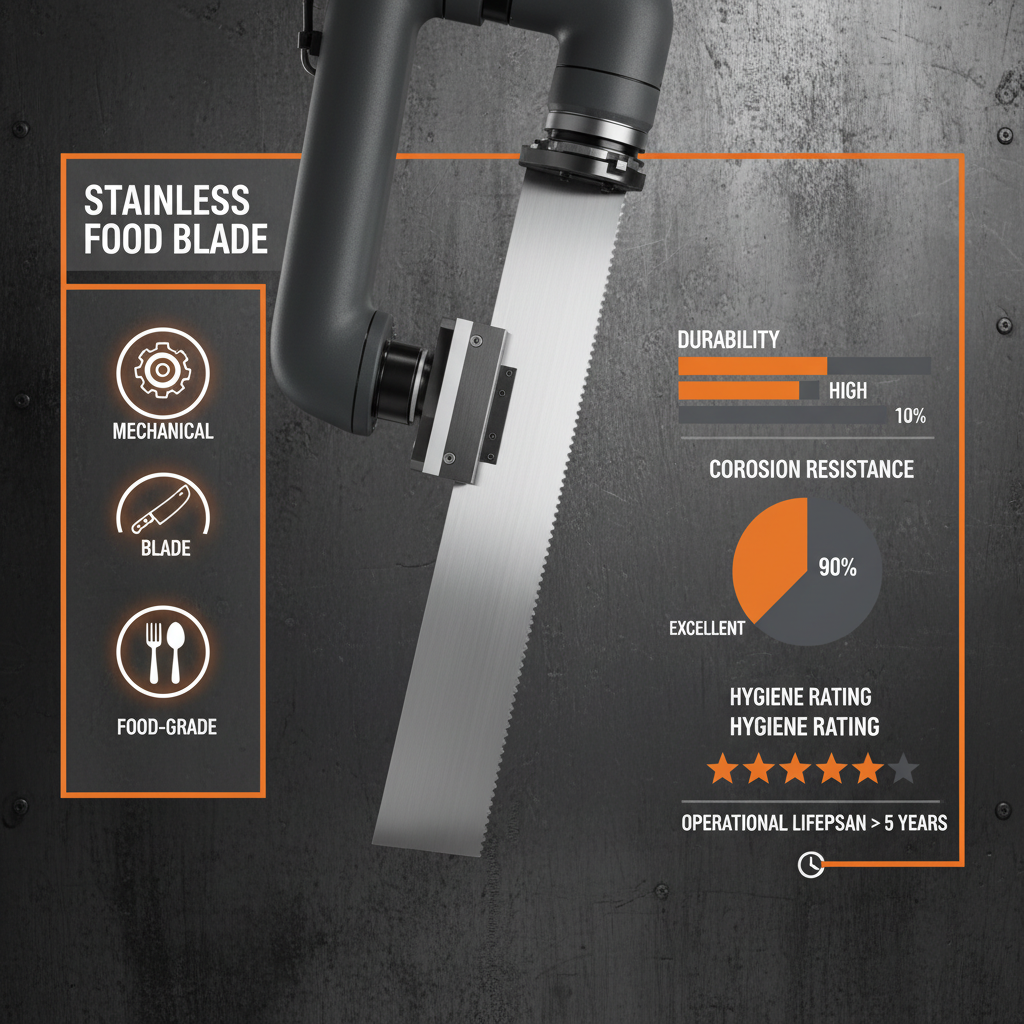
Stainless steel is the material of choice for food-grade blades for a multitude of reasons. Firstly, it's incredibly resistant to corrosion, preventing rust and ensuring the blade remains hygienic over extended use. This is critical in preventing contamination of food products. Secondly, stainless steel is remarkably durable, maintaining a sharp edge for a longer period compared to other materials. Finally, stainless steel is non-reactive, meaning it won't impart any unwanted flavors or odors to the food being processed. MechBlades specializes in delivering high-quality stainless steel blades designed for optimal performance and longevity.
Key Benefits: Corrosion resistance, durability, non-reactive properties, hygiene, and consistent performance.
Types of Stainless Food Blades
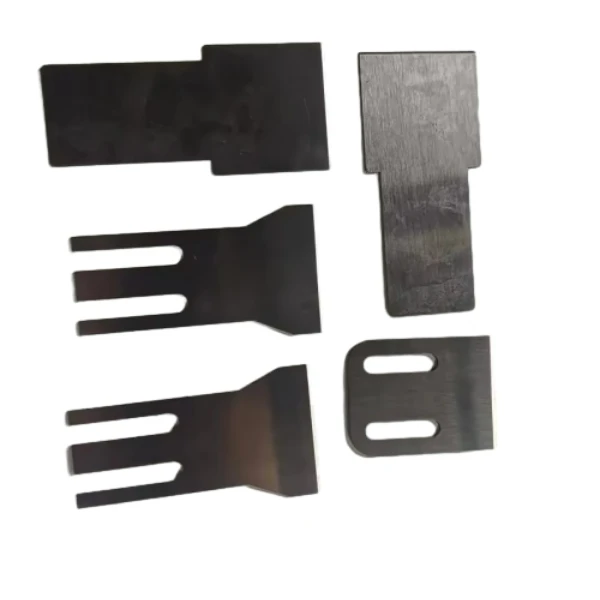
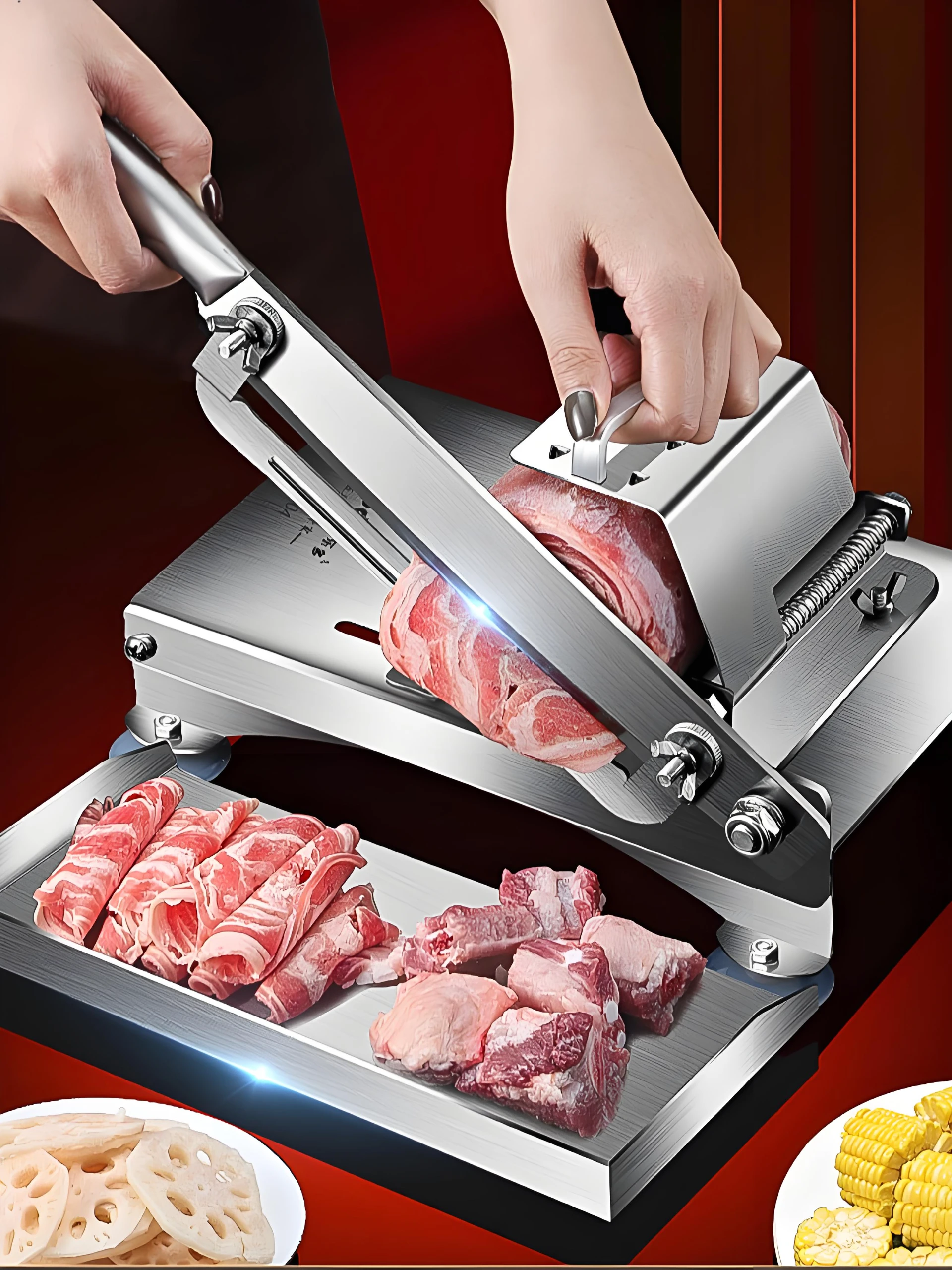
Stainless food blades come in a variety of shapes and designs, each suited for specific tasks. Common types include: straight blades for slicing, curved blades for chopping and mincing, serrated blades for bread and tomatoes, and specialized blades for pastry cutting or meat processing. The grade of stainless steel also varies, with 304 and 420 being the most commonly used in food applications. 304 stainless steel offers excellent corrosion resistance, while 420 stainless steel provides higher hardness and edge retention. Choosing the correct type depends entirely on the intended application. MechBlades offers a wide selection of blade types and grades to meet diverse needs.
Blade Type Overview:
• Straight Blades: Slicing meats, vegetables, and cheeses.
• Curved Blades: Chopping, mincing, and dicing.
• Serrated Blades: Cutting bread, tomatoes, and delicate fruits.
• Specialized Blades: Pastry cutting, meat processing, and specific food applications.
Stainless Food Blade Materials: Comparing Grades
Selecting the right grade of stainless steel is paramount for ensuring blade longevity and food safety. While many grades exist, 304 and 420 stainless steel are the most prevalent in food processing. Here’s a comparison:
Applications of Stainless Food Blades Across Industries
The versatility of stainless food blades extends across numerous industries. Food processing plants rely on them for high-volume slicing, dicing, and portioning. Restaurants utilize them in daily food preparation. Catering services depend on their durability for on-site and off-site events. Even in smaller-scale operations like bakeries and delis, high-quality blades are essential for consistent results. MechBlades provides solutions tailored to each industry's specific needs.
Care and Maintenance of Your Stainless Food Blades
Proper care and maintenance are crucial for maximizing the lifespan and performance of your stainless food blades. Regularly wash and sanitize blades after each use with warm, soapy water. Avoid abrasive cleaners, which can damage the blade's surface. Sharpening is essential to maintain a clean cut and prevent accidents. Professional sharpening services are recommended for optimal results. Store blades safely when not in use, using blade guards or sheaths to prevent injury. MechBlades also offers sharpening services and protective storage solutions.
Conclusion: Investing in Quality Stainless Food Blades
Choosing the right stainless food blades is an investment in the efficiency, safety, and hygiene of your operations. By understanding the different types of blades, materials, and maintenance requirements, you can make informed decisions that will benefit your business for years to come. Don't compromise on quality – choose blades that are built to last and deliver exceptional performance.
Frequently Asked Questions (FAQs)
How often should I sharpen my stainless food blades?
The frequency of sharpening depends on the volume of use and the type of food being processed. As a general guideline, blades should be sharpened whenever they begin to show signs of dullness, such as tearing instead of cleanly cutting. For high-volume operations, sharpening may be required weekly or even daily. For occasional use, sharpening every few months may suffice. It's always best to err on the side of caution and sharpen blades regularly to ensure optimal performance and safety.
Are all stainless steel blades food safe?
Not all stainless steel is created equal. To be considered food-safe, stainless steel must meet specific standards regarding its composition and ability to resist corrosion. Look for blades made from grades 304 or 420 stainless steel, as these are commonly used and approved for food contact. Ensure the blades are free from any coatings or materials that could leach into food. MechBlades guarantees that all its food blades are manufactured with food-safe materials.
What is the best way to store stainless food blades?
Proper storage is essential to prevent damage and maintain the sharpness of your stainless food blades. Store blades in a dry, well-ventilated area. Use blade guards, sheaths, or blocks to protect the edges from contact with other objects. Avoid storing blades with other metal utensils, as this can cause scratches and dulling. Regularly inspect blades for any signs of damage or corrosion before storage.
How do I choose the right blade for a specific food item?
Selecting the right blade depends on the texture and consistency of the food. For soft foods like tomatoes, a serrated blade is ideal. For meats, a straight or slightly curved blade works best. For delicate pastries, a specialized pastry blade is recommended. Consider the thickness and density of the food – thicker items require a heavier blade with more force, while thinner items require a finer blade for precision. Consulting with a blade specialist or referencing product guides can help you make the right choice.