Selecting the Right Food Machinery Blade for Optimal Performance
In the food processing industry, the efficiency and hygiene of machinery are paramount. A critical component often overlooked, yet essential for smooth operations, is the food machinery blade. These blades are responsible for slicing, dicing, chopping, and mixing a wide variety of food products. Choosing the correct blade type, material, and sharpness is crucial for maintaining product quality, minimizing downtime, and ensuring food safety. This article will explore the key considerations when selecting a food machinery blade, the different types available, and how to ensure longevity and optimal performance.
Understanding the Importance of High-Quality Food Machinery Blades
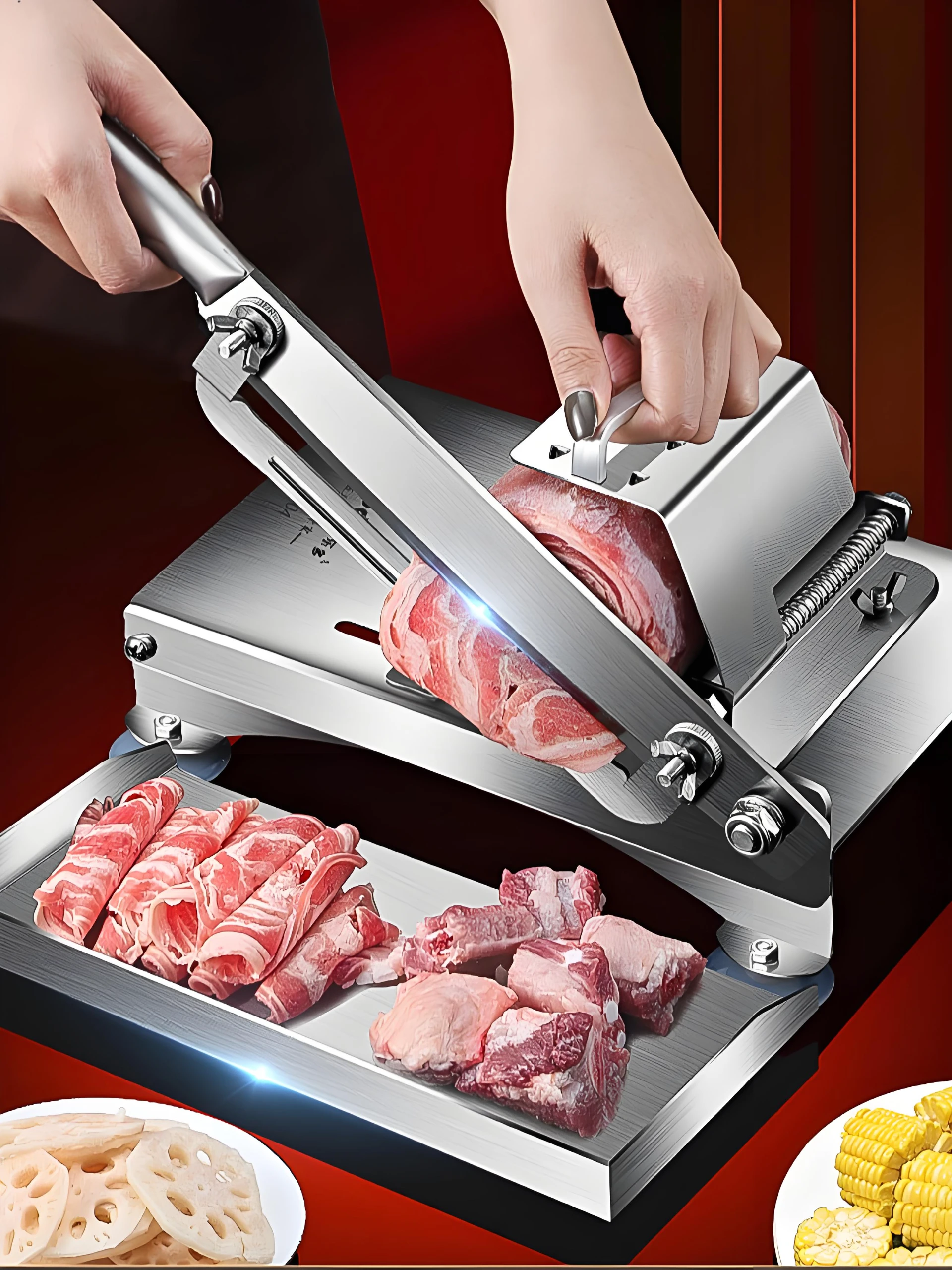
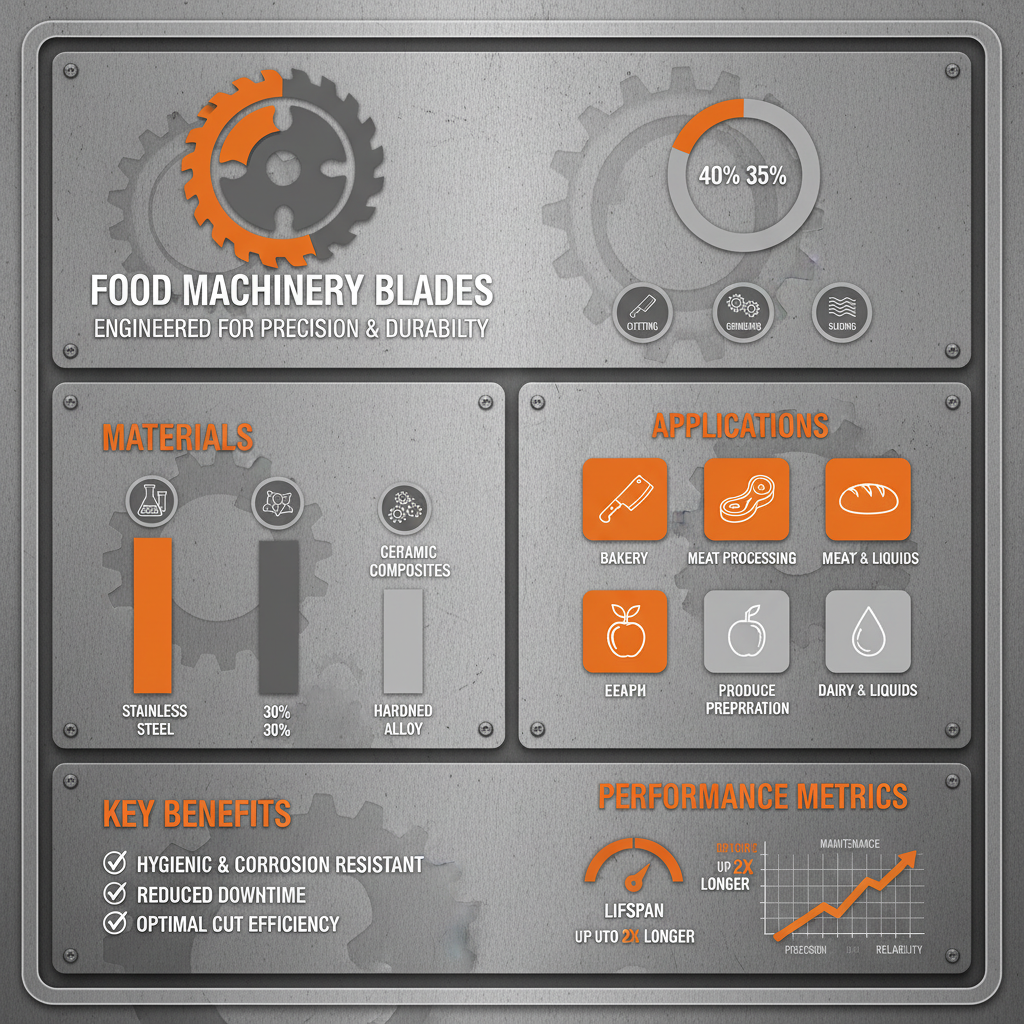
Using the right food machinery blade isn't just about cutting; it’s about consistency, safety, and upholding product standards. Dull or damaged blades can lead to inconsistent cuts, bruised or torn products, and increased risk of contamination. Furthermore, forcing a dull blade requires more energy, potentially damaging the machinery and increasing operational costs. High-quality blades crafted from food-grade materials ensure hygiene, prevent corrosion, and contribute to a longer lifespan, ultimately saving you money and ensuring your product meets stringent quality control requirements. Investing in premium food machinery blades from a reputable supplier like MechBlades is a strategic investment in your business’s success.
Key Benefits: Improved product consistency, reduced waste, increased efficiency, enhanced food safety, and lower long-term costs.
Types of Food Machinery Blades Available
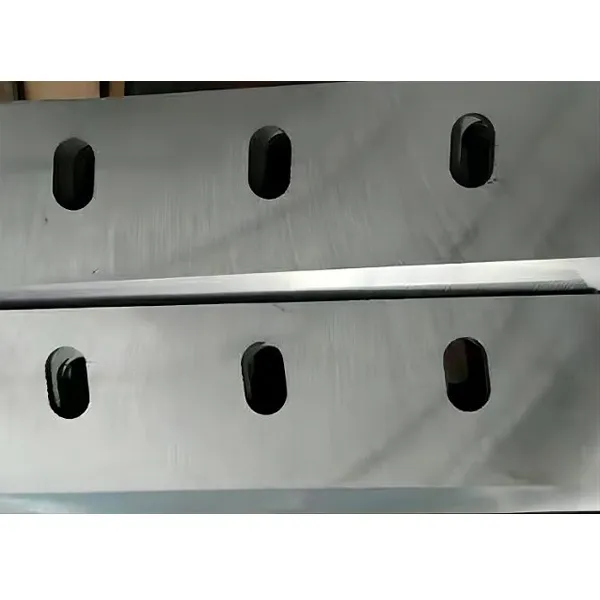
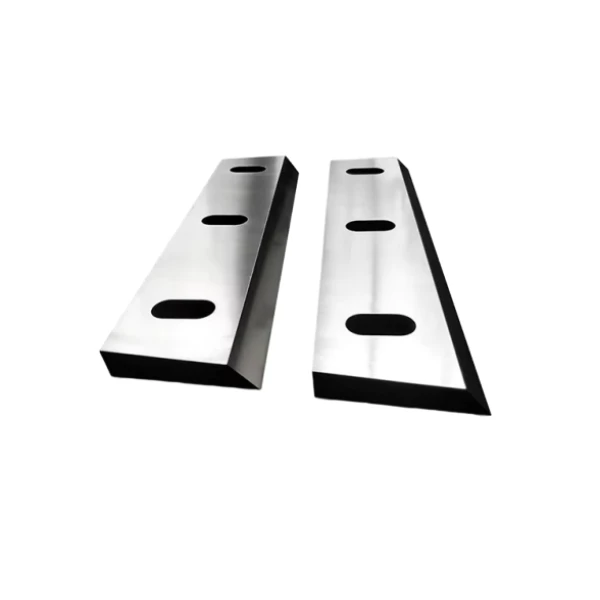
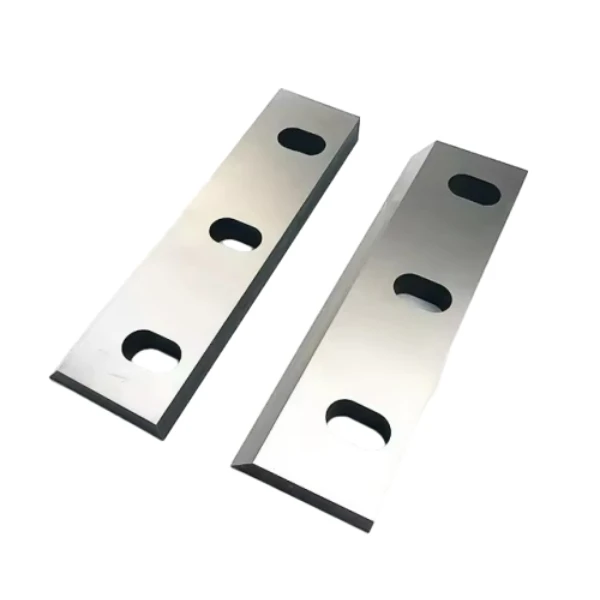
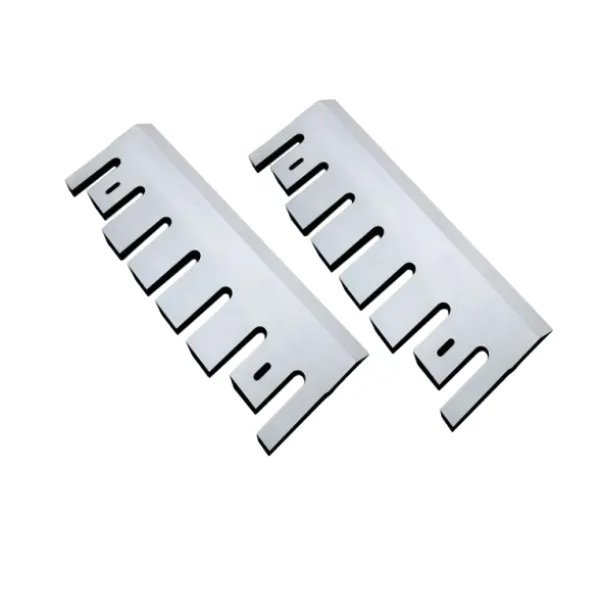
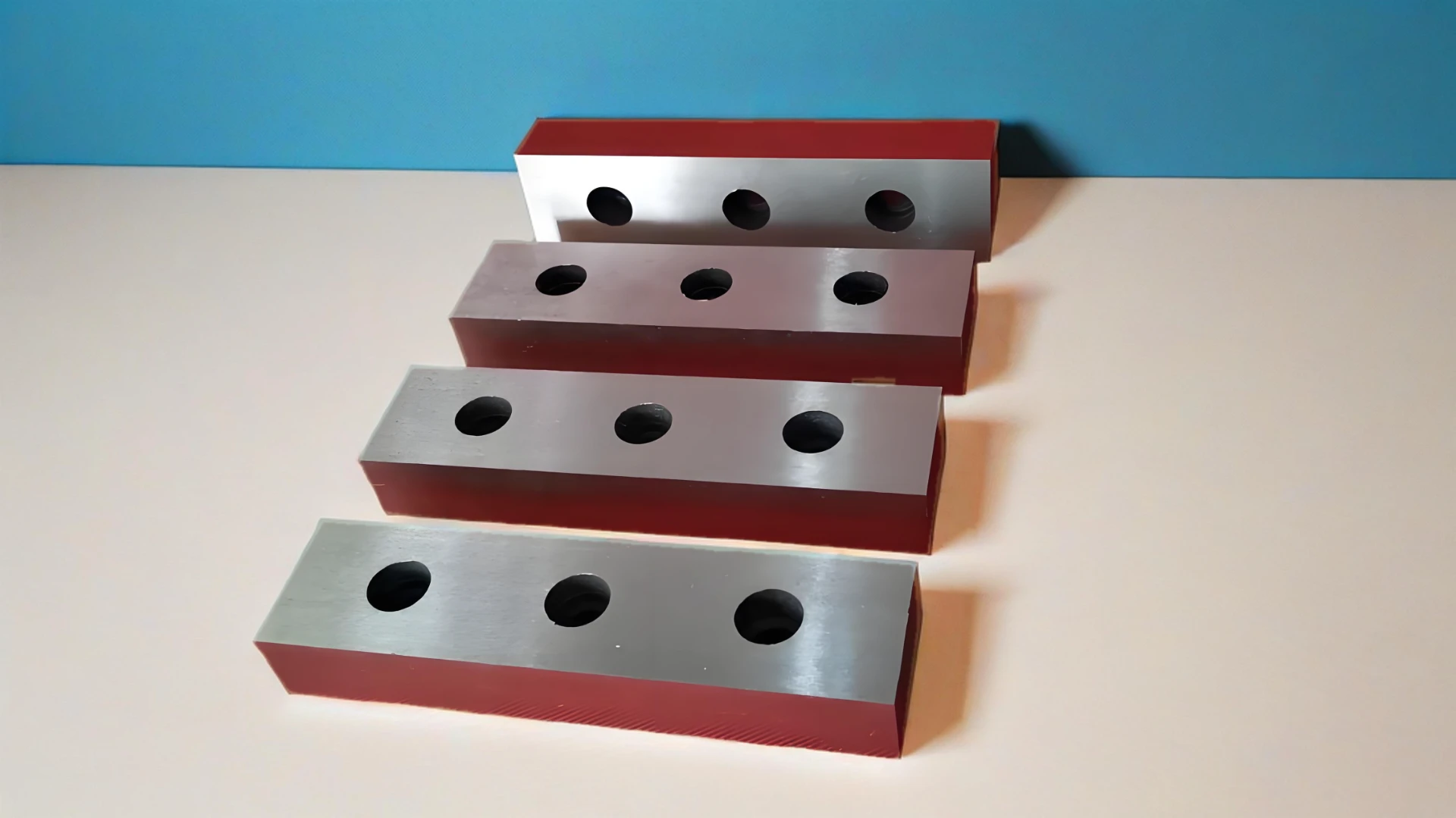
The food processing industry utilizes a diverse range of blades, each designed for specific applications. Some common types include:
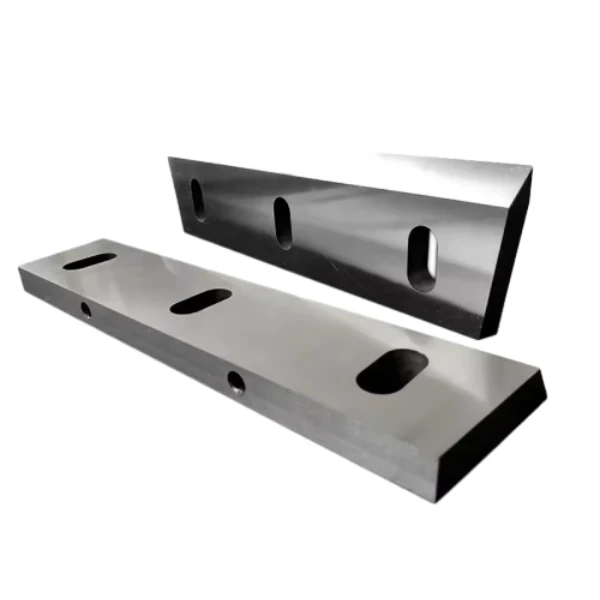
- Straight Blades: For general-purpose slicing and dicing.
- Curved Blades: Ideal for chopping and mincing.
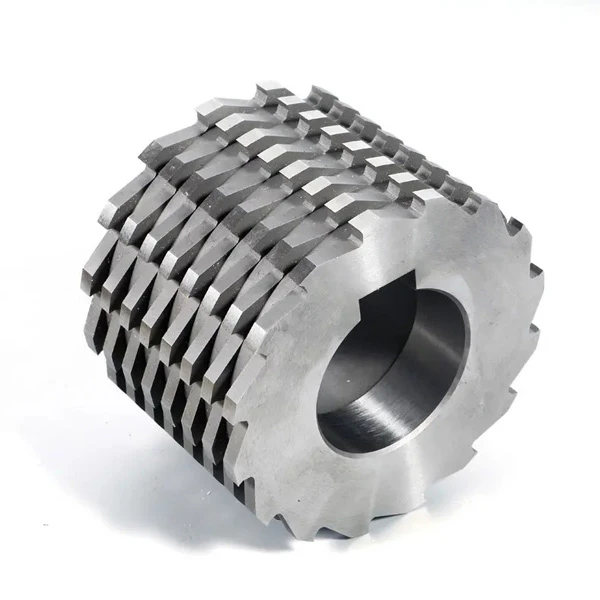
- Granulator Blades: Used to create granules or flakes.
- Serrated Blades: Excellent for gripping and cutting soft or fibrous materials.
- Dice Blades: Specifically designed for creating uniform dice-shaped cuts.
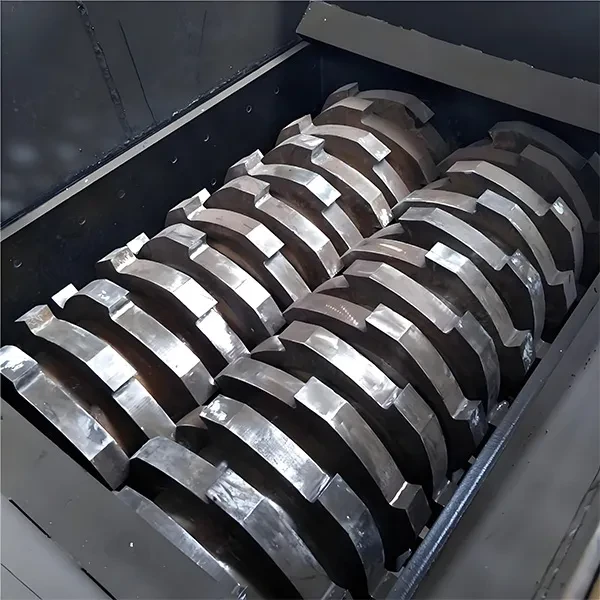
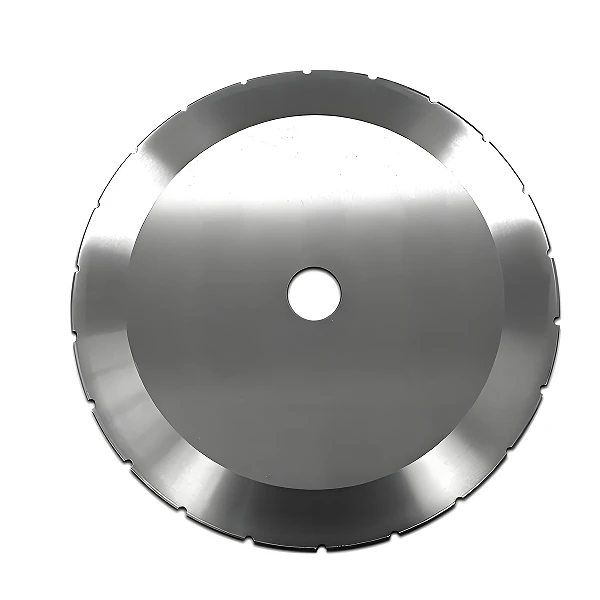
The optimal blade choice depends on the product being processed and the desired outcome. Understanding the different blade geometries is key to maximizing efficiency and achieving consistent results. MechBlades offers a comprehensive catalog of blade types to suit various applications.
Choosing the Right Blade:
• Consider the product's texture and consistency.
• Determine the desired cut size and shape.
• Evaluate the machinery's specifications.
• Prioritize food-grade materials for hygiene and safety.
Materials Used in Food Machinery Blades: A Comparative Overview
The material a food machinery blade is made from significantly impacts its performance, durability, and suitability for different applications. Common materials include:
Maintaining and Extending the Life of Your Food Machinery Blades
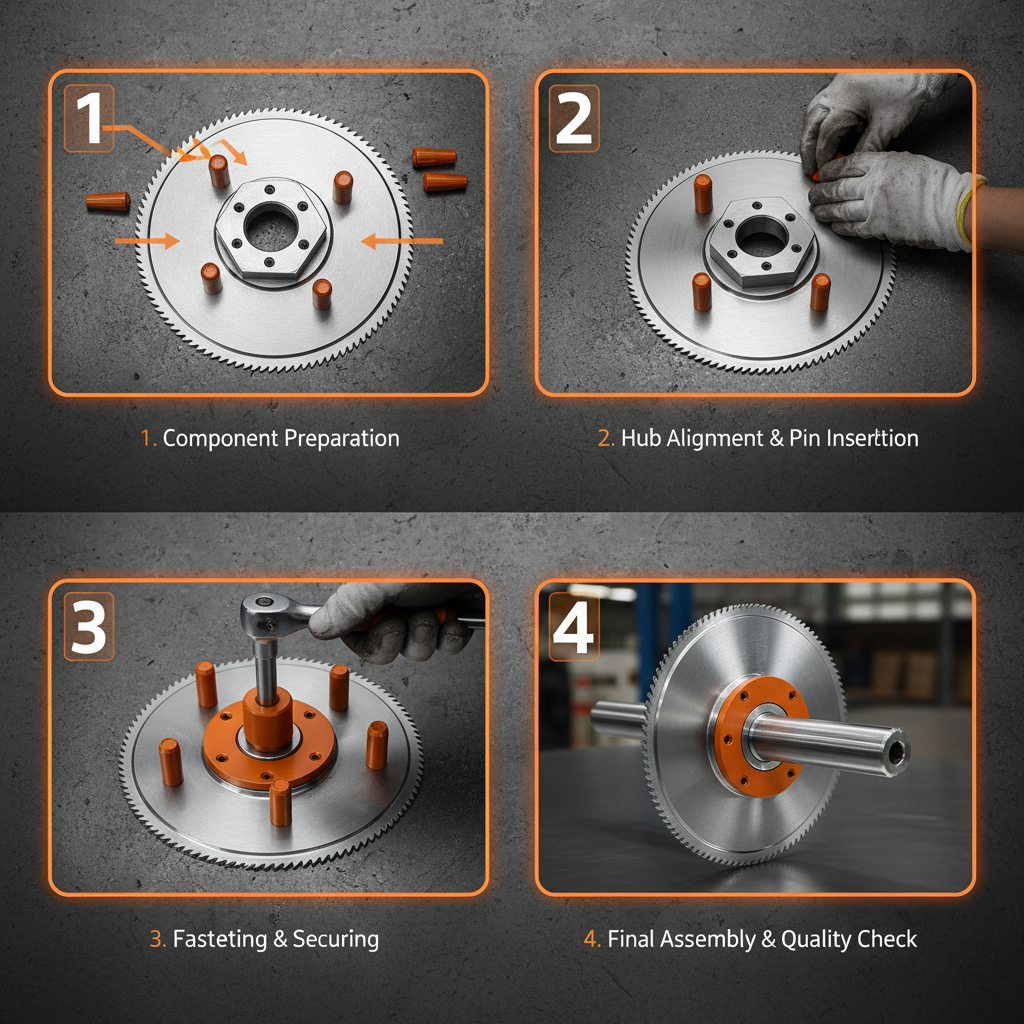
Proper maintenance is essential for maximizing the lifespan and performance of your food machinery blades. Regular cleaning is crucial to prevent buildup and corrosion. Sharpening should be performed by a qualified professional to maintain the optimal cutting edge. Avoid using abrasive cleaners that can damage the blade surface. Store blades in a dry, protected environment when not in use.
Conclusion: Investing in Quality and Maintenance
Choosing the right food machinery blade is a vital decision impacting product quality, safety, and operational efficiency. By understanding the different types of blades, materials, and maintenance practices, you can optimize your food processing operations and achieve superior results. MechBlades is your trusted partner for high-quality blades and expert support.
Frequently Asked Questions (FAQs)
How often should I replace my food machinery blades?
The replacement frequency depends on usage, the type of food being processed, and the blade material. Generally, blades should be inspected regularly for signs of wear, damage, or dullness. As a rule of thumb, blades used in high-volume production or processing abrasive foods may need to be replaced more frequently, potentially every 3-6 months. Blades used for softer products may last longer, up to a year or more. It’s always best to err on the side of caution and replace blades before they compromise product quality or safety. Regularly scheduled blade inspections are essential to proactively avoid performance issues.
What are the risks of using a dull food machinery blade?
Using a dull blade poses several risks. It requires more force to cut, increasing the risk of operator injury. It can also lead to inconsistent cuts, bruising, or tearing of the product, resulting in reduced yield and quality. Furthermore, a dull blade can put stress on the machinery, potentially causing damage and requiring costly repairs. In addition, forcing a dull blade can generate heat, which can negatively impact food safety.
Does MechBlades offer custom blade manufacturing?
Yes, MechBlades specializes in custom blade manufacturing. We can create blades to your exact specifications, including size, shape, material, and angle. Our experienced team works closely with you to understand your specific needs and deliver a tailored solution. Contact us with your requirements for a quote.