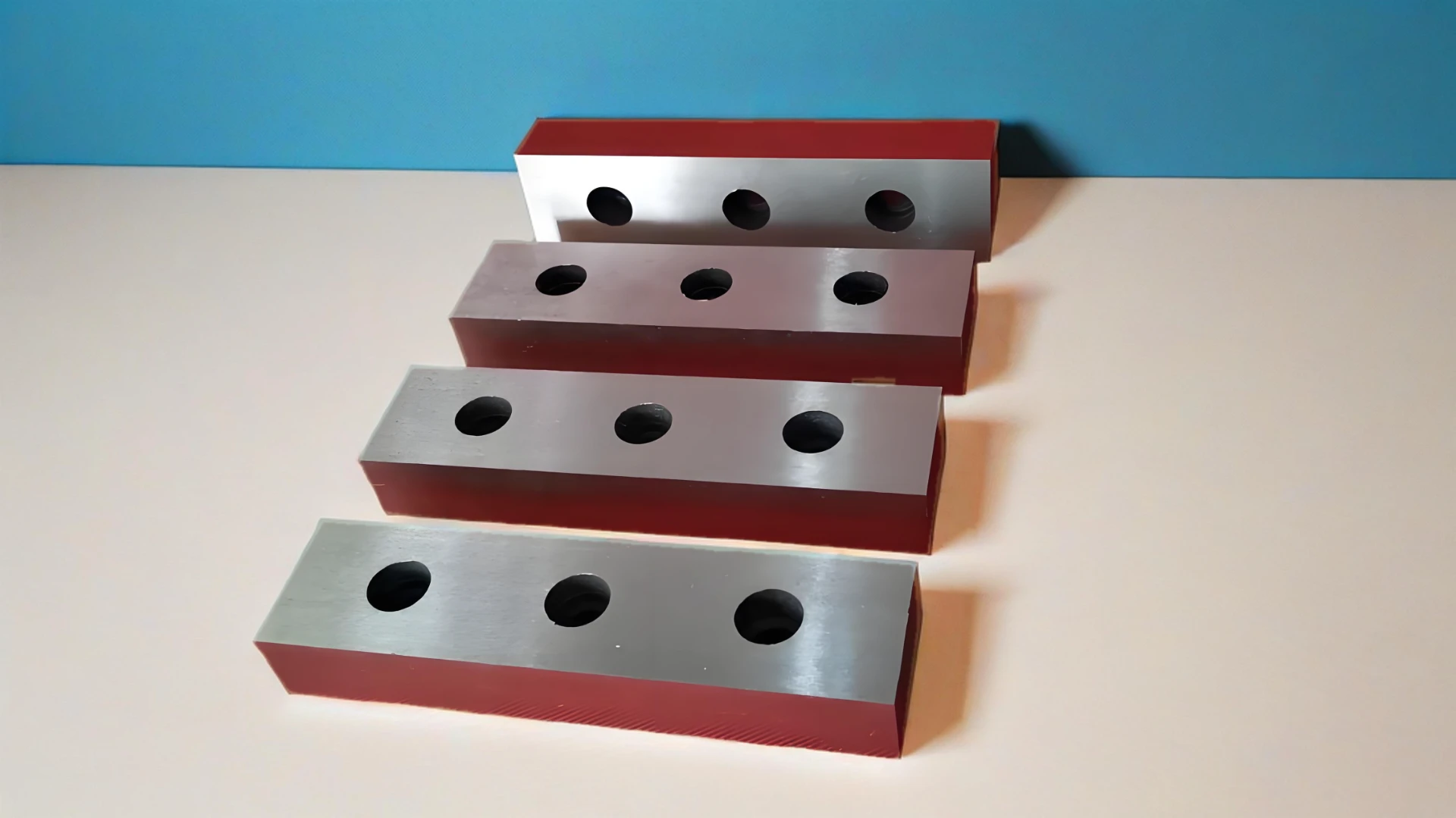
Understanding Hydraulic Plate Shear Blade Performance and Selection
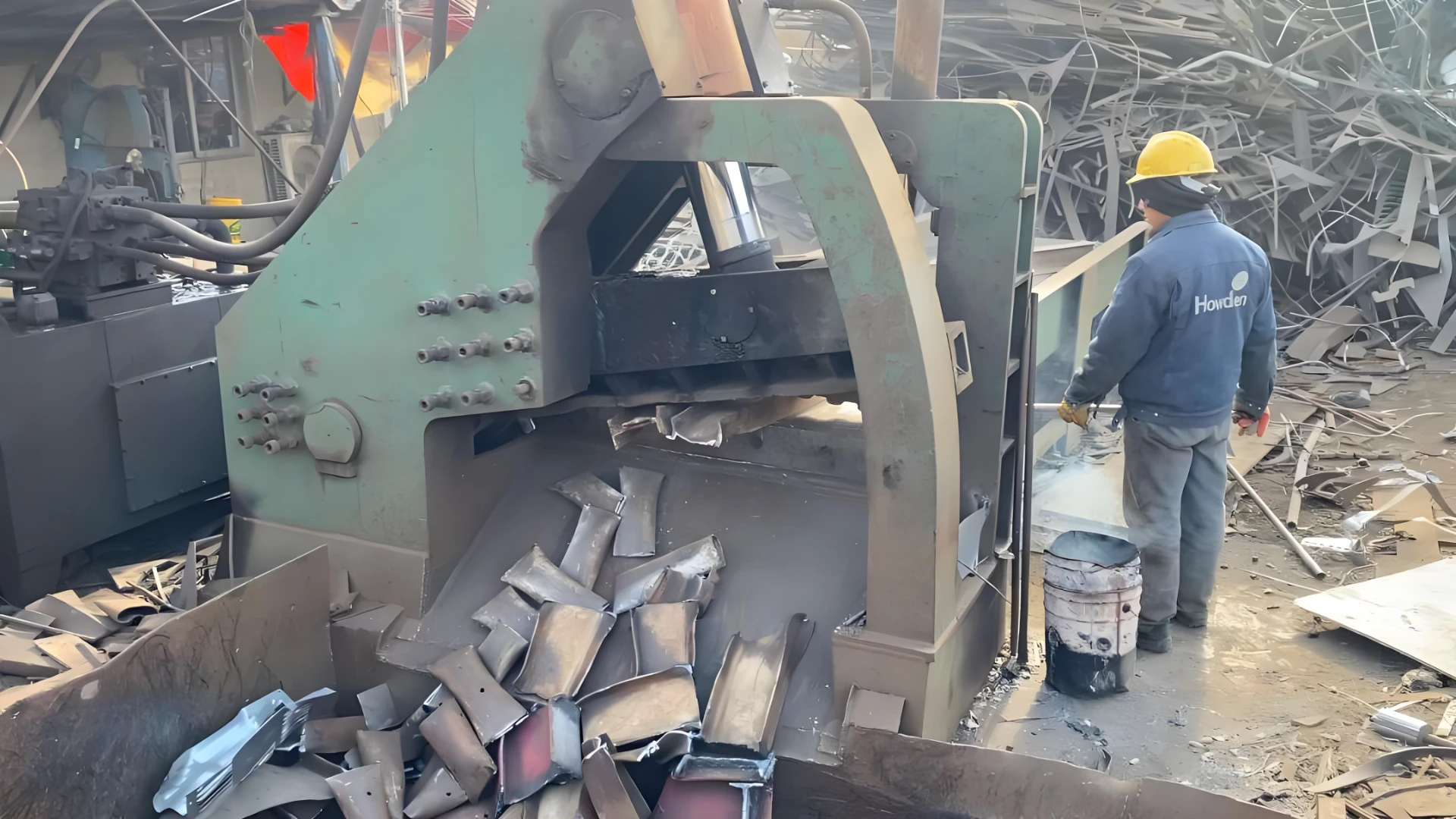
In the world of metal fabrication, the efficiency and precision of plate shearing are paramount. A critical component driving this process is the hydraulic plate shear blade. These blades, designed for robust cutting performance, play a crucial role in industries ranging from shipbuilding and construction to automotive and aerospace. Selecting the right blade is essential for optimizing cutting quality, minimizing downtime, and extending overall equipment lifespan. This article will delve into the key aspects of hydraulic plate shear blades, covering their types, materials, maintenance, and selection criteria.
Types of Hydraulic Plate Shear Blades
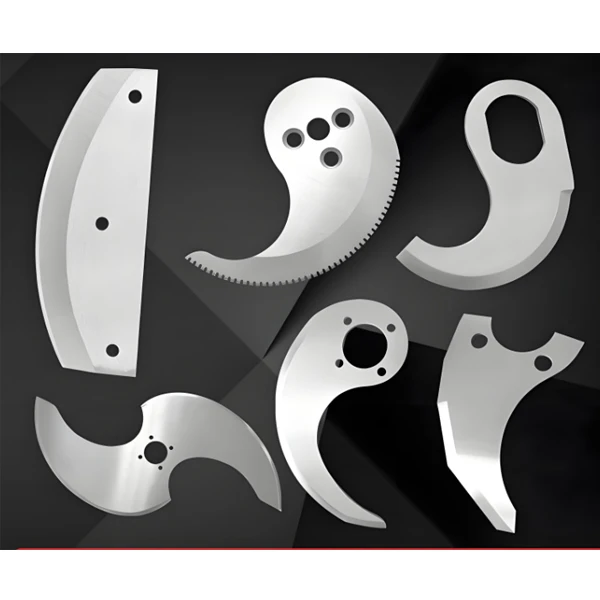
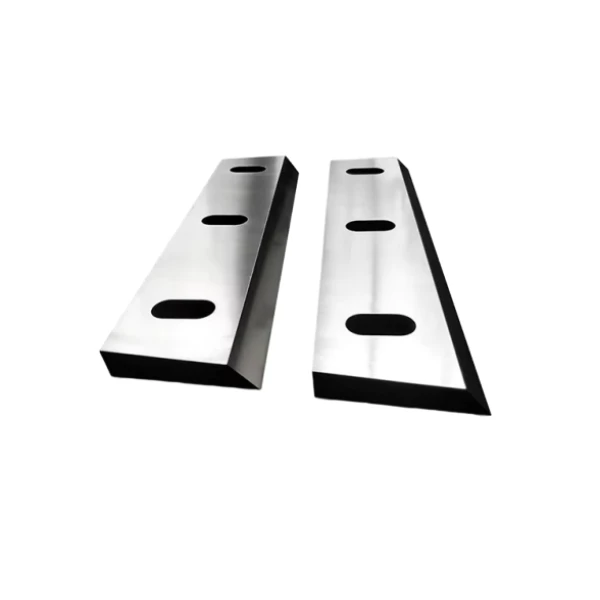
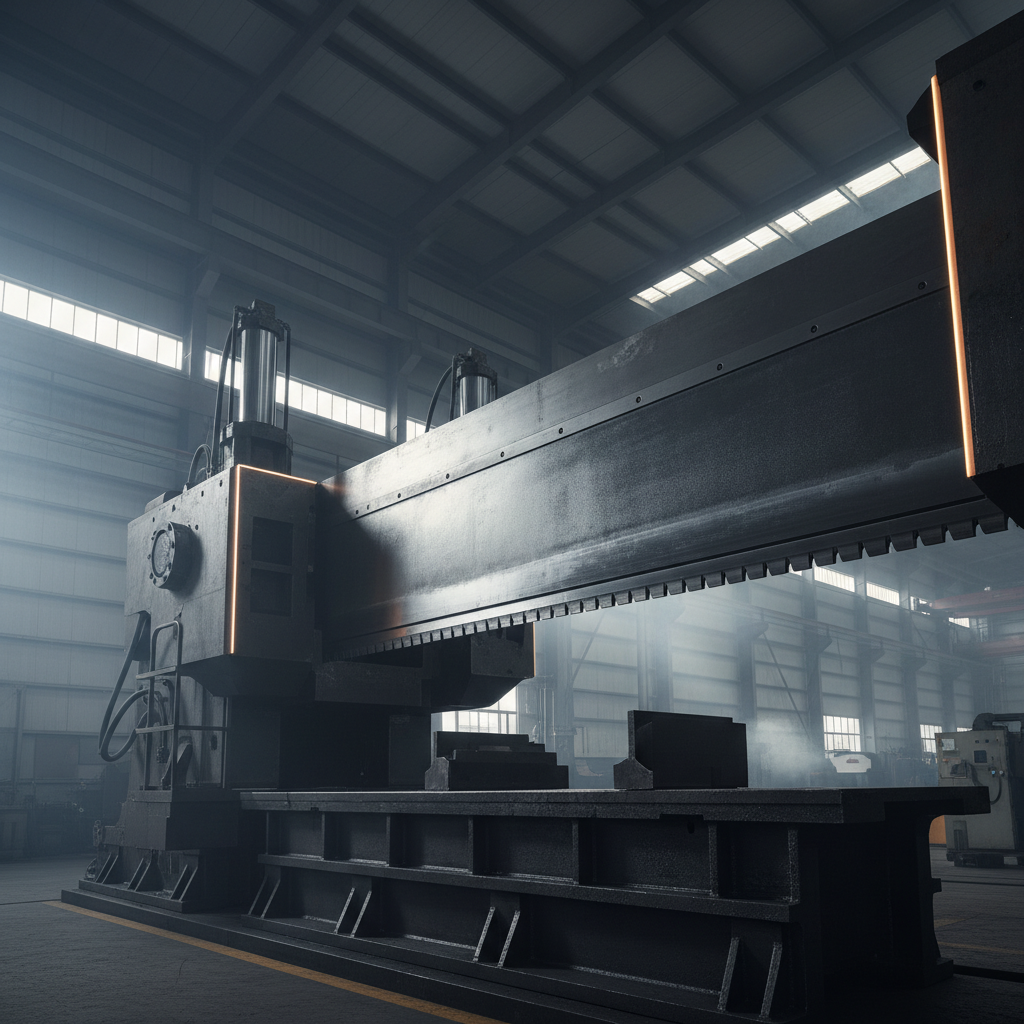
Hydraulic plate shear blades aren't one-size-fits-all. Different types are designed for specific materials and cutting requirements. The two primary categories are upper blades and lower blades. Upper blades typically have a slightly larger rake angle to initiate the cutting process, while lower blades provide the support and finishing cut. Within these categories, variations exist based on blade geometry, including straight edges, stepped edges (for improved shear angle), and specialized profiles for particular metals like stainless steel or aluminum. Choosing the correct blade type impacts the cut quality, burr formation, and blade longevity.
Material Selection: Key to Blade Performance
The material used in a hydraulic plate shear blade significantly affects its performance and lifespan. Common materials include tool steels like D2, DC53, and H13. D2 is a popular choice for its high hardness and wear resistance, making it suitable for general-purpose shearing. DC53 offers excellent toughness and is often used for shearing stainless steel. H13 is a hot work tool steel known for its resistance to softening at elevated temperatures, ideal for high-volume shearing applications. The specific material selected should align with the type of metal being cut and the operating conditions of the shear.
Key Material Considerations: Hardness, toughness, wear resistance, heat resistance, and compatibility with the material being sheared.
Comparing Hydraulic Plate Shear Blade Materials
Choosing the optimal blade material can be complex. Here's a comparative overview to assist in the selection process:
Maintaining Hydraulic Plate Shear Blade Performance
Regular maintenance is vital to extending the life of your hydraulic plate shear blades. This includes daily inspection for cracks, chips, or excessive wear. Sharpening is crucial; dull blades require more force, leading to increased wear on the shear machine and poor cut quality. Proper lubrication reduces friction and prevents overheating. Furthermore, ensuring correct blade alignment is essential for achieving a clean, square cut. A well-maintained blade reduces downtime and improves overall productivity.
Selecting the Right Supplier: MechBlades Advantage
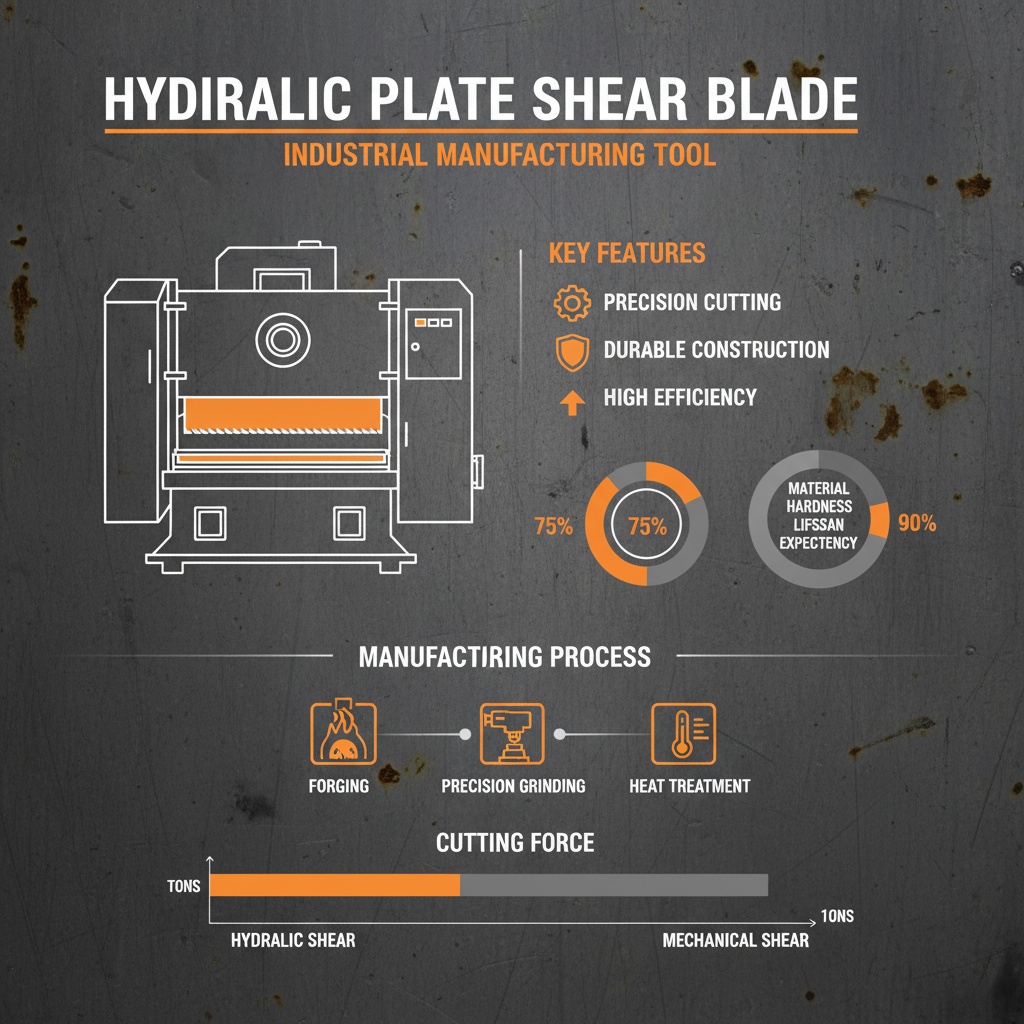
Choosing a reputable supplier for your hydraulic plate shear blades is as important as the blade itself. MechBlades offers a comprehensive range of high-quality blades, manufactured to precise specifications. We provide expert guidance in selecting the correct blade for your specific application, ensuring optimal performance and longevity. Our commitment to quality, combined with fast turnaround times and competitive pricing, makes us a trusted partner for metal fabrication businesses.
Conclusion: Maximize Your Shearing Efficiency
Investing in high-quality hydraulic plate shear blades and a proactive maintenance program are crucial for optimizing shearing operations. By carefully considering blade type, material, and supplier, you can significantly improve cut quality, reduce downtime, and enhance overall productivity. Don’t compromise on performance – choose MechBlades for reliable and efficient shearing solutions.
Frequently Asked Questions (FAQs)
How often should I sharpen my hydraulic plate shear blades?
The frequency of sharpening depends on the material being cut, the thickness of the material, and the volume of work. As a general guideline, inspect the blades after every 500-1000 cuts. If you notice any signs of dullness, such as increased cutting force, burr formation, or a rough cut edge, it's time to sharpen. Regular sharpening prevents excessive wear on the blades and the shear machine. Professional sharpening services can ensure the blades are restored to their optimal cutting edge.
What causes premature wear on hydraulic plate shear blades?
Several factors can contribute to premature wear. Incorrect blade alignment, inadequate lubrication, cutting materials that exceed the blade's capacity, and abrasive materials can all accelerate wear. Also, using blades made from unsuitable materials for the application will lead to rapid degradation. Consistent maintenance, proper blade selection, and adherence to the shear machine’s operating guidelines are crucial for extending blade life.
How do I know when to replace my hydraulic plate shear blades?
Even with regular sharpening, blades eventually reach the end of their lifespan. Replace blades when they exhibit significant wear, cracks, chips, or deformation. If the blades are repeatedly sharpened to the point where they lose their original geometry, they should be replaced. Continuing to use damaged blades compromises cut quality, increases the risk of machine damage, and poses a safety hazard. A visual inspection combined with a careful assessment of performance will help you determine when replacement is necessary.
What is the importance of blade clearance in hydraulic plate shearing?
Blade clearance, the gap between the upper and lower blades, is a critical factor in shearing quality. Incorrect clearance can lead to various issues, including excessive burr formation, distortion of the cut edge, and increased cutting force. Proper clearance ensures a clean, square cut and minimizes material waste. The optimal clearance will vary depending on the material being cut and the blade type, so consulting the shear machine’s manual or a blade specialist is recommended.