Understanding Sheet Shearing Blade Technology
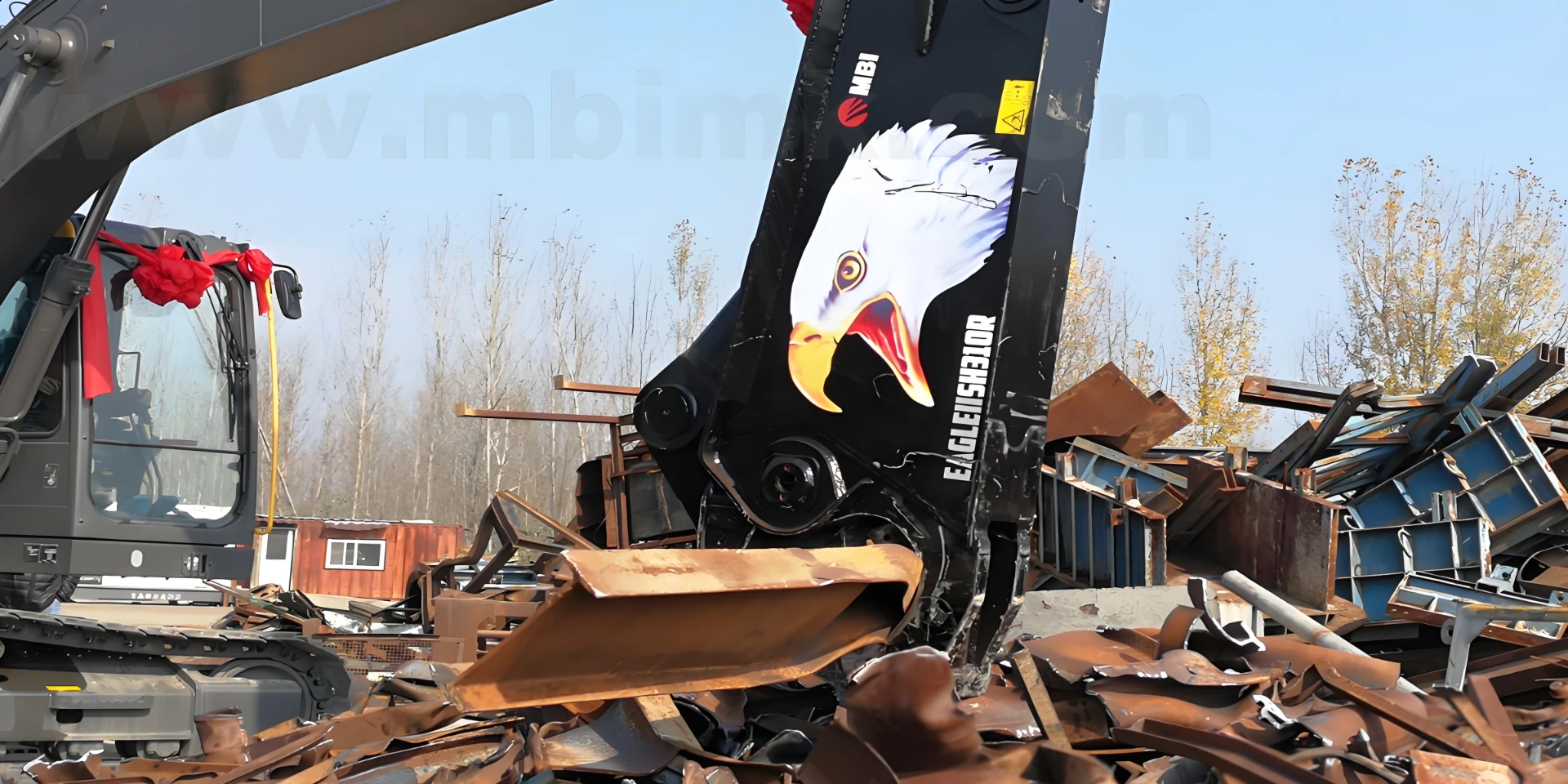
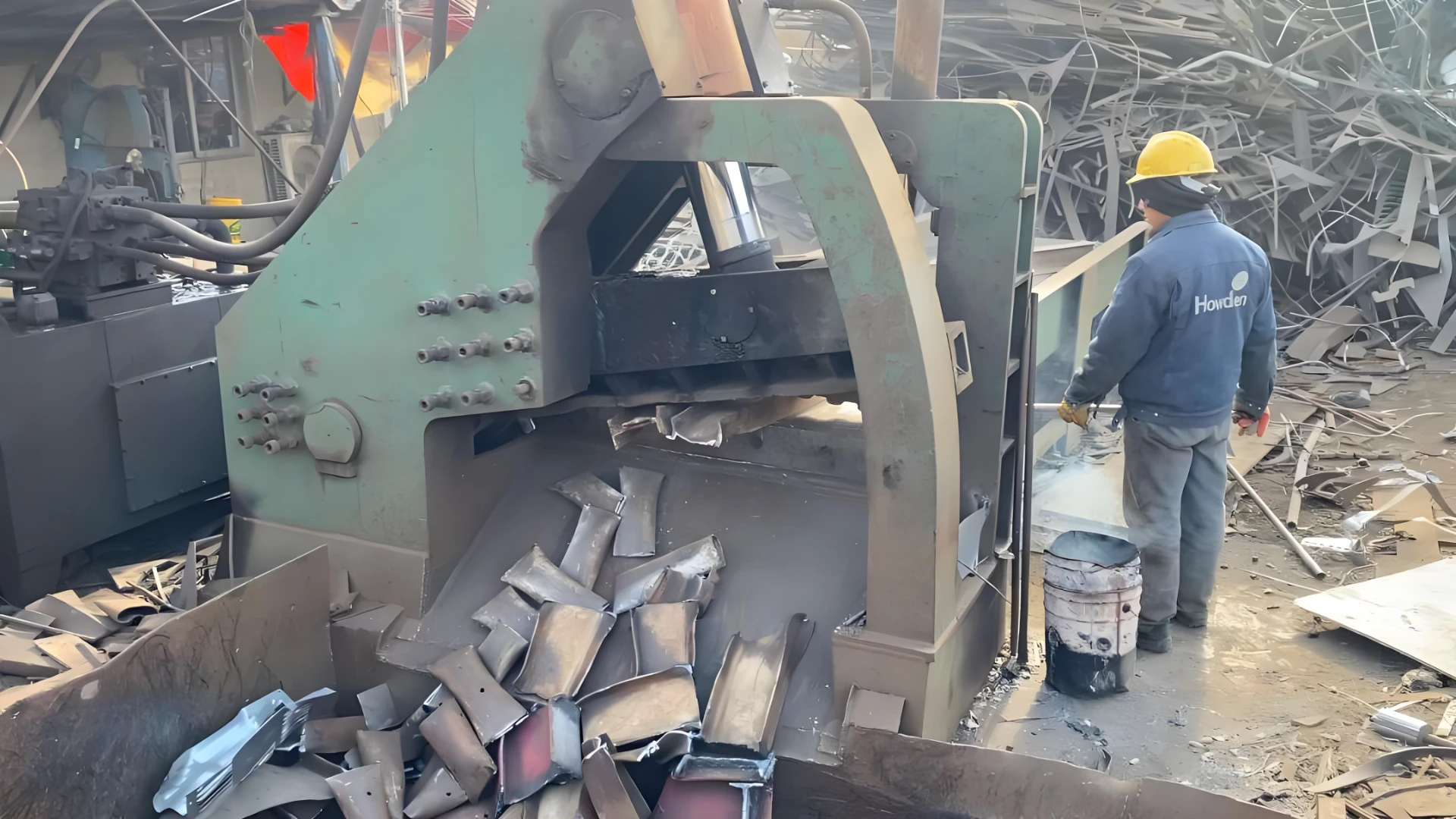
Sheet shearing blades are essential components in metalworking industries, responsible for cleanly and efficiently cutting sheet metal. Selecting the right blade is critical for achieving precise cuts, minimizing waste, and extending the lifespan of your machinery. This article will explore the intricacies of sheet shearing blades, covering their types, materials, applications, and crucial considerations for purchase. Investing in high-quality blades directly translates to improved productivity and cost savings.
Types of Sheet Shearing Blades
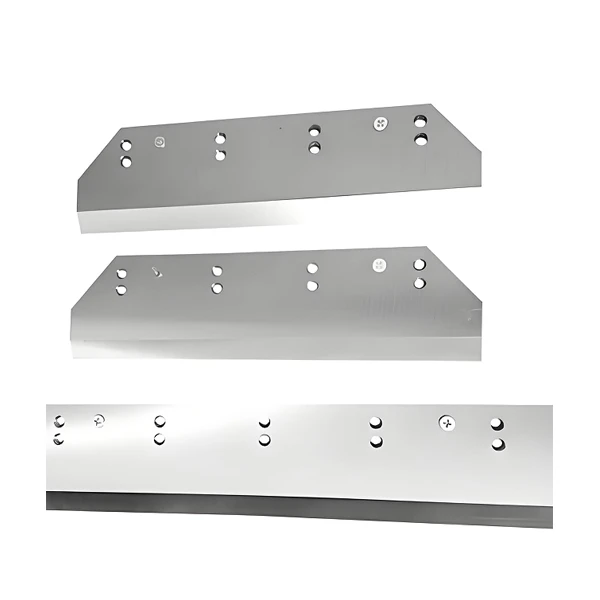
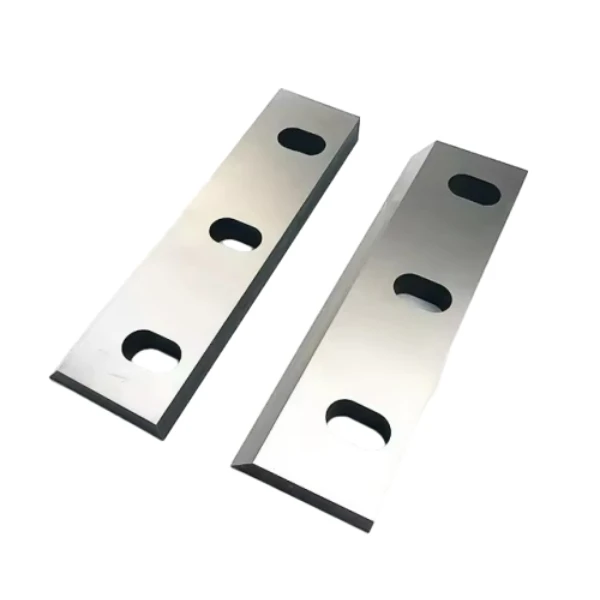
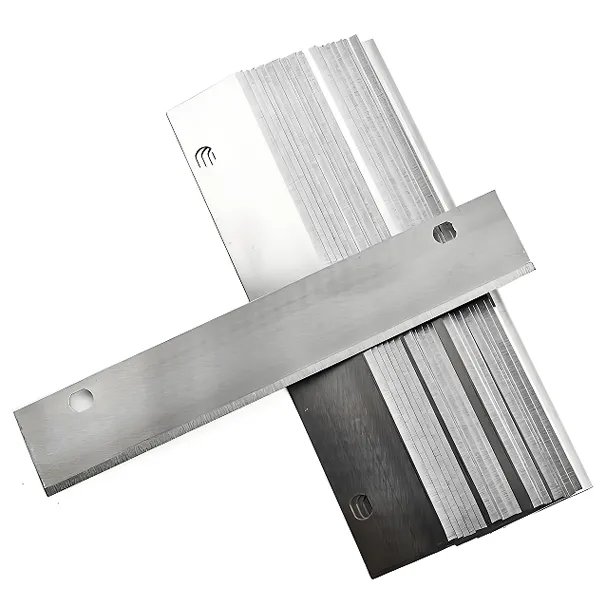
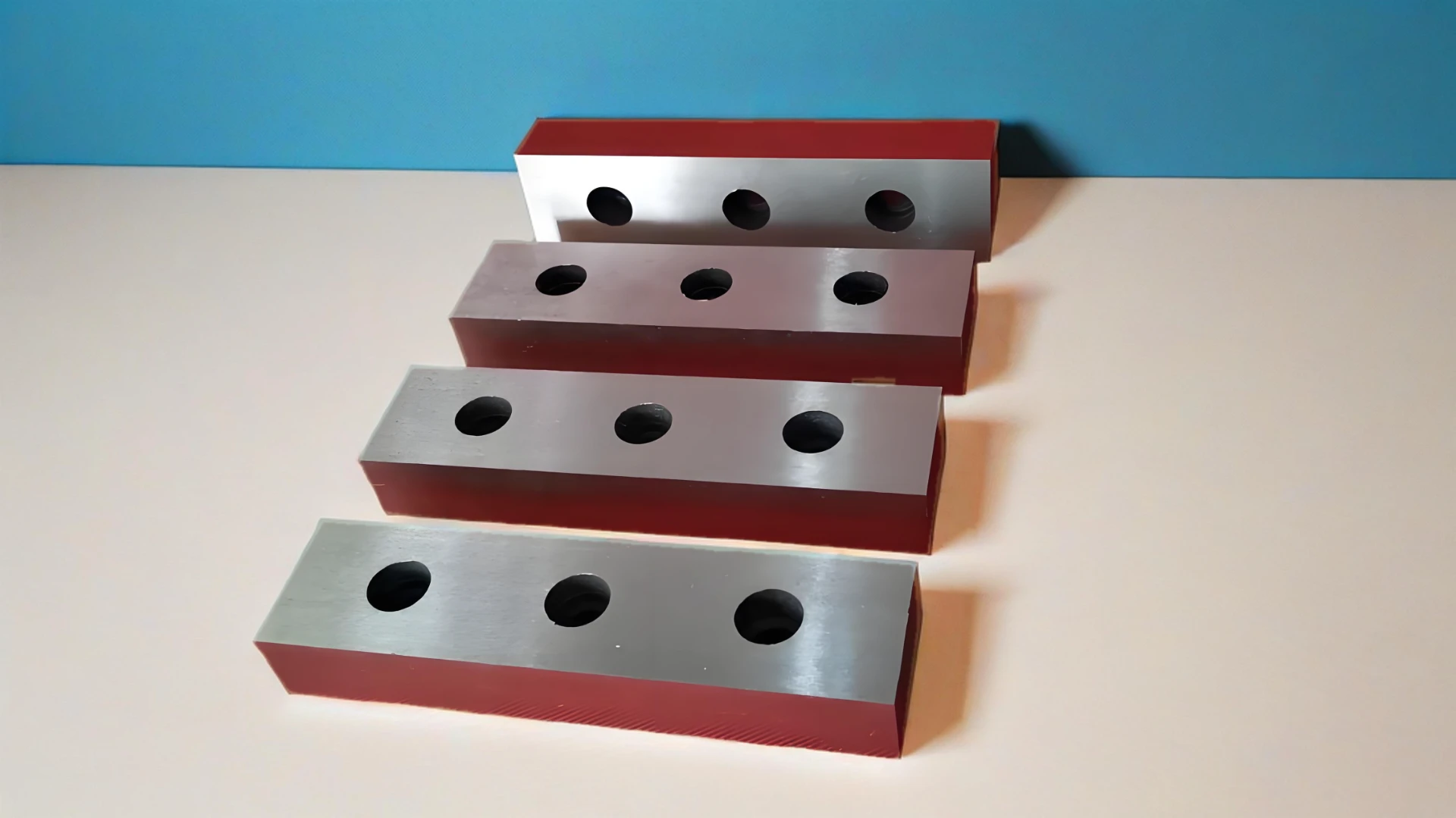
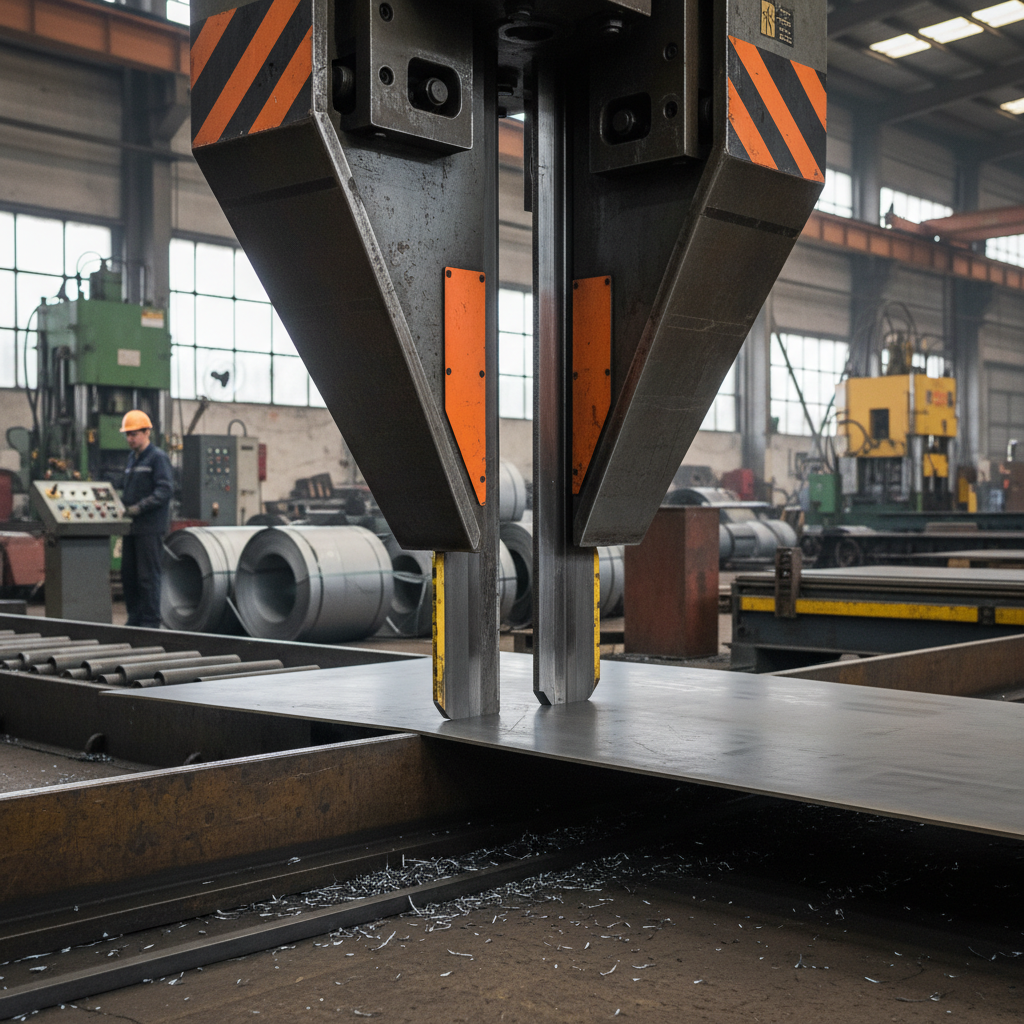
Sheet shearing blades come in various configurations, each optimized for specific materials and cutting requirements. The two primary types are upper blades and lower blades. Upper blades generally feature a slight rake angle to facilitate the cutting process, while lower blades are typically flat. Beyond this basic distinction, blades can be categorized based on their edge geometry, including standard, precision, and specialized designs for specific materials like stainless steel or aluminum. Understanding these distinctions is vital for maximizing cutting performance. MechBlades offers a comprehensive selection to meet diverse needs.
Key Highlights: Choosing the correct blade type significantly impacts cutting quality, blade longevity, and machine performance.
Materials Used in Sheet Shearing Blade Manufacturing
The material composition of a sheet shearing blade directly impacts its hardness, wear resistance, and overall performance. Common materials include tool steels like D2, SKD11, and high-speed steels. D2 steel offers a good balance of hardness and toughness, making it suitable for general-purpose cutting. SKD11 provides superior wear resistance, ideal for high-volume production runs. Specialized blades for stainless steel often incorporate materials with increased corrosion resistance. Selecting the appropriate material depends heavily on the type of metal being sheared and the expected cutting volume. MechBlades expertly crafts blades from premium materials.
Material Properties & Benefits:
• D2 Steel: Good hardness and toughness, general purpose.
• SKD11: Superior wear resistance, high-volume production.
• High-Speed Steel: Retains hardness at high temperatures, ideal for demanding applications.
Sheet Shearing Blade Comparison: Material Hardness & Applications
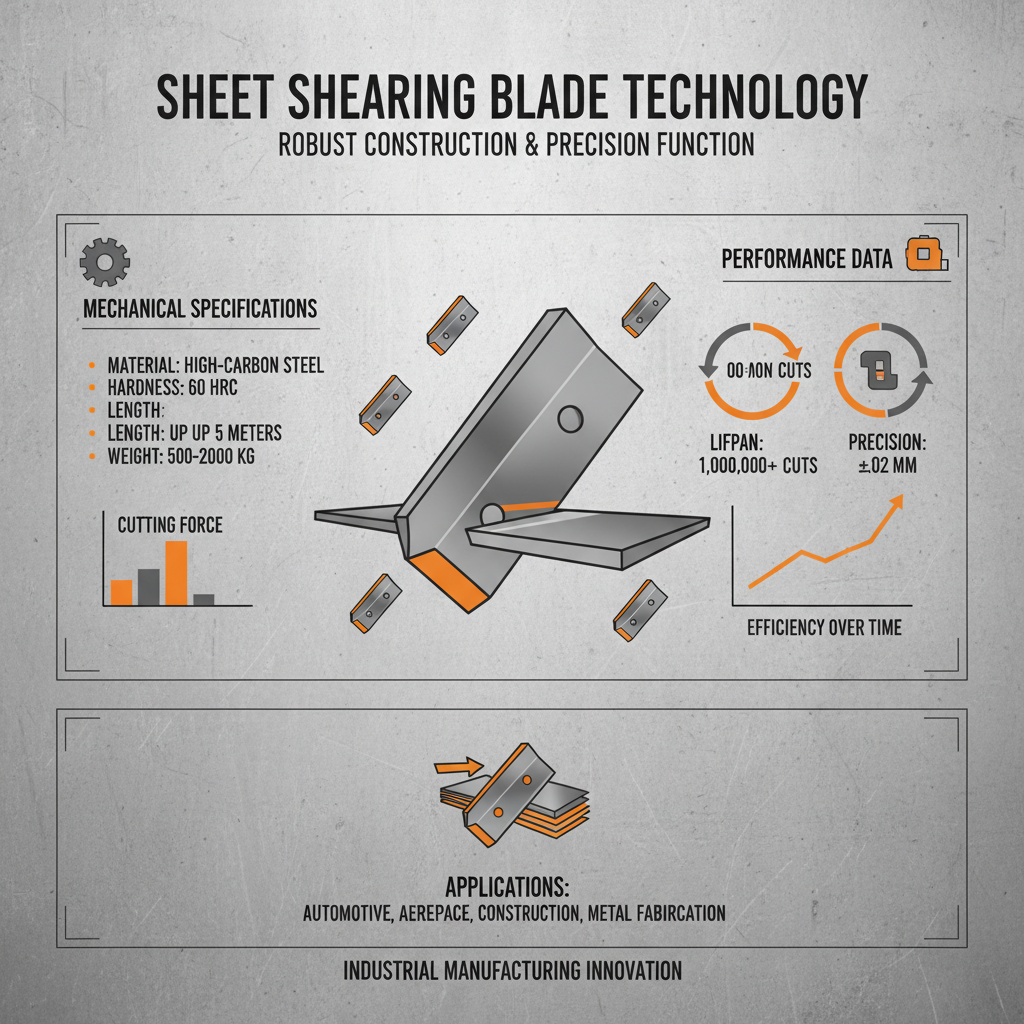
Comparing different blade materials reveals their strengths and weaknesses. Hardness, measured by Rockwell C (HRC), is a key indicator of a blade’s ability to withstand wear. Higher HRC values generally equate to longer blade life, but also increased brittleness. The optimal choice depends on the material being sheared. Softer materials like aluminum require less hardness, while harder materials like stainless steel demand greater wear resistance. Careful consideration of these factors is crucial for maximizing efficiency and minimizing downtime.
Factors to Consider When Purchasing Sheet Shearing Blades
Several key factors influence the optimal choice of sheet shearing blades. The thickness and type of metal being cut, the volume of production, and the specific requirements of your shearing machine all play a role. Ensure the blades are compatible with your machine's specifications. Consider the blade's edge preparation (e.g., honing, polishing) and its expected lifespan. Investing in high-quality blades from a reputable supplier like MechBlades will pay dividends in the long run.
Maintaining and Extending Blade Life
Proper maintenance is essential for maximizing the lifespan and performance of your sheet shearing blades. Regular cleaning to remove metal debris and lubricating the blades help reduce friction and wear. Sharpening blades when they begin to dull restores cutting efficiency. Proper storage in a dry, protected environment prevents corrosion. Following these best practices will significantly reduce blade replacement frequency and associated costs. MechBlades can offer valuable advice on blade maintenance.
Conclusion: Optimizing Your Cutting Operations with Quality Blades
Investing in high-quality sheet shearing blades is a crucial step towards optimizing your metalworking operations. By understanding the various blade types, materials, and maintenance practices, you can achieve cleaner cuts, reduce waste, and extend the life of your valuable equipment. Don't compromise on quality – choose blades designed for performance and durability.
Frequently Asked Questions (FAQs)
How often should I replace my sheet shearing blades?
The replacement frequency depends on factors like the material being cut, cutting volume, and blade quality. Typically, blades should be inspected regularly for signs of wear, such as chipping, dulling, or deformation. As a general guideline, blades used for high-volume production or cutting abrasive materials may need replacement every few months, while those used for lighter duty applications may last longer. Once performance degrades noticeably, it's time for a replacement. MechBlades offers blade sharpening and recycling services.
What are the signs that my sheet shearing blades need to be replaced?
Several indicators suggest it's time to replace your blades. These include increased cutting force required, ragged or distorted cut edges, excessive burr formation, increased noise during operation, and visible chipping or wear on the blade edges. Ignoring these signs can lead to decreased productivity, increased waste, and potential damage to your shearing machine. Regular inspection is key.
Can I sharpen my sheet shearing blades, or is replacement the only option?
Yes, many sheet shearing blades can be sharpened, extending their lifespan and reducing costs. However, sharpening is not always feasible, particularly if the blade is severely worn or damaged. Professional blade sharpening services, like those offered by MechBlades, ensure the blades are restored to their optimal cutting edge geometry. Repeated sharpening will eventually reduce the blade's thickness, requiring eventual replacement.
What is the importance of using matched sets of upper and lower blades?
Using matched sets of upper and lower blades is crucial for achieving optimal shearing performance. Matched blades are designed to work together, ensuring proper blade alignment, clearance, and cutting action. Using mismatched blades can result in uneven cuts, increased blade wear, and potential damage to the shearing machine. Always replace blades in pairs to maintain consistent cutting quality and prolong blade life.