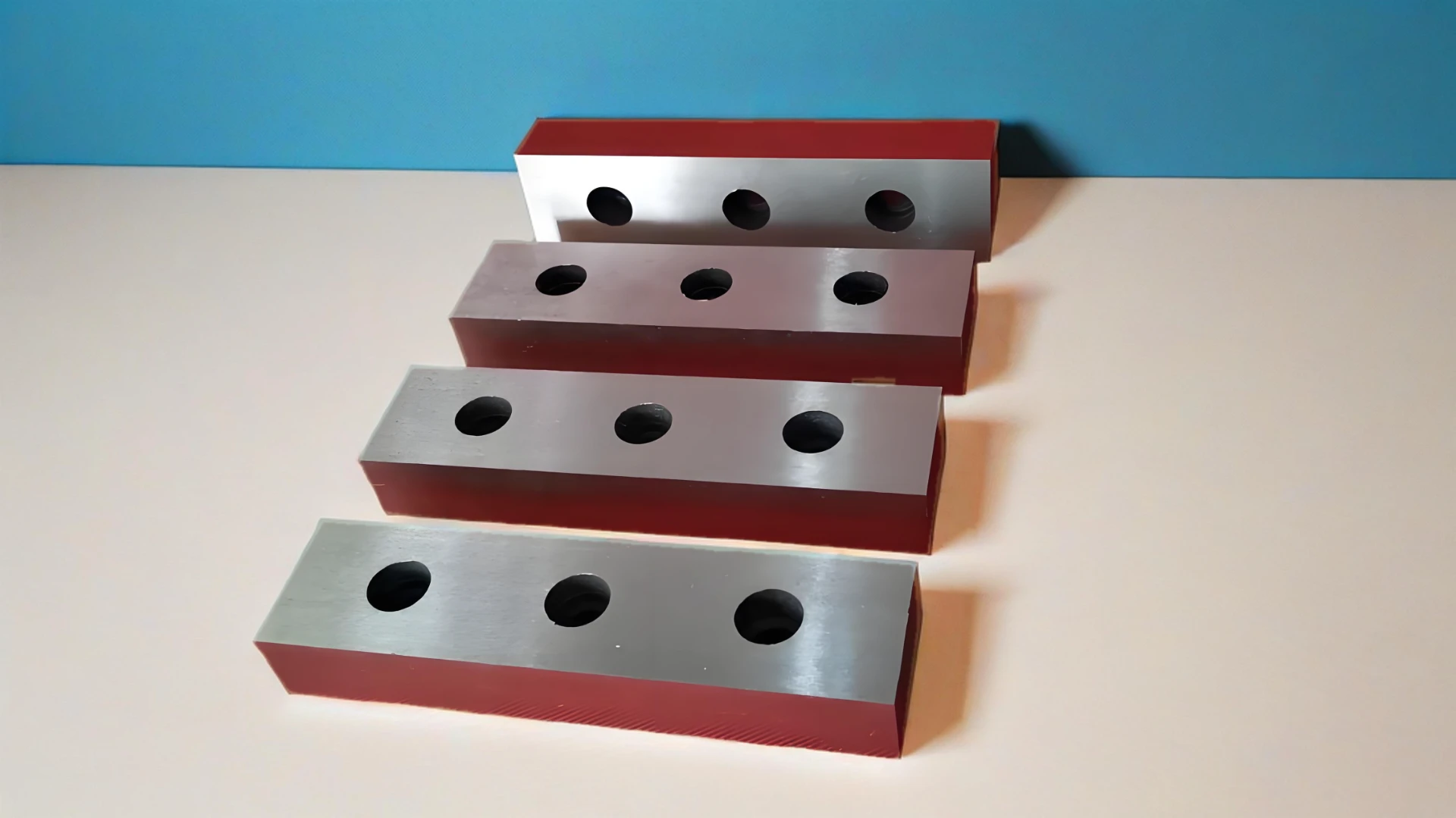
Understanding Bread Slicer Machine Blades: The Unsung Heroes of Bakery Efficiency
At first glance, bread slicer machine blades might seem like just another industrial component—sharp metal parts doing their job quietly. But when you zoom out, these blades take on a significant role globally. They’re more than just cutting tools; they’re the backbone of modern bakery operations that supply millions with consistent, perfectly sliced bread daily. Whether it’s a bustling bakery in New York or a disaster relief camp handing out food rations, the precision and reliability of these blades matter.
Why? Because slicing bread evenly isn’t just about looks—it influences product quality, packaging, shelf life, and even consumer satisfaction. Understanding bread slicer machine blades means understanding how the food supply chain maintains efficiency and trustworthiness on a global scale.
The Global Context: Why Bread Slicer Machine Blades Are Critical
The global bread market was valued at tens of billions of dollars recently, with industrial bread production playing a massive role in feeding urban populations worldwide. According to the World Bank, urbanization trends are expected to push bakery product demand even higher in developing regions by 2030.
But the challenge? Bread cutting needs to be efficient, safe, hygienic, and consistent. In developing countries where manual slicing can slow production and increase waste, bread slicer machine blades become a game-changer. Even in industrialized nations, high-speed consumption and reduced labor costs mean these blades must keep pace.
Meanwhile, humanitarian organizations—including the United Nations' food programs—rely on automated slicing to help distribute food packages efficiently after emergencies, where every second counts.
Mini takeaway:
- Bread slicer machine blades play a pivotal role in meeting rising global bread demand.
- They address challenges of speed, consistency, and hygiene in food production and relief efforts.
What Exactly Are Bread Slicer Machine Blades?
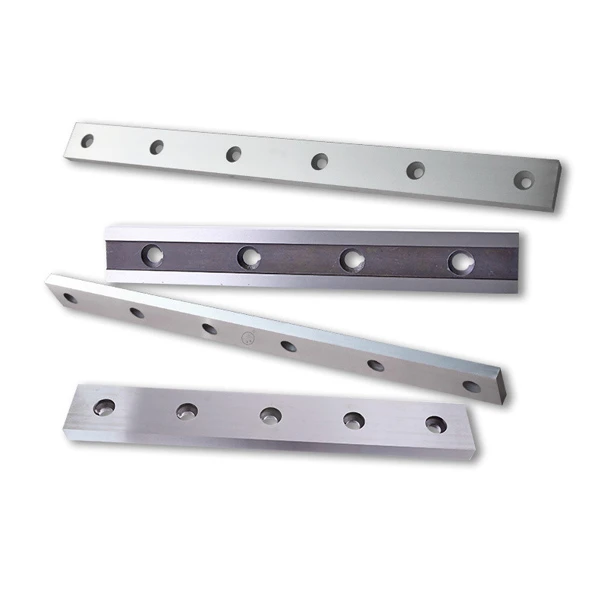
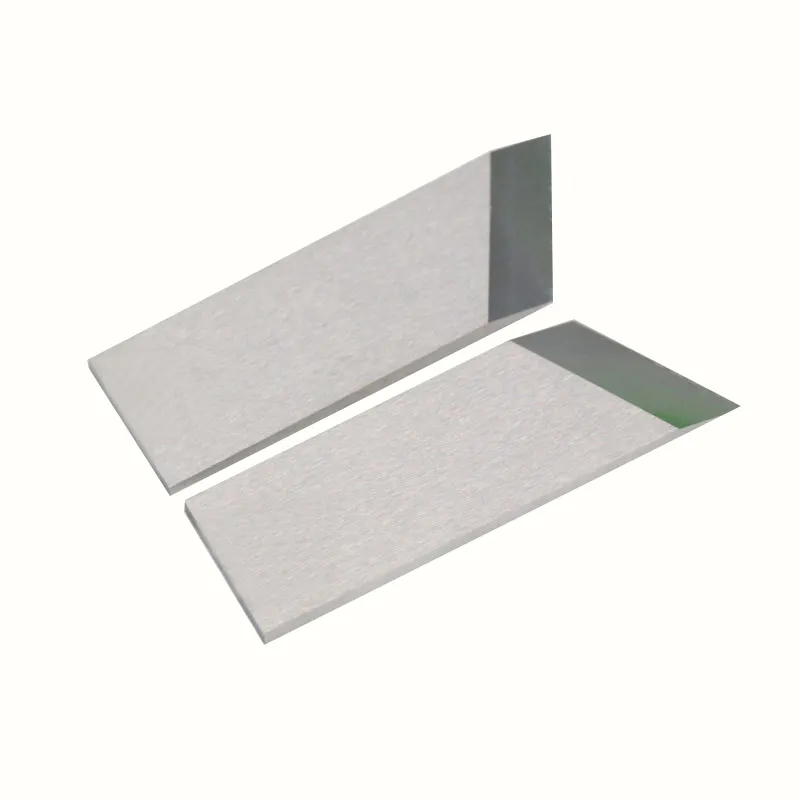
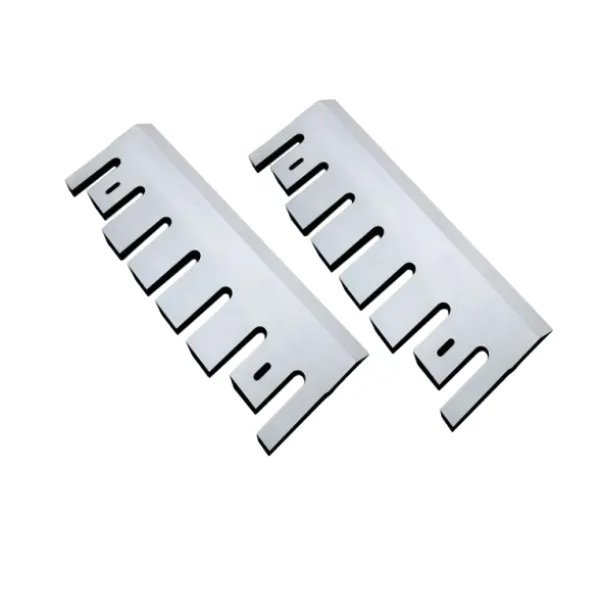
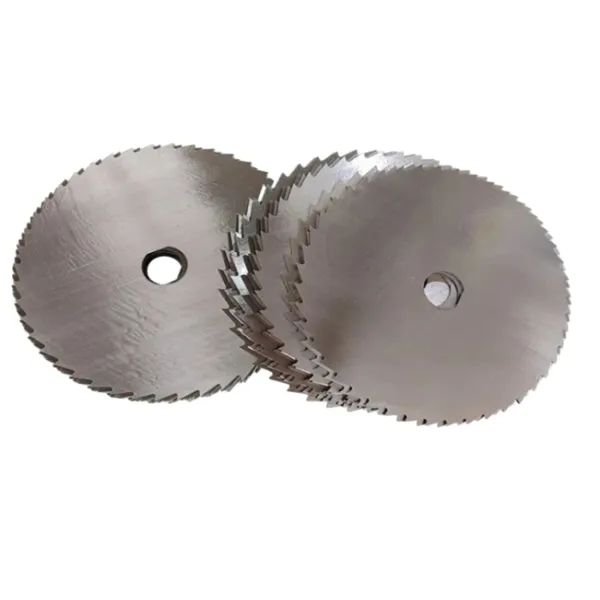
Bread slicer machine blades are specialized circular or serrated metal blades designed to slice loaves of bread quickly and evenly. Unlike standard knives, these blades are engineered for durability, sharpness retention, and minimal crumb generation. They’re fitted inside high-speed automatic slicing machines used by bakeries and food distributors.
These blades connect industrial demands with everyday needs—enabling a simple product to become uniform, market-ready, and easier to package or freeze.
Mini takeaway:
- Bread slicer machine blades specialize in sharpness, durability, and hygienic slicing.
- They transform whole loaves into consumer-ready products on a large scale.
Key Features of Bread Slicer Machine Blades
1. Durability and Material Choice
Most blades use stainless steel alloys or carbon steel, sometimes coated with tungsten carbide. This maximizes lifespan and resistance to corrosion—important since blades work in moist, floury dough environments. Many manufacturers say that blades last 3–6 months under continuous use, but this depends heavily on maintenance.
2. Sharpness & Edge Design
Blades often have serrated edges optimized for cutting without crushing the bread. Edge geometry varies by bread type—soft, sourdough, rye—to produce clean slices without tearing. A blunt blade not only slows production but ruins loaf structure.
3. Hygiene & Food Safety Compliance
Materials and coatings must meet food-grade standards (e.g., FDA or ISO 22000), ensuring no chemical contamination or rusting. Cleaning and sterilization ease are often specified during design.
4. Scalability & Compatibility
Different slicer machines require blades of various diameters and thicknesses. Choosing adaptable, standardized blades reduces downtime and ensures swift replacement during production cycles.
5. Cost Efficiency
Good blades balance upfront cost with their longevity and slice quality. Cheaper blades may save money initially but cause more waste or frequent replacements.
Mini takeaway:
- Material, sharpness, hygiene, and compatibility are vital features.
- Optimal blade choice reduces waste and boosts overall production efficiency.
Real-World Use Cases of Bread Slicer Machine Blades
Bread slicer blades are everywhere—quietly enabling:
- Mass bakeries in Europe and North America producing millions of loaves weekly to meet supermarket demands.
- Emergency food packaging centers operated by NGOs during crises like the Syrian refugee response, where evenly sliced loaves optimize rationing.
- Remote industrial zones, such as mining camps in Australia, where mechanized slicing improves food prep speed and hygiene.
- Artisan bakeries using semi-automatic slicers that require specially designed blades for less common bread shapes.
Which makes you think—these blades aren’t just cold metal; they’re quietly feeding families, accelerating relief, and supporting businesses globally.
Mini takeaway:
- Bread slicer machine blades support a diverse range of industries and contexts.
- From humanitarian aid to artisan craft baking, cutting precision matters.
Advantages and Long-Term Impact of Quality Bread Slicer Blades
Several benefits come to mind:
- Reduced Waste: Clean cuts mean less crumb loss, saving money and reducing landfill impact.
- Improved Food Safety: Food-grade materials and precision slicing limit contamination risks.
- Consistency: Uniform slices build consumer trust—no one likes a sloppy sandwich!
- Operational Efficiency: Less downtime for blade replacement means higher throughput.
- Emotional Value: A perfectly sliced loaf has an unspoken quality promise. It’s about dignity in how we present food—especially in relief situations.
Framing blades as critical food tech tools highlights their social, environmental, and economic value. Some bakery operators even say, “The knife that slices your bread is part of the customer experience.”
Product Specification Table
| Specification | Typical Range | Notes |
|---|---|---|
| Blade Diameter | 300–500 mm | Varies by machine model |
| Material | Stainless Steel (Cr-Ni alloys), Tungsten Carbide coatings | Food-grade, corrosion-resistant |
| Blade Thickness | 1.2–2.0 mm | Affects cut quality and durability |
| Edge Type | Serrated / Micro-serrated | Optimized per bread type |
| Lifespan | 3–6 months (continuous use) | Depends on maintenance |
Comparing Leading Bread Slicer Machine Blade Vendors
| Vendor | Material Quality | Customization | Typical Lead Time | Price Range |
|---|---|---|---|---|
| MechBlades Inc. | Top-tier stainless steel + carbide coating | High — custom sizes & edges | 2-3 weeks | $$$ |
| SlicerTech Solutions | Standard stainless steel | Limited | 1 week | $ |
| Precision Slicing Co. | Premium alloys, no coatings | Moderate | 3-4 weeks | $$ |
Emerging Trends and Innovations in Bread Slicer Machine Blades
Automation is speeding up slicing machinery, and blades are evolving with it. We’re seeing:
- Advanced coatings: Graphene and ceramic coatings to reduce wear and improve hygiene.
- Smart blades: Sensors embedded to monitor blade sharpness and notify operators when replacements are due.
- Eco-friendly materials: More recyclable metals or blades designed for easier refurbishment.
- Customization technologies: 3D printing assists custom-edge design for artisan breads.
And oddly enough, some bakers swear by “vintage” blade materials for flavor interaction — though science hasn’t caught up yet.
Current Challenges and How Experts Are Tackling Them
The main issue? Blade wear is inevitable, but downtime hurts production. Plus, poorly matched blades damage bread or produce uneven slices.
Industry experts suggest:
- Routine inspection combined with non-destructive testing (NDT) to catch micro-cracks early.
- Modular blade designs for faster swaps without full machine halt.
- Working closely with suppliers to identify optimal blade specs tailored to specific bakery needs.
Of course, continuous R&D in materials science is key — but so is user training and maintenance.
Frequently Asked Questions About Bread Slicer Machine Blades
- Q: How often should I replace bread slicer machine blades?
- A: Typically, blades last 3 to 6 months under continuous use. However, this depends on bread type, production speed, and maintenance routines. Regular sharpening or cleaning can extend lifespan.
- Q: Can I use generic blades for different slicing machines?
- A: It's generally not recommended. Blades are designed for specific blade diameters and machine models to ensure safety and slicing quality. Always check compatibility or consult your supplier.
- Q: What materials are best for bread slicer blades to ensure food safety?
- A: Stainless steel alloys with proper food-grade certifications (like FDA compliance) and corrosion-resistant coatings are preferred. They maintain hygiene and blade integrity in humid conditions.
- Q: Are custom blades worth the extra cost?
- A: For bakeries producing specialty or artisan bread, custom blades tailored to loaf shape and density provide superior slicing quality and less waste, often offsetting higher upfront costs.
- Q: How can NGOs source reliable bread slicer machine blades for disaster relief programs?
- A: Partnering with reputable vendors experienced in fast delivery and durable blades is key. Many suppliers offer export-friendly processes and modular blades designed for rapid deployment.
Conclusion
Quality bread slicer machine blades might not be the headline star in the food production world, but their influence is undeniable. From improving operational efficiency to supporting humanitarian aid with dignity and safety, these blades silently drive enormous value. They encapsulate the marriage between engineering precision and everyday human needs—sliced bread is such a simple pleasure, yet it stands on carefully crafted metal edges.
Interested in upgrading your operation or learning more? Visit our website: bread slicer machine blades and discover how cutting-edge blades can transform your slicing process with reliability and precision.