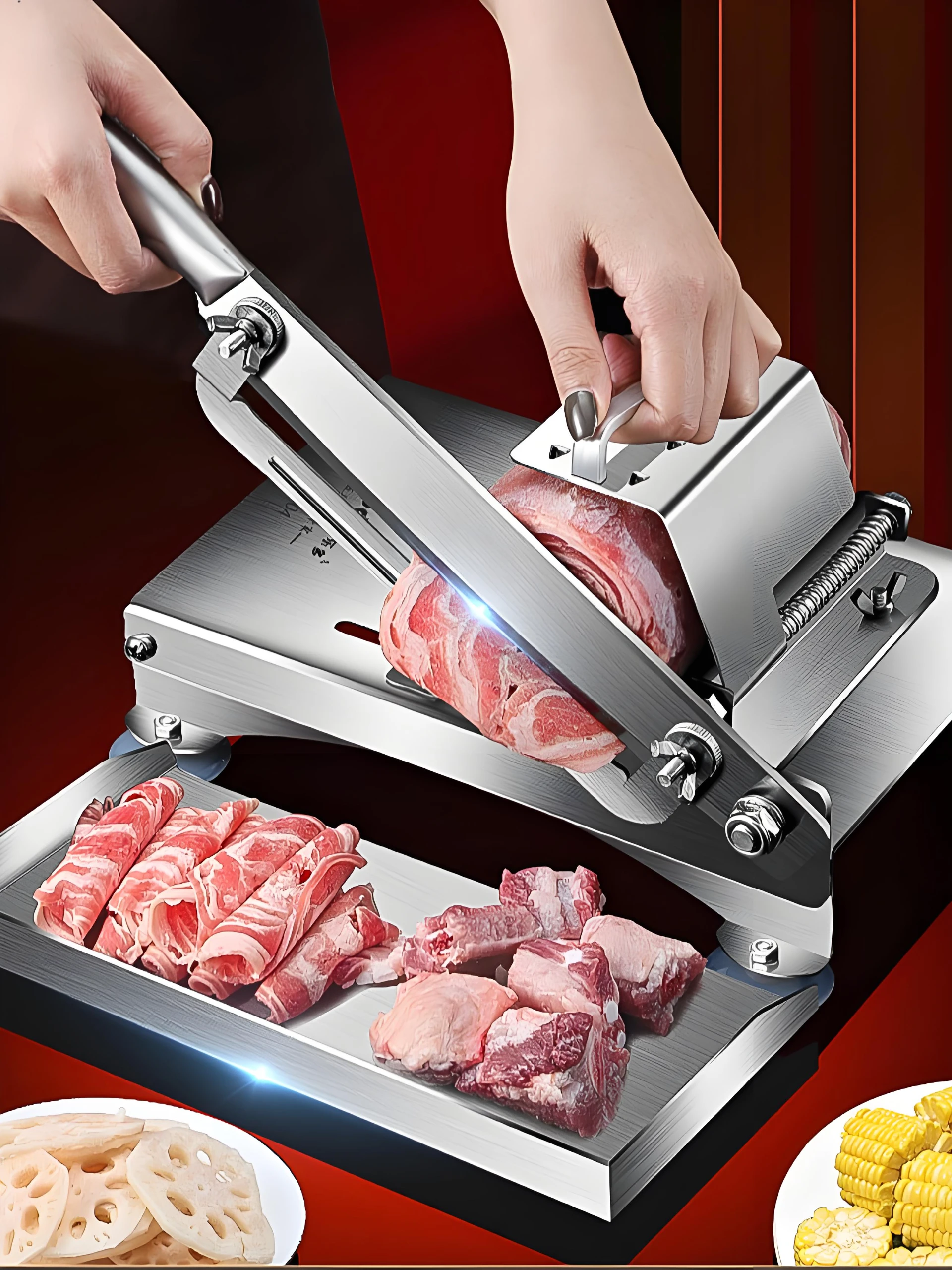
Why Bread Slicing Blades Matter Worldwide
It’s easy to take for granted the simple act of slicing bread. But if you stop to think, the tool behind this everyday convenience—the bread slicing blade—is a fascinating piece of engineering with surprisingly wide implications. From small bakeries to large industrial plants, understanding these blades is not just a matter of kitchen trivia; it’s about optimizing food production, reducing waste, and even supporting humanitarian efforts where bread is staple sustenance.
In a global context, bread consumption remains one of the highest among staple foods, with bakery products making up roughly 50% of cereals consumed worldwide (FAO, 2023). The humble bread slicing blade helps streamline this by ensuring uniformity and efficiency—critical factors when feeding millions daily.
The Global Context of Bread Slicing Blades
Did you know that according to ISO standards (ISO 22000), the safety and hygiene of bakery products directly influence the tools used in processing? Bread slicing blades aren’t just cutting instruments—they’re part of a vast food chain ecosystem, impacting safety, speed, and ultimately global food security.
Roughly 3.5 billion loaves are consumed daily worldwide, and nearly all commercial bakeries rely on mechanical slicing. Yet, the challenge lies in balancing sharpness, durability, and slicing precision—issues that the industry constantly wrestles with. Efficient slicing reduces wastage by up to 15%, which sounds small but adds up dramatically on a commercial scale.
What Exactly Are Bread Slicing Blades?
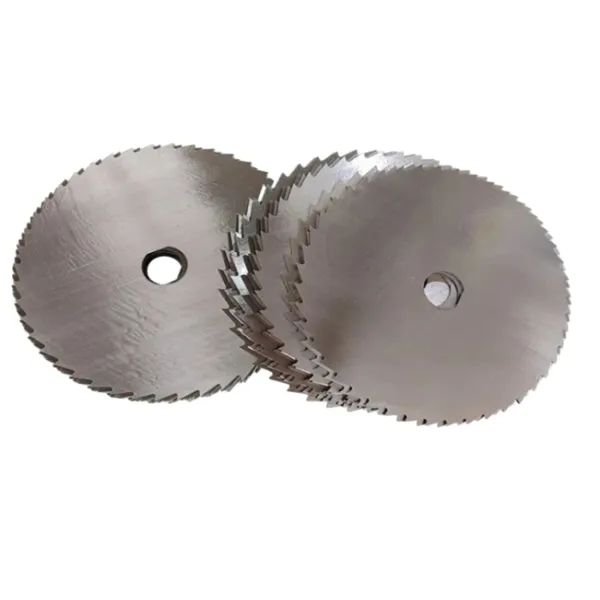
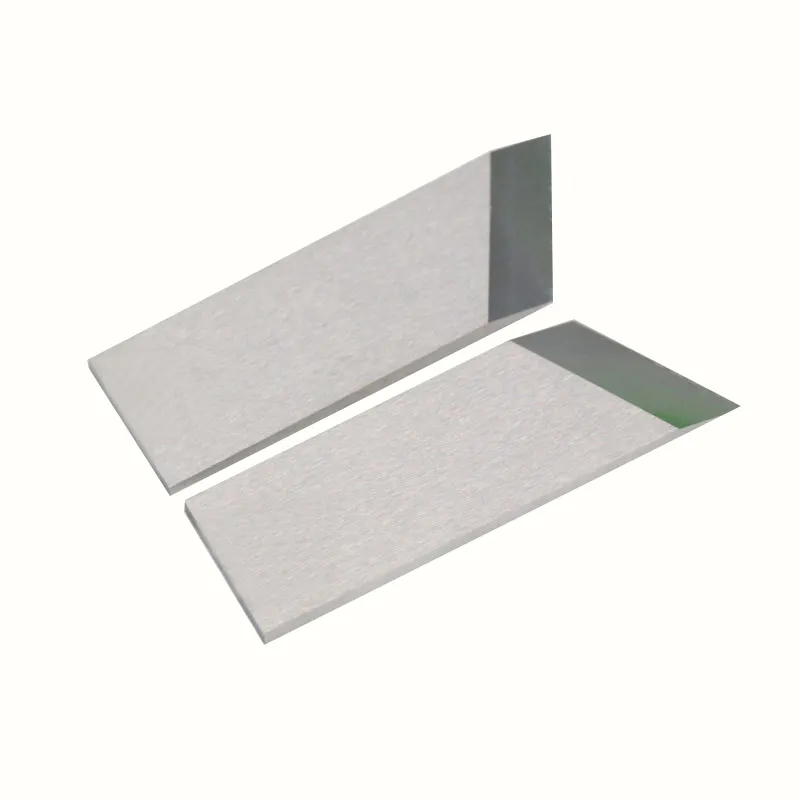
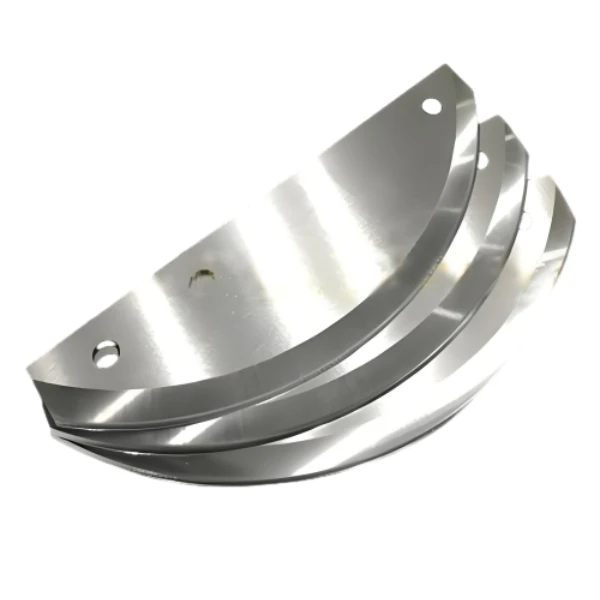
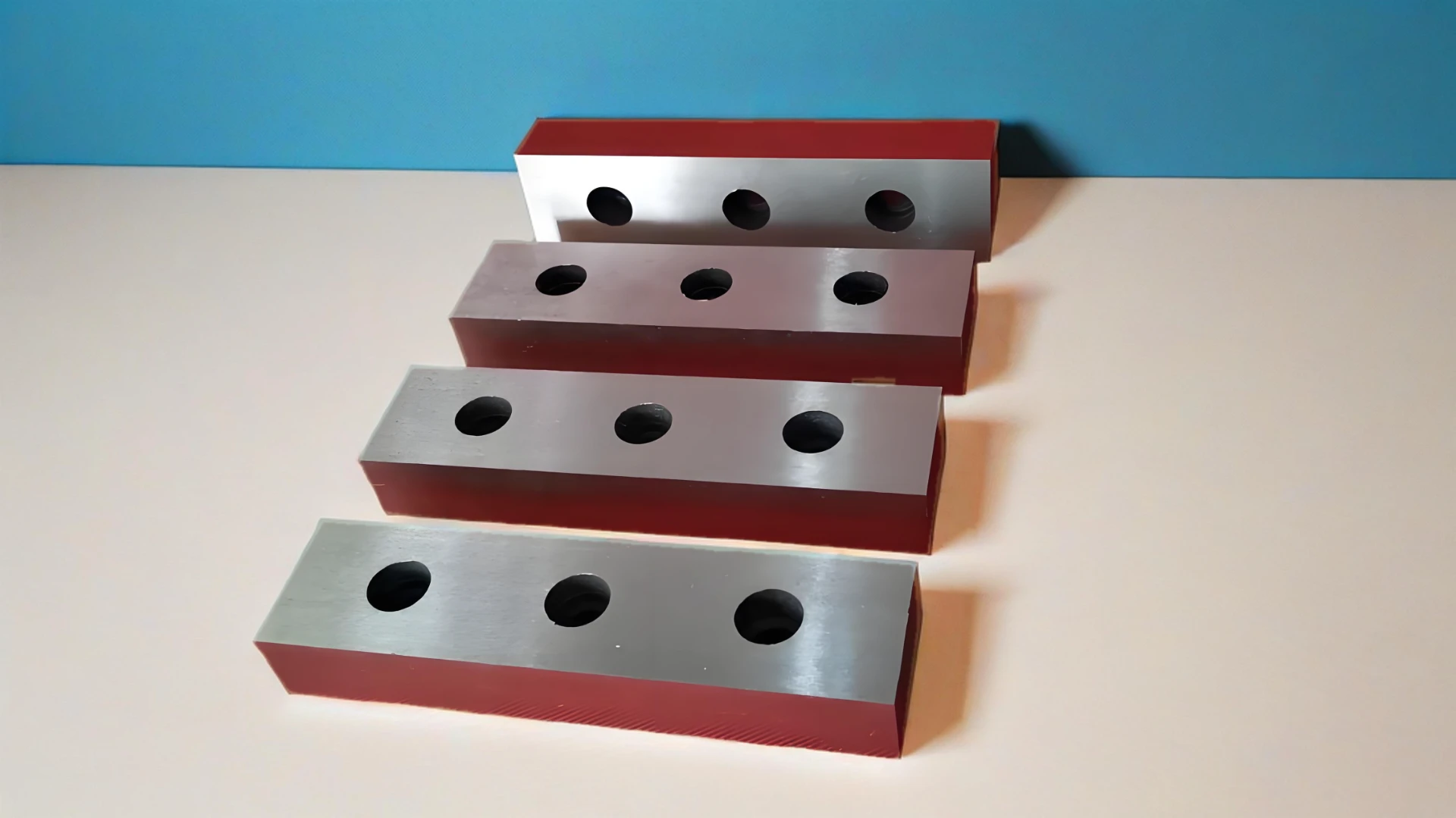
Simply put, bread slicing blades are the circular or band-type cutting tools designed specifically for slicing bread loaves into uniform portions. Their design balances sharpness with longevity, often coated or engineered to withstand the abrasive nature of dough and crust. Industrial blades usually come with serrated edges to grab and slice through without tearing.
In modern food manufacturing—or even in humanitarian situations, like refugee camp kitchens—they ensure consistent bread portions, reduce wastage, and speed up production lines, which can literally be a life-saver when feeding large populations.
Core Components of Bread Slicing Blades
1. Durability
This is crucial. Many blades are made of stainless steel alloys treated to resist corrosion and dulling. Since bread dough varies in moisture and texture, toughness allows blades to last longer without frequent replacement.
2. Sharpness and Edge Design
Serration patterns affect slicing smoothness—too dull, and bread crumbles; too sharp without serration, and you risk compressing the loaf. Achieving that sweet spot is what manufacturers strive for.
3. Hygiene and Maintenance
Blades must be food-safe, easy to clean, and resistant to bacterial buildup. This is especially critical for compliance with international food safety standards like HACCP or ISO 22000.
4. Scalability
From small bakeries producing hundreds to large factories slicing thousands per hour, blade size and motor compatibility have to match the production scale with precision.
5. Cost Efficiency
While investing in premium blades can seem costly upfront, the reduction in downtime, fewer bread defects, and lengthened blade life improve overall operational budgets.
Mini Takeaway:
The complexities behind bread slicing blades often go unnoticed, but each component contributes critically to production efficiency, safety, and cost management in a highly competitive industry.
Applications Across the Globe
Bread slicing blades find their way into diverse environments, from bustling urban bakeries in Europe to field kitchens in humanitarian zones. In post-disaster relief operations, for example, portable slicing machines fitted with low-maintenance blades help supply uniform bread portions quickly. In remote industrial zones like mines or offshore platforms, reliable slicing equipment reduces waste where supply chains are often tight.
Many European bakeries partner with supplier hubs to ensure blade replacement within hours, taking advantage of robust logistics. Meanwhile, startups in Asia are developing compact, energy-efficient slicers designed to work in areas with unstable power—putting high-quality slicing tools in the hands of small producers.
Advantages and Long-Term Value of Bread Slicing Blades
- Cost savings: Less wastage translates to more profit, even in thin-margin sectors like retail baking.
- Sustainability: Longer-lasting blades mean less metal waste; also, smoother cuts reduce bread scraps that otherwise add to landfill.
- Social Impact: Uniform slices preserve dignity in food aid by ensuring fairness and quality.
- Reliability: Reduced downtime and blade replacement keep production on schedule.
- Innovation & Trust: As new blade technologies emerge, they often push bakeries to improve overall production standards.
Future Trends to Watch
The orbital slicing technology, involving oscillating blades, is gaining traction, offering cleaner cuts with less energy usage. Coatings infused with antibacterial nanoparticles are also on the horizon, promising to improve food safety further.
Given the push towards Industry 4.0, expect bread slicing blades to integrate with smart sensors that monitor blade wear and predict replacements before failures — a small but significant leap in reducing waste and improving uptime.
Sustainability initiatives are leading manufacturers to explore greener materials, including biodegradable composites for handle or support structures, though the blades themselves remain metal for durability.
Challenges and How the Industry Responds
Frequent wear and blade dulling remain major pain points. Inconsistent blade quality can cause slicing errors leading to customer dissatisfaction or safety issues.
Innovations such as modular blade designs allow quick edge replacements without replacing the entire blade. Also, user training programs and maintenance automation tools help prevent misuse and extend blade lifespan.
Suppliers offering on-site sharpening services or subscription-based blade replacements are gaining ground, which speaks to a shift from product selling toward holistic service.
Practical FAQs About Bread Slicing Blades
- How often should bread slicing blades be replaced in a commercial bakery?
- That depends on volume and bread type, but typically every 2,000 to 5,000 loaves. Sharpness affects product consistency, so scheduled monitoring is key.
- Can bread slicing blades handle gluten-free or specialty breads?
- Yes, but blade design may need adjustment. Softer or crumbly breads benefit from finer serrations to avoid crushing.
- Is professional blade sharpening necessary or can I sharpen them in-house?
- Industrial blades require precision sharpening often best outsourced to specialists; improper sharpening risks damage and inconsistent cuts.
- Are there eco-friendly bread slicing blades available?
- While blades remain metal, some manufacturers use recycled steel and sustainable packaging; expect greener options as regulatory pressure mounts.
- Which industries beyond bakeries rely on bread slicing blades?
- Food service chains, institutional kitchens, refugee aid organizations, and some packaging companies use these blades for operational efficiency.
Product Specification Comparison
| Model | Blade Diameter | Material | Serration Type | Typical Usage | Lifespan (Loaves) |
|---|---|---|---|---|---|
| MechBlade Pro 3000 | 300mm | Stainless Steel 420 | Medium Serration | Industrial bakeries | ~5,000 |
| SliceMaster 150 | 150mm | High Carbon Steel | Fine Serration | Small cafés & bakeries | ~2,000 |
| Duracut XL | 350mm | Coated Stainless Steel | Coarse Serration | Mass-market bakeries | ~6,000 |
Vendor Comparison: Selecting the Right Partner
| Vendor | Product Range | Customization | Support & Service | Delivery Time | Price Range |
|---|---|---|---|---|---|
| MechBlades Inc. | Full (150-400 mm diam.) | Yes (custom serrations, coatings) | 24/7 Technical Support, On-site Training | 1-2 weeks | $$$ |
| SlicePro Solutions | Mid-size selection | Limited (standard blades only) | Email Support, Spare Parts | 3-4 weeks | $$ |
| EcoBlade Technologies | Niche eco-friendly focus | Yes (sustainable materials) | Online Help, Manual Guides | 2-3 weeks | $$$ |
Final Thoughts
So yeah, those bread slicing blades you barely notice are quietly doing a lot of heavy lifting across industries and continents. Their design and maintenance affect everything from the quality of your sandwich to large-scale nutritional relief efforts in the toughest environments. It’s a subtle but critical slice of the food supply chain puzzle, pushing us toward better efficiency, sustainability, and fairness. If you’re running a bakery or responsible for large-scale food production, it pays to get to know your blades well.
Looking to upgrade or learn more? Visit bread slicing blades for the latest innovations and expert advice.