Can You Use a Meat Slicer to Cut Vegetables? Exploring Versatility and Practicality
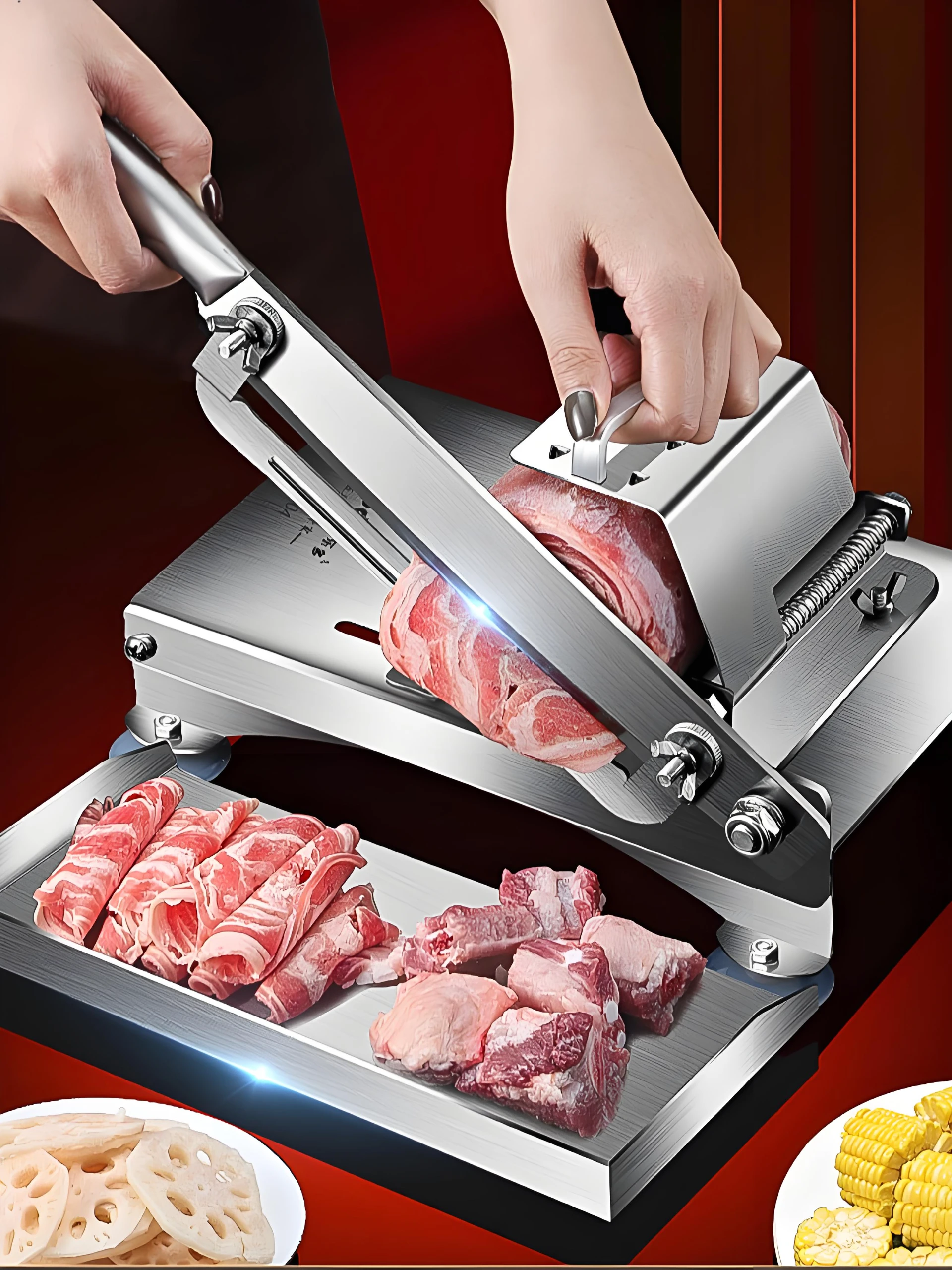
When it comes to kitchen tools, the meat slicer might seem strictly limited to its eponymous function. However, can you use a meat slicer to cut vegetables? It’s a question that has gained interest among culinary professionals and home cooks alike, given the increasing desire to maximize appliance utility and streamline food prep. Understanding the feasibility and nuances of using a meat slicer beyond its traditional scope matters globally—because it affects kitchen efficiency, food safety, and equipment lifespan.
Introduction: Global Relevance of Multi-Use Kitchen Equipment
The food industry worldwide is under pressure to become more sustainable and cost-effective. With food service accounting for substantial energy and resource consumption, according to the United Nations Environment Programme (UNEP), tools that can multitask are in demand. Frankly, reducing kitchen clutter and prep time without compromising safety or quality is a sought-after balance, especially in bustling commercial kitchens or communal meal providers in developing regions.
But the problem arises: not every appliance is designed with versatility in mind. Meat slicers are pneumatic or electric machines with sharp rotary blades optimized for consistent cuts of meat, enlivening the question—can you use a meat slicer to cut vegetables without damage to the machine or the food's integrity?
Definition & Meaning: What Does Using a Meat Slicer for Vegetables Entail?
Simply put, using a meat slicer to cut vegetables means repurposing this equipment to slice various vegetables into uniform pieces. This practice leverages the slicer’s precision blade control for applications outside meats, such as potatoes, cucumbers, or carrots. The idea isn't new; however, it remains critical to define usage scope to avoid cross-contamination risks and maintain operational safety.
In modern foodservice and humanitarian aid, where kitchen operations can be under extreme time and resource constraints, multi-use equipment can dramatically affect service delivery efficiency.
Key Factors or Core Components of Using Meat Slicers for Vegetables
Blade Material and Sharpness
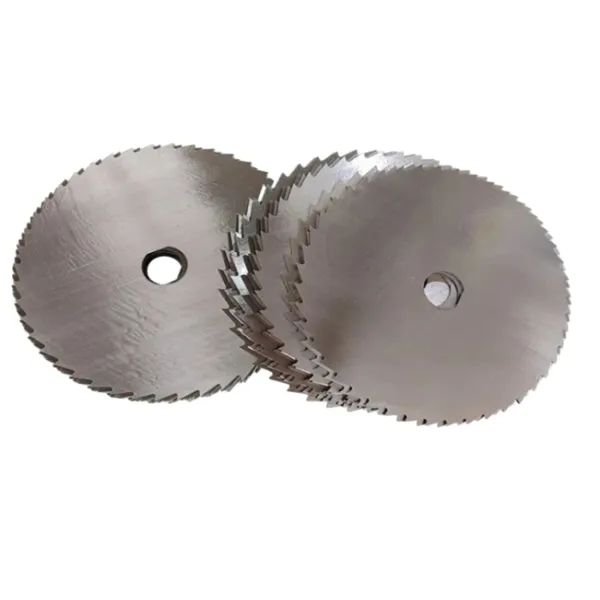
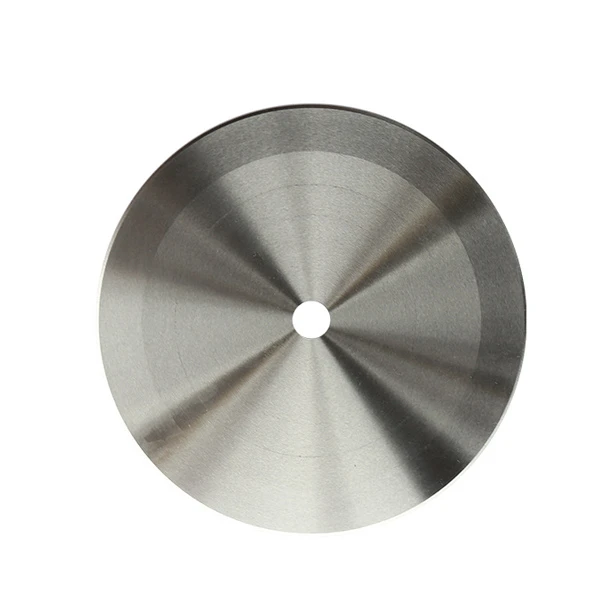
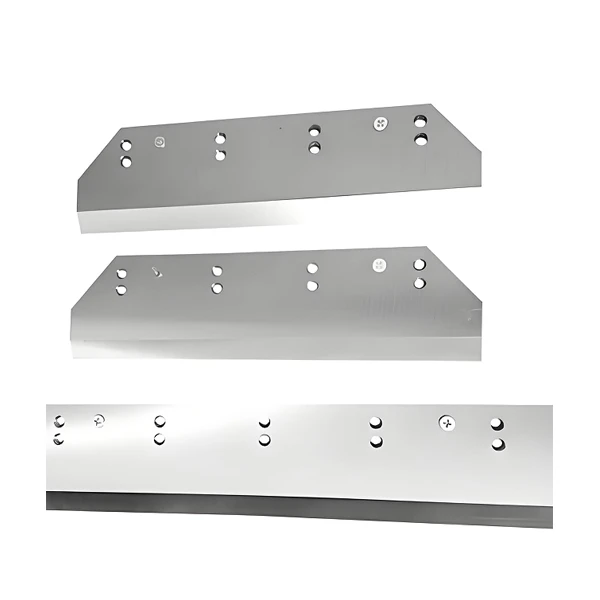
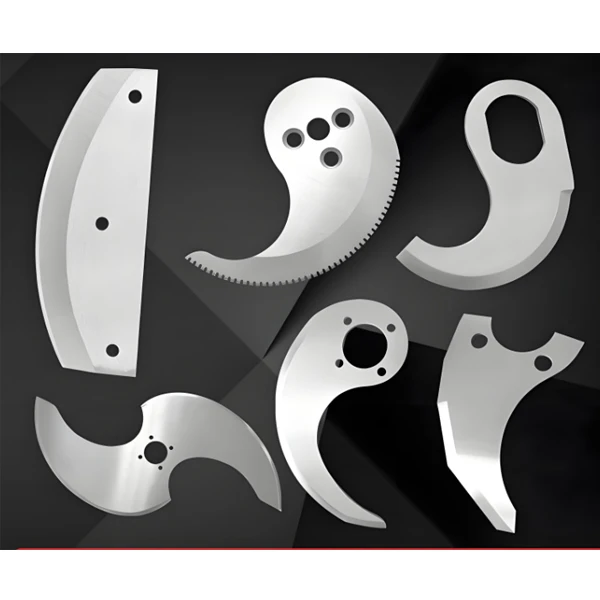
A meat slicer’s blade is typically stainless steel or carbon steel — materials chosen for hardness and corrosion resistance. Sharpness is critical when slicing firm vegetables to prevent shredding. You want a blade that stays sharp even after slicing through denser vegetables.
Adjustable Thickness Settings
Most meat slicers allow adjustment from paper-thin slices to thicker cuts. This adaptability makes them suitable for crafting consistent vegetable slices — say for gratins or salads — where thickness matters for cooking or presentation.
Cleaning and Hygiene Considerations
Cross-contamination risks between raw meat and vegetables are significant. Using a meat slicer for vegetables demands rigorous cleaning protocols, or even dedicated blades and machines, to adhere to food safety standards set by organizations such as the US FDA or ISO 22000.
Durability and Motor Strength
Vegetables can vary in density—from soft tomatoes to tougher root vegetables. A dependable motor and solid build help the slicer handle diverse materials without overheating or damage. This increases its practical lifespan.
User Safety Features
Cutting through hard or slippery vegetables can cause equipment to slip or jam. Safety guards, stable bases, and non-slip feet contribute to safer operation.
Product Specification Table: Typical Electric Meat Slicer Specs for Vegetable Use
| Feature | Specification |
|---|---|
| Blade Diameter | 7 to 12 inches (17.8cm - 30.5cm) |
| Blade Material | Stainless Steel (Food Grade) |
| Thickness Adjustment | 0 - 15 mm |
| Motor Power | 120W - 250W |
| Safety Features | Safety Switch, Blade Guard |
Global Applications & Use Cases
In professional kitchens worldwide—from New York to Tokyo—meat slicers doubling for vegetables help streamline prep. For example, in large-scale catering for events, the ability to quickly slice cucumbers or potatoes uniformly saves time and improves dish consistency.
Oddly enough, in some humanitarian contexts, like refugee camps, where equipment is limited, meat slicers have been employed for vegetables to assist efficient meal prep. Post-disaster relief kitchens benefit from such multipurpose tools where logistics make multi-appliance setups impractical.
Furthermore, smaller restaurants or food trucks in urban centers use slicers to cut down on prep space and time, which directly affects their bottom line.
Vendor Comparison Table: Popular Meat Slicers Suitable for Vegetables
| Brand & Model | Blade Size (inches) | Max Thickness | Motor Power (Watts) | Price Range |
|---|---|---|---|---|
| Chef’sChoice 615A | 7 | 12 mm | 150W | $180-$220 |
| Berkel Model 834 | 12 | 15 mm | 250W | $1200-$1500 |
| Cuisinart FS-75 | 7.5 | 10 mm | 120W | $90-$120 |
Advantages & Long-Term Value of Using Meat Slicers for Vegetables
First off, it’s about efficiency: uniform vegetable slices mean cooking times can be more predictable, which is a big plus in professional contexts or even busy home kitchens. Secondly, by utilizing existing meat slicers, businesses avoid the cost and space of buying dedicated vegetable slicers. This cost-efficiency helps smaller enterprises or NGOs maximize lean budgets.
Moreover, the focus on sustainability can't be overstated—reducing the need for multiple machines lowers energy consumption and material waste in manufacturing. You also gain the satisfaction of versatility and innovation in your food prep processes, which feels good in a world leaning more and more into smart resource use.
Future Trends & Innovations
Looking ahead, I noticed a rise in meat slicers designed with multi-purpose use as a selling point. Manufacturers are incorporating antimicrobial blade coatings, smarter thickness control, and even automated cleaning functions. Integration with IoT also promises remote monitoring of blade sharpness and maintenance schedules.
Automation and digital transformation are reshaping the kitchen landscape — so having a meat slicer that can handle vegetables with minimal human input could become standard. Additionally, advances in sustainable materials for blades and safety components will likely reduce environmental impact further.
Challenges & Solutions
- Cross-contamination: The biggest challenge is hygienic separation between meat and vegetable use. Solutions include dedicated slicers or removable, dishwasher-safe blades.
- Blade wear: Hard vegetables can dull blades faster. Using harder steel alloys or replaceable blade inserts helps.
- Safety concerns: Mixing vegetable types (wet vs. dry) can increase slip risks. Implementing anti-slip food holders and training users are essential steps.
FAQ: Frequently Asked Questions About Can You Use a Meat Slicer to Cut Vegetables
- Q: Will slicing vegetables damage my meat slicer blade?
- A: Vegetables generally put less strain on blades than meats with bones, but very hard vegetables like squash can dull blades faster. Regular sharpening and cleaning are key.
- Q: How do I avoid cross-contamination when using the slicer for both meat and vegetables?
- A: Ideally, use separate slicers or at least removable blades cleaned thoroughly between uses. Sanitizing after each use prevents bacterial transfer.
- Q: Can all vegetables be sliced with a meat slicer?
- A: Most firm vegetables like cucumbers, carrots, and potatoes work well. Soft or irregularly shaped items might not slice evenly and could damage or jam the machine.
- Q: Is it safe to use a meat slicer at home for vegetables?
- A: Yes, but ensure you follow safety guidelines, including blade guards and safe feeding techniques, especially with hard vegetables.
Conclusion + Call to Action
So, can you use a meat slicer to cut vegetables? Absolutely — with the right precautions and awareness of the equipment’s limits. This multipurpose approach drives efficiency, cost-effectiveness, and sustainability in kitchens big and small. If you’re curious to explore the best slicers tailored for this kind of versatility, visit our website: https://www.mechblades.com for expert advice and product selection tailored to your needs.
Mini Takeaway: Using a meat slicer for vegetables is a practical, efficient option that demands careful hygiene and maintenance but offers clear advantages in speed, uniformity, and sustainability.
References: