Understanding Carbide Tipped Sawmill Blades: The Backbone of Efficient Wood Processing
When we talk about modern sawmilling, few components are as crucial—and often overlooked—as the carbide tipped sawmill blades. These blades literally shape the timber industry's efficiency and sustainability worldwide. Oddly enough, while wood products fuel everything from construction to furniture, the blades slicing through massive logs play an unsung hero role in how smoothly those processes happen. Understanding these blades isn’t just for machining geeks; it touches on global trade, environmental concerns, and even disaster relief operations.
Global Context: Why Carbide Tipped Sawmill Blades Matter Across Industries
Wood harvest and processing provide raw materials for billions worldwide, supporting economies, jobs, and infrastructure. According to the Food and Agriculture Organization (FAO) of the UN, about 1.8 billion cubic meters of industrial roundwood were produced globally in recent years, a volume only possible with reliable sawmill tools. However, challenges like deforestation, tight margins, and quality demands mean any inefficiency leads to waste—and economic loss.
Here’s where carbide tipped sawmill blades step in: offering durability and precision, they reduce downtime and improve yield. In remote regions where maintenance is tough, their reliability becomes vital. It’s no surprise that sawmill operators worldwide consider these blades essential for meeting modern timber demands sustainably.
What Are Carbide Tipped Sawmill Blades?
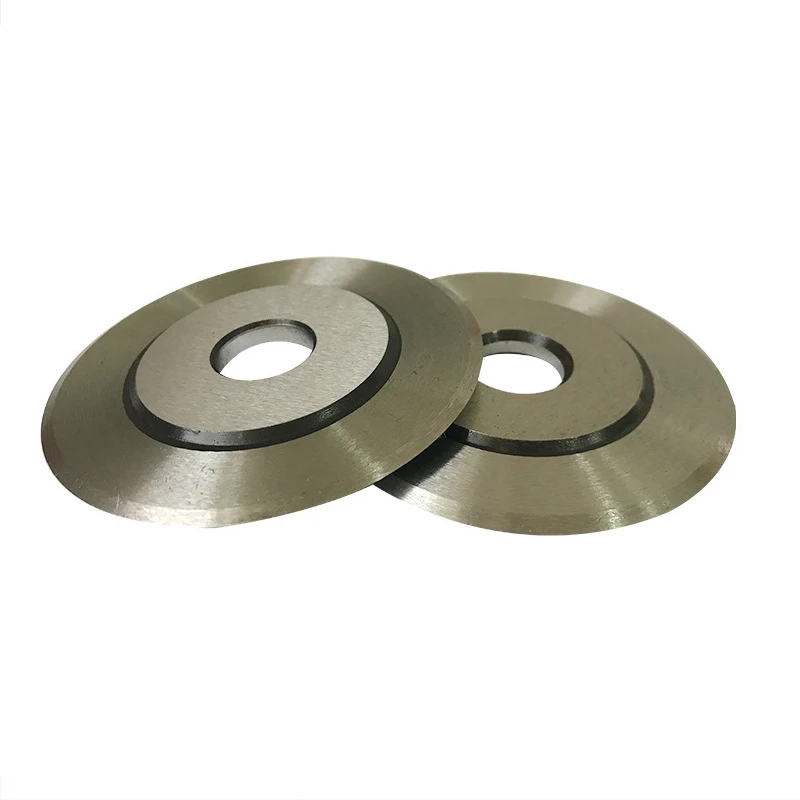
In plain terms, these are circular saw blades reinforced at the edges with tungsten carbide tips—a super-hard, wear-resistant material. Think of it as a steel blade wearing tooth caps made from a material nearly as hard as diamond. This design resists heat and abrasion, allowing the blade to slice through hardwood, softwood, and even engineered wood products with consistent sharpness.
Industrially, these blades translate directly to less frequent sharpening, less downtime, and better cut quality. Beyond economics, in places rebuilding after natural disasters or upgrading housing, quick and high-quality wood processing depends on blades that won’t quit.
Core Components and Key Factors Behind Their Performance
- Durability: Tungsten carbide’s robust nature offers extraordinary resistance to wear, increasing blade lifespan by 3–5 times compared to standard steel blades.
- Cutting Precision: The geometry and sharpness of carbide tips create smooth, consistent cuts reducing wood waste.
- Heat Resistance: Operations generate significant heat; carbide material endures without losing hardness, crucial for continuous runs.
- Maintenance Efficiency: Carbide tipped blades require less frequent sharpening, decreasing costly downtime.
- Cost Efficiency: Though initial investment is higher, long-term savings emerge from lower replacement and labor costs.
- Versatility: Suitable across a wide range of wood types and conditions—from tropical hardwoods to frozen timber.
| Specification | Typical Value |
|---|---|
| Blade Diameter | 24"–48" (610–1220 mm) |
| Tooth Type | Tungsten Carbide Tips |
| Kerf Width | 3.5–6.0 mm |
| Hardness (HRA) | 89–92 |
| Typical Lifespan | 500–1,200 hours of cutting |
Global Applications & Use Cases
From North America’s vast lumber mills to Scandinavian forests, carbide tipped sawmill blades have transformed wood processing. For example:
- Industrial Lumber Production: In Canada and Russia, high-performance saw blades enable turning dense hardwoods into high-value planks and beams.
- Post-disaster Reconstruction: After events like hurricanes or earthquakes, rapid deployment of reliable wood cutting tools accelerates building emergency shelters and infrastructure.
- Remote and Small-Scale Operations: In parts of Africa and Southeast Asia, blades that last longer reduce dependency on specialized grinders and maintenance services.
- Export-Oriented Timber Processing: Sustainable timber processing in countries like New Zealand relies on carbide tipped blades to meet international quality standards.
All those applications connect somehow with supply chain consistency and resource efficiency—something the blades help preserve.
Advantages and Long-Term Value
What makes carbide tipped sawmill blades stand out is more than just technical specs. Here’s where pragmatic and human factors converge:
- Cost Savings: While pricier upfront, the replacement frequency is far less. That means less labor time lost to sharpening and blade changes, translating to really tangible savings.
- Environmental Impact: Precise cuts reduce wood wastage that would otherwise become scrap or sawdust, indirectly supporting sustainable forest management.
- Safety & Reliability: Sharp blades cut cleaner and smoother, lowering the risk of accidents caused by blade binding or kickback.
- Consistency & Quality: End products are more uniform, aiding manufacturers’ brand reputation and customer trust.
- Innovation Driver: These blades push machinery makers to improve sawmill automation and digital monitoring, unlocking smarter mills worldwide.
Looking Ahead: Future Trends and Innovations
The future isn’t standing still. Research into new carbide composites promises even longer life spans and resistance to extreme conditions. Add to that:
- Integration with Digital Sensors: Blades embedded with IoT devices to monitor wear in real-time, reducing unexpected failures.
- Eco-Friendly Manufacturing: Recycling carbide tips and using greener metallurgy to lower environmental footprint.
- Automation Compatibility: Development of blades optimized for robotic sawmill setups, enabling 24/7 operation with minimal human oversight.
- Advanced Coatings: Ultra-hard coatings to further improve heat-dispersion and cut smoothness, even on engineered woods.
Challenges & Solutions in Blade Utilization
Despite their advantages, a few hurdles remain:
- High Initial Cost: This deters smaller operations but leasing models and pay-per-use contracts might change this scenario.
- Specialized Maintenance: Although less frequent, carbide blades require professional sharpening services to avoid damage.
- Optimizing for Mixed Wood Types: Some timber, like very fibrous or resinous wood, can still cause faster wear; research into specific tip designs helps alleviate this.
Proactive training for operators and better recycling protocols come up often among experts as immediate fixes.
| Vendor | Carbide Quality | Customization | Global Reach | Price Range |
|---|---|---|---|---|
| MechBlades | Premium tungsten carbide | High | Global (60+ countries) | $$$ |
| WoodCraft Tools | Standard carbide | Medium | North America, Europe | $$ |
| Global Saw Tech | High-grade carbide | Low | Asia-Pacific | $ |
Frequently Asked Questions About Carbide Tipped Sawmill Blades
- How long do carbide tipped sawmill blades typically last?
- Depending on use and wood type, these blades can last between 500 to 1,200 hours of cutting before needing re-sharpening. Hardwoods tend to wear them faster, but their durability far exceeds standard steel blades.
- Are carbide tipped blades more expensive upfront?
- Yes, their initial cost is roughly 2–3 times that of steel blades. However, the longer lifespan and reduced maintenance translate into greater money savings over time.
- Can these blades handle frozen or wet timber?
- Absolutely. Their carbide tips hold up well against tougher cutting conditions including frozen logs, which often degrade conventional blades rapidly.
- Is special equipment needed to sharpen carbide tipped blades?
- Yes. Sharpening carbide requires diamond grinding wheels and skilled operators, so many sawmills outsource this to specialized services to maintain proper blade integrity.
- How do I choose the right size and type for my sawmill?
- Factors to consider include sawmill capacity, wood species processed, and cut thickness. Consulting blade manufacturers or experts helps optimize blade selection for operational needs.
Conclusion: The Long-Term Edge for Wood Processing
All told, carbide tipped sawmill blades are an investment into a more efficient, sustainable, and safe wood industry. They balance upfront costs with undeniable long-term benefits—and frankly, as the world demands better timber quality and environmental care, these blades only become more essential. Whether you operate a large mill or a small saw, they’re worth considering.
If you want to explore options and find your perfect match, visit https://www.mechblades.com for premium products and expert advice.
Mini takeaway: Reliable cutting tools like carbide tipped blades shape not just wood but the future of global timber industries.