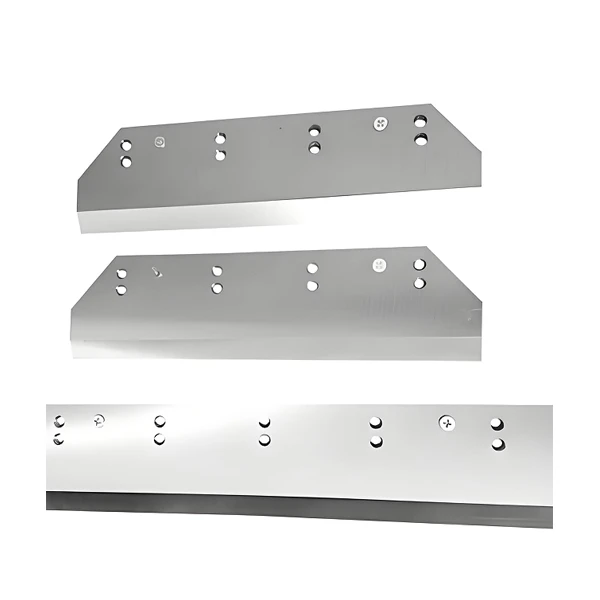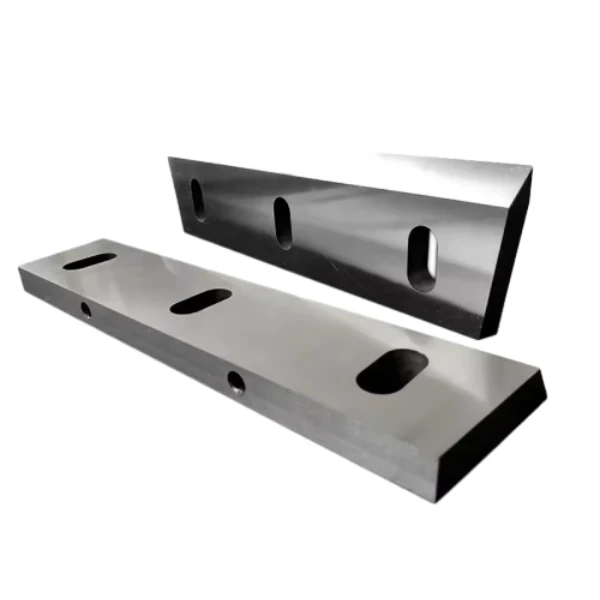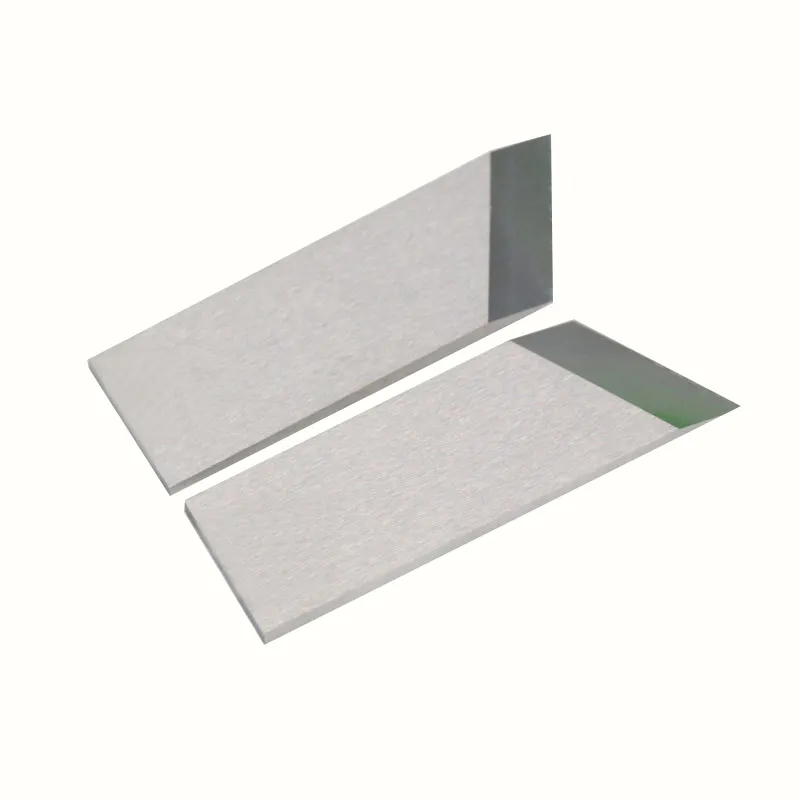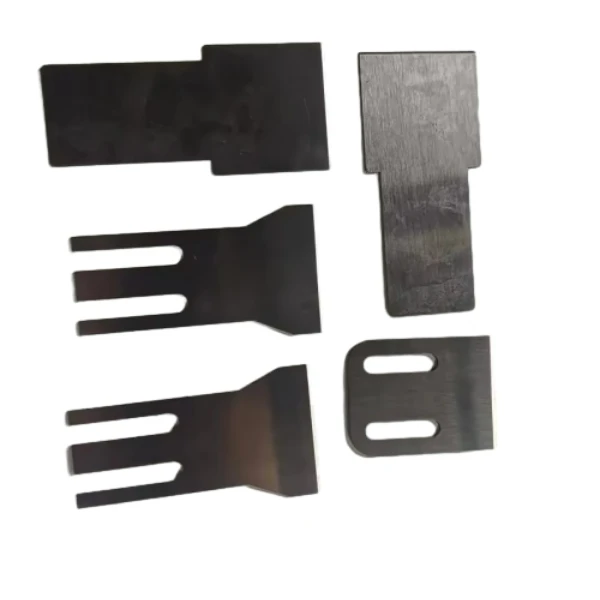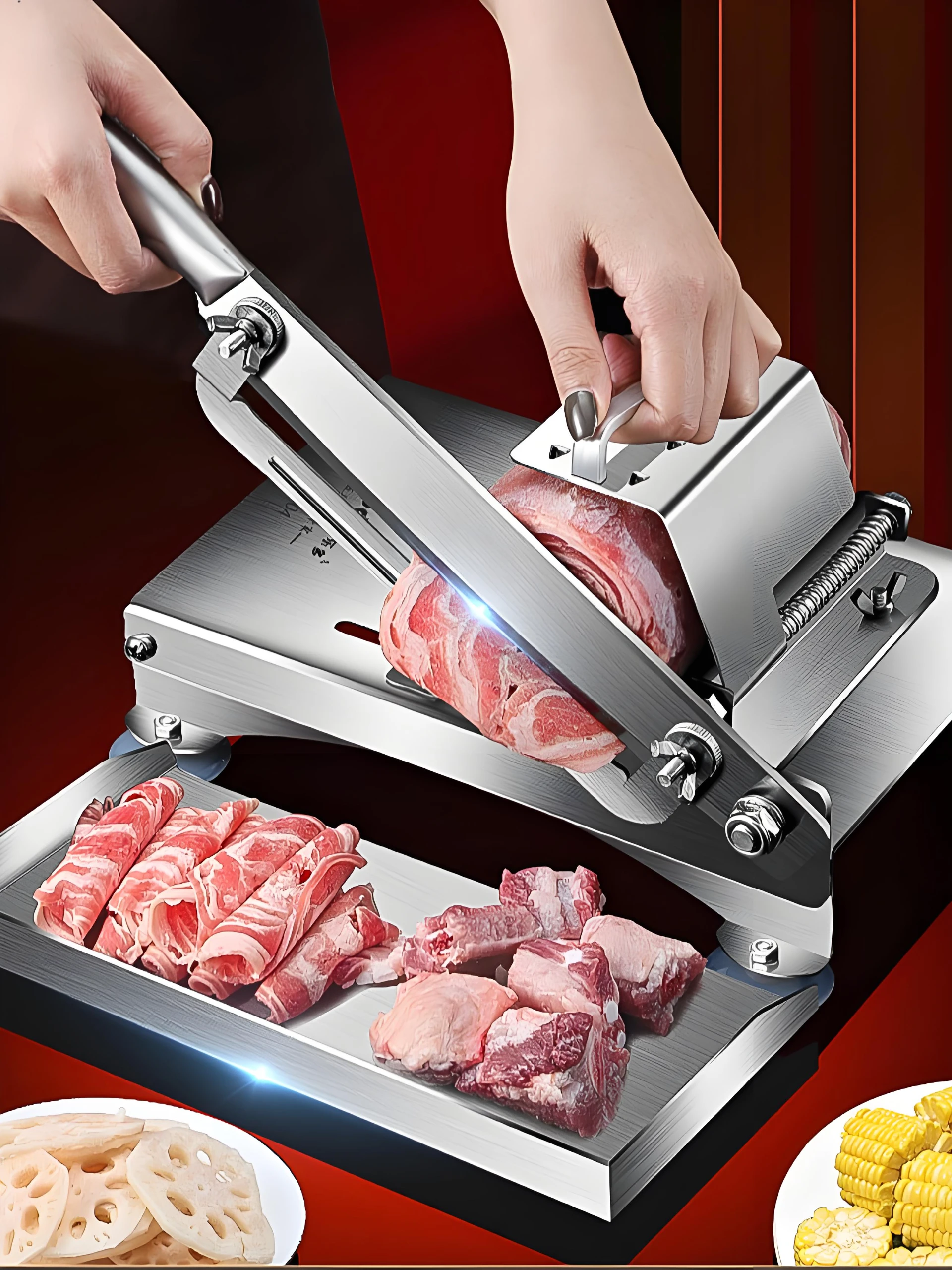
Understanding the Ceramic Cutter Blade: Why It Matters Worldwide
In industries from manufacturing to emergency relief, the ceramic cutter blade is quietly revolutionizing how we slice, carve, and cut materials more precisely and sustainably. Though it sounds niche, it plays a surprisingly broad role globally: enhancing productivity, reducing waste, and enabling safer operations in some of the harshest environments. Whether dissecting delicate electronics or shaping tough composites, ceramic blades have become essential tools that reflect modern needs for durability and efficiency. Grasping their benefits means understanding an essential piece of today’s technical puzzle—one that also hints at tomorrow’s innovations.
Global Context: The Ceramic Cutter Blade on the World Stage
Demand for precise cutting tools has soared, with the global market for advanced cutting instruments expected to grow at over 5% CAGR in the next five years (source: ISO Industry Reports). This growth ties closely to increasing automation, higher quality manufacturing, and sustainable industrial practices worldwide. For example, emerging economies in Asia and South America are expanding their electronics manufacturing, requiring sharper, longer-lasting cutting edges. Meanwhile, industries in Europe and North America focus on greener production methods, pushing for ceramic blades that outperform traditional steel without heavy environmental footprints.
However, challenges abound. Conventional metal blades wear down quickly and often require frequent replacements, creating waste and downtime. Plus, some environments—think electronics assembly lines or healthcare industries—demand contamination-free cuts. Ceramic cutter blades, with their superior hardness and chemical inertness, tackle these problems head-on, making them more than tools—they’re solutions.
Mini Takeaway:
- The ceramic cutter blade’s rise parallels global industrial growth and demand for sustainability.
- Its unique properties help solve wear and contamination challenges, relevant across continents and sectors.
What Exactly Is a Ceramic Cutter Blade?
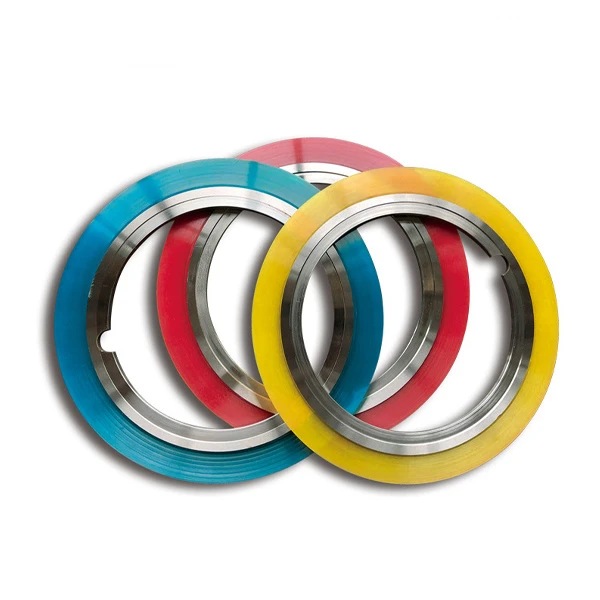
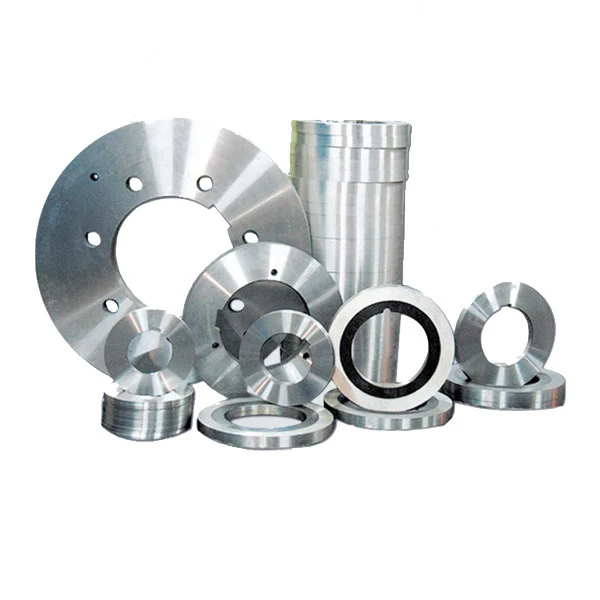
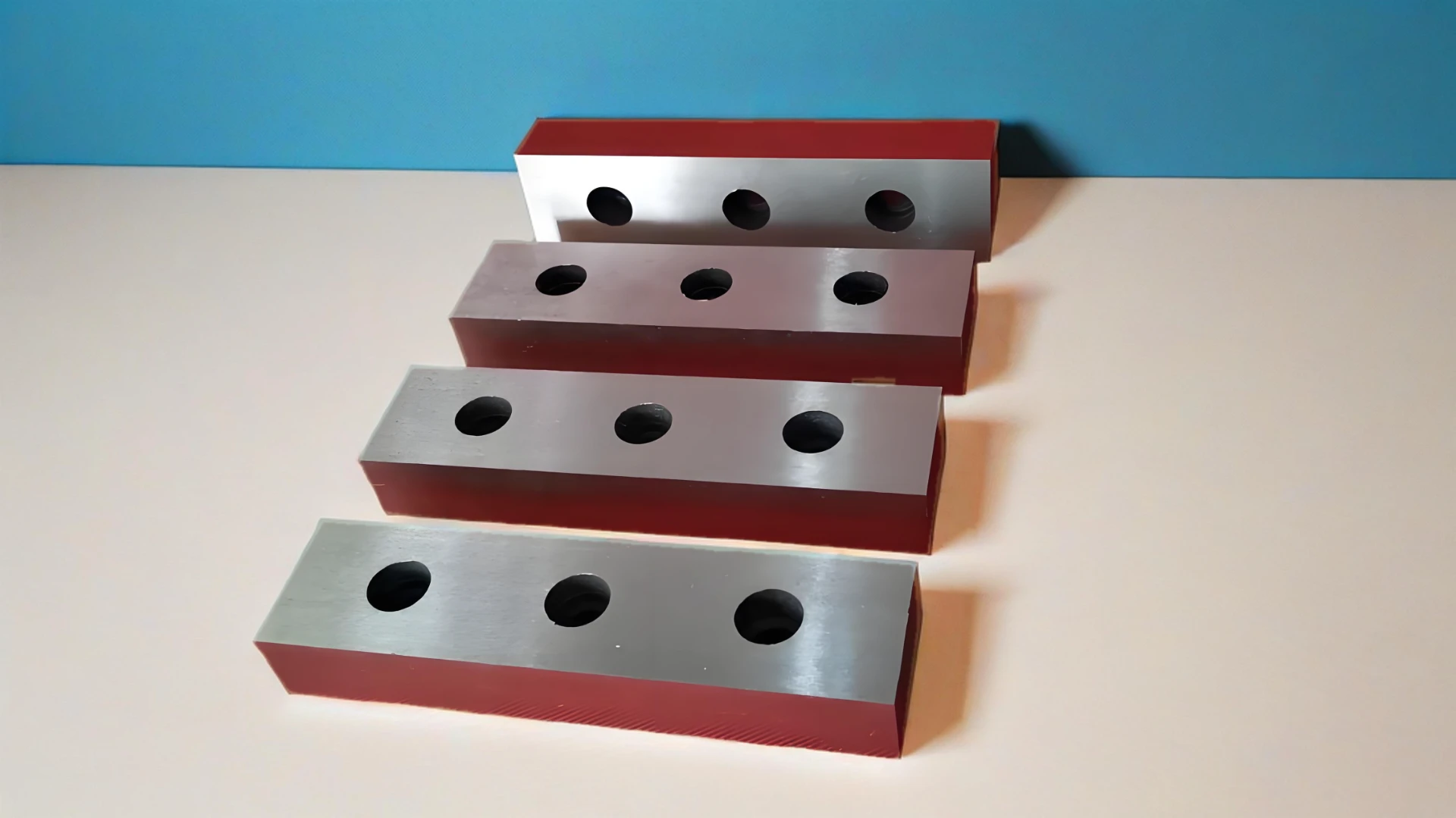
At its core, a ceramic cutter blade is a precision cutting tool made from fine ceramic materials—usually zirconium oxide or alumina—that have been engineered for toughness and sharpness. Unlike steel blades, ceramic blades don’t corrode, remain sharper longer, and produce cleaner cuts. In practical terms, this means better performance without constant sharpening or replacement.
Beyond the factory floor, these blades also find uses in healthcare for delicate surgeries and even in humanitarian aid where durable, portable cutting tools are vital during disaster relief.
Key Characteristics Making Ceramic Cutter Blades Stand Out
Durability & Sharpening Frequency
Ceramics rank near diamond in hardness—many engineers say it’s akin to having a blade that hardly dulls. This translates into far fewer blade changes and more consistent performance, reducing operational disruptions.
Chemical Resistance & Cleanliness
Because ceramic is inert, it doesn’t rust or react with other substances. This makes ceramic cutter blades ideal in sterile or corrosive environments, such as pharmaceutical packaging or microelectronics.
Lightweight Yet Tough
Compared to metal, these blades are lighter, which makes handheld tools easier to manage over long shifts. Yet, their toughness resists chipping if handled properly (though extreme impact can be an issue).
Cost Efficiency Over Time
While the upfront cost might seem higher, the overall lifecycle cost pays off with fewer replacements and less downtime—important where even minutes lost translate to big dollars.
Customization & Versatility
Modern ceramic blade manufacturing allows for custom shapes and sizes to meet specific cutting needs: from ultra-thin slivers used in micro-tech to broader blades for packaging industries.
Mini Takeaway:
- The ceramic cutter blade’s impressive hardness combined with chemical inertness provides long-lasting, clean cuts.
- These blades balance lightness with resilience, supporting ergonomic and economic benefits.
Real-World Applications of Ceramic Cutter Blades
Ceramic cutter blades are everywhere—even if you don’t notice. In electronics manufacturing hubs across Shenzhen or Seoul, for example, they’re essential for cutting silicon wafers and fragile circuit boards with micrometer precision. In medical sectors globally, they’re favored for their hygiene and reliability during surgical procedures.
Relief agencies in disaster-prone regions also depend on ceramic cutters when distributing aid packs, as these tools don’t degrade in humid or dusty environments. In industrial zones in Germany and the U.S., they're integrated into automated cutting machines for sustainable packaging, reducing scrap and waste.
Product Specification Table: A Typical Ceramic Cutter Blade
| Specification | Detail |
|---|---|
| Material | Zirconium Oxide (ZrO2) |
| Hardness (Mohs scale) | 8.5 - 9 |
| Blade Thickness | 0.2 - 0.5 mm (customizable) |
| Edge Retention | Up to 20x longer than steel |
| Typical Applications | Electronics, medical, packaging, aerospace |
| Chemical Resistance | Highly resistant to acids and alkalis |
Comparing Leading Vendors: Finding the Right Ceramic Cutter Blade Supplier
| Vendor | Material Quality | Customization Options | Lead Time | Price Range |
|---|---|---|---|---|
| MechBlades Inc. | Premium Zirconia, ISO 9001 certified | High (custom shapes, thickness) | 2-3 weeks | $$$ |
| CutCeram Ltd. | Mid-grade Alumina | Moderate (standard sizes) | 1-2 weeks | $$ |
| GlobalCeram Tools | Premium Zirconia and custom blends | High | 3-4 weeks | $$$$ |
Advantages & The Value That Lasts
Long-term, ceramic cutter blades save money, time, and frustration. Fewer blade changes mean efficiency gains; less waste means environmental wins. The fact they’re also less prone to contamination introduces a priceless safety factor, especially in medicine or food packaging industries.
Emotionally, there’s a growing trust in these tools because they deliver consistent, clean results. Users report less hand fatigue and worry, as the blades’ precision feels reliable. In a way, it’s not just a blade—it's peace of mind at work.
Looking Ahead: What’s Next in Ceramic Cutter Blade Technology?
The future is bright, albeit challenging. Innovations like nanocomposite ceramic coatings are already improving toughness and flexibility, while AI-driven manufacturing promises tailored blades optimized for specific tasks. Additionally, green manufacturing practices aim to reduce the environmental footprint of ceramic production.
Automation continues to push these blades into robotic systems, where repeatability is a must. There’s also exciting work toward recycling and refurbishing ceramic blades, which could spell a new era of circular economy in precision tooling.
Addressing Challenges: Breakage and Costs Explained
No blade is perfect. Ceramic cutters are brittle compared to metals, so they require careful handling to avoid chipping or breaking. Cost is another factor—though long-term savings are notable, initial investments can deter smaller companies.
Experts suggest proper training, using protective casings, and selecting appropriately sized blades for the task to mitigate these issues. Partnerships between suppliers and customers are growing, offering tailored solutions to ease these hurdles.
FAQs About Ceramic Cutter Blades
- How long does a ceramic cutter blade typically last compared to steel?
- On average, ceramic cutter blades hold their sharpness up to 20 times longer than their steel counterparts, depending on use and maintenance. This drastically reduces downtime and replacement needs in industrial settings.
- Are ceramic cutter blades suitable for cutting all materials?
- While ceramic blades excel at cutting hard and delicate materials like silicon wafers and plastics, they may not be ideal for extremely heavy-duty metals or high-impact cutting, where steel or carbide may perform better.
- Can ceramic cutter blades be resharpened?
- Technically, they can be resharpened, but the process requires specialized equipment and expertise due to ceramic’s hardness and brittleness. Often, replacement is more practical for most users.
- Is ordering custom ceramic cutter blades internationally complicated?
- Thanks to global supply chains and companies like MechBlades, ordering custom blades internationally is now smoother, with support through logistics and customs compliance provided by vendors.
Conclusion: Sharp Cuts, Smart Choices
By now, it’s clear that the ceramic cutter blade is much more than a tool—it represents a global shift toward sustainable, precise industrial solutions. Its lasting sharpness, chemical resistance, and ergonomic advantages suit diverse needs, from high-tech assembly to humanitarian aid.
Thinking ahead, integrating these blades into your operations can offer durable value and environmental benefits. Curious to explore? Visit our website: https://www.mechblades.com and discover how the right ceramic cutter blade can redefine your cutting needs.