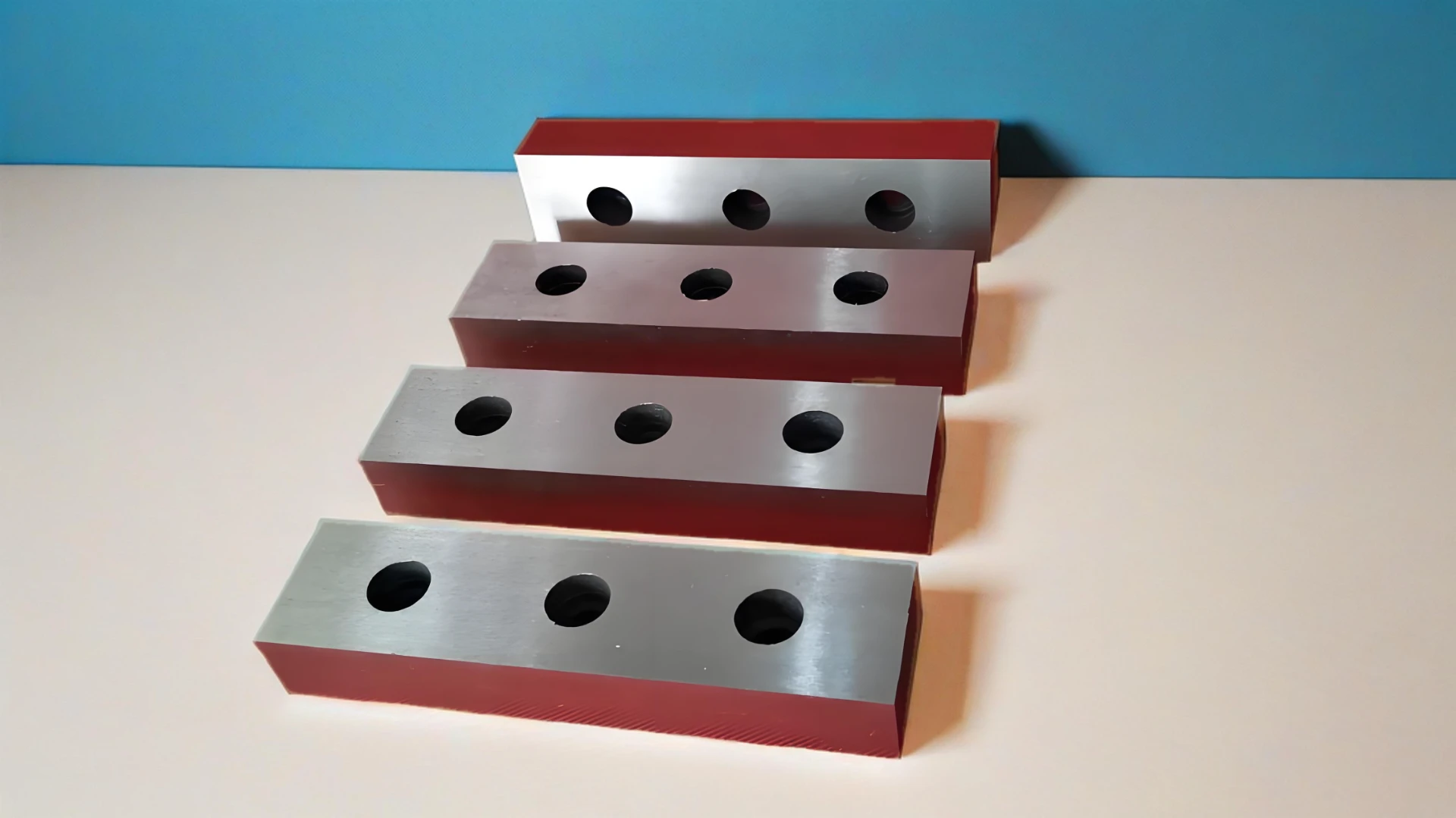
Why Ceramic Utility Blades Matter More Than You Think
At first glance, ceramic utility blades might sound like a niche tool for industrial use only. But once you scratch beneath the surface, their impact touches everything from manufacturing to humanitarian aid, all over the globe. These small but mighty blades offer durability, precision, and safety benefits that are reshaping cutting tools worldwide. Understanding their nuances isn't just trivia — it’s a peek into how industries and even disaster response teams rely on innovation to work smarter and safer.
So, why the buzz about ceramic utility blades? Frankly, they help tackle common challenges in cutting materials — think rust, frequent replacements, or inconsistent sharpness — problems that can slow down production lines or risk worker injury. Their rise parallels trends in sustainability and efficiency, which makes them a fascinating subject if you’re plugged into how modern tools evolve.
The Global Footprint of Ceramic Utility Blades
Ceramic blades are no longer a futuristic novelty. The global tooling market reflects an increasing shift towards ceramic materials, backed by stats from sources like the ISO and World Bank, which highlight a growing demand for high-performance, corrosion-resistant cutting tools. For instance, in Asia-Pacific alone, ceramic blade consumption has surged by almost 12% annually in recent years, largely driven by electronics and automotive industries.
This trend addresses a real issue: standard steel blades oxidize and dull quickly, especially in humid or harsh environments. Ceramic utility blades come as a solution to extend tool life, lower replacement costs, and improve user safety. Imagine industrial zones in South America or Africa, where supply chains can be patchy — having blades that last longer isn’t just convenience, it’s vital.
Mini Takeaway:
- Ceramic utility blades respond to genuine, global industrial pain points.
- Statistics from reputable sources show rising adoption worldwide.
- Durability and reliability are becoming non-negotiable in cutting tools.
What Exactly Are Ceramic Utility Blades?
Simply put, a ceramic utility blade is a cutting tool made primarily from advanced ceramic materials — typically zirconia or alumina. Unlike the modest steel blades many know, ceramic blades are engineered for extreme hardness and wear resistance. This means they stay sharp much longer and resist corrosion entirely, since ceramics don’t rust.
These blades are widely used in industries that need precise, clean cuts — electronics assembly, textiles, packaging, and even medical device manufacture. Sometimes overlooked, their role in humanitarian contexts — like cutting bandages or food packages in field hospitals — showcases how versatile and essential these blades have become.
Core Features That Set Ceramic Utility Blades Apart
Durability
Ceramic blades maintain their sharpness for 5-10 times longer than standard steel blades. This translates to fewer blade changes and less downtime, a saving many workers appreciate.
Corrosion Resistance
They are virtually immune to rust or chemical damage, offering longevity in wet or chemical-rich environments — think laboratories or food packaging plants.
Precision
The hardness of ceramic allows for edges that are ultra-thin and sharp, ideal for delicate or high-tolerance cutting tasks.
Safety
Since ceramic blades retain sharp edges longer, cuts are cleaner, reducing slips or jagged tears that lead to injuries.
Cost Efficiency
Although upfront costs are higher, longer service life and fewer replacements often bring overall savings.
Environmental Impact
Long-lasting blades reduce waste. Plus, with more manufacturers exploring recyclable ceramics, the sustainability angle gains momentum.
Mini Takeaway:
- These blades are engineered for extended life and performance.
- Practical benefits include safety, sharpness, and eco-friendliness.
Product Specification Table: Typical Ceramic Utility Blade
| Specification | Value |
|---|---|
| Material | Zirconia Ceramic |
| Blade Length | 60 mm |
| Edge Type | Ultra-Sharp Straight Edge |
| Hardness (Mohs scale) | 8.5 |
| Typical Lifespan | Up to 10x Steel Blade |
| Corrosion Resistance | 100% Rust-Free |
Global Applications: Where Ceramic Utility Blades Shine
From Silicon Valley to rural African clinics, ceramic blades quietly do their part. In electronics manufacturing hubs like Taiwan and South Korea, precision cutting of fragile circuit boards demands blades that won’t chip or leave residue. Meanwhile, NGOs working in refugee camps use ceramic blades for everything from packaging aid supplies to medical dressings, relying on their longevity and safety — an important factor when replacement tools may be scarce.
Interestingly, even traditional sectors like textiles benefit. European fabric cutters report cleaner cuts, which reduce fabric waste and boost product quality. Meanwhile, remote mining operations appreciate the weather-resistant nature of ceramic blades — no need to worry about rust when operating… well, in the middle of nowhere.
Vendor Comparison Table: Ceramic Utility Blade Manufacturers
| Vendor | Price Range (per 100 blades) | Material Quality | Customization Options | Global Shipping |
|---|---|---|---|---|
| CeramiCut Pro | $120 - $140 | High-grade Zirconia | Yes (length, edge type) | Worldwide |
| SharpRite Tools | $100 - $130 | Standard Zirconia | Limited | North America, EU |
| BladeX Ceramic | $110 - $150 | Advanced Alumina | Yes (custom sizes) | Selective Markets |
Advantages of Ceramic Utility Blades: More Than Just Sharpness
Okay, the obvious stuff first: durability means fewer replacements, which means less downtime. But oddly enough, many engineers I've spoken with swear by the “feel” of cutting with ceramic blades — clean, consistent, and safer. The fact they don’t rust also improves workplace hygiene — surprisingly important in food processing or medical settings.
Beyond the numbers, though, there’s an emotional resonance here. Workers feel more confident knowing their tools won’t suddenly dull or splinter. In humanitarian zones, having reliable tools indirectly preserves dignity — helping protect supplies and keep operations smooth. So, it’s not just about efficiency but about trust and safety, too.
Watching Forward: Trends & Innovations
Innovation in ceramic blades is ongoing. Researchers at leading materials universities are experimenting with nano-ceramics to create even tougher blades. Automation integration means blades customized for specific cutting robots, increasing efficiency.
Also, green energy initiatives translate here: manufacturers aim to reduce hazardous waste (fewer steel blade landfills) and utilize eco-friendly recycling. Plus, the rise of ceramic utility blades with specialized coatings could further boost performance — think self-cleaning or antimicrobial surfaces.
Challenges and How They're Being Tackled
Despite the advantages, ceramic blades aren't unbreakable; they can be brittle and need careful handling. Storage and disposal protocols differ from steels, so some sectors hesitate. Plus, the initial cost is a sticking point for small businesses.
Solutions? Some vendors now offer reinforced ceramics or hybrid blades to reduce brittleness. Education around blade care is improving. And bulk pricing plus longer lifespan usually makes the cost a smarter investment in the long run.
FAQ: Your Ceramic Utility Blades Questions Answered
Q: How much longer do ceramic blades last compared to steel blades?
A: Typically, ceramic blades can last up to 10 times longer than their steel counterparts due to superior hardness and corrosion resistance, reducing replacement frequency significantly in most applications.
Q: Are ceramic blades safe to use in wet environments?
A: Yes. Ceramic blades resist rust and chemical corrosion, making them excellent for wet or humid environments such as kitchens, labs, or outdoor operations.
Q: Can ceramic utility blades be sharpened again when dull?
A: Unlike steel blades, ceramic ones are much harder to sharpen without specialized equipment. Usually, they are replaced when blunt, but some vendors offer professional sharpening services.
Q: Are ceramic blades eco-friendly?
A: They tend to be more environmentally friendly than steel blades because of their longer lifespan, which means less waste. Efforts are underway to improve recyclability of ceramic materials as well.
Q: Where can I buy reliable ceramic utility blades?
A: Trusted suppliers with worldwide shipping include manufacturers like CeramiCut Pro and BladeX Ceramic. Look for certified material quality and reviews specific to your industry needs.
Wrapping It Up: Why Ceramic Utility Blades Deserve Your Attention
In sum, ceramic utility blades offer an elegant solution to old cutting problems: they’re sharp, durable, rust-free, and becoming more versatile every year. While the price tag might seem steep at first, the long-term benefits — from safety to sustainability — tell a different story. If you value efficiency, innovation, and reliability in your cutting tools, it feels like ceramic blades are the toolkit upgrade you didn’t realize you needed.
Curious to explore options? Visit our website: ceramic utility blades to find detailed specs and trusted vendors.