Wood Industry Saw Blade Knife: the insider’s guide to picking a smarter cut
If you’re choosing a circular saw blade for real-world production, here’s the bottom line: materials, grind geometry, and QC discipline matter more than brand slogans. I’ve toured plants from Changzhou to Chemnitz; the best shops obsess over plate tensioning and brazing temps, not just tooth counts. And yes, thin-kerf is back in style—lumber costs nudge everyone that way.
What’s trending now
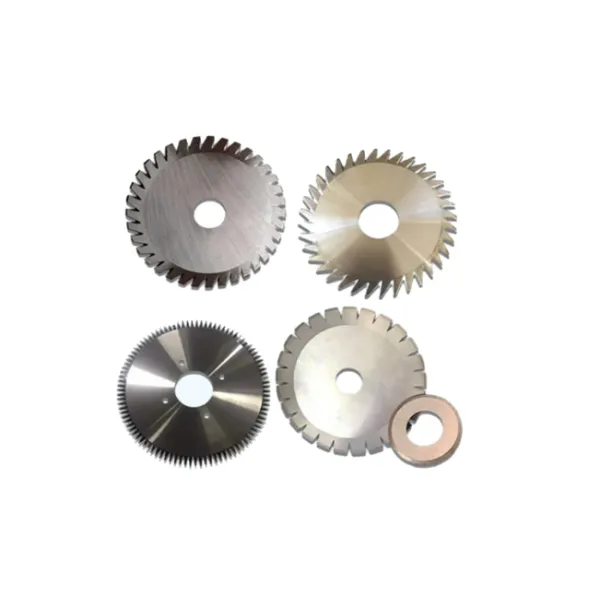
- PCD-tipped and TCG hybrid teeth for abrasive boards (MDF, HPL, melamine).
- Laser-damped plates and variable pitch to tame noise and chatter.
- Traceable QR engravings, so resharpening and batch QC logs follow the tool.
- Thinner kerf (≈2.2–2.8 mm on 300–350 mm dia) to save up to 15–20% material in panel lines.
Core applications
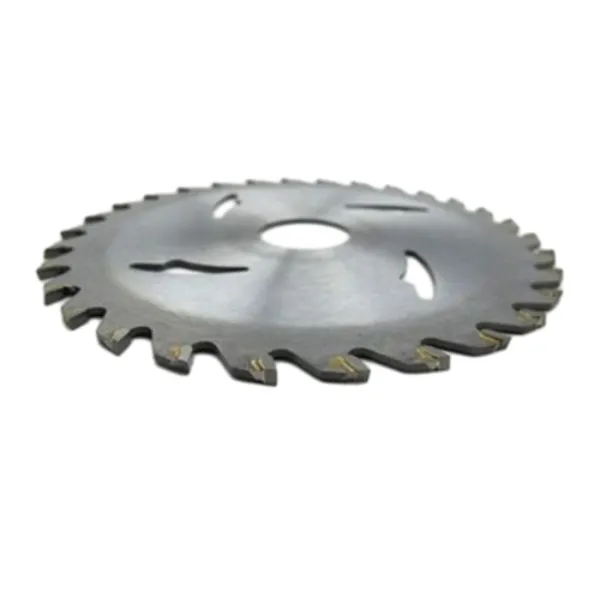
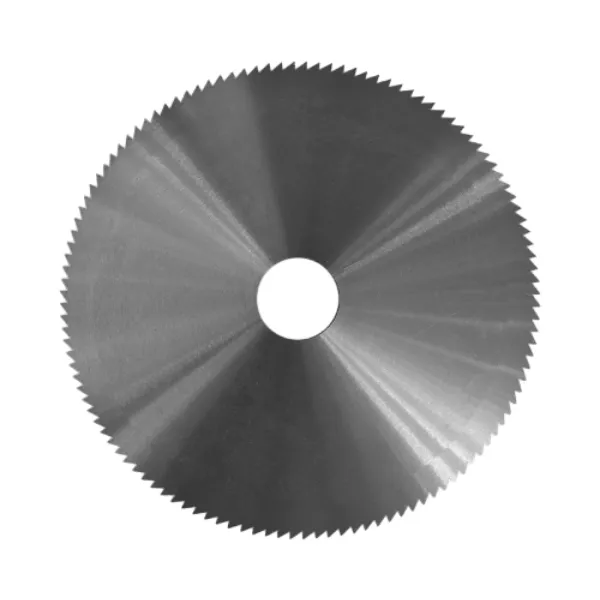
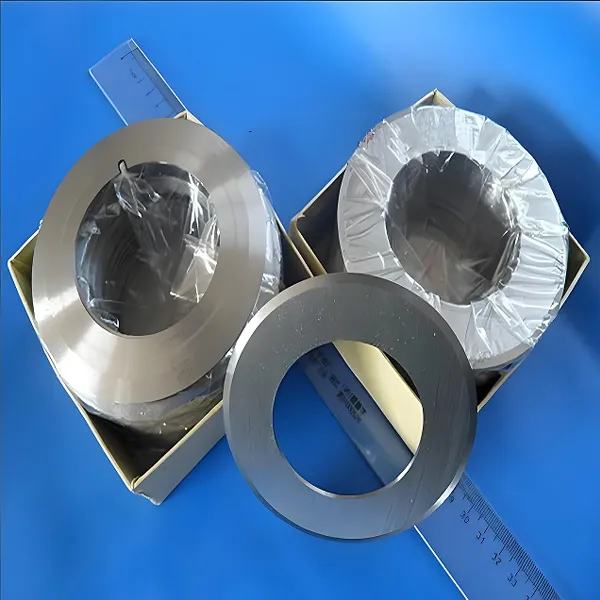
From rough ripping of logs to fine trimming in furniture lines, the Wood Industry Saw Blade Knife covers MDF/HDF, plywood, melamine chipboard, WPC, and even composite profiles and light sheet metal. Many customers say the edge quality on laminated boards is “surprisingly clean” after switching to a circular saw blade with the right grind and runout spec.
Product specs (typical)
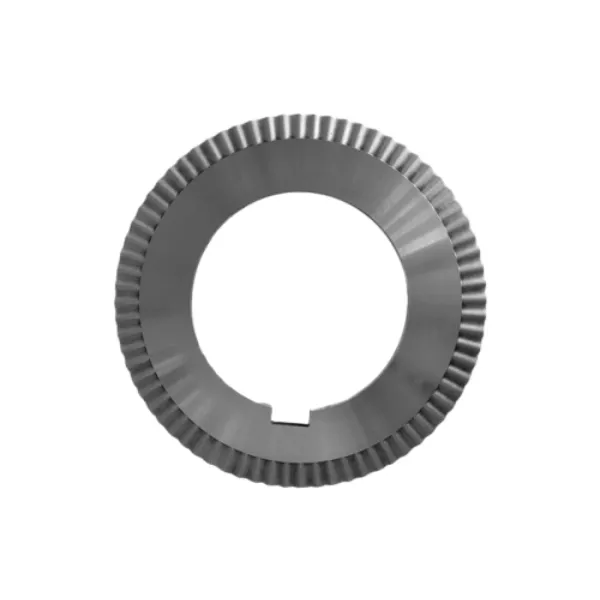
| Diameter | 160–400 mm (custom up to 650 mm) | Kerf | ≈2.2–3.5 mm |
| Bore | 20/22.23/30 mm (H7), custom flanges | Teeth | 24–108 T (ATB, TCG, HiATB) |
| Tip Material | Carbide K10–K20; PCD for abrasive panels | Max RPM | ≈6,000–9,000 (check diameter) |
| Plate | 75Cr1/SKS51, HRC 42–46 | Runout | ≤0.02 mm (real-world use may vary) |
How it’s made (quick process flow)
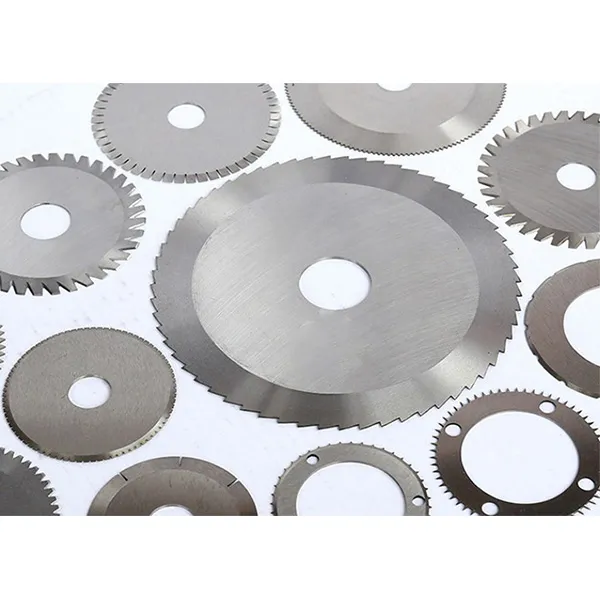
Material prep → laser-cut plate → heat treatment → tensioning → tip brazing (Ag brazing alloy, 650–750°C) → CNC tooth grinding (5-axis) → side/face grind → laser damping slots → dynamic balancing (G6.3) → marking & QC. Testing includes hardness (HRC), brazed-joint pull tests (≈2,500–3,000 N), runout, and noise checks per EN 847-1.
Field performance and life
In MDF 18 mm, a TCG carbide circular saw blade typically runs ≈6,000–8,500 linear meters before resharpening; PCD versions push 25,000–60,000 m. On melamine, HiATB grinds trim chip-out by 30–45% (shop-floor averages). Service life depends on feed speed (20–60 m/min), chip load, and dust extraction—honestly, housekeeping matters.
Vendor snapshot (realistic comparison)
| Vendor | Carbide/PCD Options | Customization | Lead Time | QC & Standards |
|---|---|---|---|---|
| MechBlades (Changzhou) | K10–K20, PCD, variable pitch | Bore/flange, kerf, grinds, laser slots | ≈10–18 days | EN 847-1, ISO 9001, balancing G6.3 |
| Vendor A | Carbide only (limited PCD) | Basic bore/teeth | ≈15–25 days | ISO 9001 |
| Vendor B | Carbide + PCD | Moderate; fewer grind profiles | ≈12–20 days | EN 847-1 |
Customization options
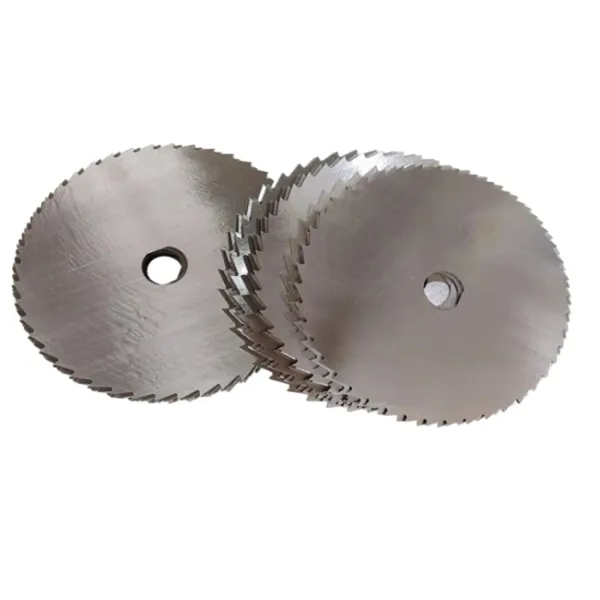
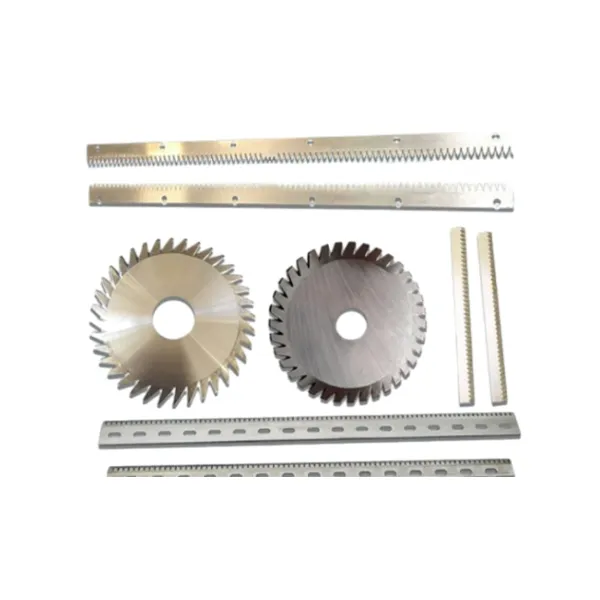
- Teeth: ATB for solid wood; TCG/HiATB for laminates; PCD for high-wear lines.
- Kerf/bore/flange to match sliding table saws, beamsaws, and CNC lines.
- Coatings (TiAlN, DLC) for resin-heavy boards.
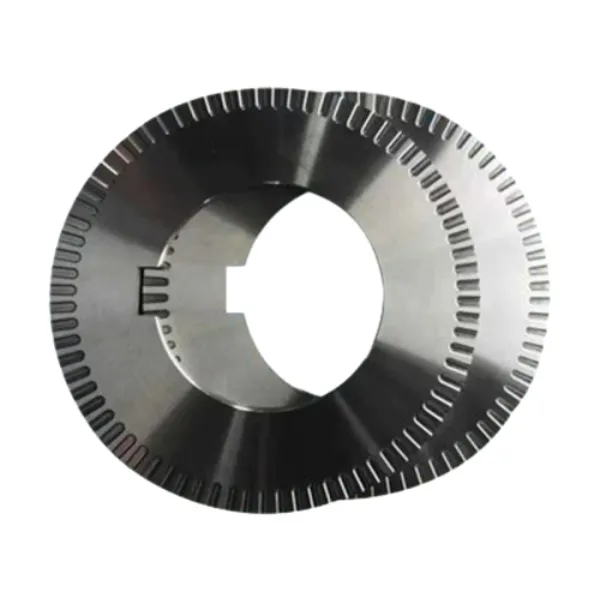
- Noise control: variable pitch, laser slots, resin-filled channels.
Case notes from the floor
Furniture plant, Vietnam: switching to a thin-kerf circular saw blade cut kerf waste by ~18% and nudged yield +2.1%. Edge chip-out on melamine dropped 37% after adopting HiATB with scoring.
Window profiles, EU: PCD-tipped circular saw blade on composite/aluminum lines extended resharpening cycles from 2 weeks to 7 weeks; burrs reduced ≈35% (operator logs).
Certifications, standards, and origin
Built under ISO 9001 systems; designed to comply with EN 847-1. Safe use aligns with ISO 19085 machinery guidance and plant SOPs. Origin: No.22, North of Tangxiqiao, Luoxi Town, New North Area, Changzhou City, Jiangsu Province, China. 213002.
Citations:
[1] EN 847-1: Tools for woodworking — Safety requirements — Part 1.
[2] ISO 19085-1: Woodworking machinery — Safety — Part 1: Common requirements.
[3] ISO 9001:2015 Quality management systems — Requirements.
[4] OSHA 1910.213: Woodworking machinery requirements (safe operation context).