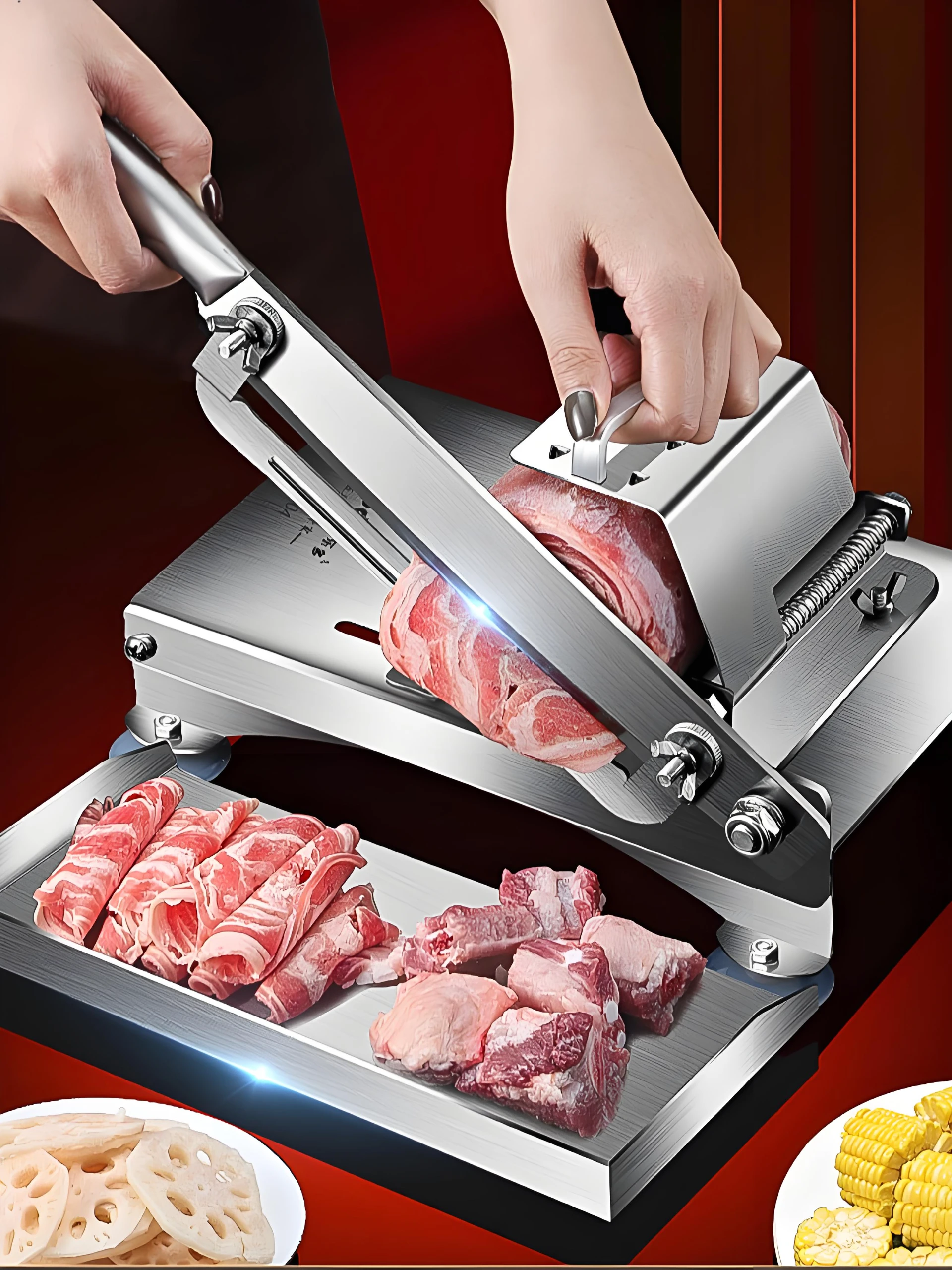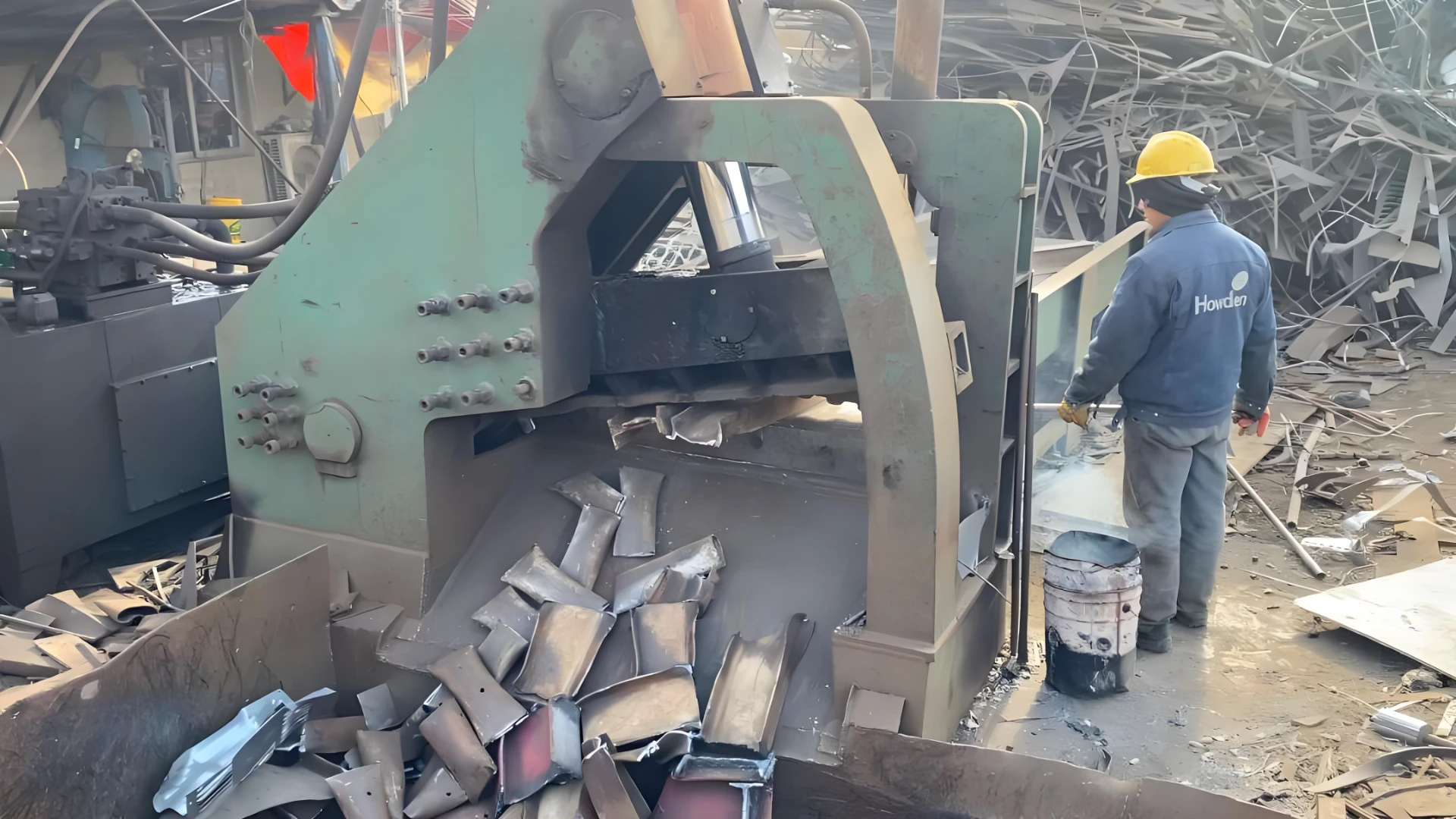
The 22 Grinder Blade: Why It's a Game Changer in Cutting Tools
The 22 grinder blade might sound like just another piece of hardware, but globally, it’s much more than that — it’s the unsung hero in industries ranging from manufacturing to construction, and even emergency services. Understanding its design, applications, and future potential is key not only for professionals wielding cutting tools every day but also for businesses focused on efficiency and sustainability.
Cutting precision and tool reliability have enormous impact on productivity and safety worldwide, and the 22 grinder blade exemplifies this synergy. Let’s dive into why this particular blade size and style pack such a punch.
Global Context: The 22 Grinder Blade in Industry and Beyond
To put things in perspective, according to the ISO standards on abrasive tools, precision and safety are paramount for blades like the 22 grinder variety—which roughly corresponds to a 22 cm (about 8.66 inches) diameter, making it a solid mid-size option for various grinders.
Manufacturing data from the World Bank suggests industrial tool demand keeps surging, particularly in regions with rapid infrastructure development such as Southeast Asia and Africa. And honestly, with the sheer volume of metalwork, fabrication, and repair work ongoing, a reliable blade matters. The problem, globally, is balancing durability with cost-effectiveness while maintaining worker safety under increasingly strict regulations.
Here, the 22 grinder blade becomes a neat answer: large enough for serious cutting tasks yet compact enough for nuanced control.
What Exactly Is a 22 Grinder Blade?
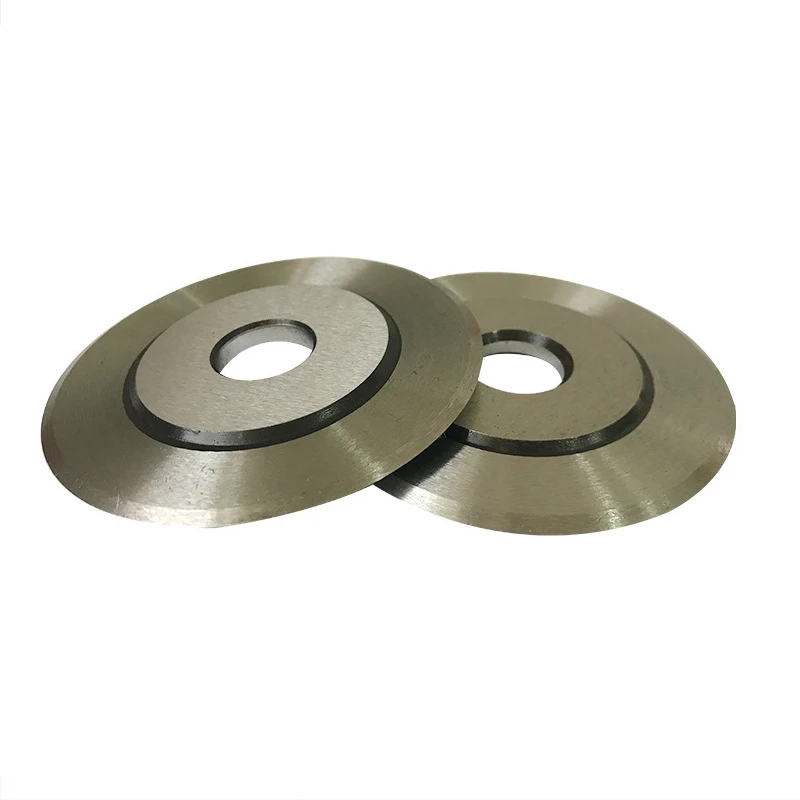
Put simply, a 22 grinder blade is a circular cutting disc designed to fit angle grinders or bench grinders with a 22 cm diameter capacity. Made primarily from abrasive materials—think aluminum oxide, silicon carbide, or even diamond grit—the blade slices through metals, ceramics, stone, and more.
What’s interesting is how its size bridges the gap between smaller blades, favored for delicate tasks, and sturdier, larger ones used in heavy-duty industrial cutting. This makes the 22 grinder blade versatile for workshops, construction sites, and even field operations.
It also responds well to evolving industrial needs — such as quicker, cleaner cuts and reduced waste — which are essential in manufacturing and even humanitarian efforts where speed and resource preservation are critical.
Mini Takeaway:
Think of the 22 grinder blade as the “Goldilocks” size: not too big, not too small — just right for many cutting tasks across industries.
Core Components That Make the 22 Grinder Blade Essential
1. Durability
This blade is engineered for endurance. Many brands use layers of fiberglass mesh bonded with resin, making the 22 grinder blade resistant to cracking and chipping. For workers dealing with metal or stone, durability isn’t just convenient — it’s a lifesaver.
2. Cutting Precision
Flat yet sharp edges, often coated or infused with abrasive minerals, help maintain a clean, straight cut. Precision in cutting reduces material wastes and speeds up project completion — a crucial element when operating at scale.
3. Versatility
It’s not just for metal; some 22 grinder blade variants handle multi-material jobs — stainless steel, concrete, even tough tile. Engineers I spoke with say this adaptability saves valuable downtime swapping different blades.
4. Cost Efficiency
Long-lasting blades with multi-purpose features drive down replacement frequency, which, in industrial terms, translates to real savings over months and years. Plus, less downtime means higher throughput.
5. Safety Features
Modern 22 grinder blades often meet stringent safety certifications (like ANSI or EN standards), ensuring consistent quality. Safer blades reduce accidents — which, honestly, can’t be overstated.
Mini Takeaway:
Investing in a quality 22 grinder blade pays off in durability, precision, versatility, cost, and safety — a rare blend of benefits.
Where The 22 Grinder Blade Comes Alive: Global Applications
Across continents, these blades are quietly at work. In manufacturing hubs like Germany and Japan, 22 grinder blades tackle automotive parts production. In remote oil fields off West Africa, they’re critical for on-site pipe servicing. Post-disaster relief operations in Southeast Asia use these blades to quickly cut through debris for rescue or rebuilding.
- Heavy fabrication shops in the U.S. and Europe rely on these blades for structural steel cutting
- Construction firms in the Middle East extensively utilize them for concrete and metal finishing
- Maintenance units in mining industries worldwide deploy rugged versions to repair machinery quickly
So, the 22 grinder blade is a global workhorse, adaptable to diverse climates and materials.
Mini Takeaway:
Whether it’s a bustling factory or a remote field camp, the adaptability of the 22 grinder blade makes it a must-have tool.
Advantages & Long-Term Value of Using a 22 Grinder Blade
Beyond the obvious — sharp cuts and reliability — these blades deliver sustainability benefits. Long-lasting blades reduce waste, which reduces landfill impact. Plus, their efficiency reduces energy use, as machines don’t need to labor over blunt tools.
On the more human side, workers report less fatigue and more confidence using blades that deliver predictable, clean cuts. That psychological boost can’t be measured with a stopwatch but often shows up in safety records and worker retention data.
Innovation in material composites also means fewer toxic residues are created during operation, so environmental and health considerations aren’t afterthoughts.
Product Specification Table: Typical 22 Grinder Blade Features
| Specification | Typical Value | Notes |
|---|---|---|
| Diameter | 220 mm (8.66 inches) | Standard size for many grinders |
| Maximum RPM | 6,600 RPM | Varies by manufacturer |
| Material | Aluminum oxide / Silicon carbide | Depends on blade variant |
| Thickness | 2.0 to 3.5 mm | Thicker for heavy-duty use |
| Safety standards | ANSI B7.1 / EN 12413 | Ensures safe operation |
Looking Ahead: The Future of 22 Grinder Blades
The cutting-edge isn’t just a buzzword here; materials science is driving exciting changes. Expect more diamond-embedded blades that slice through ultra-hard materials. Automation integration might allow grinders to self-adjust blade speeds or detect blade wear in real time — reducing human error.
There’s also growing interest in greener production methods and recyclable blade composites, tying into the larger corporate push for sustainability. Honestly, it feels like the humble 22 grinder blade has a high-tech future ahead.
Challenges & How Industry Tackles Them
Sure, no tool is perfect. Challenges include:
- Blade wear: Even durable blades eventually degrade, risking poor cuts or safety issues.
- Compatibility: Not all grinders accept the exact 22 cm diameter blade, confusing buyers.
- Cost vs. Quality: Cheap blades flood the market, tempting but often unsafe or inefficient.
To address this, many vendors implement strict quality controls and offer certifications. Also, educating customers remains key, so that they understand why “cheap” can cost more in the long run.
Vendor Comparison Table: Popular 22 Grinder Blade Brands
| Brand | Material | Price Range | Special Features |
|---|---|---|---|
| SharpCut Pro | Aluminum oxide | $$$ | High durability, low vibration |
| FlexiBlade Ultra | Silicon carbide | $$ | Multi-material cutting |
| DiamondEdge | Diamond grit | $$$$ | Ultra-hard precision cuts |
| BudgetCut | Aluminum oxide | $ | Affordable, standard performance |
FAQ: Your Quick 22 Grinder Blade Questions Answered
- What makes the 22 grinder blade especially suited for industrial use?
- The 22 grinder blade balances size, durability, and versatility. Its diameter fits a broad range of grinders, while material quality ensures it withstands rigorous industrial applications, from metal cutting to masonry.
- How long does a typical 22 grinder blade last under heavy use?
- Usage varies, but a high-quality 22 grinder blade can last from several weeks to a few months on daily industrial tasks. Proper handling and maintenance can extend its lifespan significantly.
- Are all 22 grinder blades compatible with my angle grinder?
- Not necessarily. While many angle grinders accept 220 mm blades, always check your grinder’s maximum blade diameter and arbor size before purchase to ensure compatibility.
- Is it worth investing more in premium blades for the 22 grinder size?
- Generally, yes. Premium blades offer better durability, cleaner cuts, and improved safety features, which often offset the initial higher investment through longer service life and efficiency gains.
Wrapping Up: Why the 22 Grinder Blade Still Holds Strong
In a nutshell, the 22 grinder blade merges practicality with performance in a way that’s hard to beat. Its place in the global supply chain and local workshops is solidified by versatility, safety, and consistent results. If you want to stay sharp in your field, choosing the right blade size and type can make a surprising difference.
For anyone looking to explore more or find specially tailored 22 grinder blade options, check out 22 grinder blade selections — they really bring together quality and range under one roof.