Understanding the Meat Chopper Blade: More Than Just a Cutting Tool
At first glance, a meat chopper blade might seem like a simple accessory tucked behind countless kitchen counters or factory machines. Yet, globally, it plays a vital role in the meat processing industry—an industry that feeds billions and supports economies, particularly in places hungry for efficient, reliable food processing tools. Understanding what goes into a quality meat chopper blade and how it’s evolving means we're not just talking about sharp edges; instead, we’re looking at innovation-driven productivity, safety, and sustainability.
The Global Context: Why Meat Chopper Blades Matter
By 2023, the global meat processing market had ballooned to over 400 billion USD (according to Statista), a figure fueled by rising urban populations and shifting diets. But with this growth comes the challenge — how to process meat quickly, safely, and sustainably. A meat chopper blade, often underestimated, is a key answer:
- Efficiency: Faster cuts mean lower downtime.
- Sanitation: Proper blades reduce contamination risks.
- Durability: Less frequent replacements lower waste and costs.
But here's the kicker: Many processors worldwide, especially in developing countries, still rely on outdated blades, causing slow production and food safety issues. Businesses are now eyeing advanced solutions — and that’s where the right blade truly makes a difference.
What Is a Meat Chopper Blade, Really?
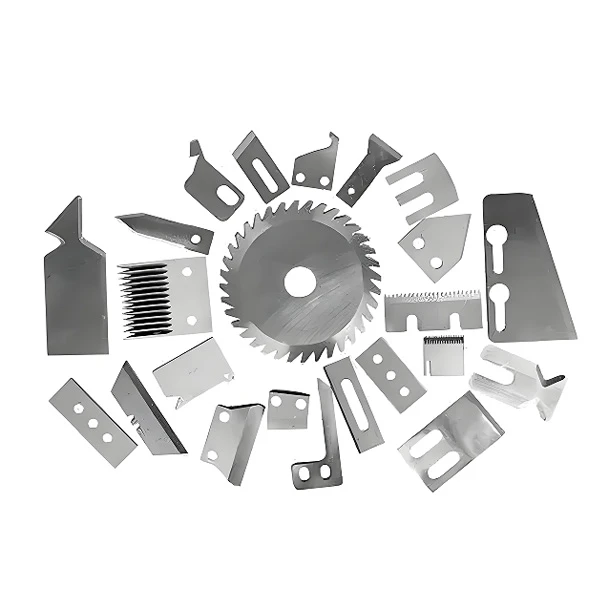
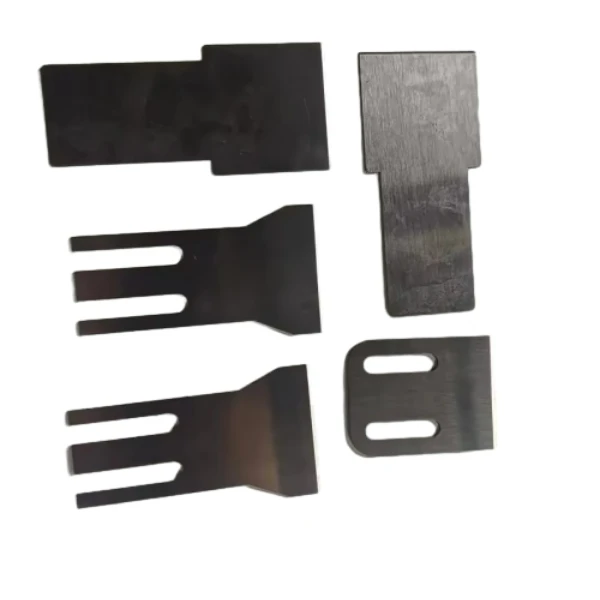
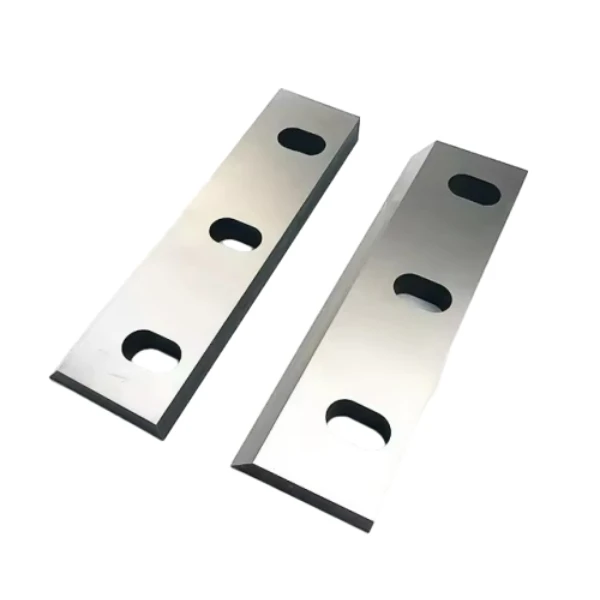
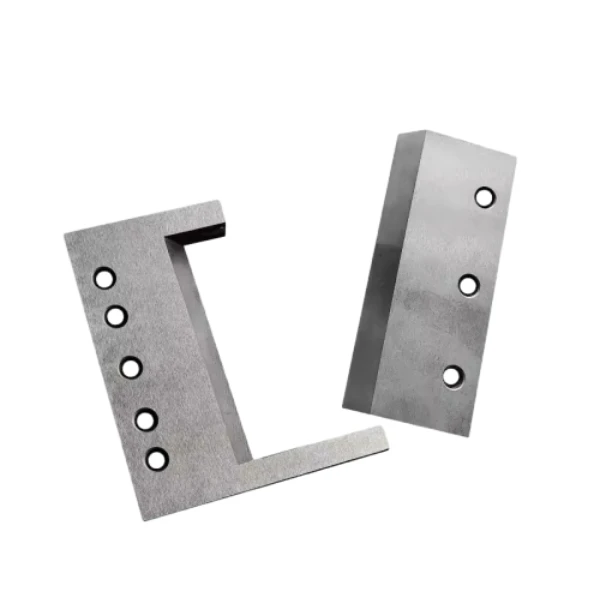
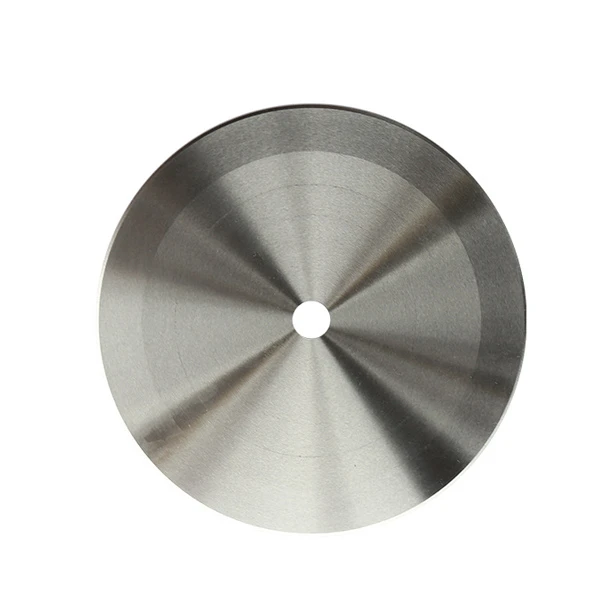
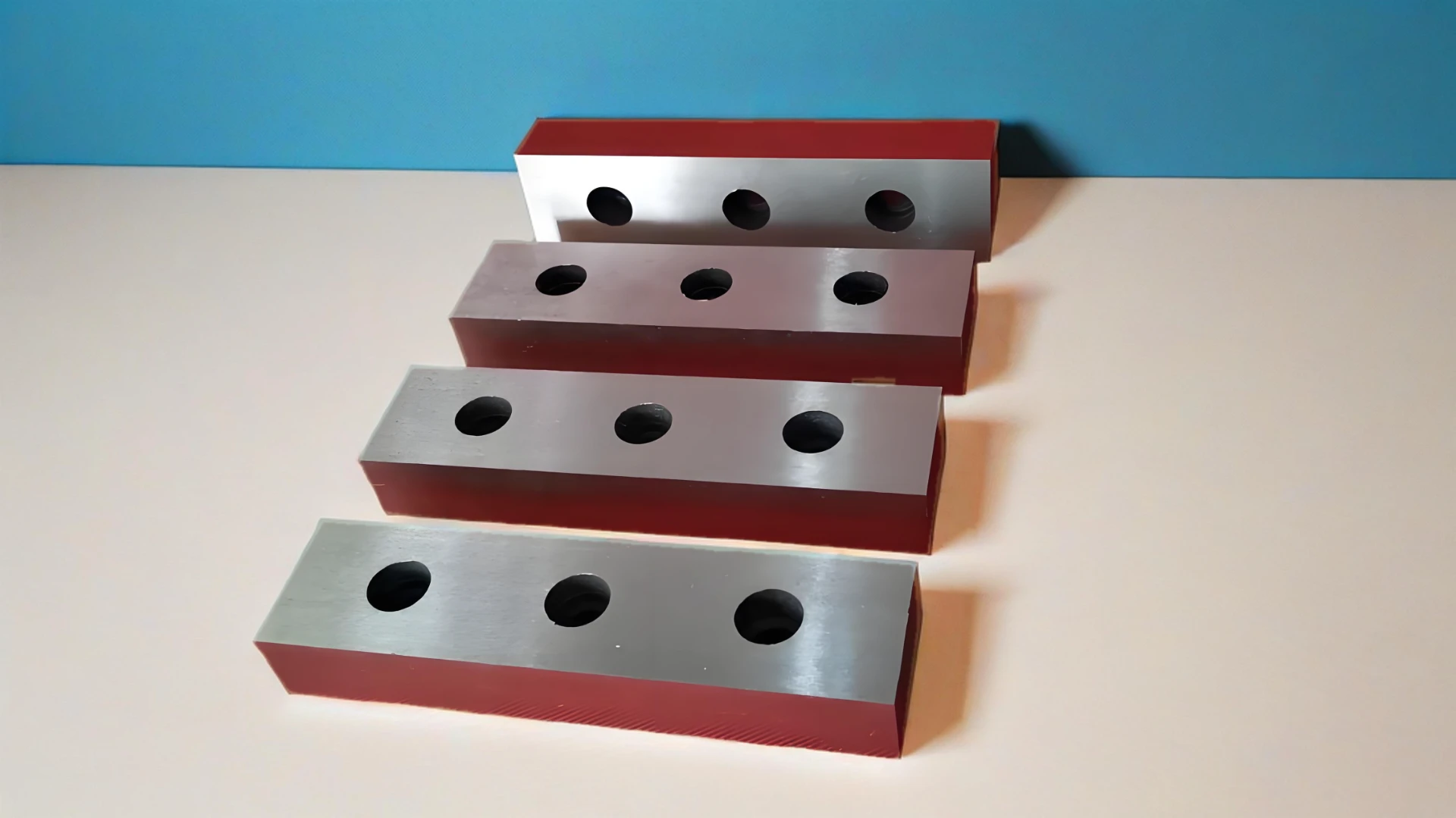
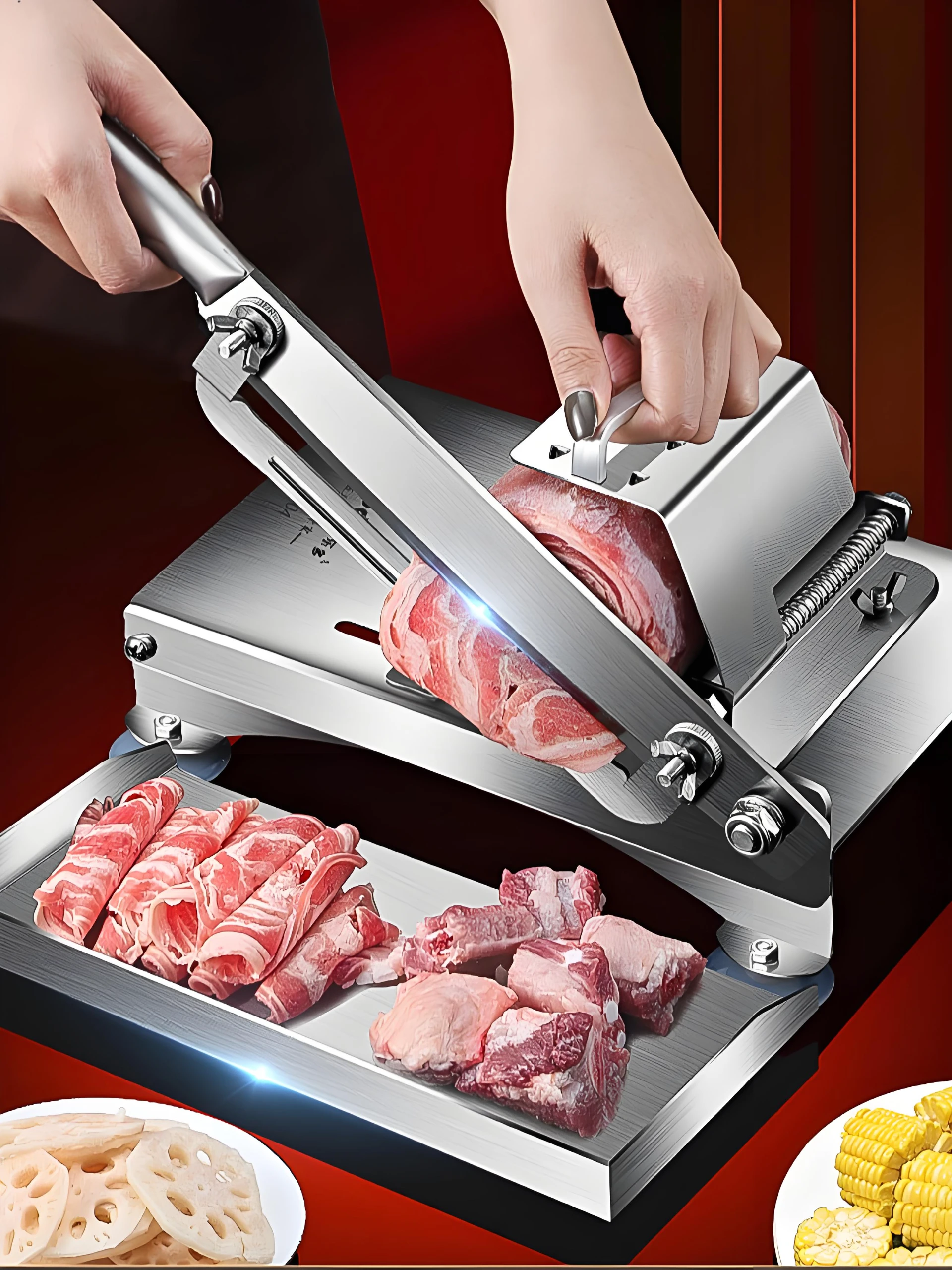
In simple terms, a meat chopper blade is the cutting component used in machines designed to chop, mince, or process meat. It’s typically made from stainless steel alloys for corrosion resistance and strength. Think of it as the beast that transforms big slabs of raw meat into manageable, uniform pieces — a staple in butcheries, food factories, and commercial kitchens alike.
But more than just a tool, the meat chopper blade connects to larger industry demands: industrial scale, hygiene standards from governing bodies like the ISO 22000 food safety management, and humanitarian needs such as food distribution in crises.
Key Components That Define a Quality Meat Chopper Blade
Durability
In the harsh world of meat processing, blades get hammered daily. A blade's durability — its resistance to wear, corrosion, and deformation — directly impacts machine uptime and user safety. Stainless steel grades like 440C and newer powder metallurgy steels are common picks. I noticed many engineers swear by micro-hardened edges that hold their sharpness far longer than older models.
Cutting Efficiency
This isn't just about sharpness. The blade’s geometry — thickness, bevel angles, and edge profiles — influence how cleanly the meat slices. Efficient blades minimize heat generated by friction, preserving meat texture and freshness.
Sanitation & Easy Maintenance
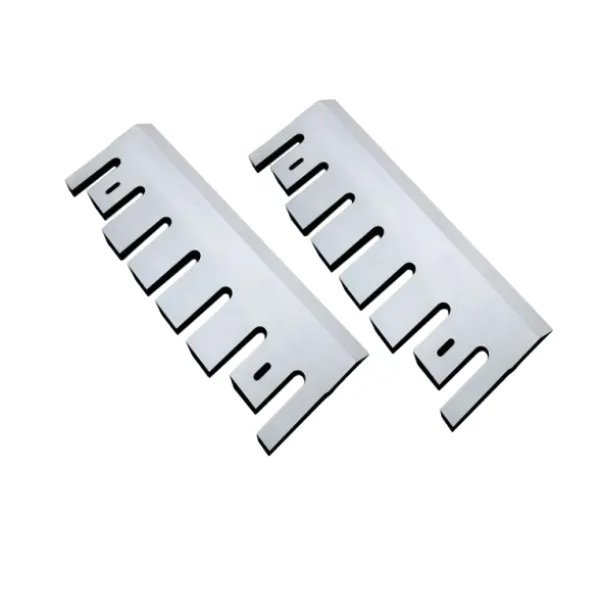
Double-edged blades that are easy to disassemble help processors meet stringent hygiene requirements, something especially important in exporting facilities subject to strict audits.
Scalability & Compatibility
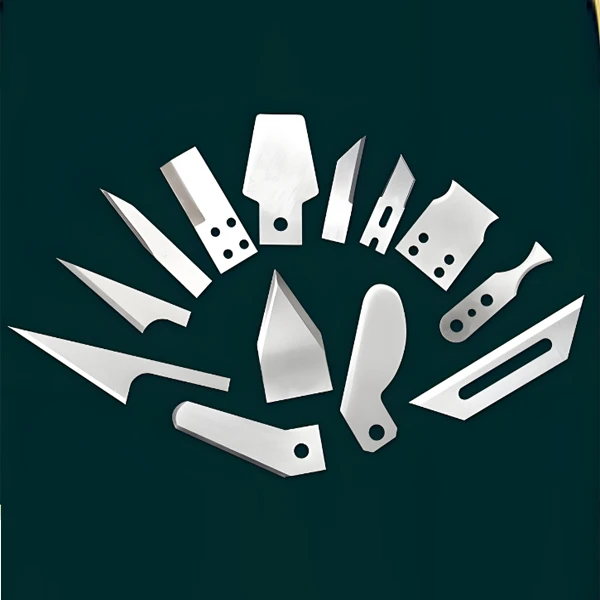
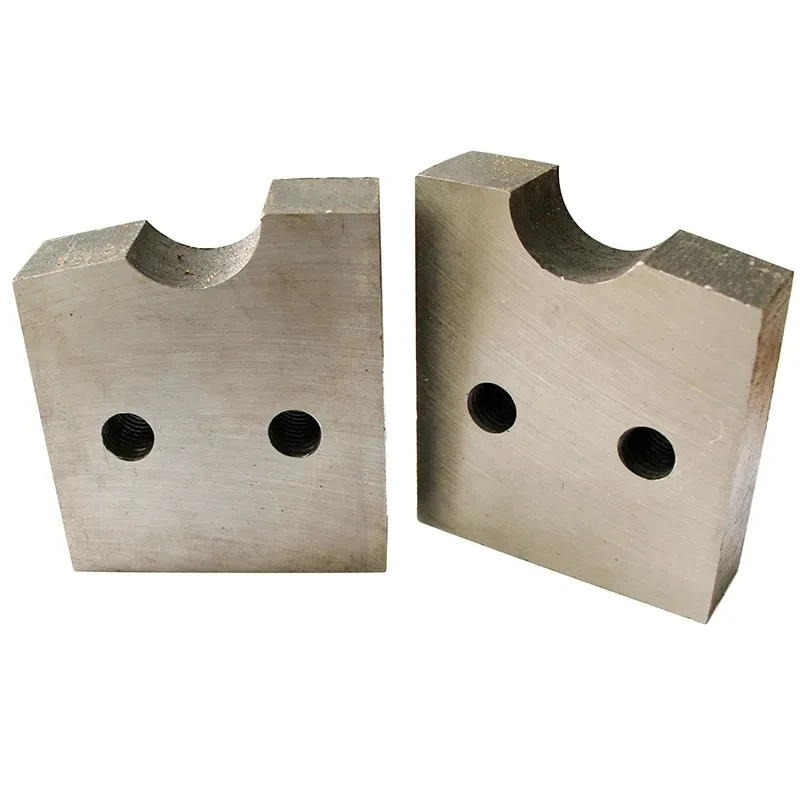
Whether it’s a small butcher’s cutting tool or a large industrial grinder, blades must scale and fit various machines seamlessly. This adaptability can save significant replacement time and cost.
Cost Efficiency
Price matters, but it’s a balance. Cheaper blades might rust or dull faster, eating up budgets in replacements. Investing in premium blades with longer service life often pays off quickly through higher productivity.
Mini takeaway: A meat chopper blade is more than just steel; it’s the heart of operational success in meat processing, touching everything from food safety to economics.
Meat Chopper Blade Applications Across the Globe
Consider post-disaster relief operations — NGOs rely on pre-packaged, processed meat that must be sliced efficiently in temporary kitchens. Durability and hygiene here are life-saving.
In remote industrial zones, modern blades allow on-site meat processing, reducing transport costs and spoilage. Meanwhile, Europe’s sophisticated food factories use cutting-edge blade tech integrated into machines that communicate blade wear digitally, triggering automatic maintenance alerts.
Industries benefiting include:
- Food processing plants in North America and Europe
- Local butcheries in South America improving output speed
- Emergency food production facilities globally
Advantages and Long-Term Value of the Right Meat Chopper Blade
Switching to high-quality meat chopper blades means:
- Lower operational costs: Less downtime, fewer blade replacements.
- Higher product quality: Even cuts mean better cooking consistency and customer satisfaction.
- Improved safety: Sharp, well-maintained blades reduce accidents.
- Environmental benefits: Durable blades mean less waste and fewer resources consumed.
For operators, there’s an emotional boost too — trust in your tools can transform a stressful workday into something closer to art. A friend in the meat business once told me, “A good blade is like a loyal co-worker — it just keeps going, quietly, day in and day out.”
Product Specification Table
| Specification | Typical Range / Feature |
|---|---|
| Material | 440C Stainless Steel / PM Steel |
| Blade Diameter | 100–300 mm (varies by machine) |
| Edge Hardness | 58–62 HRC (Rockwell scale) |
| Coatings | Anti-corrosive, food safe coatings available |
| Weight | 0.5–2 kg depending on size |
| Life Span | 200–1000 hours of heavy use |
Vendor Comparison: Meat Chopper Blade Providers
| Vendor | Material Quality | Customization | Global Reach | Warranty |
|---|---|---|---|---|
| MechBlades Inc. | Premium 440C & PM Steel | Custom sizes & coatings | Worldwide | 2 years |
| SharpCut Tools | Industrial-grade stainless | Limited customization | Europe & North America | 1 year |
| BladePro Solutions | Standard stainless steel | Standardized sizes | Asia-Pacific & Africa | 6 months |
Future Trends: What’s Next for Meat Chopper Blades?
The field isn’t standing still. Automation is creeping in, with smart blades that can self-monitor for wear, sending alerts before failure. There’s also a curious push for greener materials and coatings that reduce environmental impact without sacrificing hygiene.
Experts predict that in the near future, digital integration will let facilities optimize blade use patterns, while new alloys might yield blades lasting twice as long under tough conditions. I suppose it’s a perfect example of old meets new. Some innovations even touch on safety — sensors to detect foreign objects and adjust cutting speed, preventing machine damage and product loss.
Challenges & Practical Solutions
The common issues? Blade corrosion from saline environments, difficulty in sourcing replacements in remote areas, and balancing sharpness with durability. Solutions include better coating tech, modular blade designs for easy swaps, and establishing local vendor partnerships.
Frequently Asked Questions About Meat Chopper Blades
- How often should I replace my meat chopper blade?
- Replacement depends on usage intensity, but most blades last between 200–1000 operational hours. Regular inspection for edge dullness or corrosion helps decide the right moment.
- Can I use a meat chopper blade for non-meat processing?
- Technically, yes for softer materials, but blades are optimized for meat. Using them on harder materials can dull or damage the blade prematurely.
- Are all meat chopper blades hygienic for food processing?
- Only blades made with food-grade stainless steel and proper coatings meet hygiene standards. Always check certifications and maintenance recommendations.
- How do I clean and maintain a meat chopper blade?
- Disassemble if possible, use warm detergents, avoid abrasive pads, and dry thoroughly. Lubricate moving parts as recommended and store blades safely.
Final Thoughts on Meat Chopper Blades: Why They Deserve Attention
In the grand scheme, a meat chopper blade might appear minor, but it’s a keystone for efficiency and safety in processing meat globally. Investing a bit more time and thought into selecting, maintaining, and upgrading these blades pays dividends in product quality, sustainability, and even worker morale. If you're exploring optimal meat cutting solutions, don’t overlook the blade — visit meat chopper blade specialists to find the right match for your needs.
References:
1. Statista: Meat Processing Market
2. ISO 22000 Food Safety Management
3. Wikipedia: Meat Processing