Understanding the Meat Grinder Blade Factory: What It Is and Why It Matters
Ever wondered where those razor-sharp meat grinder blades come from? The meat grinder blade factory stands as a silent powerhouse fueling industries from butcher shops to large-scale food processors. Globally, this is more than just a niche manufacturing sector; it’s a critical piece of the food supply chain puzzle. In a world increasingly focused on food safety, sustainability, and efficiency, understanding how these blades are crafted and their industry impact is essential.
According to the Food and Agriculture Organization (FAO), global meat consumption has been steadily climbing, with meat processing equipment as key enablers for safe and efficient production (FAO, 2022). The demand for reliable meat grinder blades is a silent but significant factor in this trend. And frankly, without robust manufacturing hubs, it gets tricky for industries to keep pace with quality and safety standards.
What Is a Meat Grinder Blade Factory?
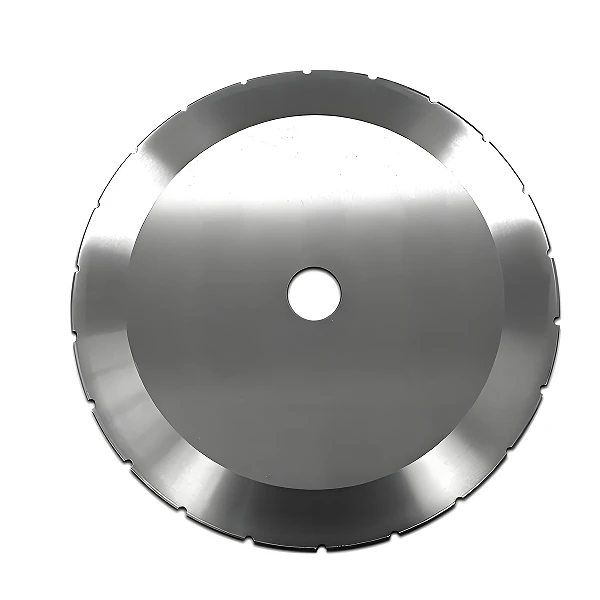
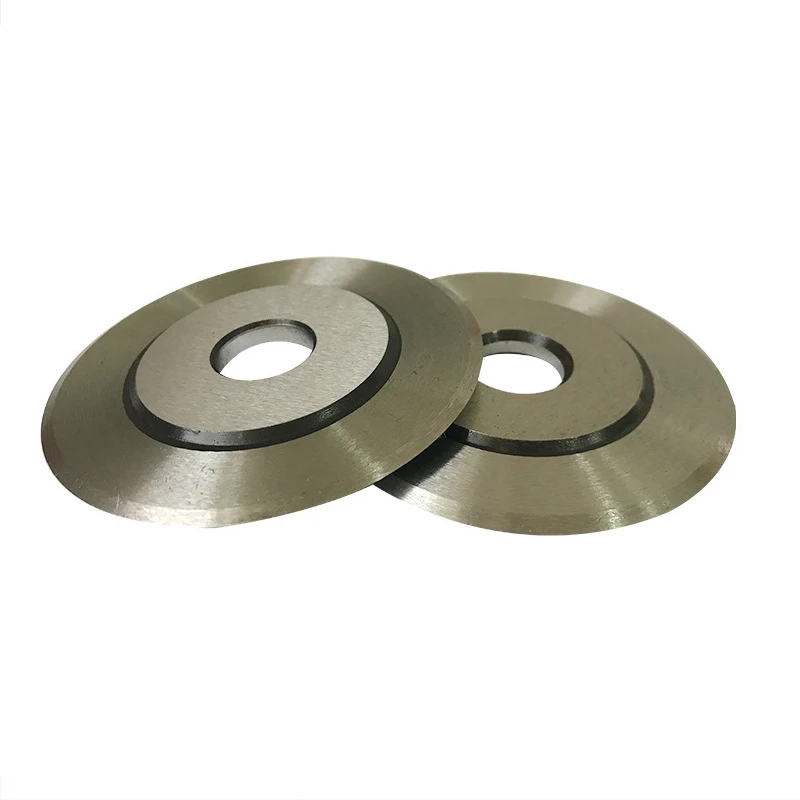
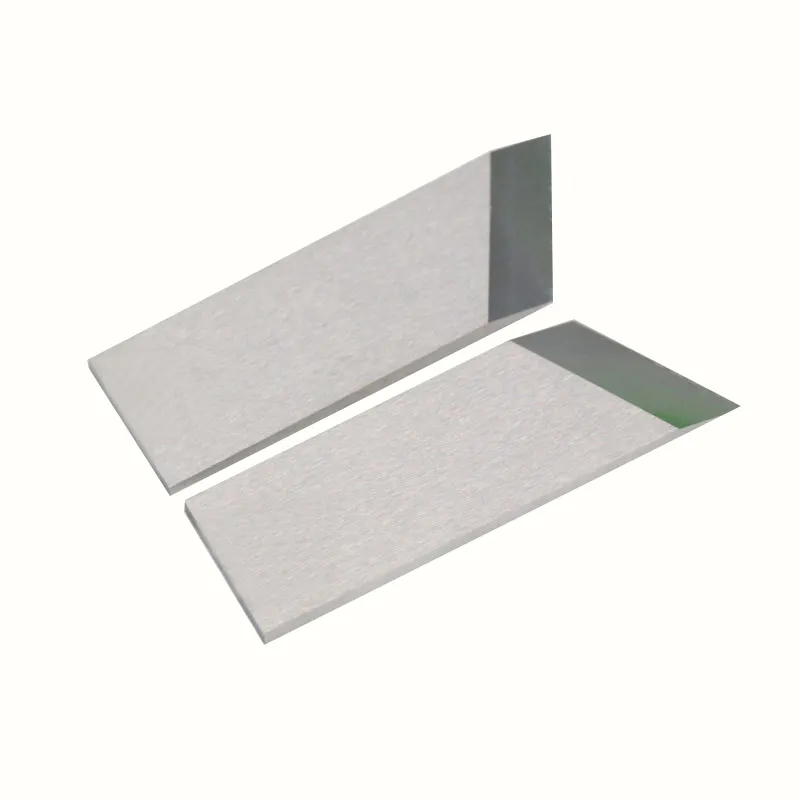
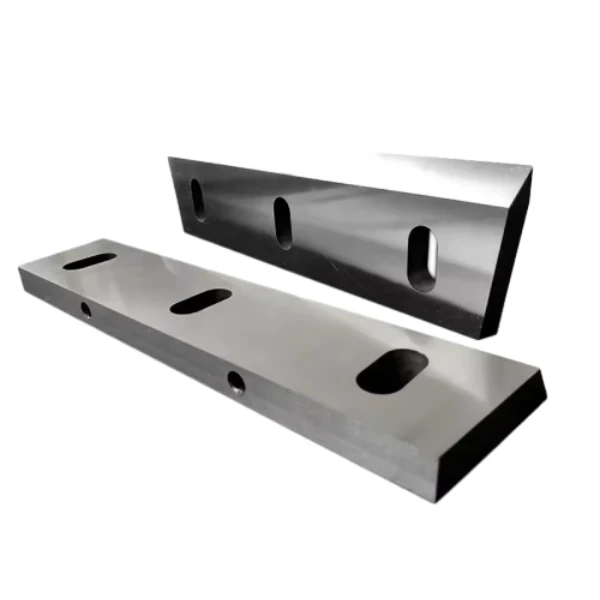
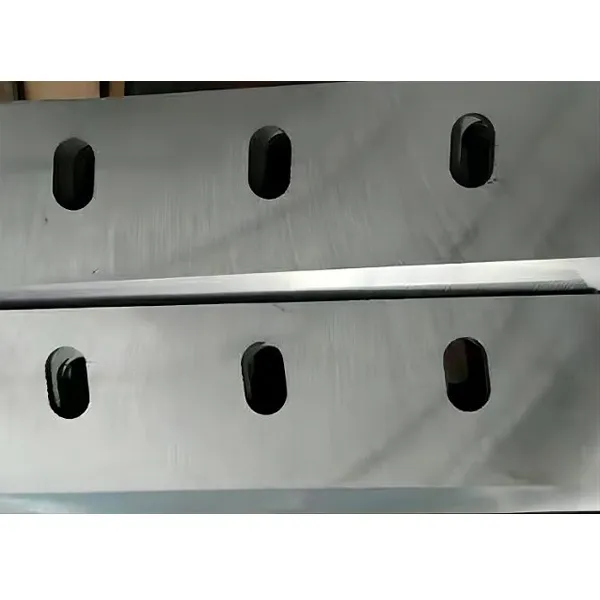
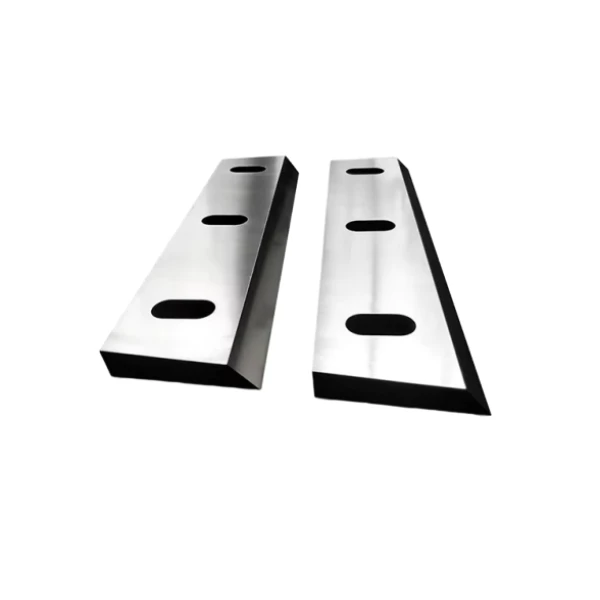
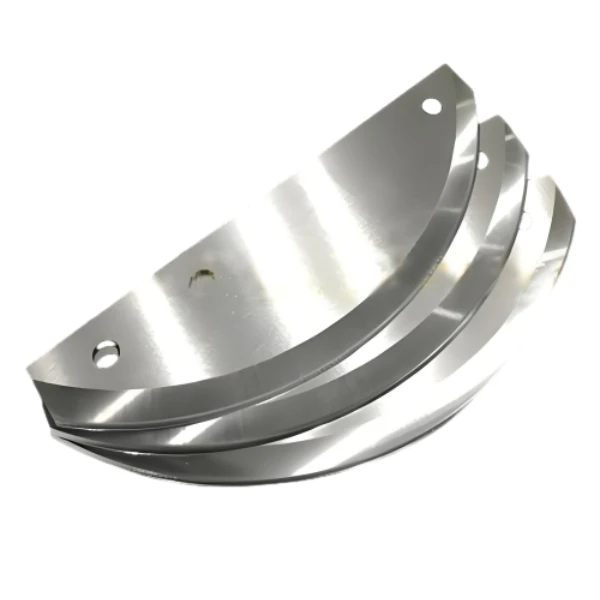
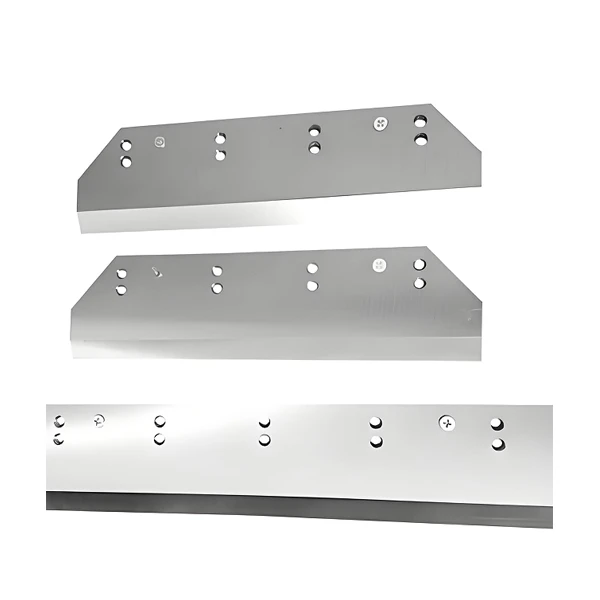
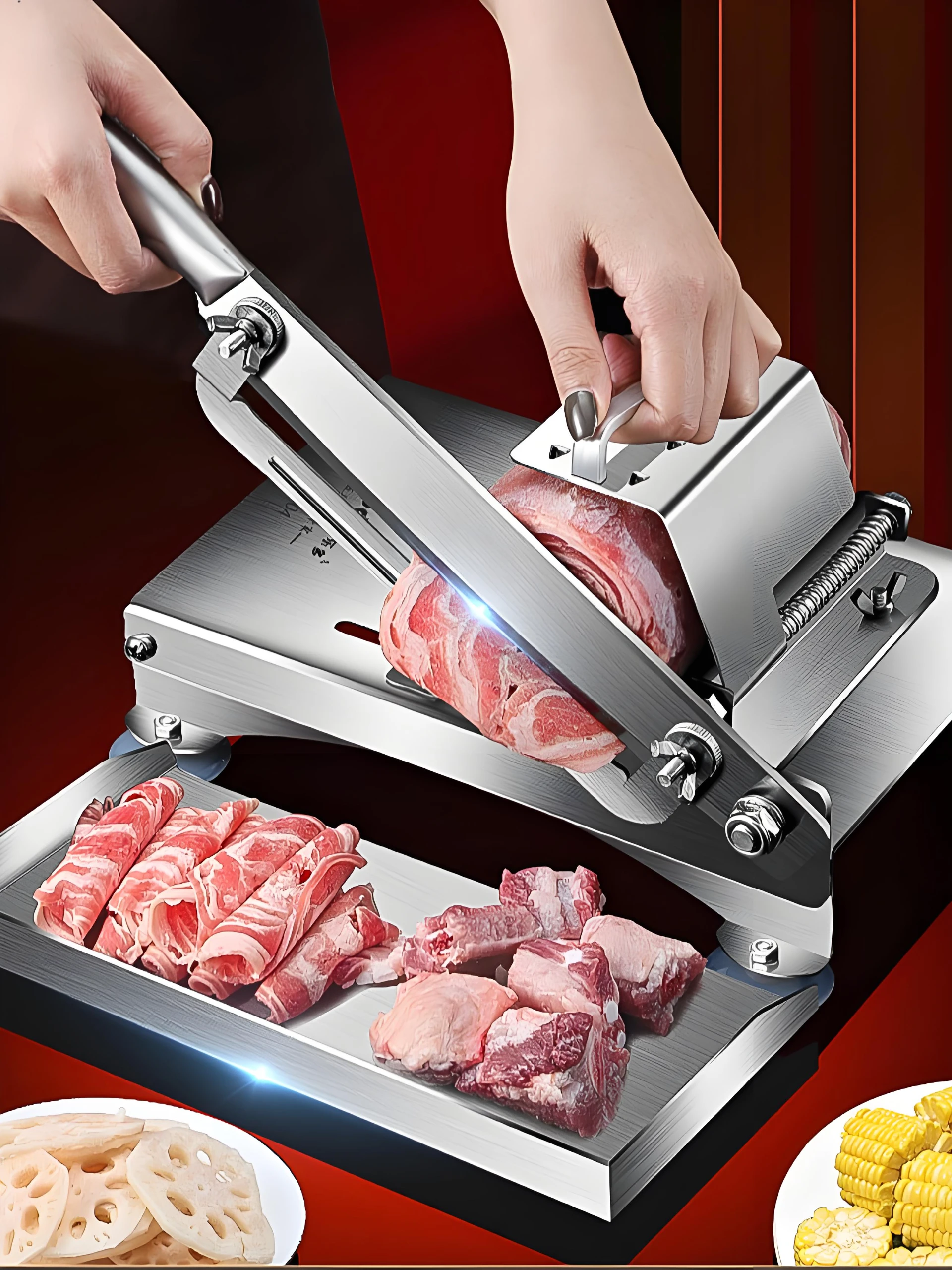
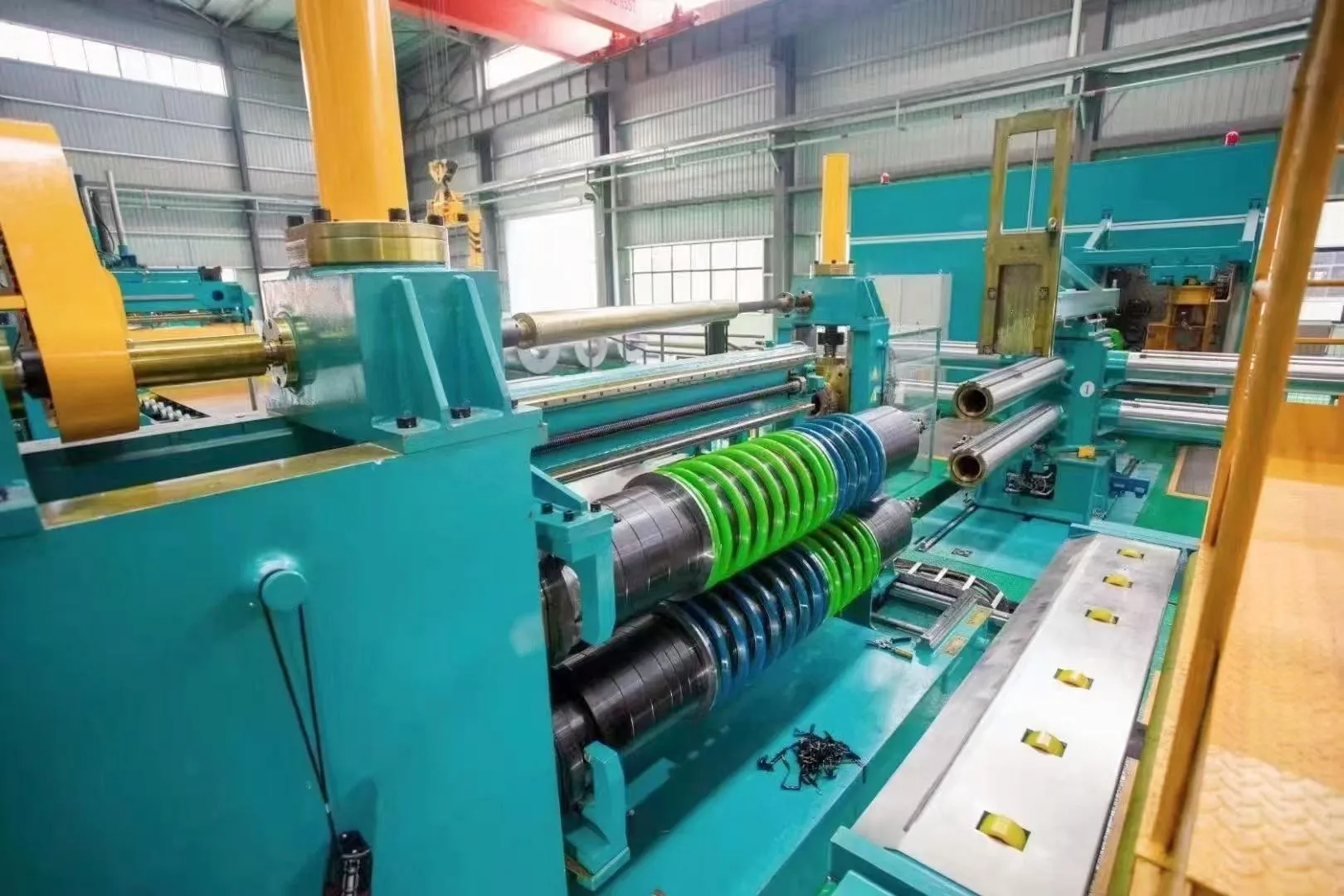
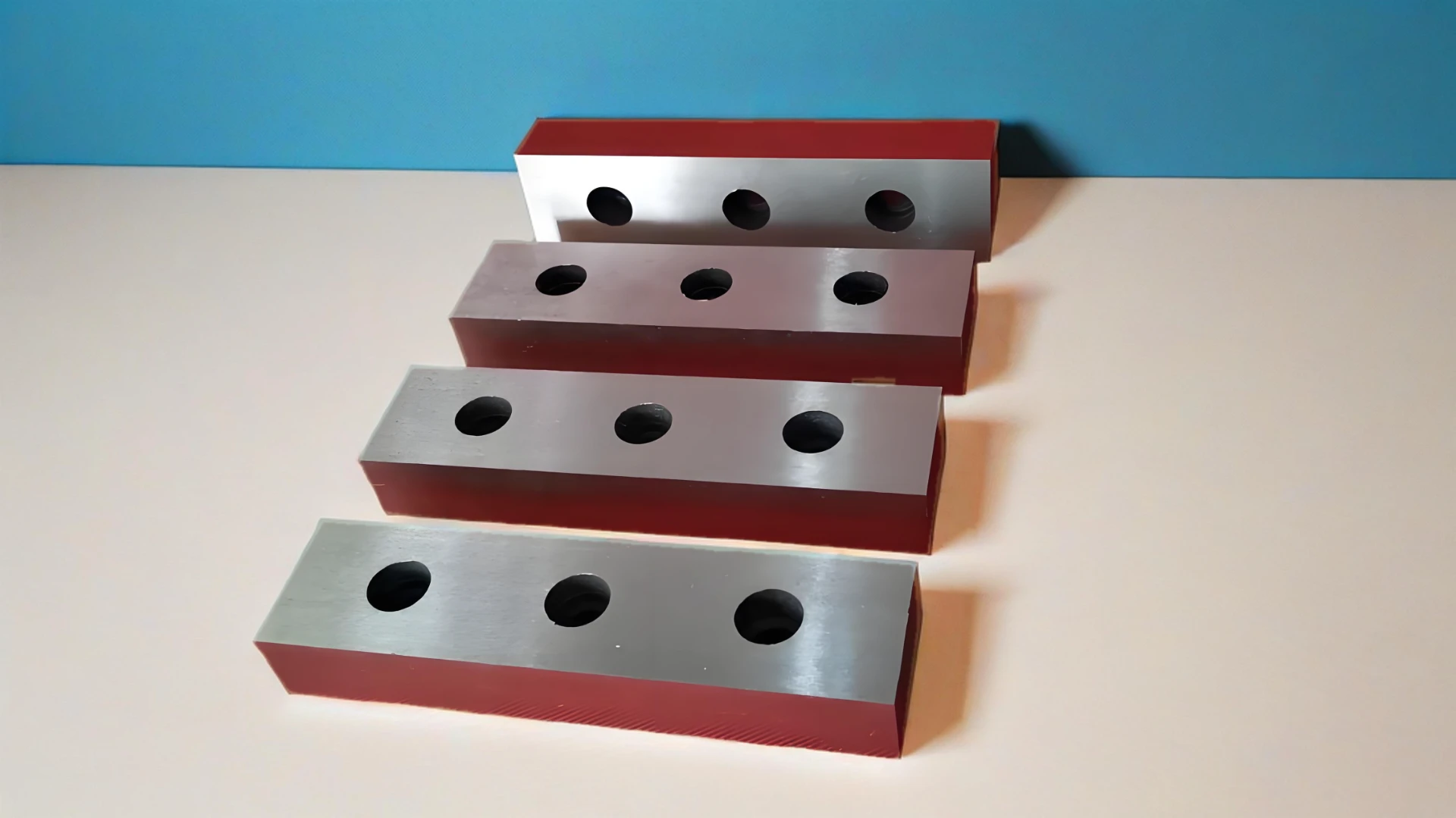
Put simply, a meat grinder blade factory is a specialized manufacturing facility dedicated to producing the cutting components used in meat grinders. These blades are precision-engineered pieces of steel designed to chop, cut, and mince meat efficiently and safely. The factory encompasses everything from raw material selection and cutting-edge machining to heat treatment and final quality assurance.
But it’s about more than just sharp metal. In modern food manufacturing and humanitarian contexts—like relief efforts requiring rapid meat processing—the reliability of these blades affects both safety and food security.
Key Factors in Meat Grinder Blade Manufacturing
1. Durability
Blades must withstand constant friction with tough meat and bones without dulling quickly. Factories prioritize high-grade stainless steel, often 420 or 440C grades, which offer the right balance of hardness and corrosion resistance.
2. Precision Engineering
The fine edge angles and uniform grinding patterns require exacting CNC machining and grinding processes. Each blade’s geometry affects grind quality and machine compatibility.
3. Scalability
Factories must balance custom orders for niche markets with high-volume production for massive food processors. Automated production lines help here.
4. Cost Efficiency
Optimizing raw material use and reducing finish work keeps costs competitive while maintaining quality. It’s a delicate dance, frankly.
5. Quality Control
Rigorous testing for blade sharpness, hardness, and durability ensures only top-performing blades make it to market, protecting end-users.
6. Customization
Beyond standard blades, factories often offer custom shapes and sizes to meet varied industry needs—from small home-use grinders to industrial-scale machines.
| Specification | Value | Notes |
|---|---|---|
| Material | Stainless Steel 420 or 440C | Corrosion-resistant, MRHA compliant |
| Blade Hardness | 55 - 60 HRC (Rockwell scale) | Optimal for sharpness and durability |
| Blade Thickness | 3 - 6 mm | Varies by grinder size |
| Edge Angle | 15° - 22° | Sharpness tuned for grinding efficiency |
| Finish | Polished or matte | Affects friction and hygiene |
Global Applications of Meat Grinder Blade Factories
The ripple effect of these factories is evident across continents. Think about meat processing plants in Europe, where hygiene standards are paramount. Or consider small-scale factories in developing nations supplying local butcheries. UN food programs, for example, sometimes rely on robust, easy-to-maintain blades for food aid logistics under challenging conditions (FAO).
In post-disaster relief zones, the ability to swiftly process meat safely can mean nutritional survival for displaced populations. Similarly, countries with large livestock industries, like the USA and Brazil, depend heavily on high-quality blade production for their export-grade meat products.
Vendor Comparison: Leading Meat Grinder Blade Factories
| Factory | Blade Material | Production Capacity | Customization Options | Certifications |
|---|---|---|---|---|
| MechBlades Inc | 440C Stainless Steel | 5000 blades/day | Custom sizes, branding | ISO 9001, FDA Compliant |
| SharpEdge Ltd | 420 Stainless Steel | 3000 blades/day | Limited customization | ISO 14001 Certified |
| Global Cut Blades | Tool Steel with Coating | 7000 blades/day | Custom shapes & sizes | FDA & CE Listed |
Advantages and Long-Term Value of Quality Meat Grinder Blade Factories
What’s the big deal about investing in top-tier blades? For one, it directly impacts operational costs — durable blades don’t need frequent replacement, reducing downtime and waste. It’s also a matter of safety; sharper blades reduce the risk of overexerting grinders, which can cause machine failure or accidents.
Socially, when factories maintain strict quality controls, they help protect consumer health by ensuring meat is processed hygienically. There’s also an element of dignity — good blades mean meat can be processed effectively in small local butcheries, supporting livelihoods globally.
Future Trends & Innovations in Meat Grinder Blade Factories
Oddly enough, this very traditional industry isn’t standing still. Advances include:
- Green Manufacturing: More factories are transitioning to renewable energy sources and eco-friendly coatings.
- Automation: Robotics assist in the precision grinding and finishing of blades, reducing human error.
- Smart Materials: Experimental ceramic or coated blades promise longer life spans.
- Digital Supply Chains: Vendors use IoT to monitor blade shipments and forecast maintenance needs.
Challenges & Solutions in the Meat Grinder Blade Manufacturing Sector
Of course, challenges remain. High raw material costs and the need for skilled labor sometimes slow production scalability. Also, ensuring global compliance with food safety and environmental standards can be complex.
Experts suggest investing in continuous worker training and adopting modular manufacturing units that can quickly scale up or down. Plus, shifting toward more sustainable materials without sacrificing blade performance is a key ongoing research focus.
Frequently Asked Questions About Meat Grinder Blade Factory
- What materials are best for meat grinder blades?
- Stainless steel grades like 420 and 440C are favored for their corrosion resistance, hardness, and food safety compliance. Some factories experiment with tool steel coated blades for extended durability.
- How often should meat grinder blades be replaced?
- It depends on use, but typically every 6–12 months for commercial settings. Factors like blade sharpness and machine wear signals when replacement is due.
- Can factories customize blades for specific meat grinder models?
- Yes, many meat grinder blade factories offer customized blades tailored to particular grinder sizes and specifications to optimize performance.
- Are there eco-friendly options for meat grinder blades?
- Emerging options include blades made with recycled steel and environmentally friendly manufacturing processes, although they’re not yet widespread.
- How do I ensure a meat grinder blade factory meets safety standards?
- Look for certifications like ISO 9001, FDA compliance, and adherence to HACCP guidelines relevant to food equipment manufacturing.
Wrapping It Up: Why Meat Grinder Blade Factories Demand Attention
In real terms, the meat grinder blade factory plays a quietly crucial role in food processing worldwide, balancing efficiency, safety, and sustainability. Whether you’re a butcher, a large processor, or part of a humanitarian food program, these factories provide the sharp edge needed—literally and figuratively—to keep the world fed and healthy.
For details on sourcing quality, custom, and compliant blades, a great starting point is meat grinder blade factory experts like MechBlades Inc, whose expertise combines cutting-edge production with customer-focused solutions.
Go ahead, explore — your next reliable blade is just a click away.
Mini takeaway: In the interconnected world of food production, the humble meat grinder blade factory anchors quality, efficiency, and safety—one sharp cut at a time.