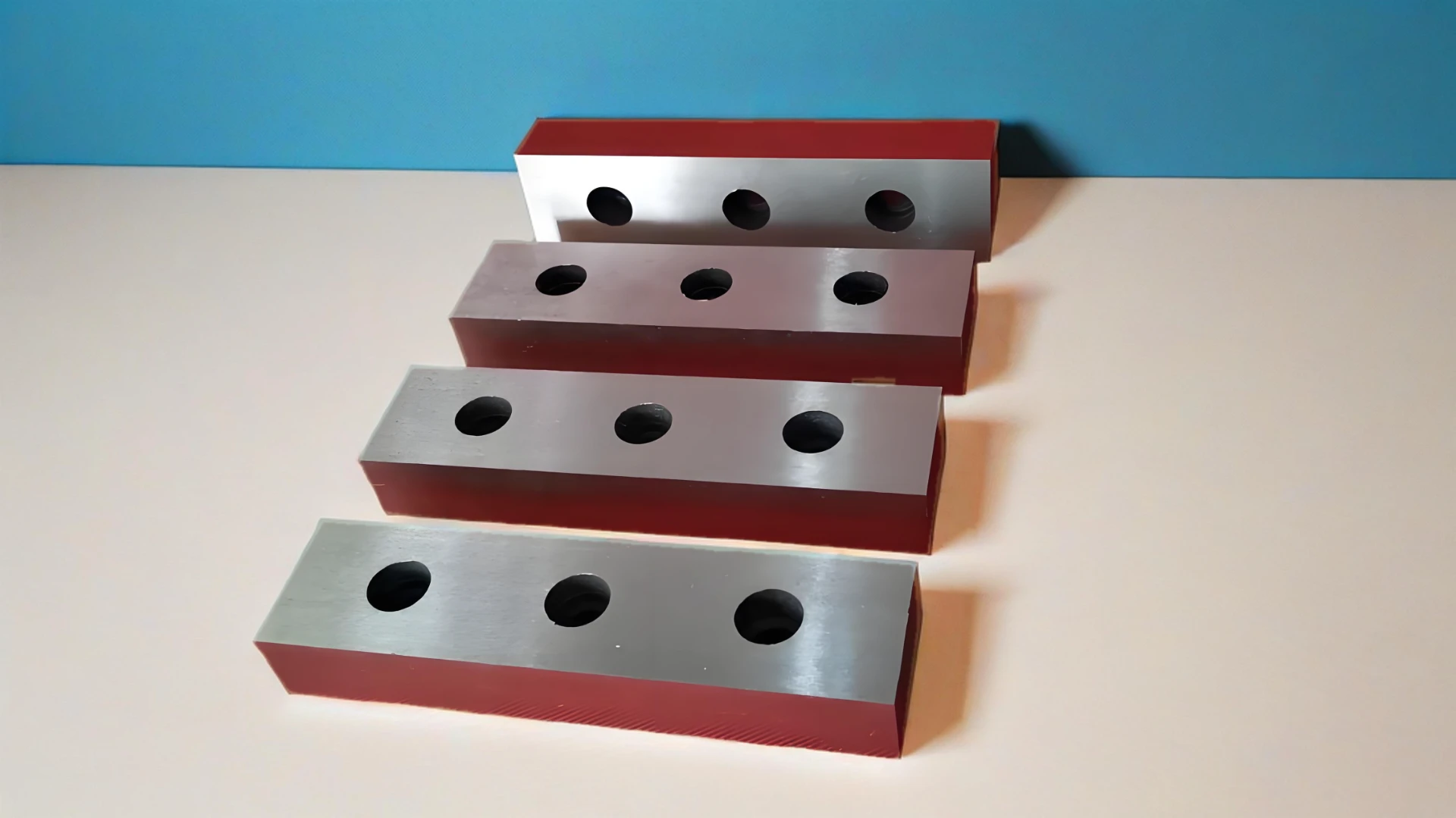
Understanding the Meat Grinder Blade Size Chart: Why It Matters Globally
Let’s start with a simple question: why should anyone care about a meat grinder blade size chart? On the surface, it might seem trivial—just a piece of technical data for butchers or manufacturers, right? But, oddly enough, in the global food industry and even humanitarian aid, the size and type of a meat grinder blade can dramatically impact food quality, safety, processing speed, and efficiency. Knowing your way around the meat grinder blade size chart isn’t just a niche interest; it’s essential for industries that feed millions daily.
In real terms, the right blade size ensures optimal meat texture and consistency, reduces waste, and enhances hygiene in meat processing plants worldwide. This means better products on your table and more responsible use of resources—something that matters hugely as we tackle food security and sustainability challenges on a global scale. So, let’s unpack this topic in a way that’s practical and hopefully a little interesting.
Introduction: The Global Relevance of Meat Grinder Blade Size Charts
According to the Food and Agriculture Organization (FAO), global meat production is expected to grow steadily in coming decades to keep up with rising demand. This growth means meat processing technologies must evolve for better efficiency and safety. Yet, inconsistencies in blade sizes and types can create bottlenecks or quality issues.
Many industrial meat processors across Asia, Europe, and the Americas use blade size charts to standardize grinding output, ensuring uniformity and compliance with food safety standards often set by ISO or local agencies. But this isn’t only about big factories — even small-scale producers and humanitarian organizations rely on these specs to optimize the equipment they use in challenging environments.
Interestingly, a common challenge that arises is selecting the right grinder blade for the kind of meat and the product requirements. That’s where the meat grinder blade size chart steps in, bridging technical specs and real-world needs.
What Is a Meat Grinder Blade Size Chart?
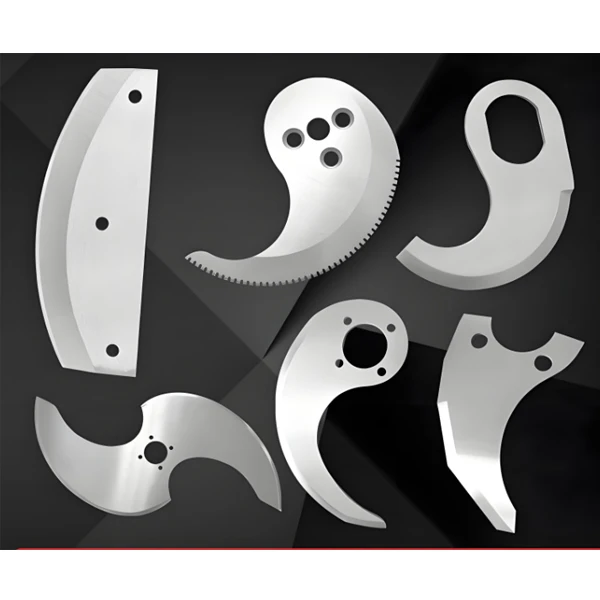
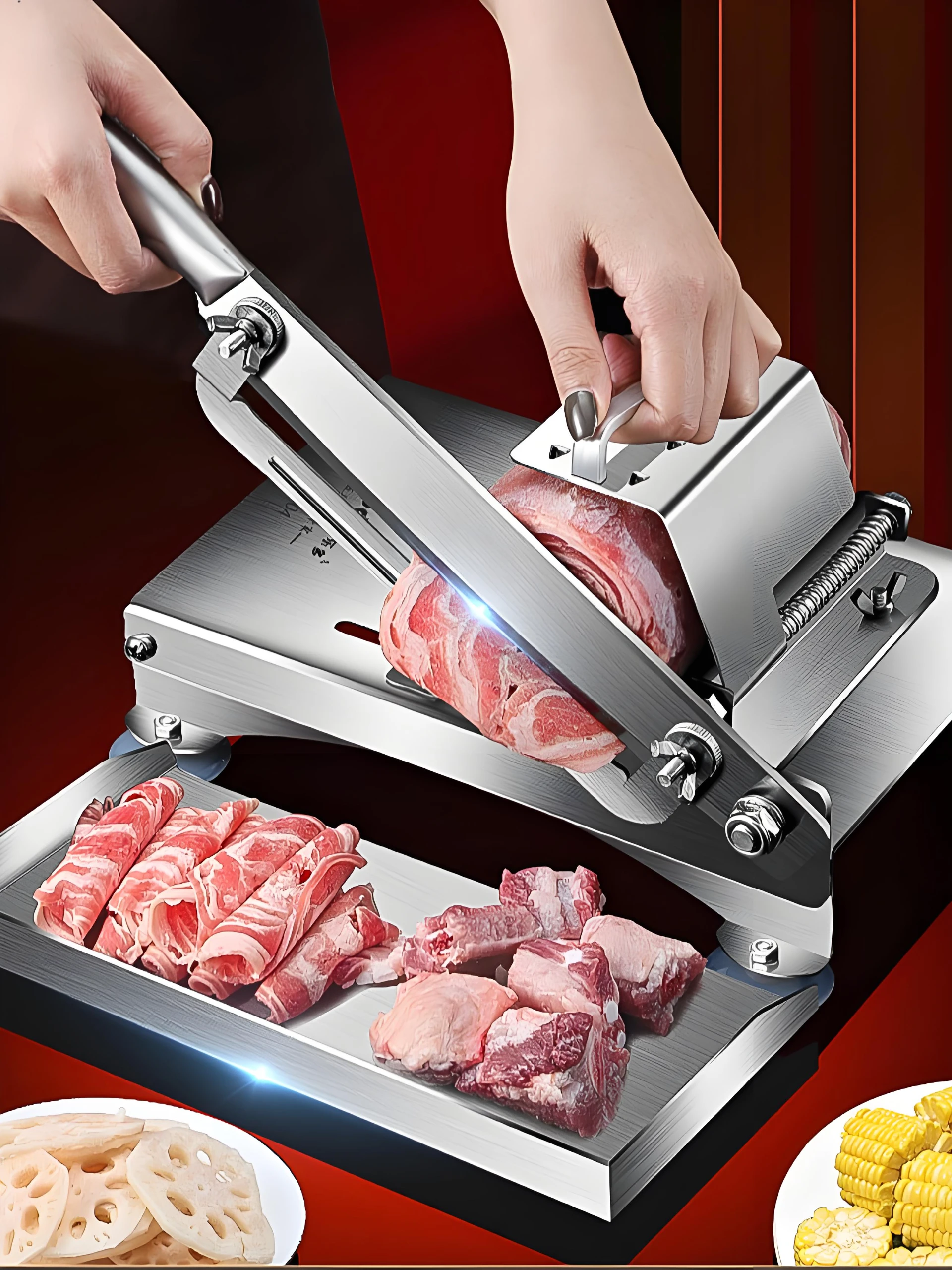
Simply put, it’s a standardized guide listing the dimensions and types of blades used in meat grinders, connected to the resulting grind size or texture. Beyond that, it covers the hole sizes of grinding plates, blade thickness, and the compatible grinder models. The chart helps users match blades to specific grinding tasks—whether coarse ground beef for chili or fine poultry mince for sausages.
In the food processing industry, this not only boosts consistency and hygiene but also improves yield and reduces power consumption, since the right blade size means less strain on the motor. And from a humanitarian perspective, organizations distributing food processing machinery can tailor blades to local meat preferences and available animal sources.
Key Factors in Meat Grinder Blade Size Chart
1. Durability and Material Composition
Blades must resist corrosion and wear — stainless steel grades often dominate here. A blade size chart sometimes also notes material specs, which link directly to lifespan and safety.
2. Scalability Across Meat Types
Grinding chicken calls for finer, sharper blades than coarser pork or beef grinds. The chart’s size variations help cater to this diversity.
3. Compatibility with Grinder Models
Not all blades fit all machines. The chart ensures you pick the correct size and shape to match specific grinder brands and models, avoiding costly damage.
4. Cost Efficiency
Correct blade selection improves efficiency, cutting down on downtime for blade replacement or sharpening, which adds up in large operations.
5. Hygiene and Safety Standards
Blade and plate sizes impact cleaning ease. Charts sometimes align with regional food safety standards—something food processors can’t overlook.
Meat Grinder Blade Size Chart: Product Specifications
| Blade Size (mm) | Plate Hole Diameter (mm) | Suitable Meat Type | Material | Typical Use Case |
|---|---|---|---|---|
| 45 | 4.5 | Coarse beef, pork | Stainless steel 420 | Stews, chili, sausages |
| 35 | 3.5 | Poultry, veal | Stainless steel 316 | Fine mince for sausages |
| 55 | 5.5 | Game meat, dark beef cuts | Stainless steel 420 | Coarse ground for burgers |
Global Applications & Use Cases of the Meat Grinder Blade Size Chart
In commercial meat processing plants in Europe or North America, blade size charts are strict guides that dictate output consistency and safety audits. But maybe more fascinating is their use in disaster relief zones, like those coordinated by the United Nations or Red Cross. Often, local food processing equipment is donated, and technicians rely on blade charts to adapt available grinders to local meats—whether goat, camel, or local fish species.
In parts of Africa and Asia, smallholder farmers and cooperatives use these charts to decide on the most efficient and hygienic blades for processing game or poultry, directly impacting income and nutrition. The chart also supports innovative NGOs that invest in modular meat grinders for remote industrial zones where infrastructure is poor but demand for processed meat products is rising.
Vendor Comparison: Meat Grinder Blades
| Vendor | Material Quality | Blade Sizes Offered | Customization Options | Price Range |
|---|---|---|---|---|
| BladeTech Inc. | Premium stainless steel 316 | 25mm to 60mm | Yes, custom hole patterns | $$$ |
| GrindMaster Co. | Standard SS 420 | 30mm to 50mm | Limited | $$ |
| MeatFlow Supplies | Corrosion-resistant alloys | 20mm to 55mm | Yes, OEM solutions | $$$ |
Advantages & Long-Term Value
Having a solid grasp of the meat grinder blade size chart is like holding a key to optimization. Sound blade choice reduces power consumption, increases throughput, and cuts down contamination risk. On a social level, it means safety and dignity for workers who process meat and for consumers who rely on consistently safe products.
There’s a sustainability angle too. Optimized grinding reduces waste by ensuring all usable meat is processed efficiently, which is critical given the world’s ongoing food security concerns. And frankly, it feels reassuring knowing that a blade, which you might overlook, plays a small part in feeding the countless families worldwide.
Future Trends & Innovations
Looking ahead, blade materials might shift towards advanced composites or even antimicrobial coatings that enhance hygiene. Automation and smart grinding machines will likely come equipped to adjust blade speed and size based on real-time meat texture feedback. Green energy-powered grinders and modular blade kits tailored through digital size charts linked to mobile apps? Not far off.
Challenges & Solutions
Despite these benefits, not every processor has easy access to quality blades matching their meat types—especially in developing regions. Blades wear unevenly, and replacement parts can be prohibitively expensive or delayed in shipping.
Innovative solutions include community-shared blade libraries, 3D printing custom blades on-demand, and partnerships between manufacturers and NGOs that localize blade production. Pragmatically, ongoing training on interpreting and applying the blade size chart boosts effectiveness on the ground.
FAQ: Frequently Asked Questions About Meat Grinder Blade Size Chart
- Q: How do I know which blade size to use for homemade sausage?
A: Choose smaller blade sizes, usually around 3.5mm to 4.5mm hole diameters, for fine, uniform grind typical in sausages. Refer to a meat grinder blade size chart for compatibility with your grinder model. - Q: Can I use the same blades for poultry and beef?
A: Not ideally. Poultry requires sharper, finer blades due to its softer texture, while beef benefits from coarser, sturdier blades. Following the size chart ensures you match blade specs to meat type. - Q: How often should I replace or sharpen grinder blades?
A: It depends on usage but typically every 6-12 months for commercial use. Dull blades affect grind quality and put strain on motors. Regular inspection using blade charts for specs helps maintain performance. - Q: Is stainless steel the best material for blades?
A: Yes, due to corrosion resistance, durability, and food safety compliance. Higher grades like 316 stainless steel offer enhanced corrosion resistance compared to standard 420 steel.
Conclusion
The meat grinder blade size chart might seem like a small cog in the vast machinery of the food industry, but its impact is surprisingly broad and deep. From improving product safety and quality to influencing sustainability and economic efficiency, getting your blade size right is a smart move.
If you’re processing meat at any scale, I honestly recommend you visit https://www.mechblades.com to explore detailed charts and expert advice tailored for your needs. It’s an easy step to upgrade your operations — or simply learn a bit more about something that quietly keeps our food systems running smoothly.