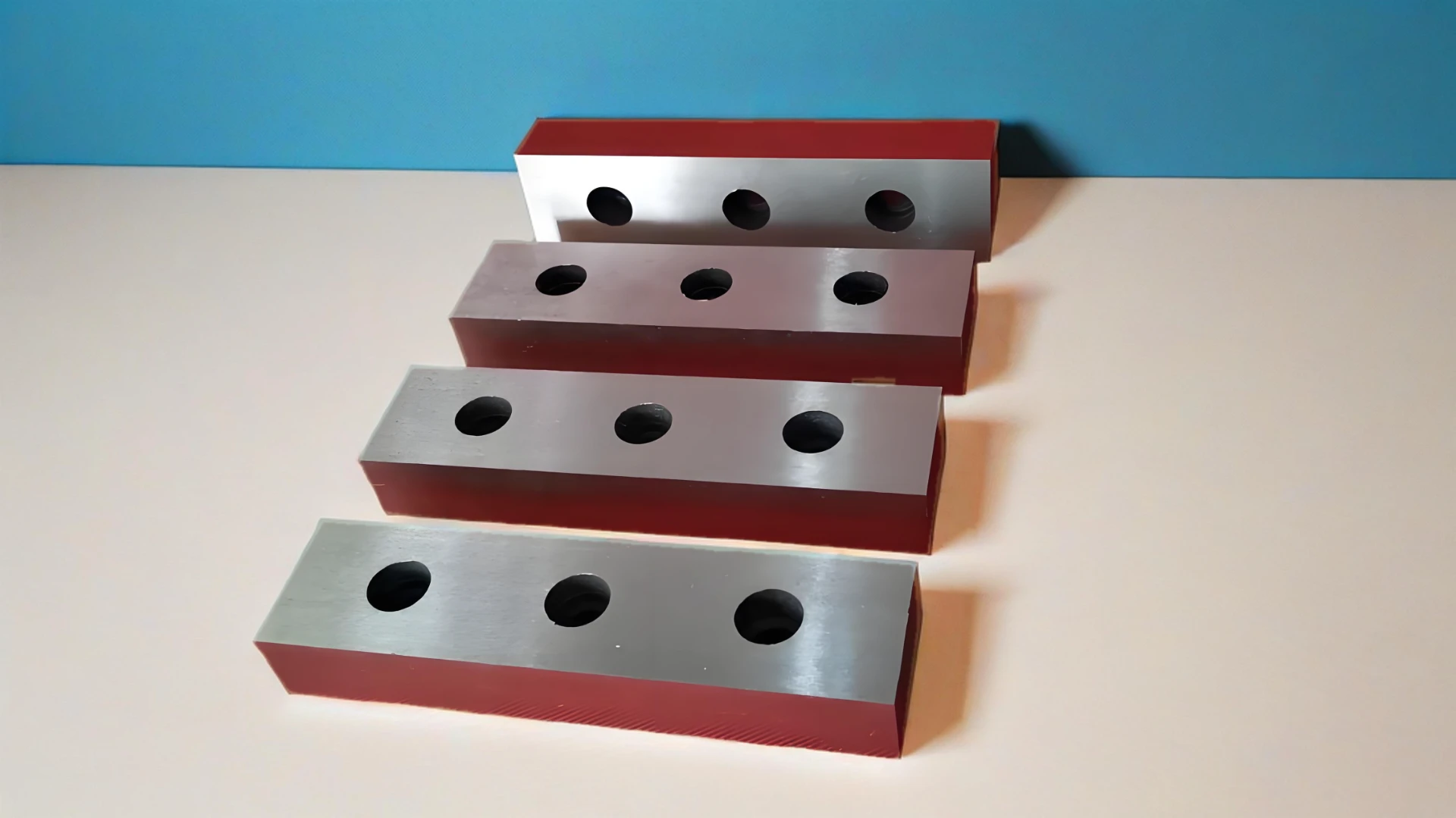
Why Meat Slicer Blades Quietly Shape Our Food Industry
When you think about slicing deli meats or preparing charcuterie boards, chances are you rarely pause to consider the meat slicer blade behind the perfect, even cuts. Yet this tool is indispensable in not just restaurants but large-scale food production and retail environments worldwide. Getting a grip on the nuances of meat slicer blades — from design to material and application — reveals much about food safety, waste reduction, and efficiency. Whether you’re a culinary professional, manufacturing planner, or industrial buyer, understanding this slice of the food supply chain has surprising global impact.
Introduction: The Global Context of Meat Slicer Blades
Globally, the meat processing market is valued at several billion dollars and is projected to grow steadily (reported by MarketWatch and ISO standards on food equipment). A core piece of equipment throughout the chain is the meat slicer, and at its center, the blade. The blade's sharpness, durability, and safety directly affect the quality and speed of slicing, which in turn influence shelf life and sanitation standards in stores and processing plants alike.
Interestingly, with rising urbanization and the ready-to-eat food culture expanding across Asia, Europe, and the Americas, demand for efficient slicing solutions is surging. But challenges remain — blades must minimize contamination risks and reduce product waste. In many developing countries, affordable, reliable meat slicer blades can elevate local meat handling, tinged with strict international food safety regulations.
What Exactly Is a Meat Slicer Blade?
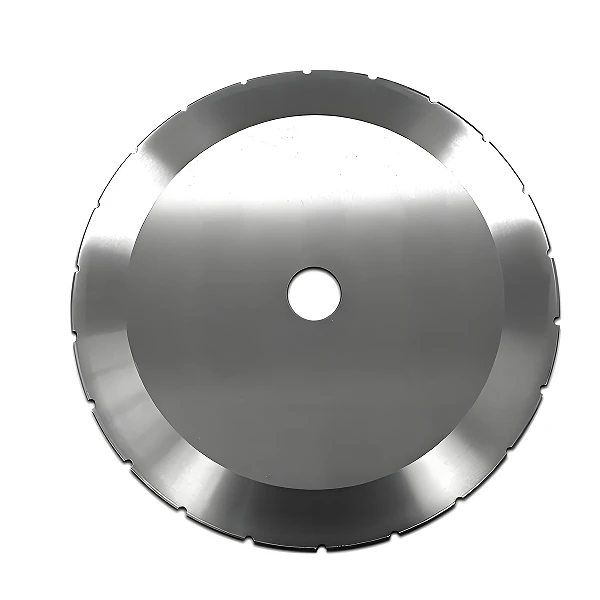
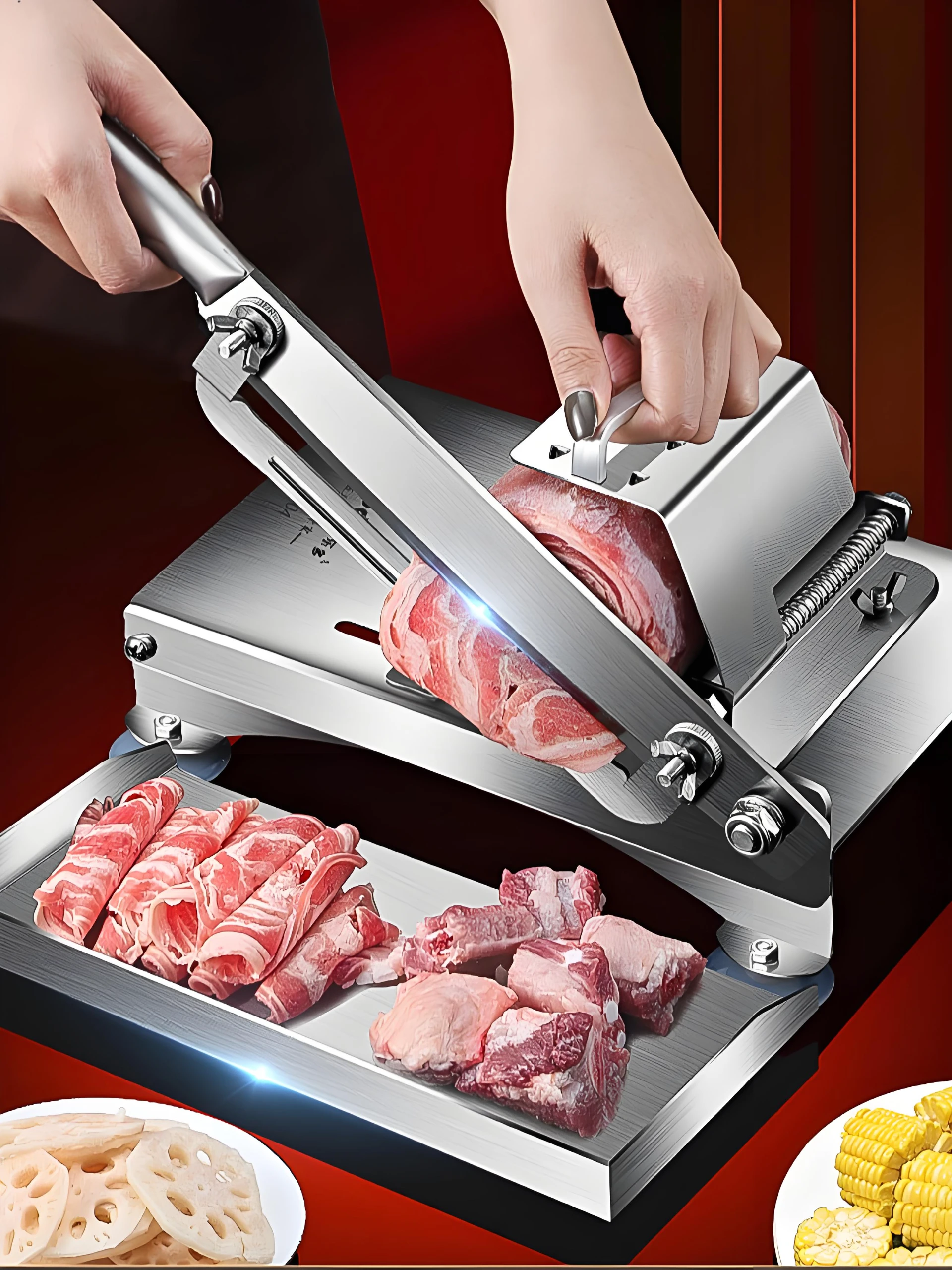
Put simply, a meat slicer blade is the circular or sometimes straight-edged metal disc that cuts through meat, cheese, and similar products either on consumer-grade or industrial slicing machines. Its design balances precision with durability. Think of it as a vital surgical tool for chefs and butchers, ensuring even thickness for cooking and portioning.
The connection to industry? The right blade reduces labor time, maintains hygiene, and produces consistent slices — all crucial when feeding thousands daily in cafeterias or supplying packaged deli products to supermarkets worldwide.
Key Components of High-Quality Meat Slicer Blades
Durability and Material Composition
High-grade stainless steel is the go-to for most blades because it’s resistant to rust and easy to clean, critical under hygiene regulations. Some manufacturers experiment with coatings like titanium to boost longevity.
Blade Sharpness and Cutting Precision
The edge geometry affects slice uniformity. A sharper blade means fewer crushed edges — more visually appealing meat and less waste.
Size and Scalability
Blades come in various diameters, typically between 7 to 14 inches, to fit different machines and volume needs — small deli counters versus large production lines.
Maintenance and Ease of Cleaning
Blade designs that allow quick removal without complex tools reduce downtime and contamination risk.
Cost Efficiency
Balancing upfront cost with blade lifespan matters a lot, especially for large operations where frequent replacement drains budgets.
Safety Features
Edges designed to minimize accidental cuts to handlers and integrated guards are ever-more standard.
Mini takeaway:
- Meat slicer blades blend metallurgy, engineering, and practical design to optimize food prep
- Choosing the right blade impacts both food quality and operational costs
Global Applications & Real-World Use Cases
Across the world, meat slicer blades find their way into many different environments:
- Europe: High-end delicatessens demand razor-sharp blades to showcase specialty cured meats with pristine presentation.
- North America: Supermarket chains use industrial slicers to handle large volumes of packaged cold cuts efficiently.
- Asia & Middle East: Markets and smaller-scale distributors increasingly adopt motorized slicers with affordable blades to meet growing urban demand.
- Post-Disaster Humanitarian Relief: Field kitchens require portable, easy-to-maintain slicers to efficiently process meats, aiding rapid nutrition delivery.
For example, a mid-sized deli in Germany recently switched to titanium-coated blades, reducing replacement frequency by nearly 40%, which felt like an operational win. Meanwhile, remote industrial zones in Australia rely on easily serviced blades to maintain uninterrupted food prep during shifts.
Advantages and Long-Term Value of Meat Slicer Blades
Why invest in quality blades? Here’s the quick rundown:
- Cost savings: Longer-lasting blades reduce purchase frequency and downtime.
- Sustainability: Better blades cut less waste — nobody wants soggy edges or torn slices leading to early spoilage.
- Social impact: High hygiene means safer food, supporting community health.
- Reliability and Trust: A dependable blade keeps operations smooth, building confidence for customers and staff alike.
- Innovation pushes: Many manufacturers now embed antimicrobial properties or design for recyclability, hinting at the next wave of food tech.
Honestly, when I watch a slicer operate, a great blade feels like the silent hero of the kitchen — quietly enabling precision and quality without a fuss.
Typical Product Specification of a Meat Slicer Blade
| Feature | Specification | Notes |
|---|---|---|
| Diameter | 10, 12, 14 inches | Fits standard slicer models |
| Material | Stainless steel, titanium coated | Rust-resistant; optional coating |
| Edge Type | Serrated or smooth | Serrated helps tougher cuts |
| Thickness | 0.5 - 1.2 mm | Balance flexibility and strength |
| Coating Lifespan | Up to 18 months typical | Depends on usage & maintenance |
How Major Vendors Stack Up
| Vendor | Material Quality | Price Range | Customization | Warranty |
|---|---|---|---|---|
| BladePro | Premium stainless steel + Ti coating | $$$ | Yes, blade size & edge type | 2 years |
| SliceSharp | Standard stainless steel | $ | Limited | 1 year |
| CutCraft | Premium stainless steel | $$ | Moderate | 18 months |
Future Trends & Innovations in Meat Slicer Blades
Looking ahead, it’s safe to say meat slicer blades won’t stay “just blades.” Manufacturers are exploring innovations including:
- Smart blades: Sensors embedded to monitor sharpness and wear in real-time, notifying users when to replace.
- Eco-friendly materials: Biodegradable coatings or recyclable alloys to enhance sustainability.
- Automation integration: Pairing blades with AI-led slicers optimizing thickness and output speed.
- Antimicrobial surfaces: Coatings preventing bacterial growth between cleaning cycles.
For industrial meat processing, these tech shifts promise to boost safety and reduce waste further.
Common Challenges & Their Solutions
Of course, no tool is perfect. Some common issues with meat slicer blades include:
- Frequent dulling: Frustrating for operators who want consistent results. Regular sharpening or Ti coating helps.
- Cleaning difficulties: Blades can harbor bacteria if not cleaned well. Designs with quick-detach mechanisms ease this.
- Higher upfront costs: Quality blades cost more initially — but pay off in durability.
Many experts recommend staff training on maintenance and investing slightly more upfront to avoid bigger problems down the line.
FAQ: Common Questions About Meat Slicer Blades
Q1: How often should I replace my meat slicer blade?
A: Replacement frequency depends on usage but typically every 6-12 months for commercial use. Regular inspection for dullness or rust is key to know when it’s time.
Q2: Are serrated blades better than smooth ones?
A: Serrated blades excel at slicing tougher, firmer meats, while smooth blades give cleaner cuts for delicate products like cheese or fresh meats. Choose based on product needs.
Q3: Can I sharpen the blade myself?
A: Some blades come with manufacturer-recommended sharpening kits. Otherwise, professional sharpening services help maintain optimal performance safely.
Q4: Are titanium-coated blades worth the investment?
A: Usually yes, as they resist corrosion and keep sharp longer, reducing downtime and replacement costs over time.
Q5: Is a larger blade always better?
A: Not necessarily. Larger blades suit high-volume operations, but smaller blades offer better control and less maintenance in smaller settings.
Wrapping Up: Why Choosing Your Meat Slicer Blade Matters
All in all, the humble meat slicer blade is a quiet workhorse in the ever-growing global meat and food industry. Investing in the right blade blends economic value, food safety, and operational efficiency — critical facets as we edge toward more sustainable, tech-driven food systems. If you want the latest in blade tech or quality benchmarks, visit meat slicer blade. It’s a niche with surprising depth, and frankly, a slice of the future.
Mini takeaways:
- Blades influence quality, safety, and waste across global meat industry chains
- Material choice and design are crucial for hygiene and efficiency
- Innovation brings smart, sustainable solutions on the horizon