Understanding the Onion Cutting Machine Blade: Efficiency at the Heart of Food Processing
If you’ve ever wondered how large-scale food processing plants handle tons of onions daily, the secret often lies in the humble onion cutting machine blade. These blades slice, dice, and shred with precision, speeding workflow and maintaining consistent quality — roles that are pivotal not only in industry but also in food security worldwide. With global onion production exceeding 100 million tonnes annually (FAO, 2023), optimizing how onions are processed is critical. The right cutting blade helps reduce waste, increase safety, and ensure uniformity in a way manual cutting simply can’t match.
Global Context: Why Onion Cutting Machine Blades Matter
Onions are among the most consumed vegetables globally, utilized across culinary traditions and processed for products ranging from dried flakes to frozen cuts. According to the United Nations Food and Agriculture Organization (FAO), India, China, and the United States lead in production, with significant export channels connecting producers to distant markets. However, this scale brings challenges: manual processing is labor-intensive, inconsistent, and prone to safety risks. Enter the onion cutting machine blade — a small but vital component that can transform operations through speed and precision. Frankly, without a reliable blade, automation in onion processing stalls and industries struggle with inefficiency.
In humanitarian contexts, especially in food aid distribution and remote supply chains, having equipment that processes onions swiftly and cleanly can support expedited meal preparation — a subtle but impactful link to food security.
What Exactly Is an Onion Cutting Machine Blade?
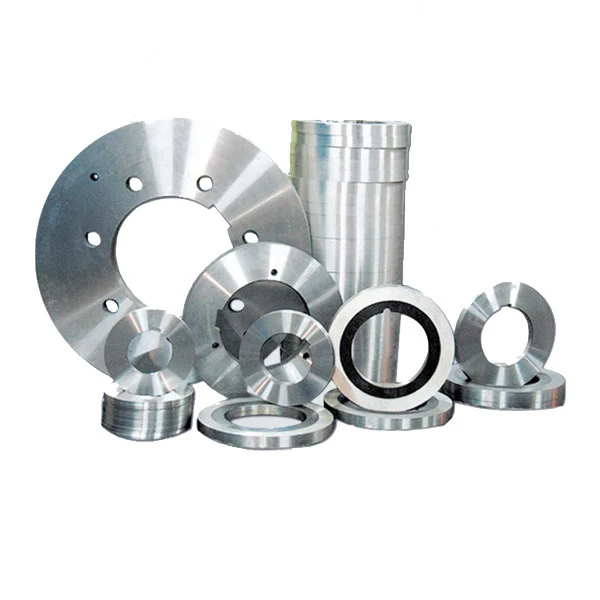
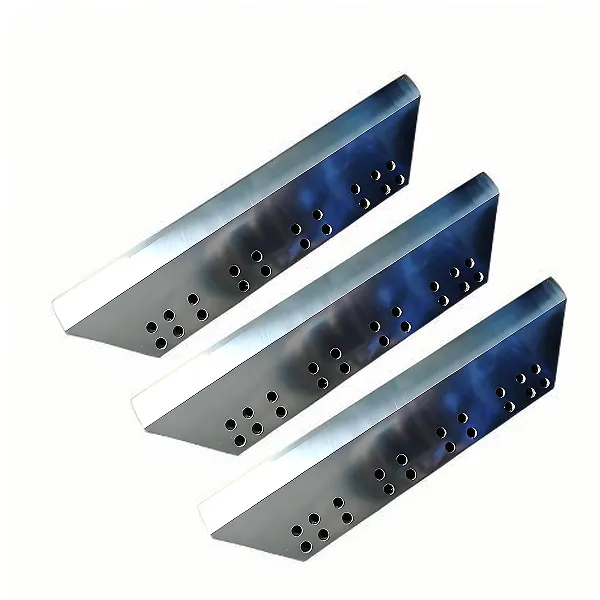
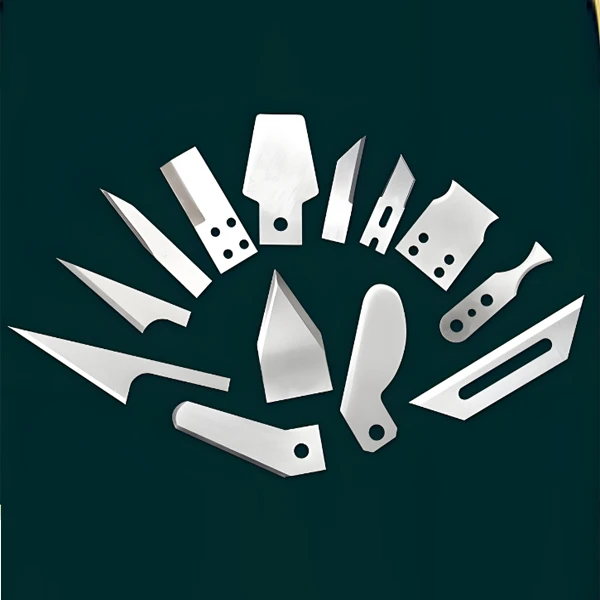
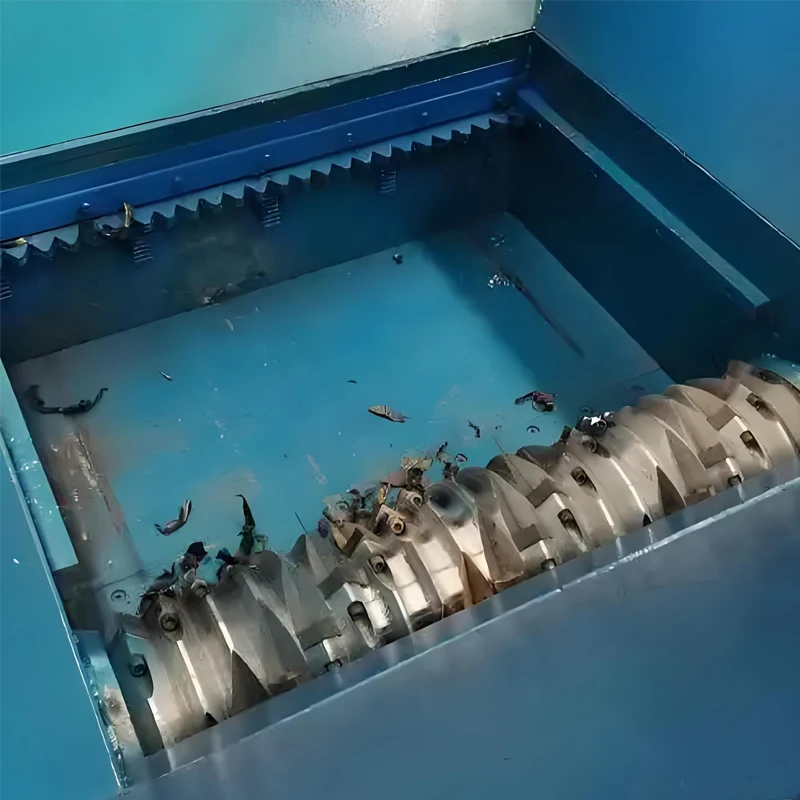
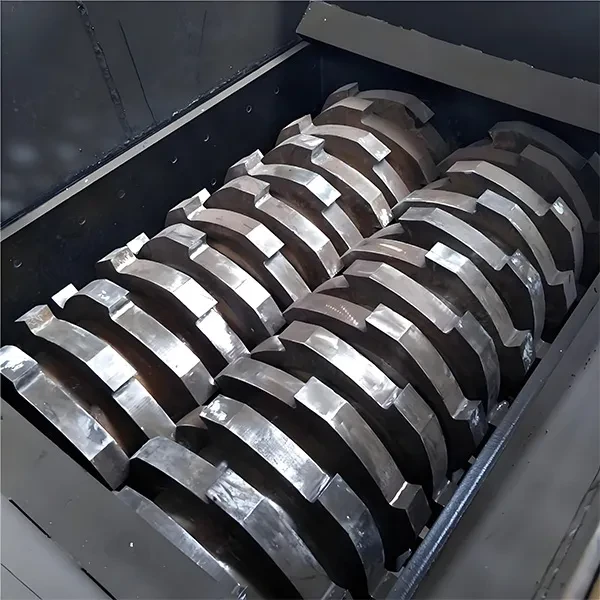
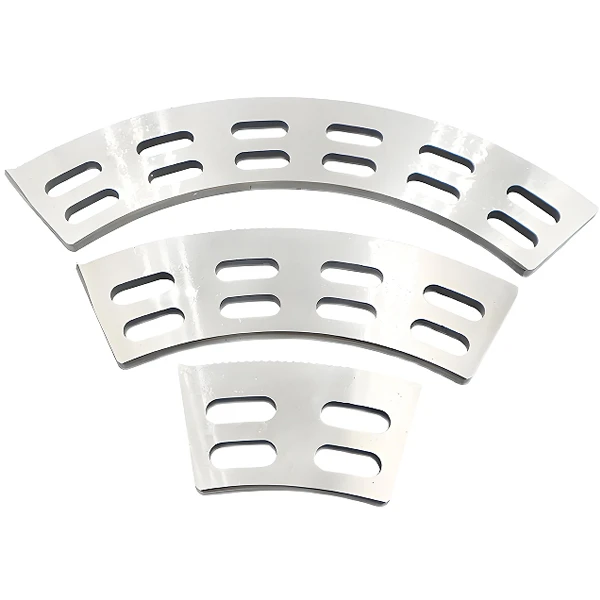
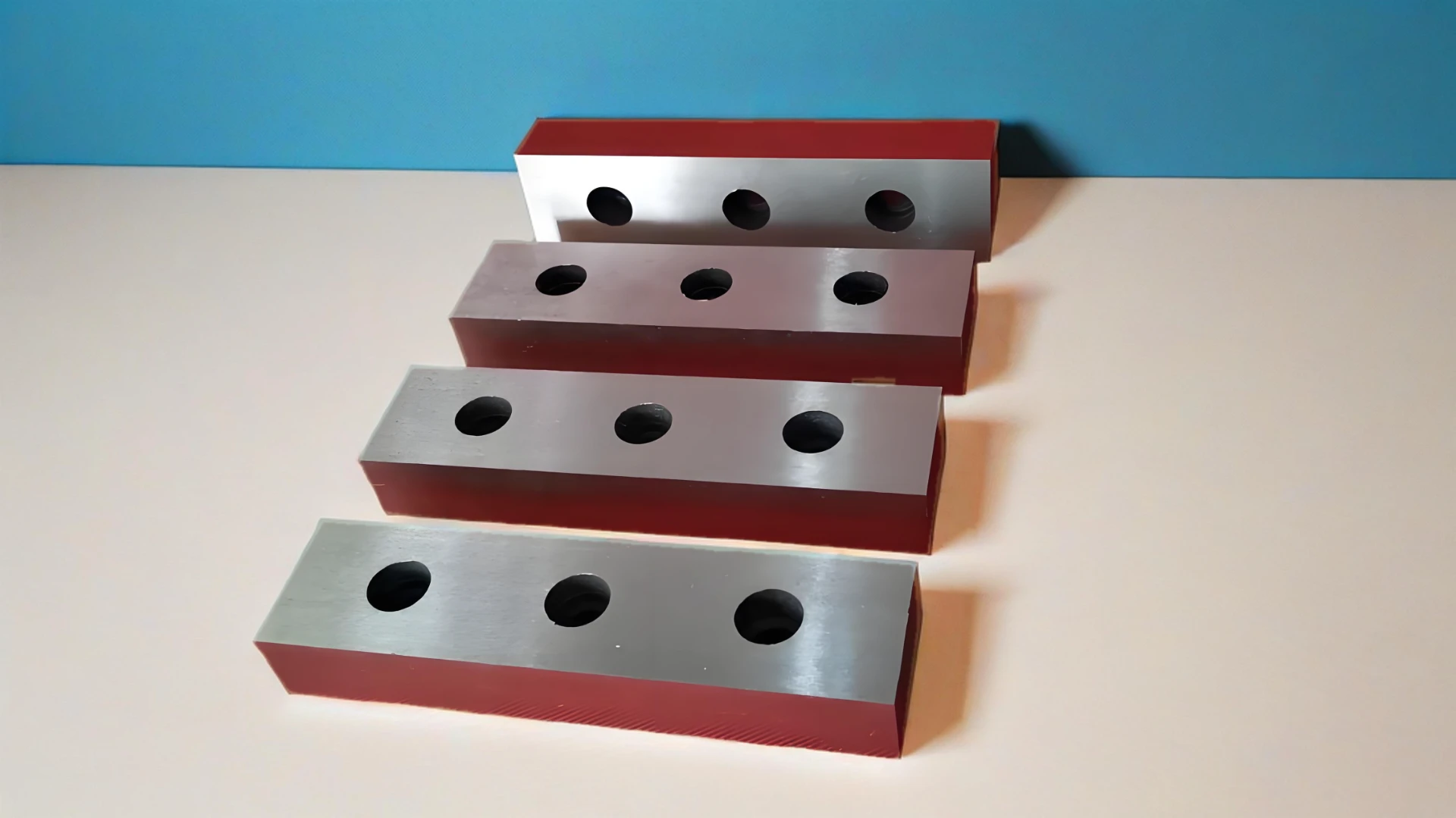
Simply put, an onion cutting machine blade is a specialized cutting tool designed to fit into onion cutting machines — automated or semi-automated devices used largely in food processing facilities. These blades can slice, dice, chop, or shred onions quickly and uniformly. Typically made from stainless steel or other corrosion-resistant alloys, their sharp edges and specific geometries are optimized for imposing the right force and angles to cut onions without crushing or damaging the layers excessively.
These blades, though small in the grand scheme, connect deeply with modern industry’s demand for quality consistency, labor efficiency, and product hygiene — central pillars in both commercial food production and humanitarian food prep solutions.
Key Factors of Onion Cutting Machine Blades
Durability and Material Quality
Blades must endure repetitive impacts and moist environments without wearing out or rusting quickly. High-grade stainless steel, often treated with special coatings (like titanium nitride), extends blade life and maintains sharpness, which really cuts downtime during operations.
Precision and Consistency
The cutting edge shape and thickness influence how cleanly onions are sliced. A blade that dulls quickly or deflects under pressure leads to uneven cuts, introducing product variability — undesirable in commercial production where uniformity is king.
Safety Features
Sharp blades are inherently dangerous, so thoughtful design including protective guards and easy mounting/dismounting helps reduce operator injuries. Plus, hygienic designs that minimize corners and crevices prevent bacterial buildup, a key concern compliant with ISO food safety standards.
Compatibility and Scalability
Blades are manufactured to fit specific machine models — some small-scale, others for industrial lines. The ability to scale blade size or style to different cutting needs (dicing vs. slicing) matters when facilities upgrade or diversify.
Cost Efficiency
While premium blades may cost more upfront, their longer lifespan and efficiency gains can translate into significant cost savings, especially for industrial processors operating 24/7.
Onion Cutting Machine Blade Specifications
| Specification | Details |
|---|---|
| Material | Stainless Steel (304 or 316 grade) |
| Coating | Titanium Nitride or Ceramic |
| Blade Thickness | 0.5 - 1.5 mm depending on cut type |
| Blade Diameter | 100 mm - 300 mm |
| Cut Types | Slicing, Dicing, Julienne, Chopping |
| Average Lifespan | 6-12 months under industrial use |
Global Applications and Where They Shine
From massive food manufacturing hubs in Asia to fresh-cut vegetable suppliers in Europe and North America, onion cutting machine blades facilitate a range of applications. For example:
- Food Processing Plants: Blades enable mass production of onion rings, pre-cut packs, and frozen diced onions.
- Restaurants and Catering: Semi-automated machines equipped with these blades speed prep times for high-volume kitchens.
- Humanitarian Food Aid: In places with high demand but low labor availability, blades in compact machines help prepare meals swiftly.
- Remote Agricultural Centers: On-site processing reduces spoilage and opens export possibilities.
Oddly enough, the impact of a specialized blade extends far beyond “just cutting” — it’s about improving food system resilience, safety, and economic opportunity globally.
Comparing Top Vendors of Onion Cutting Machine Blades
| Vendor | Material Quality | Price Range | Compatibility | Lead Time |
|---|---|---|---|---|
| Bladetech Industries | High-grade 316 SS, coated | $$$ | Fits 90% machines globally | 2-3 weeks |
| SlicePro Solutions | Standard 304 SS, no coating | $ | Limited to proprietary models | 1-2 weeks |
| EdgeCraft Blades | Ceramic coated stainless steel | $$ | Wide compatibility, custom options | 3-4 weeks |
Advantages & Long-Term Value of Quality Blades
Investing in a quality onion cutting machine blade pays off in several tangible ways:
- Cost Savings: Longer blade life reduces replacement frequency, saves labor costs due to faster cutting.
- Waste Reduction: Uniform cuts minimize unusable scraps, improving yield.
- Health & Safety: Precise cutting reduces injuries and contamination risks.
- Sustainability: Durable blades and less waste help meet growing food industry sustainability goals.
- Reliability & Trust: Consistent performance builds customer confidence and operational stability.
It’s a blend of logic — saving money, reducing waste — and a bit of emotional safety and pride that you’re running a responsible, efficient operation.
Future Trends and Innovations to Watch
The onion cutting machine blade sector isn’t static. Emerging trends include:
- Advanced Coatings: Nanotechnology coatings making blades ultra-sharp and corrosion-proof.
- Automation Integration: Blades designed for blade-health monitoring sensors embedded in smart machines.
- Eco-Friendly Materials: Development of recyclable or biodegradable composites without sacrificing sharpness.
- Modular Blade Systems: Customizable blade kits enabling rapid changeover for versatile cutting tasks.
Digital transformation is quietly reshaping even these niche components — so keep an eye on innovations.
Challenges and Solutions in Onion Cutting Blade Use
Despite advances, challenges persist:
- Blade Dulling: A persistent issue requiring frequent maintenance or replacements.
- Compatibility Issues: Not all blades fit every machine, complicating procurement.
- Hygiene Risks: Cracks or imperfections can harbor bacteria if not cleaned properly.
Experts suggest routine blade inspections, investing in certified compatible blades, and adopting hygienic designs. Some companies now offer blade sharpening and recycling programs, addressing lifecycle concerns openly.
Frequently Asked Questions About Onion Cutting Machine Blades
Q: How often should I replace an onion cutting machine blade in an industrial setting?
A: Typically, blades last 6 to 12 months depending on usage intensity and material. Regular inspections for dullness or damage are vital. Sharp blades ensure safety and cut quality.
Q: Can standard knife blades be used in onion cutting machines?
A: Usually no. Onion cutting blades are specially designed for the machine’s mechanics and cutting style. Using incompatible blades risks poor cuts, damage, or injury.
Q: What safety measures should operators follow when handling blades?
A: Always power down machines before blade maintenance, use protective gloves, and follow prescribed cleaning protocols to avoid accidents and contamination.
Q: Are coated blades worth the extra cost?
A: Yes, coatings like titanium nitride drastically increase blade life and maintain sharpness, offering better long-term value despite higher initial prices.
Conclusion: Why the Right Onion Cutting Machine Blade Makes All the Difference
The onion cutting machine blade may seem like a simple tool, but it’s at the heart of a complex supply chain that feeds millions daily. Choosing the right blade impacts everything from cost efficiency to food safety and sustainability. As technology advances, these blades will become smarter, more durable, and even more integral to global food processing systems. For anyone in the business of processing onions—whether commercial or humanitarian—paying close attention to blade specs, vendors, and trends is simply good practice.
To explore quality onion cutting machine blades suited to your needs, visit our website and see what innovations await your production line.
Oddly enough, a simple blade really can change not just how we cut onions, but how we think about food processing as a whole.