Understanding Sheet Metal Guillotine Blades: A Comprehensive Guide
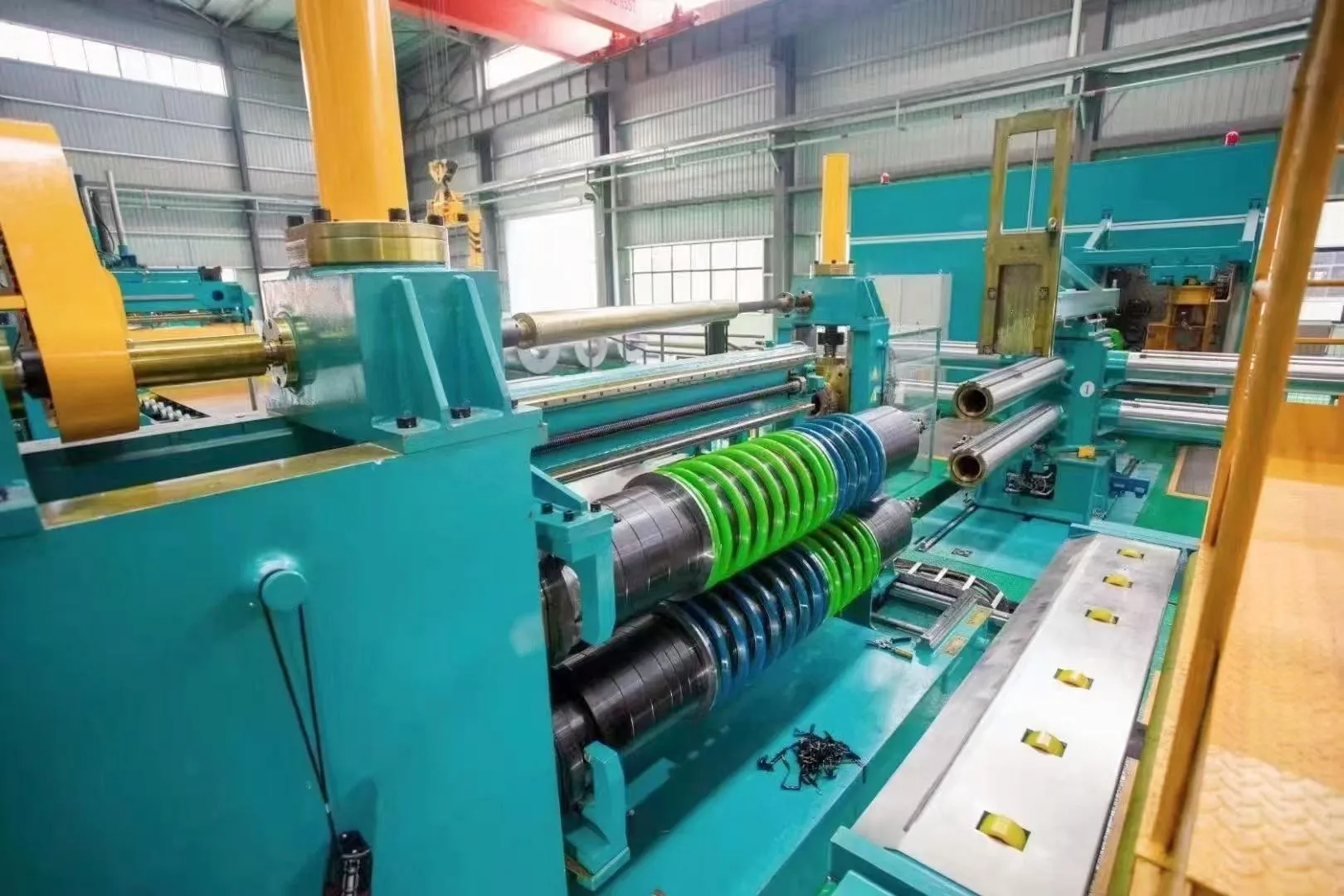
Sheet metal guillotine blades are essential components in metal fabrication, playing a critical role in achieving clean, precise cuts. Choosing the right blade is vital for efficiency, accuracy, and cost-effectiveness. This article will delve into the world of sheet metal guillotine blades, covering types, materials, maintenance, and factors to consider when making a purchase. Understanding these aspects will empower you to optimize your cutting processes and ensure long-lasting blade performance. We'll explore how the quality of a blade directly impacts the final product and overall production efficiency.
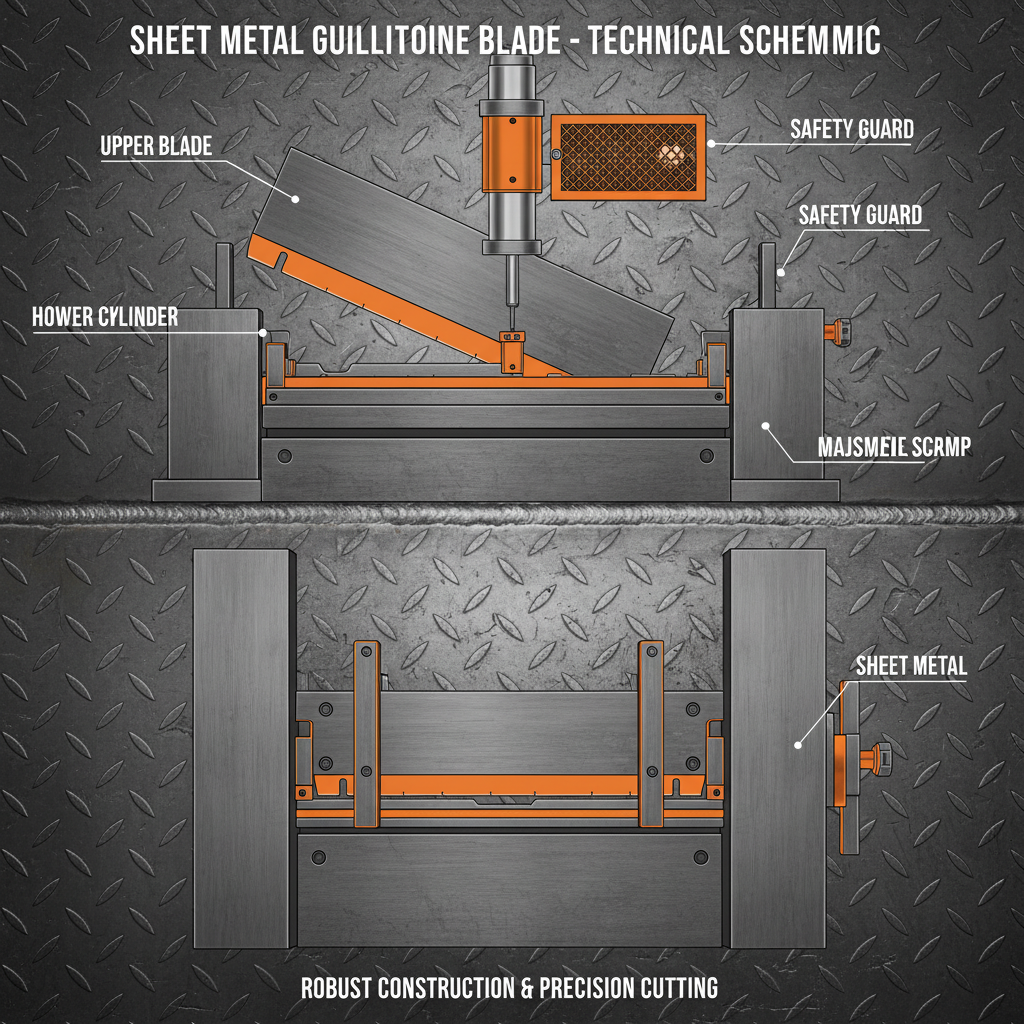
Types of Sheet Metal Guillotine Blades
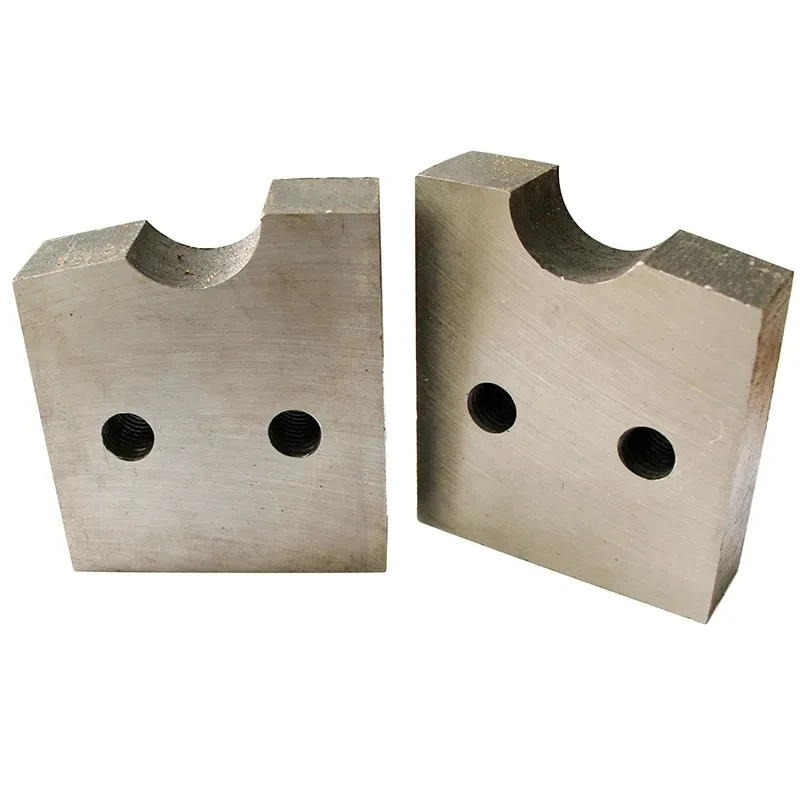
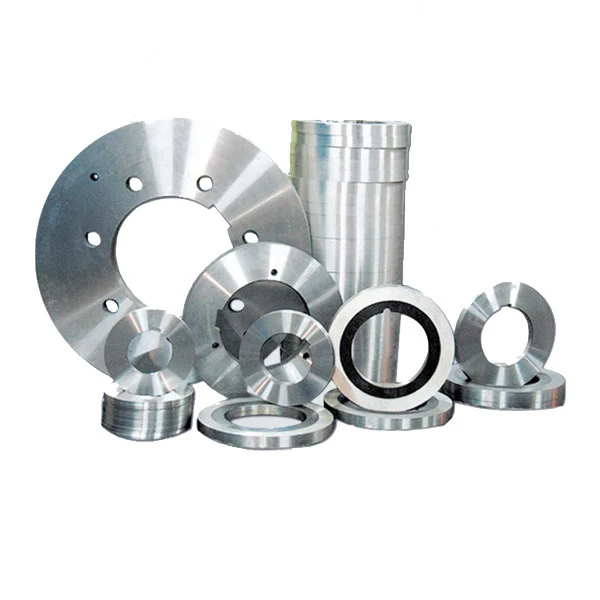
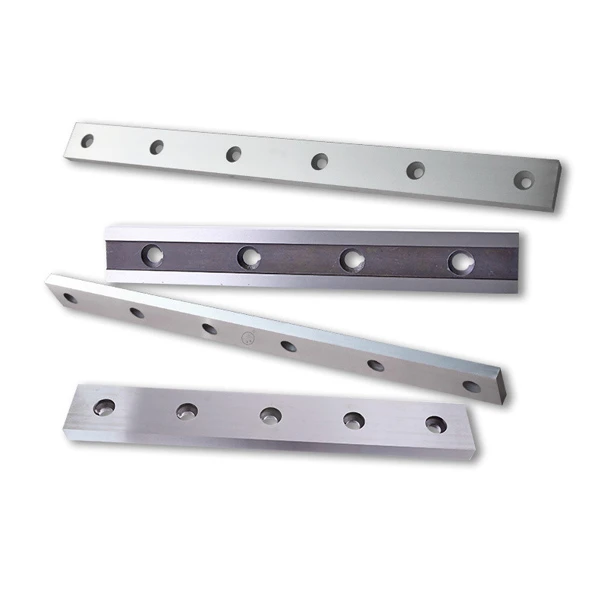
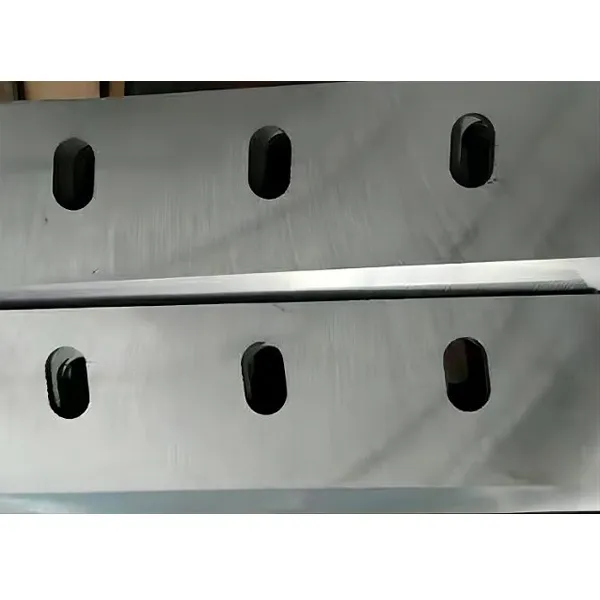
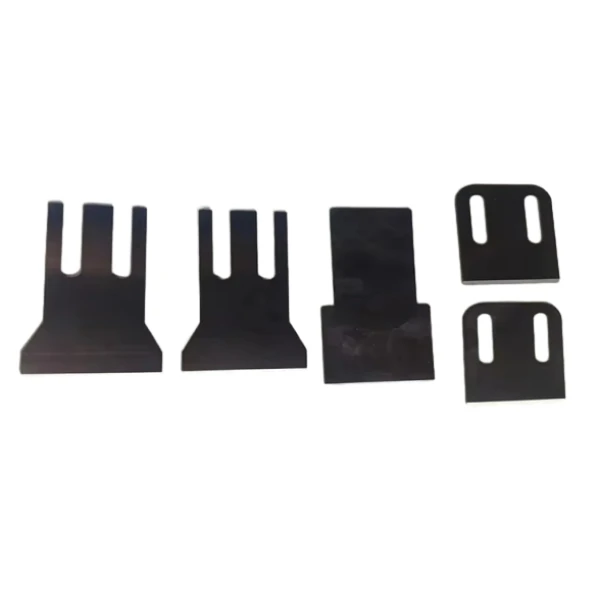
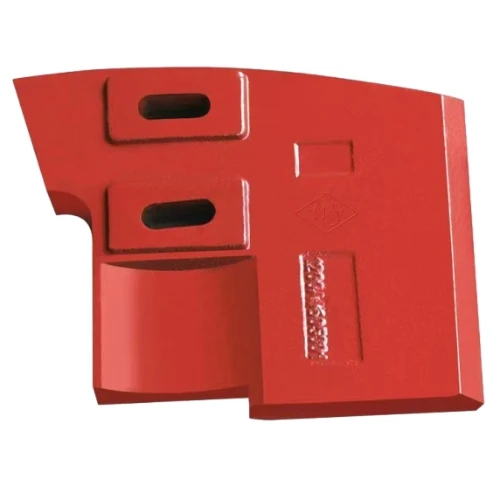
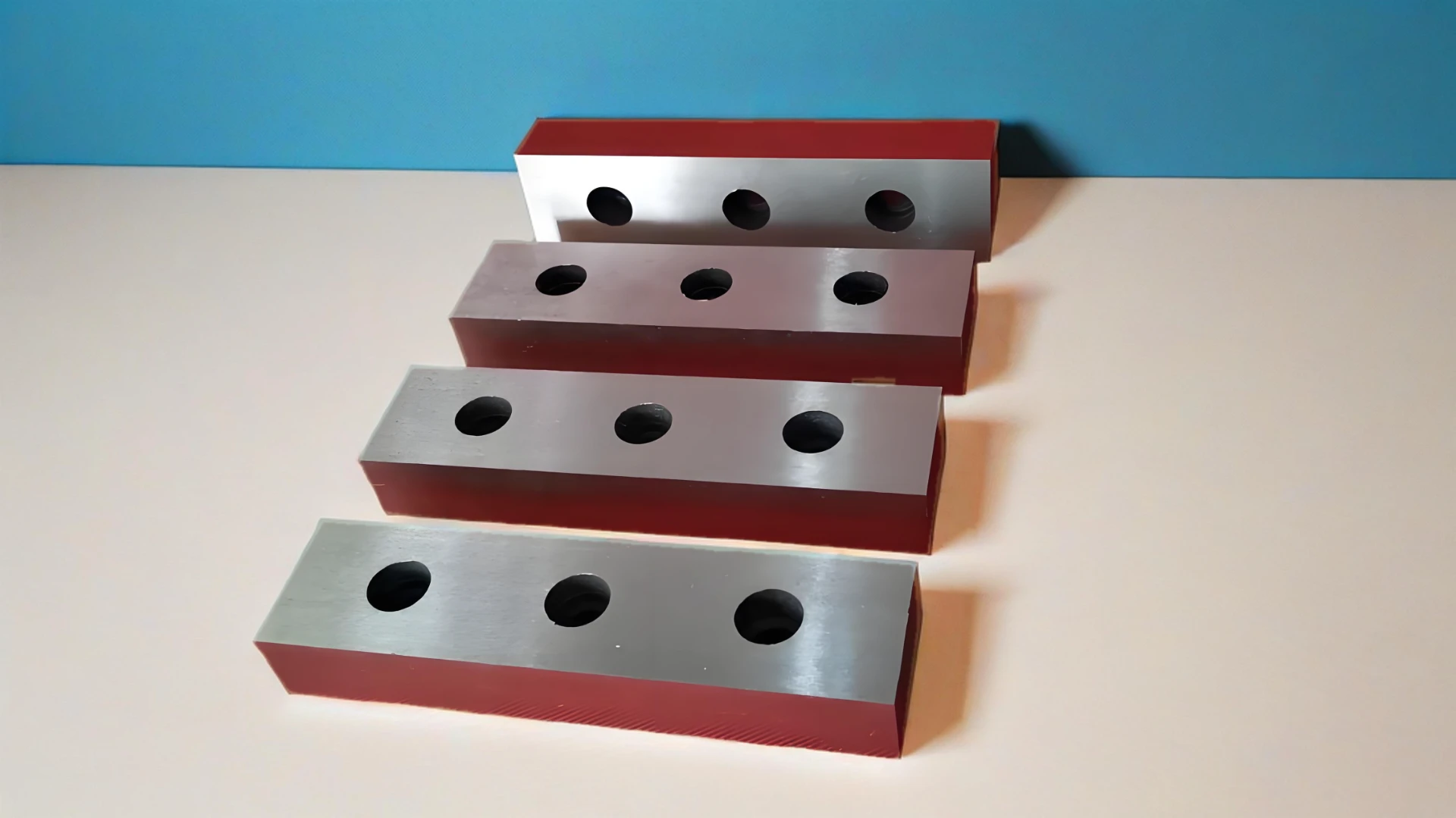
Guillotine blades come in various types, each designed for specific materials and cutting requirements. The most common types include flat blades, orbital blades, and stepped blades. Flat blades are versatile and suitable for a wide range of materials, while orbital blades offer extended cutting life due to their rotating cutting edge. Stepped blades are typically used for thicker materials, providing increased cutting power. Selecting the appropriate blade type is crucial for optimizing performance and minimizing downtime. Factors such as material type, thickness, and desired cut quality all influence blade selection.
Blade Materials: Choosing the Right Alloy
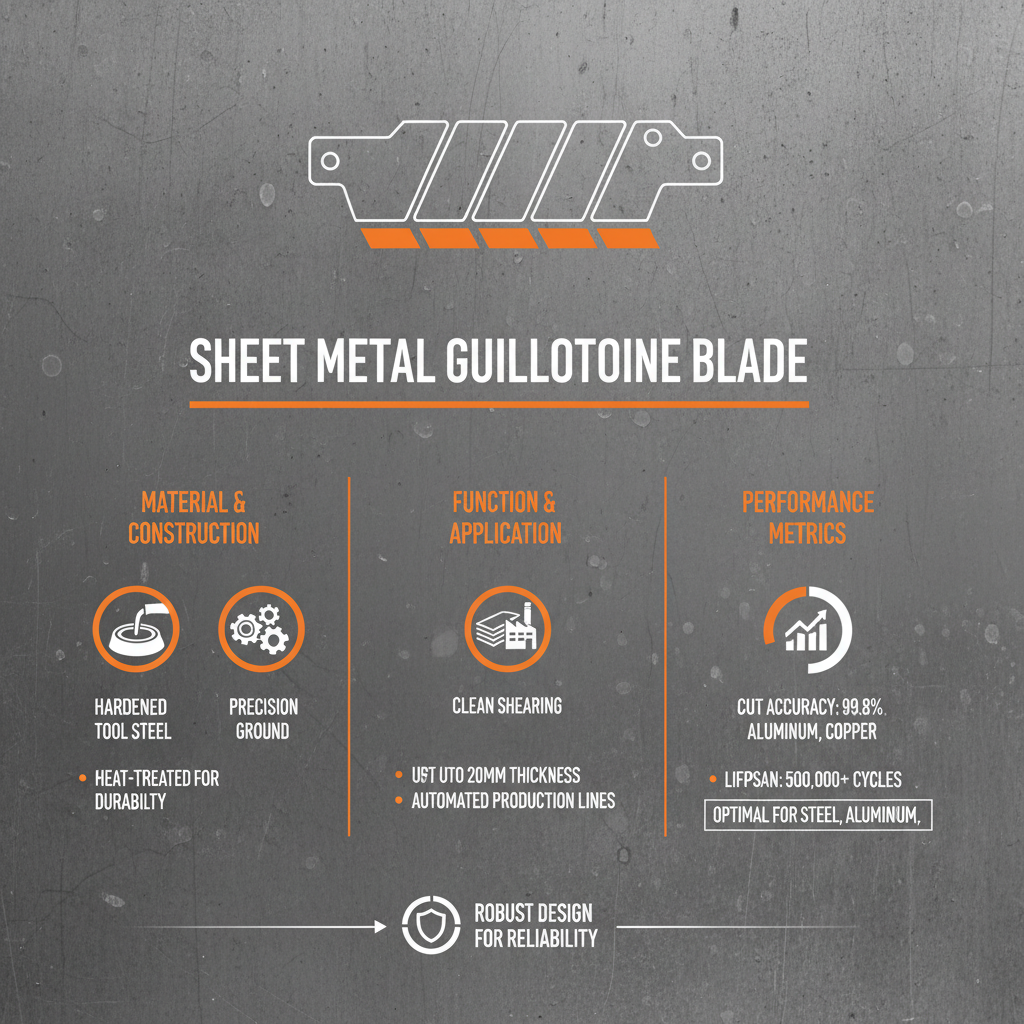
The material of a sheet metal guillotine blade significantly impacts its performance and durability. Common materials include D2, SKD-11, and HSS. D2 is a high-carbon, high-chromium tool steel known for its excellent wear resistance and hardness. SKD-11, a Japanese equivalent to D2, offers similar properties. HSS (High-Speed Steel) blades are more affordable but generally have a shorter lifespan. The choice depends on the materials being cut and the required cutting frequency. For abrasive materials, a blade with higher wear resistance is essential.
Key Considerations: The material of the blade should be carefully selected based on the type of metal being cut, the desired cut quality, and the overall budget.
Sheet Metal Guillotine Blade Performance Comparison
Different blade materials exhibit varying levels of performance. Here's a comparison to aid in your selection:
Optimizing Blade Life: Maintenance and Sharpening
Regular maintenance is crucial for maximizing the lifespan of your sheet metal guillotine blade. This includes keeping the blade clean and lubricated, inspecting it for damage, and sharpening it when necessary. Proper sharpening restores the blade’s cutting edge and prevents premature wear. Using a qualified sharpening service is recommended to ensure the blade is sharpened to the correct angle and achieves optimal performance. Ignoring maintenance can lead to reduced cutting accuracy and increased risk of blade failure.
Factors to Consider When Purchasing a Guillotine Blade
When selecting a guillotine blade, consider the following: Material Type: What materials will you be cutting? Material Thickness: What is the typical thickness of the metal sheets? Cutting Frequency: How often will the blade be used? Blade Geometry: Flat, orbital, or stepped? Budget: Balance cost with performance and durability. Choosing a reputable supplier, like Mechblades, ensures you receive a high-quality product and expert advice.
Conclusion: Investing in Quality Blades for Optimal Performance
Investing in high-quality sheet metal guillotine blades is a smart investment for any metal fabrication shop. By carefully considering blade type, material, and maintenance practices, you can optimize your cutting processes, reduce downtime, and improve the overall quality of your products. Don't compromise on blade quality – choose a reliable supplier and prioritize regular maintenance for long-lasting performance.
Frequently Asked Questions (FAQs)
How often should I sharpen my guillotine blade?
The frequency of sharpening depends on the materials you're cutting and the volume of work. As a general guideline, inspect the blade after every 50-100 cuts. If you notice any dullness, chipping, or difficulty cutting cleanly, it's time for sharpening. Consistent sharpening maintains cutting accuracy and prevents excessive wear on the blade and the machine. A properly sharpened blade will also reduce the force required for cutting, minimizing stress on the guillotine. Ignoring sharpening can lead to burrs, rough edges, and ultimately, blade failure.
What are the signs that a guillotine blade needs replacing?
Several signs indicate a guillotine blade needs replacing. These include significant chipping or cracking, excessive wear that prevents effective sharpening, and noticeable deformation of the cutting edge. If the blade consistently produces ragged or uneven cuts, or if it requires excessive force to operate, it's likely time for a replacement. Continuing to use a damaged blade can be dangerous and compromise the quality of your work.
Are orbital blades more expensive than flat blades?
Generally, orbital blades are more expensive than flat blades due to their more complex manufacturing process and longer lifespan. The rotating cutting edge of an orbital blade distributes wear more evenly, resulting in significantly increased cutting capacity. While the initial investment is higher, the extended lifespan and reduced downtime often make orbital blades a more cost-effective option in the long run, especially for high-volume cutting applications.
What safety precautions should I take when handling guillotine blades?
Guillotine blades are extremely sharp and require careful handling. Always wear appropriate personal protective equipment (PPE), including heavy-duty gloves, safety glasses, and long sleeves. Never attempt to handle a blade directly with your hands. Use dedicated blade handling tools and ensure the machine is properly locked out and tagged out before performing any maintenance or blade changes. Always follow the manufacturer's safety guidelines.