What Exactly Is a Straight Cutting Blade and Why Should You Care?
At first glance, a straight cutting blade might sound like something as simple as a knife or saw with a straight edge. But hold on — this tool quietly underpins a wide array of industries and global applications, from precision manufacturing lines in Europe to emergency infrastructure rebuilding efforts in Asia. Its key benefit? The ability to make clean, exact straight cuts that are essential for reliable, repeatable results — whether you’re cutting sheet metal, wood, fabric, or even complex composites.
Understanding the straight cutting blade’s role helps us appreciate how subtle tools become workhorses of global trade, production efficiency, and even humanitarian aid. It’s a small element with surprisingly extensive impact.
The Global Importance of Straight Cutting Blades in Industry and Beyond
These blades aren’t just blades — they’re critical components in industrial supply chains. According to ISO standards on cutting tools, high-precision blades improve both product quality and reduce waste. The World Bank’s data on manufacturing growth points towards increasing automation, and with that, the demand for dependable cutting solutions only grows. It’s a classic case where the humble tool meets high-tech needs.
Consider also the challenges industries face with inconsistent materials or difficult-to-machine composites. Those often require a straight cutting blade that holds up under stress without warping — without which production could slow or fail completely. It’s that vital.
What Is a Straight Cutting Blade, Really?
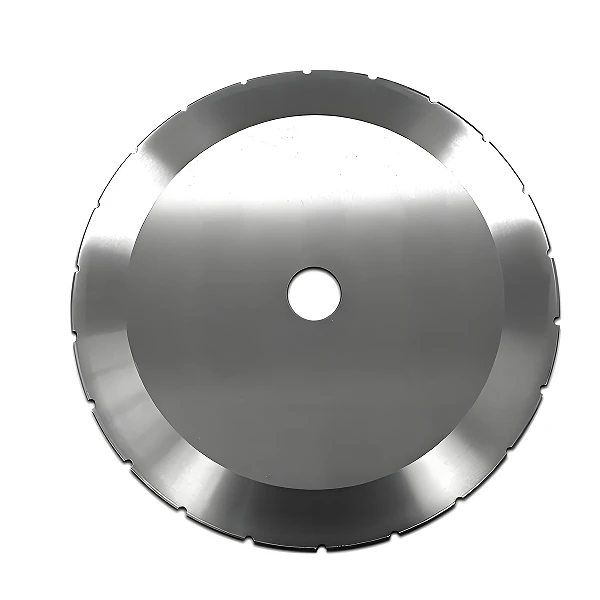
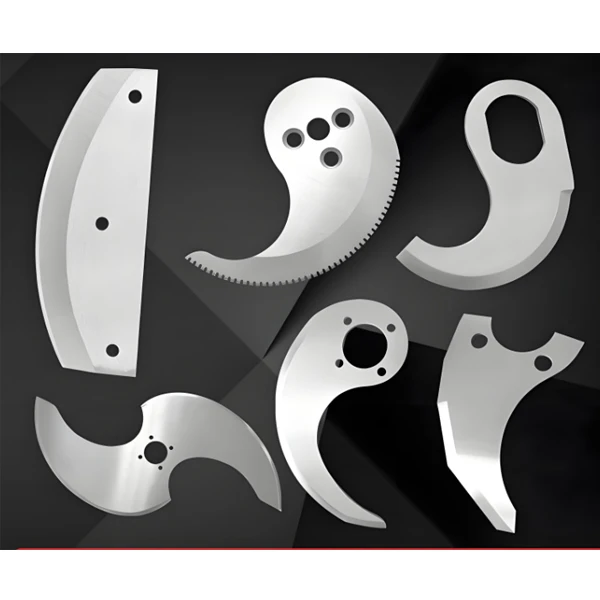
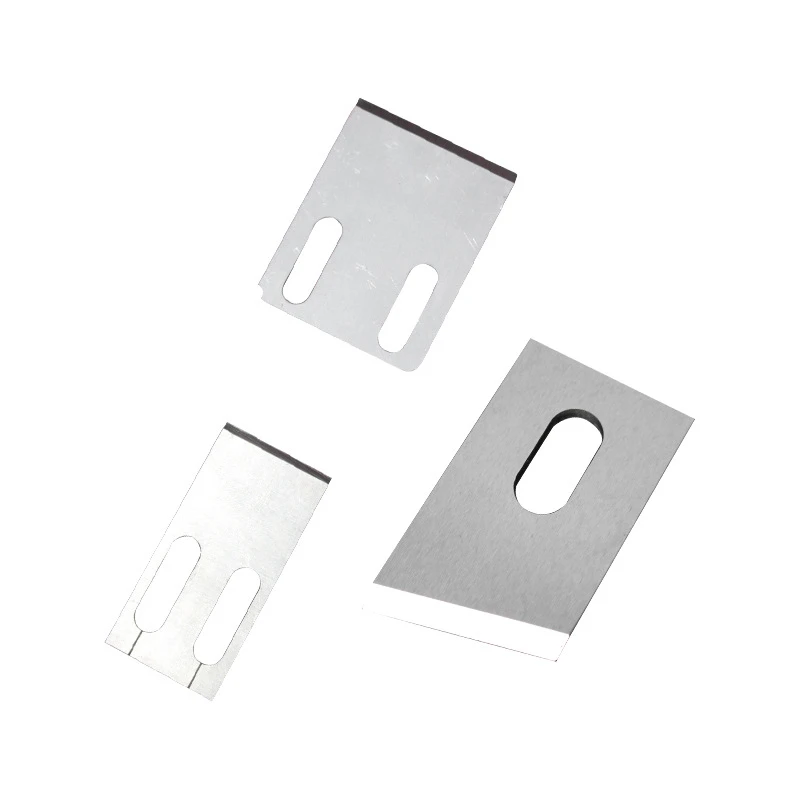
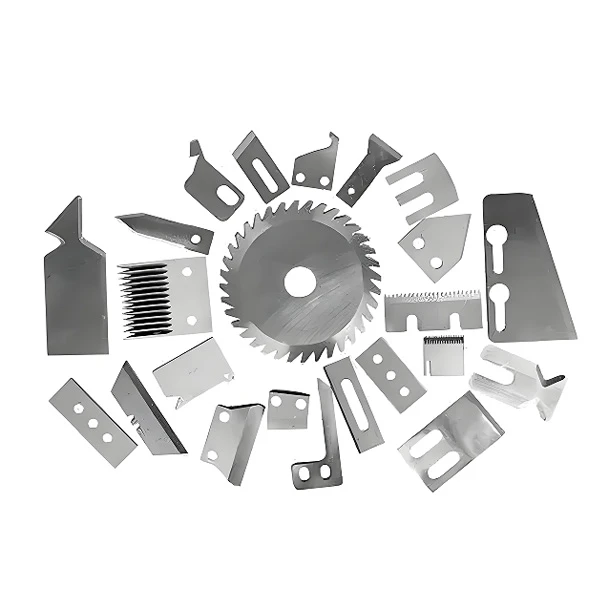
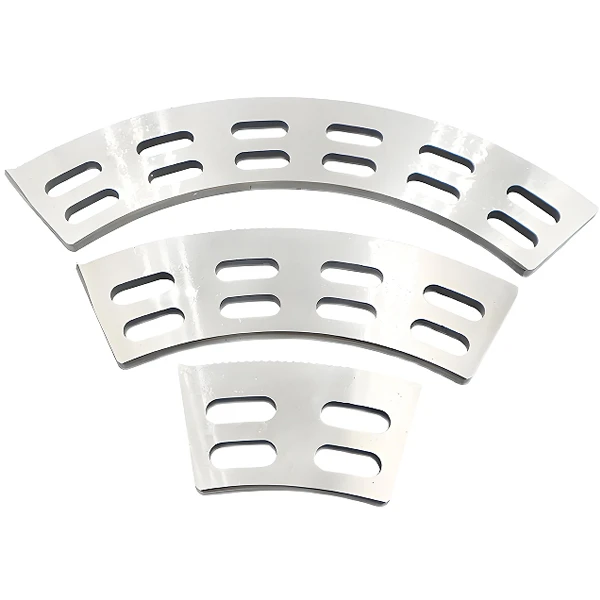
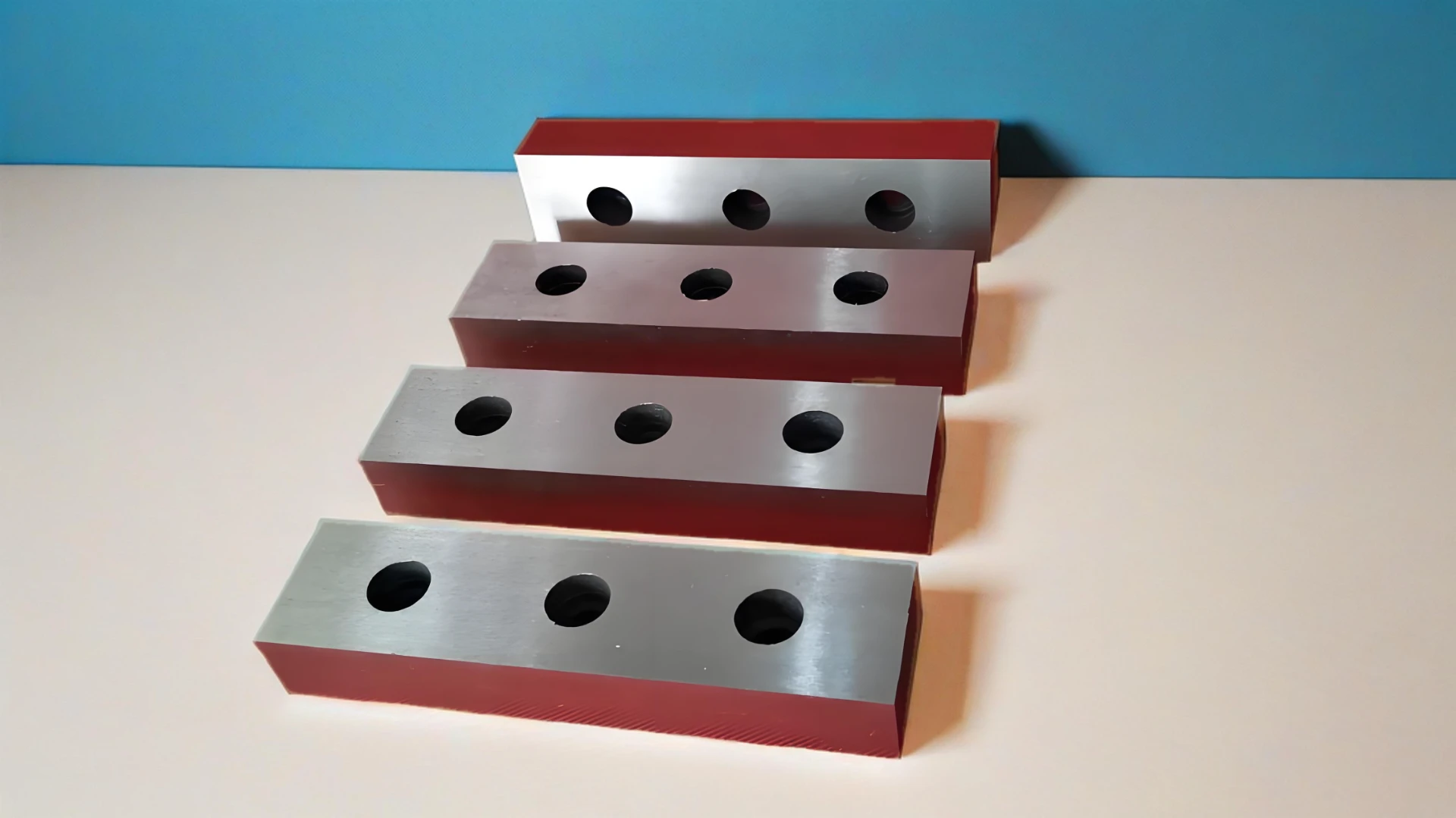
Simply put, a straight cutting blade is a blade with a flat, linear cutting edge designed to slice material cleanly along a straight line. Unlike serrated or curved blades, it’s prized for precision and the ability to make uniform cuts over repetitive tasks. In factories, these blades are used for cutting everything from textiles to plastics, metals to cardboard, and more.
Their relevance extends beyond factories — in humanitarian disaster zones, for example, they’re essential for quickly cutting construction materials in temporary shelters, or packaging supplies efficiently.
Core Aspects of Straight Cutting Blades
1. Durability
Tough materials like tungsten carbide or high-speed steel keep these blades sharp under harsh conditions. Durable blades translate into less downtime, which, frankly, is a big deal when you’re in mass production or working against tight deadlines.
2. Precision
The flat edge ensures cuts are clean without jaggedness, which means less finishing work downstream. In industries like electronics or automotive parts, where millimeters count, this is crucial.
3. Versatility
From fabric to metal sheets, straight cutting blades come in various sizes and thicknesses. Plus, many can be customized with coatings or coatings to handle specialty materials — like anti-corrosion finishes.
4. Cost Efficiency
Sure, some high-end blades cost a bit more upfront. But their lifespan and minimal waste generation often lead to long-term savings. It’s a reminder that investing in quality often pays off.
5. Safety Features
Modern straight blades often integrate safety covers or quick-change mechanisms — small details that reduce injury risk and speed up maintenance.
Global Use Cases for Straight Cutting Blades
Their footprint is impressively global. In Southeast Asia’s textile hubs, blades help rapidly cut patterns for garments, accelerating production without sacrificing style or seam quality. In Europe’s automotive industries, they slice metal sheets used in car body panels with unmatched precision.
Even NGOs use such blades in disaster relief: when setting up emergency shelters or cutting tarps and packaging materials, efficient, reliable cutting tools make all the difference. Oddly enough, a blade’s quality can directly impact how quickly relief reaches those who need it.
Advantages and Long-Term Value of Using Straight Cutting Blades
- Cost savings: Less material waste and fewer blade changes.
- Sustainability: Longer blade life means less frequent replacement and reduced environmental impact.
- Social impact: In safer workplaces with reliable tools, worker injury rates drop.
- Reliability: Consistent results build trust — whether between supplier and customer, or within supply chains.
Emotionally, operators feel pride working with blades that perform well and reduce hassle. It’s one of those overlooked but important morale factors in factories.
What Does the Future Hold? Innovations in Straight Cutting Blade Technology
We’re starting to see blades incorporating advanced materials like polycrystalline diamond and ceramic composites, which can maintain edge sharpness for even longer. Automation also pushes innovations: smart blades that communicate usage data or self-sharpening technologies are just around the corner.
Green manufacturing trends inspire coatings that reduce friction and energy use during cutting — yeah, even the simple blade is getting ’greener’.
Challenges to Overcome and Potential Solutions
Blade wear remains a challenge, especially with abrasive materials. Cost can be a barrier — high-performance blades might not fit every budget. That said, many manufacturers now offer modular blade systems to reduce overall replacement costs.
Additionally, training operators and maintenance teams properly ensures blades are used to their full potential — something that’s often underestimated.
Frequently Asked Questions About Straight Cutting Blades
Q1: How do I know which straight cutting blade is right for my material?
A1: Consider the material hardness and thickness first. For harder metals, tungsten carbide blades excel; for textiles, high-carbon steel is usually sufficient. Many vendors provide guides or samples, so testing is key.
Q2: How often should I replace a straight cutting blade in a busy production line?
A2: It varies by usage, but typically after several thousand linear meters of cutting or when you notice decreased cut quality. Implementing blade monitoring can reduce unnecessary replacements.
Q3: Can straight cutting blades be customized for special projects?
A3: Absolutely. Blade length, thickness, coating, and even edge geometry can often be modified according to project needs. Reach out to manufacturers early to discuss specifications.
Q4: Is blunt blade usage a safety hazard?
A4: Yes, blades that lose sharpness often require more force to cut, increasing slip or operator error risks. Keeping blades sharp is both a safety and quality imperative.
Q5: Are there eco-friendly straight cutting blade options?
A5: Yes. Some manufacturers focus on sustainable materials and coatings that extend blade life, reducing waste. Additionally, recycling programs for used blades are becoming more common.
Straight Cutting Blade Specifications at a Glance
| Specification | Typical Value/Range | Notes |
|---|---|---|
| Material | High-speed Steel / Tungsten Carbide | Depends on use case |
| Length | 50mm to 300mm | Custom sizes available |
| Thickness | 0.5mm to 3mm | Thicker for tougher materials |
| Edge Type | Straight, honed | Ensures clean cuts |
| Coating | Titanium Nitride / DLC | Improves durability and reduces friction |
| Max Operating Temp | 600°C | Important for metal cutting |
Vendor Comparison: Top Straight Cutting Blade Providers
| Vendor | Material Options | Customization | Lead Time | Price Range |
|---|---|---|---|---|
| MechBlades Co. | HSS, Carbide, DLC coated | Full custom specs | 2-3 weeks | $$$ |
| CutPro Tools | HSS, Titanium coated | Limited customization | 1-2 weeks | $$ |
| BladeWorks Intl. | Carbide, Diamond coatings | Custom + bulk orders | 3-4 weeks | $$$$ |
Wrapping It Up: Why Straight Cutting Blades Deserve Your Attention
It’s odd how something as straightforward as a straight cutting blade can be so pivotal behind the scenes. Whether you’re running a factory, managing supply chains, or coordinating disaster relief, having the right blade feels like having a secret weapon in your toolkit. Their precision, durability, and versatility aren’t just technical specs — they’re what make modern manufacturing and logistics tick.
If you’re curious to explore dependable and customizable options, or just want to see how next-gen blades might improve your workflow, I recommend visiting MechBlades. It’s the kind of product line that engineers and field technicians tend to swear by.
Mini Takeaway:
Investing in quality straight cutting blades translates into long-term savings, heightened safety, and better outcomes — sometimes the simplest tools hold the biggest keys.