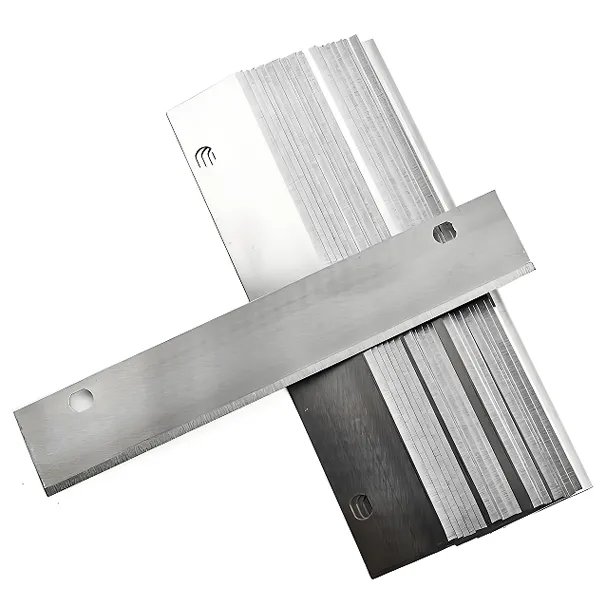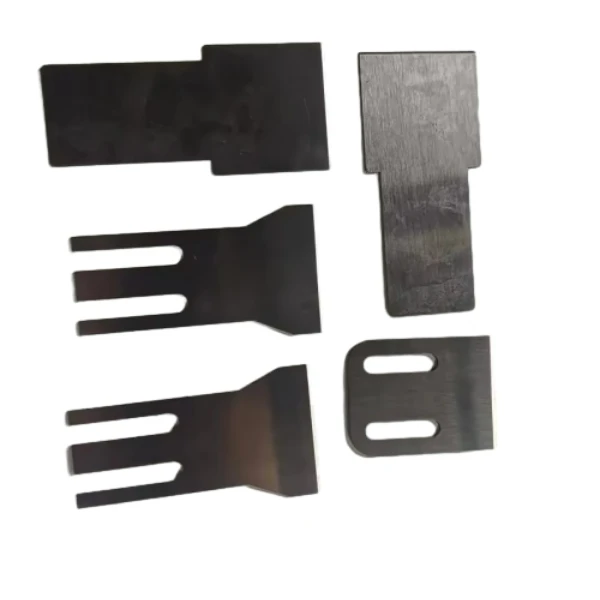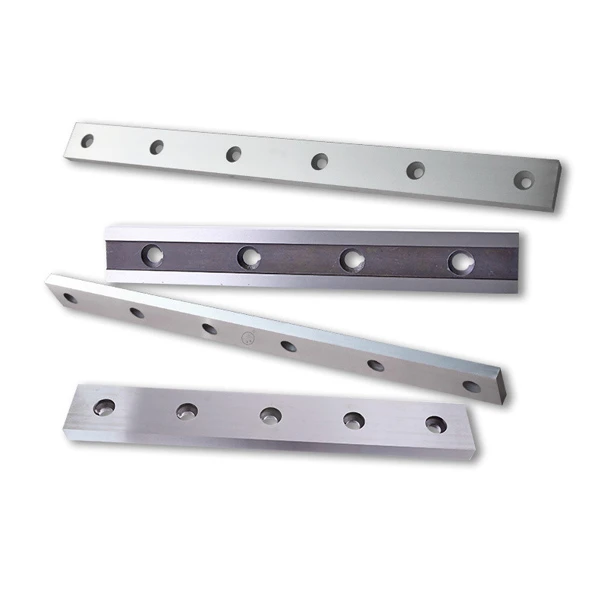
Understanding Ceramic Utility Knife Blades: Cutting Through Innovation
Utility knives have been around as long as humans have needed a reliable cutting tool. But what if the blade itself could be smarter, tougher, and cleaner? Enter ceramic utility knife blades — an innovation quietly reshaping industries worldwide. These blades aren’t just sharper; they’re more durable, corrosion-resistant, and eco-friendlier than their steel counterparts.
Whether you work in manufacturing, packaging, or electronics, understanding ceramic blades unlocks new efficiency and safety benefits that ripple across economies. Global demand for precision cutting tools is growing — with the market projected to reach several hundred million dollars by the end of this decade (source: ISO technical reports on cutting tools). And the benefits extend beyond profits: improved blade longevity reduces waste, making ceramic blades a small but meaningful part of greener industry practices.
Why Do Ceramic Utility Knife Blades Matter Globally?
According to the World Bank, global manufacturing output has expanded by about 3.5% annually over the past five years. In this context, the modest blade has become critically important. Ceramic utility knife blades address a challenge many factories face: balancing sharpness, durability, and hygiene under heavy use.
Steel blades rust. They dull quickly, needing frequent replacement, which costs time and money and increases environmental impact. Ceramic blades offer a solution — they hold an edge for longer and resist chemicals and moisture better. This is especially vital in places with high humidity or where food safety standards are strict, such as Southeast Asia’s sprawling food processing plants or European pharmaceutical labs.
What Exactly Are Ceramic Utility Knife Blades?
In simple terms, a ceramic utility knife blade is a cutting edge made from advanced technical ceramics, usually zirconia-based, rather than traditional carbon or stainless steel. These blades achieve extreme hardness, often ranking 8.5 or higher on the Mohs scale, which is comparable to sapphires or rubies.
This hardness means they maintain sharpness longer and require less sharpening over time. Plus, they’re non-conductive, resistant to acids and alkalis, and crucially, they don’t rust or corrode — perfect for industries demanding sterile or hygienic conditions.
Though ceramics are brittle compared with metal, modern manufacturing techniques like sintering and grinding create blades that balance hardness with toughness enough for utility cutting tasks. So, the blades are often used for precision cutting where clean edges are a must.
Core Features Making Ceramic Utility Knife Blades Stand Out
Durability That Lasts
Ceramic blades can keep their cutting edge for weeks or months longer than steel blades in daily use. For manufacturing lines running 24/7, this means less downtime changing blades and greater overall productivity.
Corrosion and Chemical Resistance
Unlike steel, ceramic blades shrug off moisture, acids, and oxidizing substances. This makes them ideal for wet or sterile environments like labs, hospitals, or food preparation facilities.
Lightweight and Non-Magnetic
Oddly enough but pretty important: ceramic blades are lighter than steel. This reduces operator fatigue when cuts are numerous or in tight spaces. Also, being non-magnetic, they don’t interfere with sensitive electronic equipment.
Safety and Cleanliness
The ceramic surface inhibits bacterial growth, making these blades popular in settings where hygiene is paramount. Plus, they don’t impart metal splinters or rust stains on products.
Cost Efficiency Over Time
While the upfront cost of ceramic blades may be higher than traditional steel, their longevity and lower replacement frequency often translate into better value in the medium-to-long term.
Mini takeaway: Put simply, ceramic utility knife blades combine sharper edges, longer life, and enhanced safety — a trifecta that makes them increasingly attractive across sectors.
Where Are Ceramic Utility Knife Blades Used Around the World?
Their use is truly global, ranging from high-tech electronics assembly in East Asia to artisan food production in Europe and logistics packaging in North America.
- Manufacturing hubs: Southeast Asia and China rely on ceramic blades for cutting delicate circuit board materials without metal contamination.
- Food processing: Stainless hygiene standards in the EU and US call for blades that resist corrosion, so ceramic utility knives are preferred.
- Healthcare and laboratories: Non-magnetic, sterile cutting tools offer safety advantages in surgeries and delicate lab procedures.
- Disaster relief zones: NGOs use ceramic blades in packaging and onsite tool kits where replacing blades regularly is impractical.
In one case, a European cheese manufacturer switched entirely to ceramic utility knife blades and reported a 40% reduction in blade consumption over six months — with cleaner cuts and fewer contamination complaints.
Advantages and Long-Term Value of Ceramic Blades
At the heart of their appeal is durability, but looking deeper, we see benefits spanning economics to environmental responsibility.
- Reduced downtime: Fewer blade changes increase manufacturing uptime and efficiency.
- Lower waste generation: Long-lasting blades mean less scrap metal and packaging waste going into landfills.
- Improved safety: Sharp, reliable blades reduce accidents caused by slipping or forced cuts.
- Better product quality: Consistently sharp edges mean cleaner, more precise cuts, which improve overall output.
Emotionally, workers appreciate tools that don’t dull overnight — it builds trust. Customers smile knowing product quality stays high. And business leaders can tap into sustainability goals by cutting down on replacement parts.
Product Specification Table: A Typical Ceramic Utility Knife Blade
| Feature | Specification | Notes |
|---|---|---|
| Material | Zirconium Dioxide (ZrO2) | High toughness ceramic |
| Hardness | 8.5 Mohs scale | Sharper & longer lasting |
| Blade Length | 60 mm typical | Standard utility knife size |
| Edge Retention | Up to 10x steel blades | Depends on use case |
| Non-magnetic | Yes | Safe for electronics assembly |
| Resistance to Chemicals | Excellent | Acids & alkalis resistant |
A Quick Comparison of Top Ceramic Utility Knife Blade Vendors
| Vendor | Blade Material | Edge Retention | Price per pack (10) | Available Sizes |
|---|---|---|---|---|
| MechBlades | Zirconia Advanced | 8x steel | $45 | 60 mm, 75 mm |
| BladeForce | Zirconia | 7x steel | $40 | 60 mm only |
| CutPro | Silicon Nitride Composite | 9x steel | $55 | 75 mm |
What the Future Holds for Ceramic Utility Knife Blades
Looking ahead, the combination of material science advances and automation will push ceramic blades even further. Researchers are developing coatings to make blades less brittle and more impact-resistant. Meanwhile, integration with digital tooling systems means blades could be tracked for wear and performance automatically — a neat touch for manufacturers focused on predictive maintenance.
Plus, sustainability trends push demand for tools that last longer and reduce scrap. So, no surprise ceramic blades are being eyed in green manufacturing initiatives globally.
Challenges and How Experts Tackle Them
Ceramic utility knife blades aren’t perfect. Their brittleness, especially if dropped or twisted, may lead to chipping — a frustration for operators used to metal’s flexibility. Also, higher upfront costs can deter smaller businesses.
The solution? Training operators on proper blade use and careful handling makes a difference. Plus, many manufacturers now offer blade exchange programs or custom blade geometries tailored to specific tasks, softening the learning curve and cost impact.
FAQ: Practical Questions About Ceramic Utility Knife Blades
- Q: How long do ceramic utility knife blades typically last compared to steel?
- A: Generally, ceramic blades hold an edge around 7 to 10 times longer than steel blades, depending on use. For frequent users, this means weeks to months of service before replacement.
- Q: Are ceramic blades more fragile than steel?
- A: Yes, they can chip or break if dropped or twisted unusually. Proper handling and storage are key to maximizing their lifespan.
- Q: Can I use ceramic blades for all materials steel knives cut?
- A: They excel at cutting soft-to-medium materials like plastics, paper, fabric, and certain foodstuffs. Very hard or metal cutting tasks may still require steel blades.
- Q: Are ceramic knife blades safe for food processing?
- A: Absolutely. Their corrosion resistance and hygiene properties make them ideal for cleanroom and food environments.
- Q: Where can I buy reliable ceramic utility knife blades?
- A: Vendors like MechBlades specialize in industrial-grade ceramic blades with quality guarantees and customization options.
In Conclusion: The Subtle Revolution of Ceramic Utility Knife Blades
Ceramic utility knife blades blend strength, hygiene, and precision in a way few tools can. They may sound niche, but their ripple effects in cost savings, safety, and environmental impact are anything but small. For industries pushing toward smarter manufacturing and sustainability, these blades are an easy upgrade with a long-term payoff.
Feel curious to experience these benefits yourself? Be sure to check out MechBlades’ selection for the latest in ceramic cutting tech. Sometimes, it’s the fine edge that makes all the difference.