Understanding the 5 Meat Grinder Blade: What It Is and Why It Matters
Few tools in the culinary and food processing industries get as much quiet attention as the humble meat grinder blade. Yet, the 5 meat grinder blade has garnered a special place thanks to its versatility, durability, and fine grinding capabilities. It's a small but indispensable component that affects everything from texture to speed when processing meat. Globally, with the growing reliance on processed meats for convenience, quality knives like the 5-blade grinder have effectively raised the bar about how we treat raw ingredients.
Whether for small butchers in rural communities or industrial food producers serving millions, understanding the features and nuances of this blade means better product consistency, cutting efficiency, and even environmental benefits through reduced waste.
Mini takeaway: The 5 meat grinder blade isn’t just a kitchen part—it’s a key player in food quality worldwide.
Global Context: Why the 5 Meat Grinder Blade Holds Industry Weight
According to the Food and Agriculture Organization (FAO), global meat consumption has steadily increased over the past decades, with over 340 million tons produced annually (FAO, 2021). Processed meats make up a significant portion of this — chunks, patties, sausages, and minced products require reliable grinding tools.
But grinding meat efficiently is not just about fluffing ground beef for burgers. In many regions, food safety and waste reduction come to the fore. A sharp, well-engineered 5 meat grinder blade reduces the chance of uneven cuts that can trap bacteria. Simultaneously, it ensures smoother grinding, less motor strain, and ultimately, lower energy costs.
With the global food tech market booming — projected to hit $260 billion by 2027 (Statista, 2023) — optimizing parts like grinder blades affects not only manufacturing efficiency but health regulations.
Mini takeaway: The 5 meat grinder blade isn’t just a small piece of steel — it’s a contributor to global food safety and processing excellence.
What Exactly Is a 5 Meat Grinder Blade?
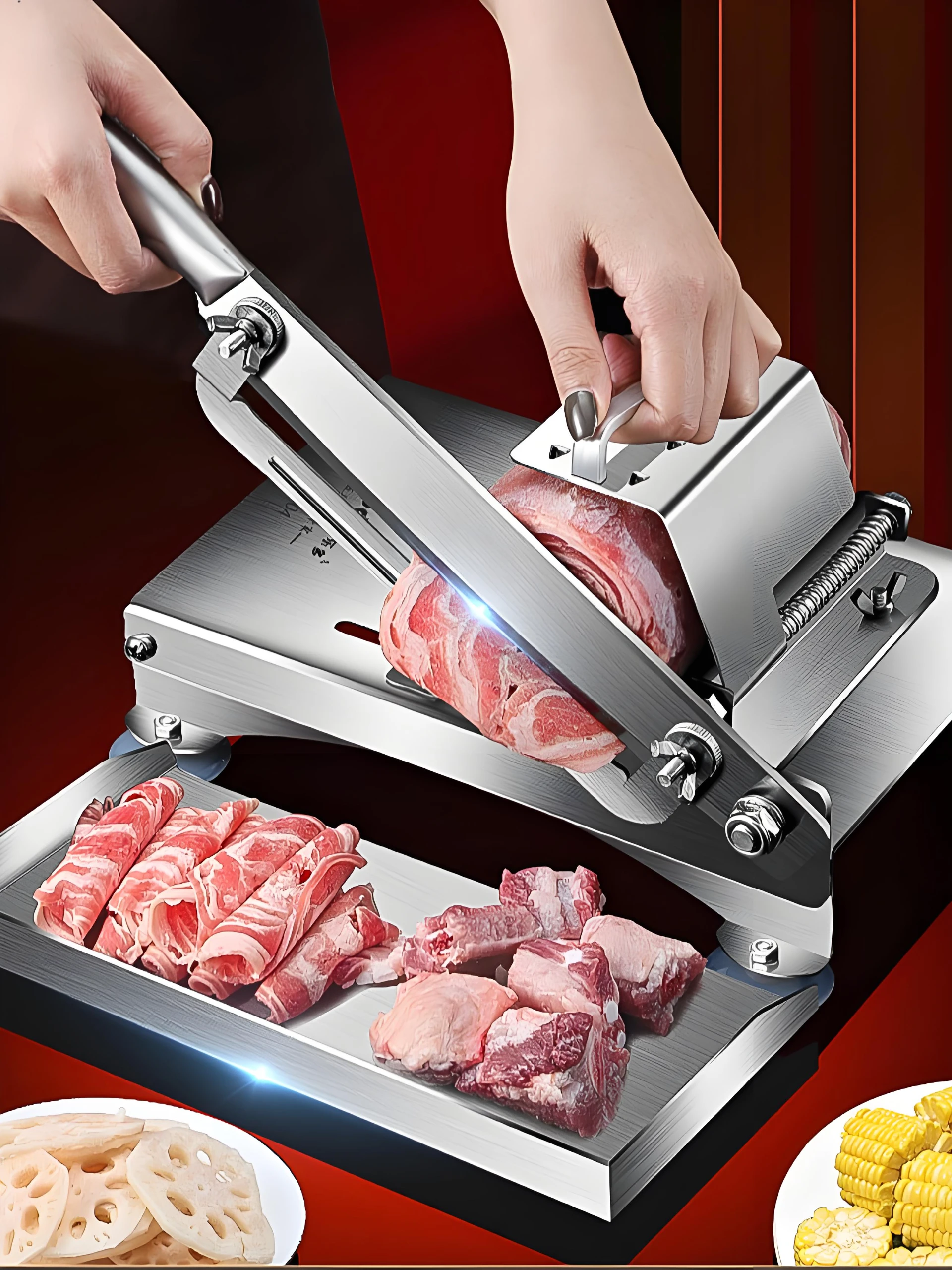
Let's simplify: a 5 meat grinder blade usually refers to a blade with five cutting edges or points which attach inside a meat grinder’s housing to shear meat efficiently against a perforated disk. Sometimes called a “five-petal blade” or “5-cutter,” it’s designed to play the balance between coarse and fine grinding.
Think of it as the difference between chopping herbs roughly and finely mincing them. The blade’s design ensures minimal clogging and smoother operation even with tougher cuts of meat. And in humanitarian aid contexts — like refugee food kitchens or disaster zones — a reliable blade means dependable nutrition delivery.
Mini takeaway: The 5 meat grinder blade combines smart design with practical performance to deliver consistent results in various settings.
Core Components and Features of the 5 Meat Grinder Blade
1. Material Durability
Most 5 meat grinder blades are crafted from stainless steel grades such as 420 or 440C. These materials resist corrosion, maintain a sharper edge, and withstand the rigors of daily use. Frankly, an inferior alloy simply won’t cut it (pun slightly intended) in high-demand environments.
2. Sharpness and Edge Geometry
Five blades arranged symmetrically offer a high cutting surface area without excessive drag. This balance translates to efficient grinding without quickly dulling your blade. Engineers I’ve spoken with often emphasize that the blade’s angle and thickness contribute hugely to its cutting longevity.
3. Compatibility & Fit
Not every grinder takes a 5-cut blade — the blade must match the grinder’s model and shaft diameter. Using an incompatible blade can cause vibration or damage. Most manufacturers provide clear specifications. You can also find multi-compatible designs if you’re replacing parts in mixed kitchen setups.
4. Maintenance Ease
Since blades dull over time, being able to easily remove and sharpen or replace the blade is critical. The 5 meat grinder blade’s shape often allows quick swaps, making daily operation smoother and less time-consuming.
5. Cost Efficiency
While pricier than basic four-edge blades, the 5-blade model provides better overall value by reducing grinding time and maintenance frequency. Over months, many users find this upfront cost justified.
| Specification | Detail |
|---|---|
| Material | Stainless Steel 420 or 440C |
| Number of Blades | 5 (Symmetric design) |
| Compatibility | Various grinder models, shaft diameter matching required |
| Edge Sharpness | Honed at approx. 30 degrees |
| Maintenance | Removable for sharpening; replaceable |
| Average Cost | $15 - $40 depending on brand and size |
Mini takeaway: The 5 meat grinder blade offers a finely tuned design with high-grade materials, optimized sharpness, and practical maintenance features.
Real-World Applications and Global Reach
The 5 meat grinder blade finds its use in diverse scenarios:
- Industrial Meat Processing Plants: These blades speed up throughput while ensuring uniform grind size, critical for product consistency and safety.
- Restaurants and Butcher Shops: The compact design suits moderate grinding tasks while cutting prep time—important for busy kitchens.
- Humanitarian Food Relief: In remote disaster zones, fresh food preparation depends on accessible and reliable equipment. The blade’s sharpness cuts through various meats quickly, making bulk feeding more manageable.
- Small-Scale Farmers: Processing homegrown animals for local markets benefits from the blade’s durability and ease of maintenance.
Regions from North America to Southeast Asia adapt the design to local meat types, including beef, pork, and chicken. Oddly enough, countries with strict hygiene standards often specify grinders equipped with multi-blade options like this for safety.
5 meat grinder blade variants can be customized per region, reflecting different cooking styles and equipment availability.
Mini takeaway: The 5 meat grinder blade’s versatility bridges the gap between industrial capacity and grassroots food production worldwide.
Advantages and Long-Term Value
Beyond the obvious precision cutting, these blades deliver:
- Cost Savings: Less energy consumption due to smooth operation and fewer blade replacements needed over time.
- Sustainability: Extended blade lifespan reduces metal waste and resource use.
- Improved Food Safety: Consistent grind size limits bacterial hotspots, which is a big plus in food hygiene.
- Emotional Satisfaction: I’ve spoken with chefs who say using a quality blade like this “boosts confidence” because it delivers results without hassle — that peace of mind is priceless.
Mini takeaway: The 5 meat grinder blade isn’t just about cuts — it’s a long-term investment in efficiency, safety, and even emotional workflow quality.
Emerging Trends and Innovations
In the realm of grinder blades, we’re seeing fascinating new developments:
- Coatings and Treatments: Nano-ceramic coatings and cryogenic tempering promise sharper edges with even longer lifespans.
- Automation Compatibility: Smart grinders with sensors adapt motor power when a 5 blade is installed, improving energy efficiency.
- Sustainability Policies: Some manufacturers now use recycled metals without compromising quality — part of a greener manufacturing push.
- Customization: Digital designs allow 3D printing blade prototypes for specific meats or textures, cutting prototype times dramatically.
Mini takeaway: The future of 5 meat grinder blades blends tech innovation, sustainability, and customization — exciting times ahead.
Common Challenges and Practical Solutions
Despite its many benefits, the 5 meat grinder blade faces a few hurdles:
- Blade Sharpening Skill: Some users struggle to resharpen without proper tools or technique, risking damage.
- Compatibility Confusion: Using incompatible models leads to vibration or premature wear.
- Cost Sensitivity: Higher upfront cost than basic blades can be a barrier for very small operators.
Experts recommend investing in proper sharpening kits, or using professional sharpening services regularly. Always consult manufacturer specs to check fit before buying. Finally, consider total cost of ownership rather than just initial price: blade life matters.
Vendor Comparison: Choosing the Right 5 Meat Grinder Blade
| Vendor | Material Quality | Price Range | Warranty | Special Feature |
|---|---|---|---|---|
| MechBlades | 420 Stainless Steel, Cryo-treated | $20 - $35 | 1 Year | Optimized edge for food safety |
| BladeCraft | Standard 440C Steel | $15 - $25 | 6 Months | Multi-fit design |
| ProSharp | Ceramic-enhanced coating | $30 - $40 | 2 Years | Extended durability |
FAQ: Practical Questions About 5 Meat Grinder Blades
Q1: How do I know if a 5 meat grinder blade fits my grinder model?
A1: Volume manufacturing has led to many blade sizes, so checking your grinder’s shaft diameter and model specs is key. Most vendors provide compatibility charts. If in doubt, measure your existing blade or consult the manufacturer’s manual.
Q2: How often should I sharpen a 5 meat grinder blade?
A2: Frequency depends on use but typically every 6-8 weeks for commercial kitchens. Signs you need sharpening include slower grinding and uneven texture. Regular sharpening extends blade life and ensures safety.
Q3: Can a 5 meat grinder blade be used for vegetables or non-meat items?
A3: While possible for some soft vegetables, it’s best designed for meat textures. Hard or fibrous veggies may dull edges quicker and aren’t recommended.
Q4: What advantages does a 5-blade design have over the 4-blade option?
A4: The extra cutting edge balances grind texture outcome — smoother results without sacrificing speed, plus less strain on motors due to efficient blade geometry.
Q5: Is it worth investing in higher-priced cobalt or ceramic blades?
A5: For some high-volume processors, the extended life and reduced downtime can justify it. For smaller operations, good-quality stainless steel like the 5 meat grinder blade generally suffices.
Conclusion: Why the 5 Meat Grinder Blade Is a Wise Choice
In sum, the 5 meat grinder blade is more than a metal piece turning inside a grinder—it’s a bridge between industrial efficiency, food safety, and everyday cooking satisfaction. Its balanced design, reliable material quality, and wide application make it an essential for anyone serious about meat processing.
When you invest wisely in such components, you’re not just buying a spare part — you’re affirming a commitment to quality, sustainability, and your craft.
Curious to see which 5 meat grinder blade fits your needs? Visit our website at https://www.mechblades.com for expert advice and a great product range.