Alloy Blades: The Unsung Heroes of Industrial Cutting
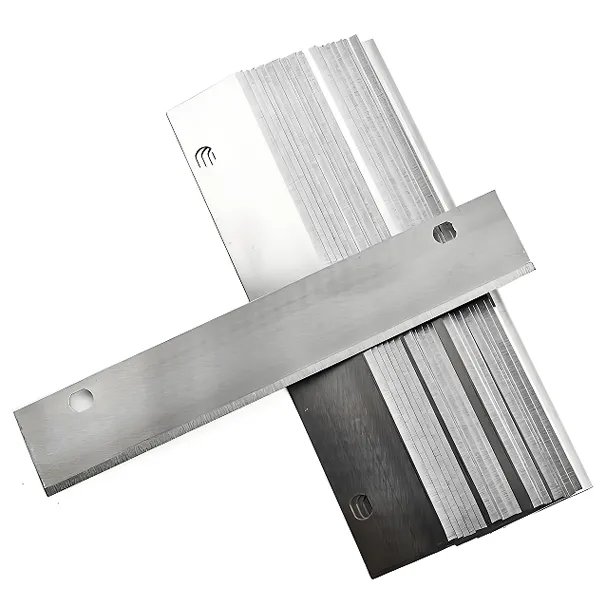
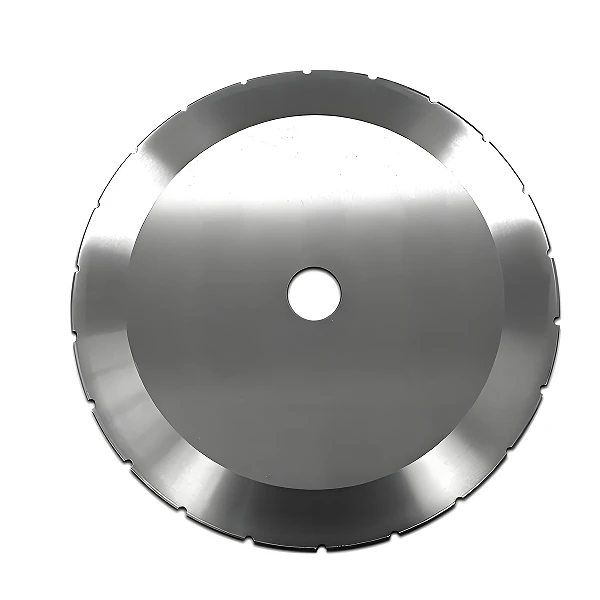
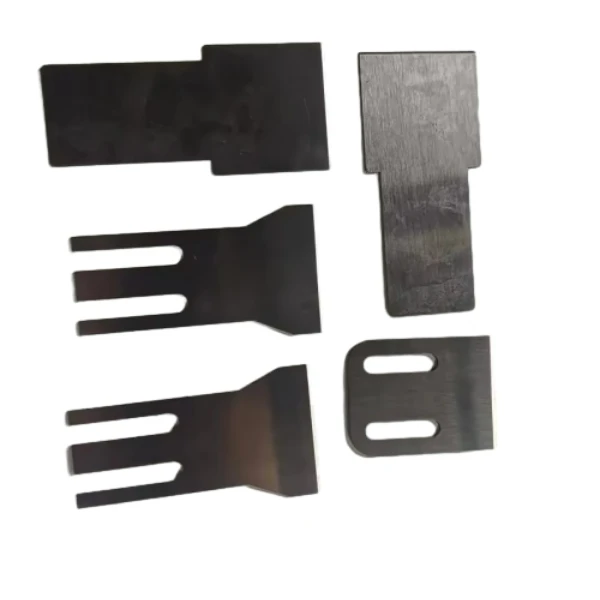
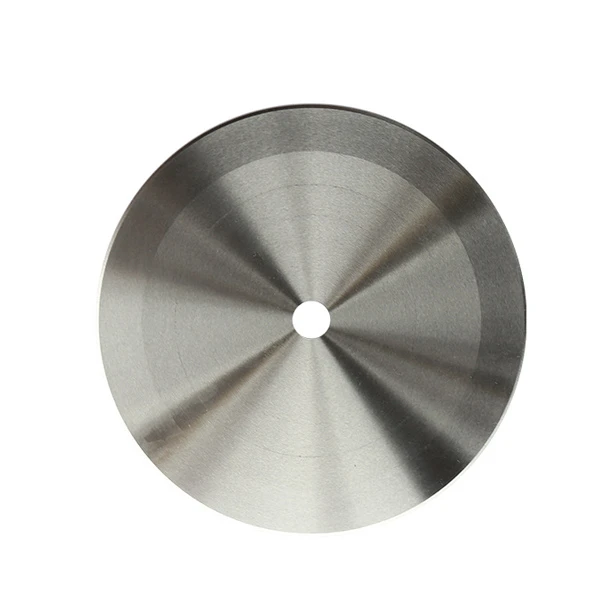
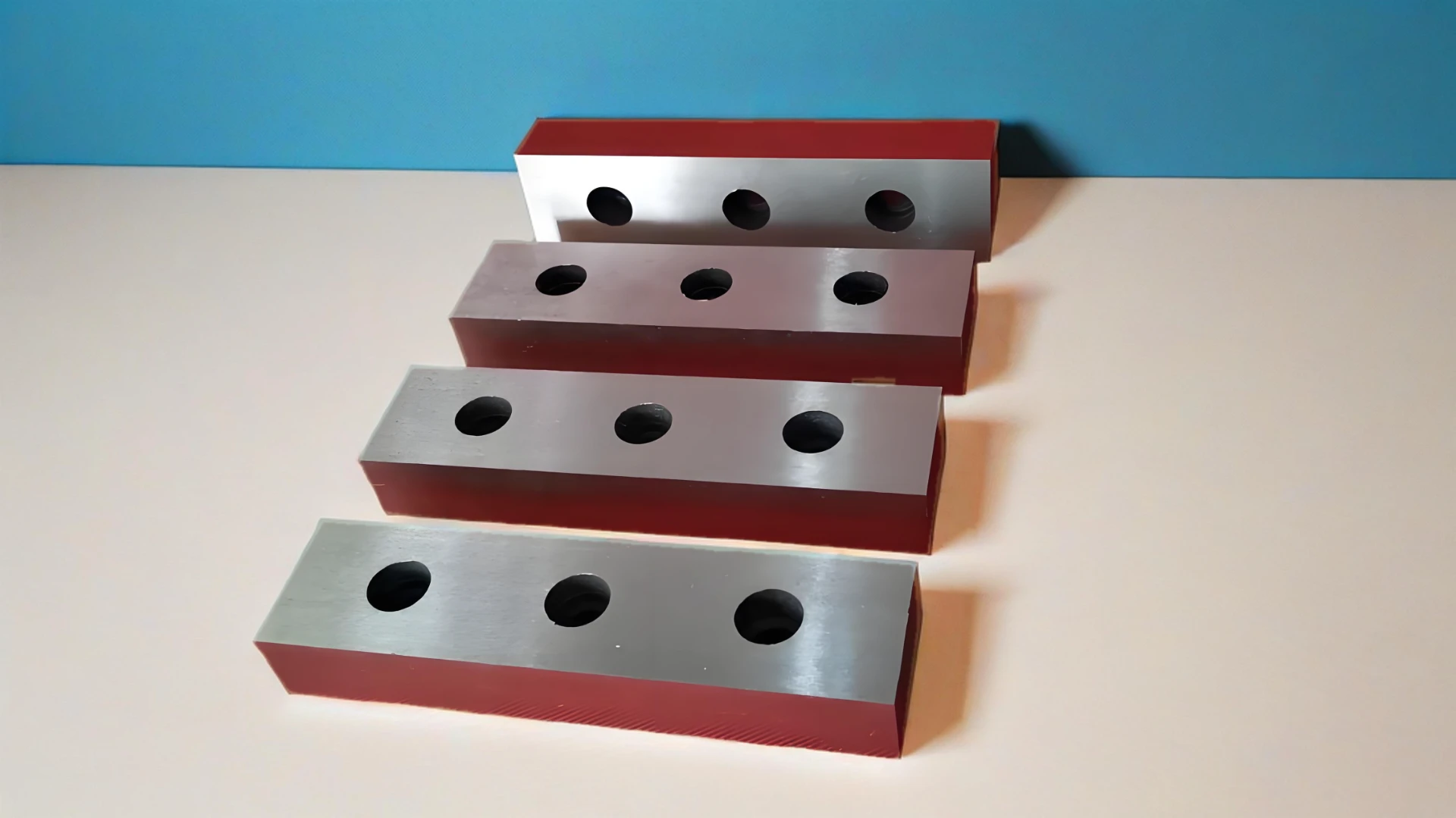
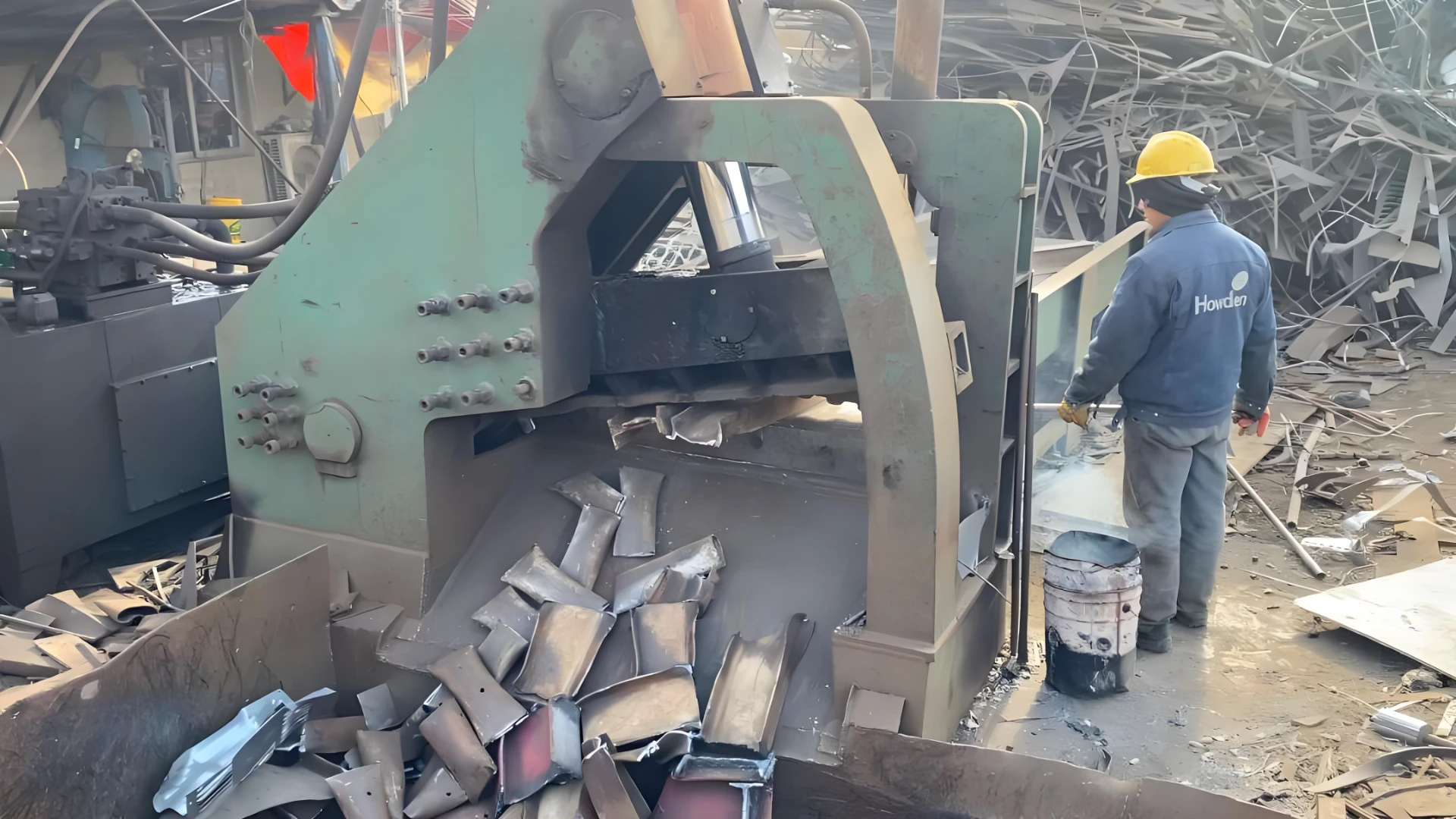
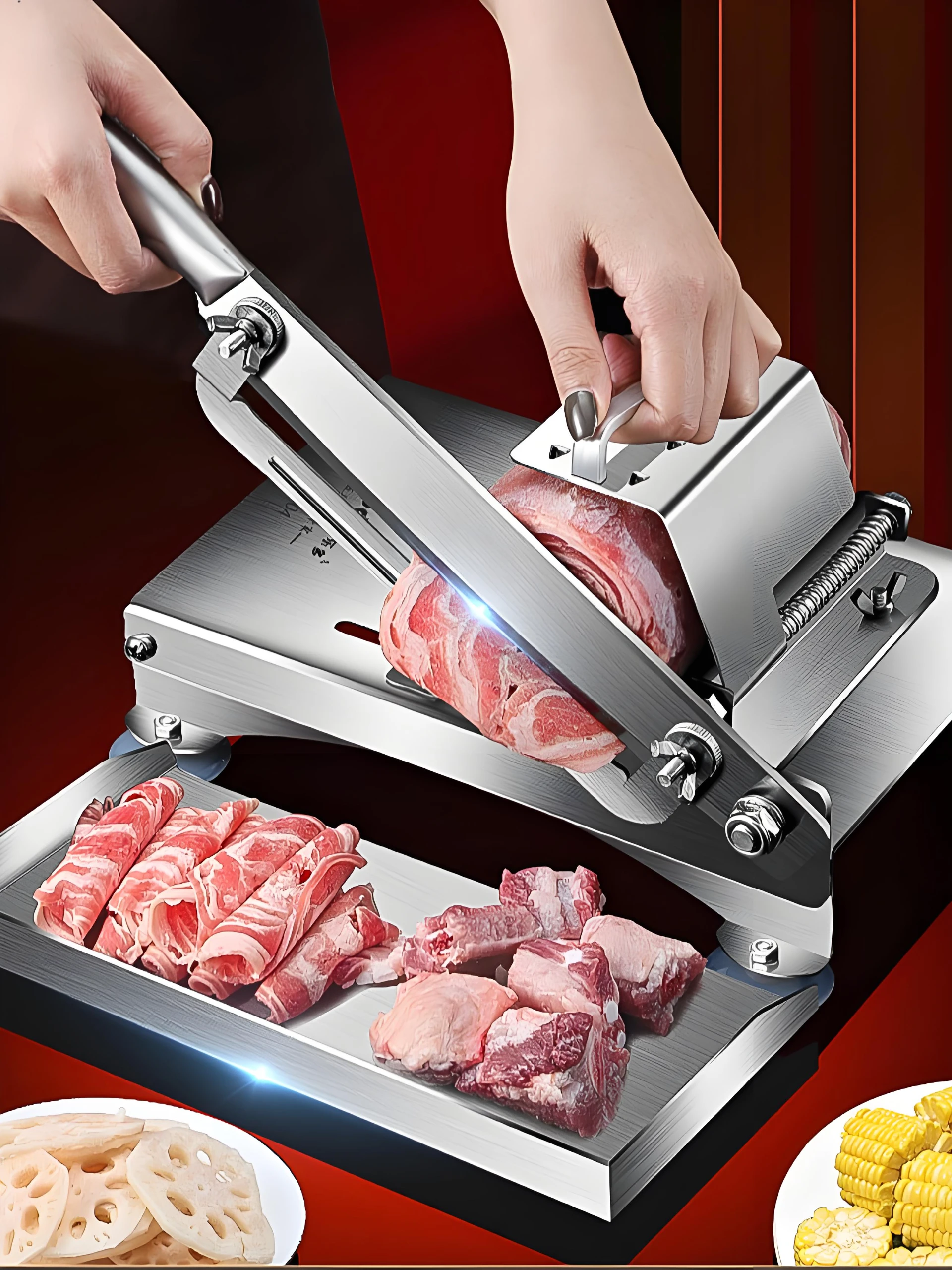
Having spent a fair bit of time around industrial equipment—especially cutting tools—I've grown to appreciate just how crucial alloy blades really are. You know, those sharp, tough edges that slice through metal, wood, or composites without a hitch. Alloy blades might not get the spotlight like some high-tech gadgets, but frankly, without them, a lot of manufacturing processes would grind to a halt.
What sets alloy blades apart is their blend of materials—usually high-carbon steel coupled with chromium, vanadium, or sometimes even cobalt. This mix isn't just random; it’s carefully designed to balance hardness, wear resistance, and flexibility. In real terms, those blades can deal with crazy heat spikes and abrasive materials without losing their edge. I remember a facility I worked at that switched out their old blades for an upgraded alloy version — suddenly downtime dropped significantly, just because the blades lasted longer and required less sharpening.
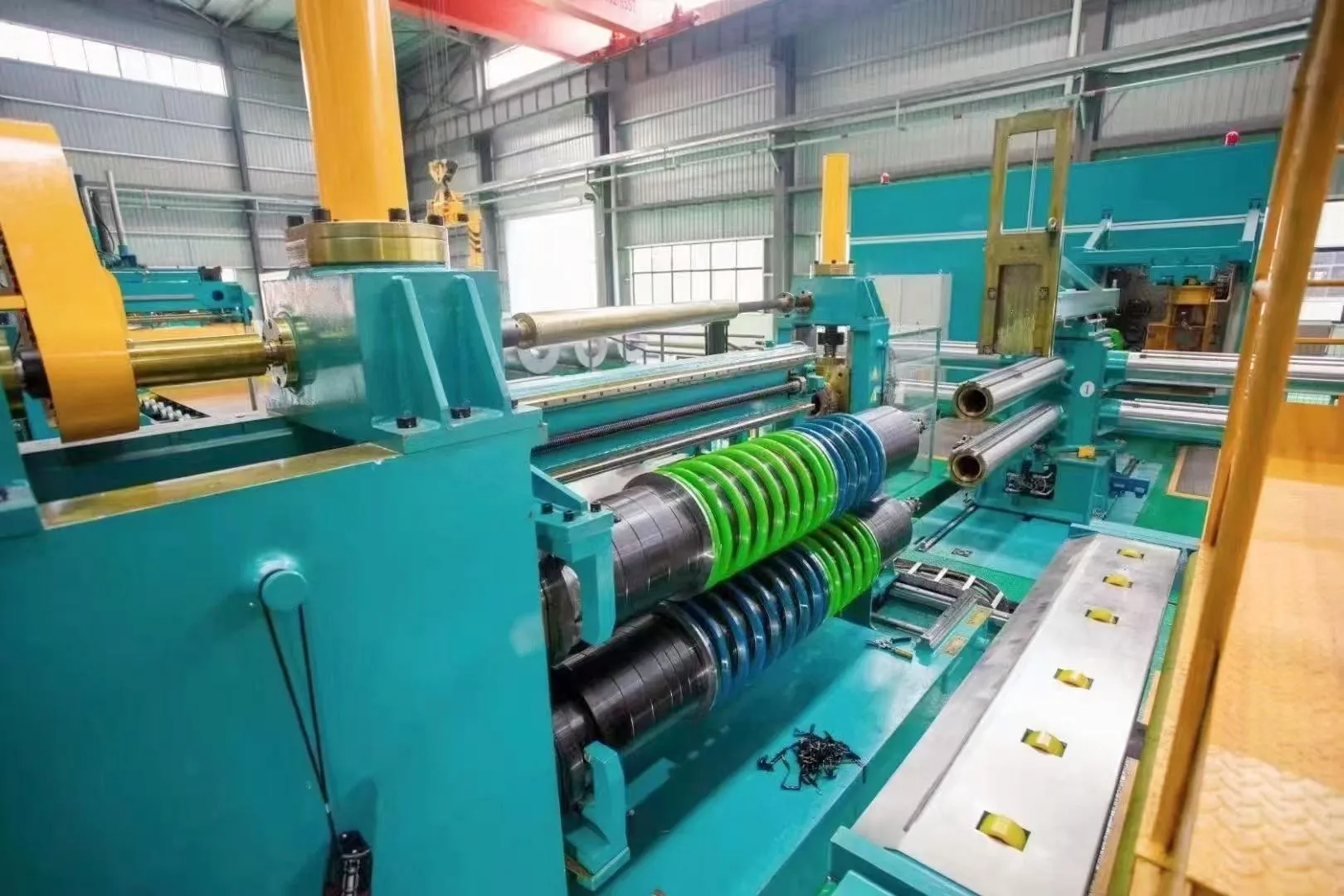
Oddly enough, despite all the progress in equipment automation, the key to a smooth cut often comes down to blade quality. I’ve seen engineers spend hours tweaking machine settings, only to realize a subpar blade was the bottleneck. That’s why choosing the right alloy blade is always a mix of experience, understanding the material you’re cutting, and sometimes a bit of trial and error.
Here’s a quick overview of typical alloy blade specs you might come across in industrial settings:
| Specification | Typical Range |
|---|---|
| Material Composition | High-carbon steel, Chromium (12-18%), Vanadium (0.1-0.3%), Cobalt (optional) |
| Hardness (HRC) | 58-66 |
| Blade Thickness | 2mm to 10mm |
| Max Operating Temperature | 400°C to 600°C |
| Typical Use Cases | Metal cutting, woodworking, plastics, composites |
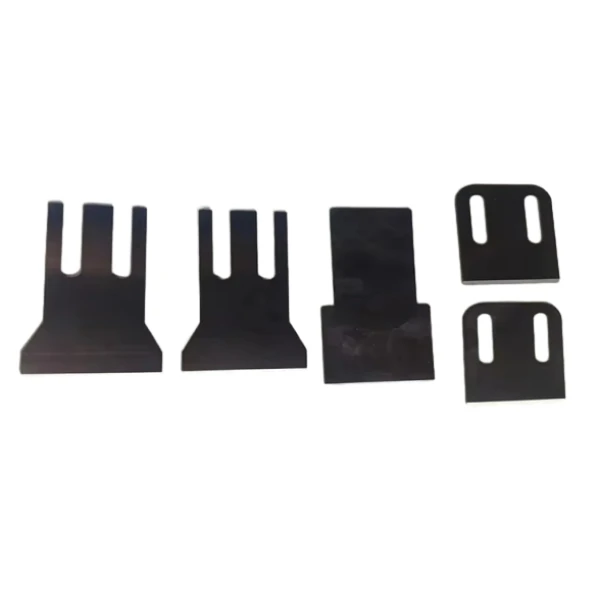
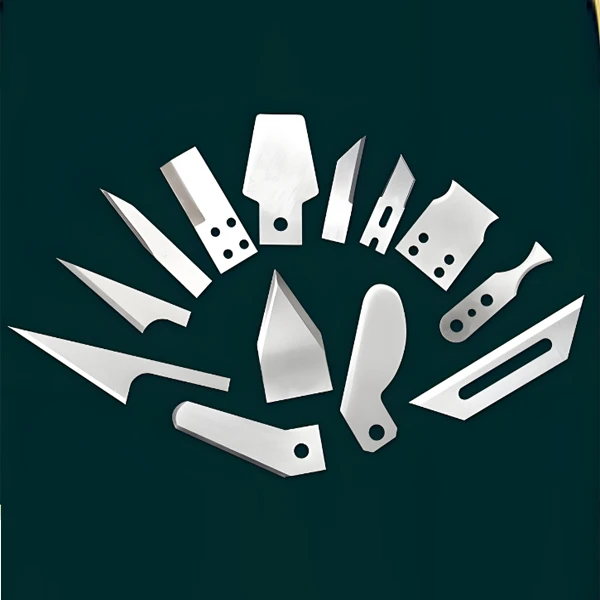
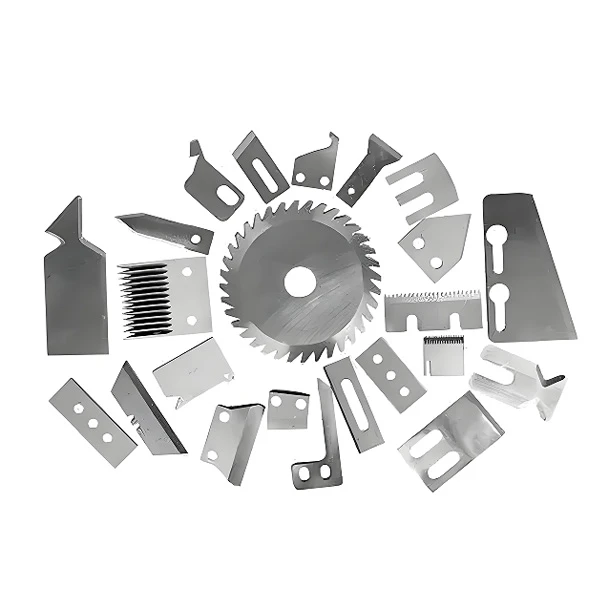
Customization, frankly, has become a big deal in alloy blades. Because no two industrial jobs are quite the same, vendors often offer tailored options—different coatings, tooth geometry, and heat treatments—to optimize performance. For example, I once saw a blade supplier adjust the vanadium content to improve grit resistance specifically for abrasive materials in a mining application. It’s those little tweaks that can save thousands in production costs over time.
To give you a feel for the landscape, here’s a quick comparison of three notable alloy blade vendors I’ve noticed over the years. These are by no means exhaustive but give a practical snapshot of what to expect:
| Vendor | Material Quality | Customization Options | Typical Lead Time | Price Range |
|---|---|---|---|---|
| MechBlades | High carbon + alloy mix, rigorous QC | Extensive; coatings, tooth form, sizing | 2-3 weeks | Mid to high |
| BladeCraft | Medium carbon steel, moderate QC | Limited, mostly standard sizes | 1-2 weeks | Low to mid |
| CutMax | Premium alloys, advanced heat treatment | Custom alloys and coatings available | 3-4 weeks | High-end |
You might wonder which to pick? I suppose it boils down to your operational needs: budget, turnaround time, and how specialized your cutting is. From what I've seen, MechBlades hit a nice balance of quality and customization, which explains why many engineers I know swear by them.
The bottom line is that while the blade is a somewhat “quiet” player, its quality reflects heavily on overall productivity. In my experience, investing in premium alloy blades often saves money and headaches down the line—and there's something satisfying about a crisp cut executed with precision. After all, a dull blade doesn't just slow things down; it risks safety and finish quality, which nobody wants on the floor or in the field.
I’ll leave you with this: the next time a saw or cutter hums along cleanly, think a moment about the alloy blade inside. It’s doing a lot more than just spinning.
References:
1. Industrial Cutting Tools Handbook, 5th Ed., 2022
2. “Optimizing Alloy Composition for Cutting Tools,” Metalworking Journal, March 2023
3. Interview notes from onsite visits, various manufacturers, 2021-2023