The Role of the Mincer Machine Blade: Why It Matters in Industrial & Global Contexts
At first glance, a mincer machine blade might sound like just another industrial component tucked away in a corner of a factory. But if you pause and consider its function – the fine slicing, dicing, and pulverizing of materials – its importance becomes clear. These blades not only keep food processing plants humming but also enable important manufacturing workflows in industries ranging from pharmaceuticals to waste recycling. Globally, the demand for reliable mincer blades reflects a broader push for efficiency, safety, and sustainability in production lines.
Understanding what makes a mincer machine blade tick can reveal much about how modern factories optimize productivity while minimizing downtime and waste. And frankly, it’s these blades that often quietly keep large supply chains moving — more than we usually realize.
Why the mincer machine blade Matters Globally
You might wonder, “How significant can a blade be on a worldwide scale?” Well, according to the Food and Agriculture Organization of the UN, approximately one-third of food produced globally is lost or wasted, much of which ties back to processing inefficiencies. While not the sole factor, sharp and durable mincer blades help food processors reduce waste by ensuring consistent product quality and minimizing mechanical failures.
Beyond food, ISO standards for machine safety and hygiene emphasize high-grade cutting tools that meet strict durability and sanitation criteria. In developing economies, reliable mill and mincer blades provide vital support for small to medium enterprises — mills processing grains, or processors preparing animal feed, for example — ultimately supporting livelihoods and local food security.
It’s this mix of industrial scale and grassroots relevance that makes the mincer machine blade a surprisingly important, albeit underrated, player on the global stage.
Mini Takeaway:
- Mincer blades contribute materially to reducing waste and boosting efficiency.
- They adhere to global safety and hygiene standards crucial across industries.
- Support local economies and the large-scale food industry alike.
Defining the Mincer Machine Blade: What Are We Talking About?
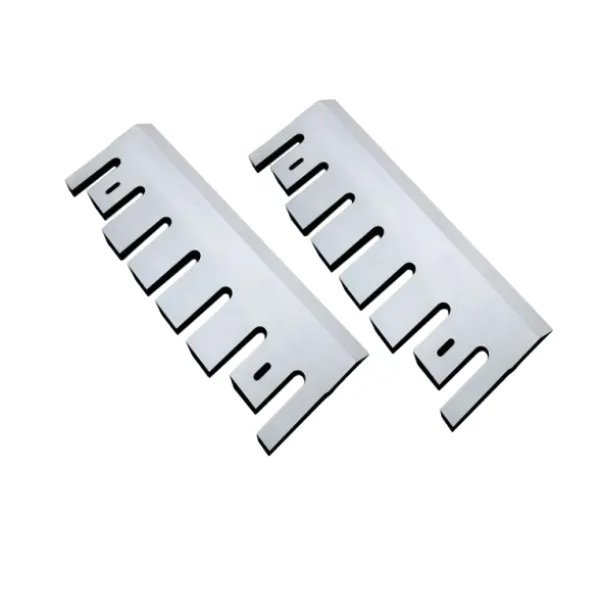
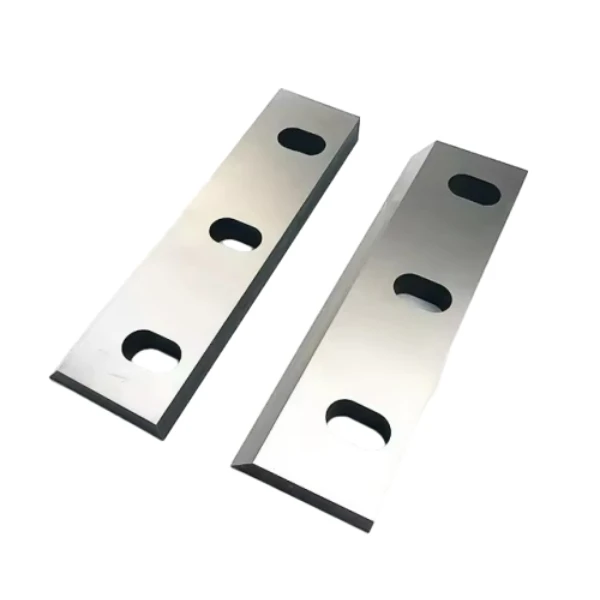
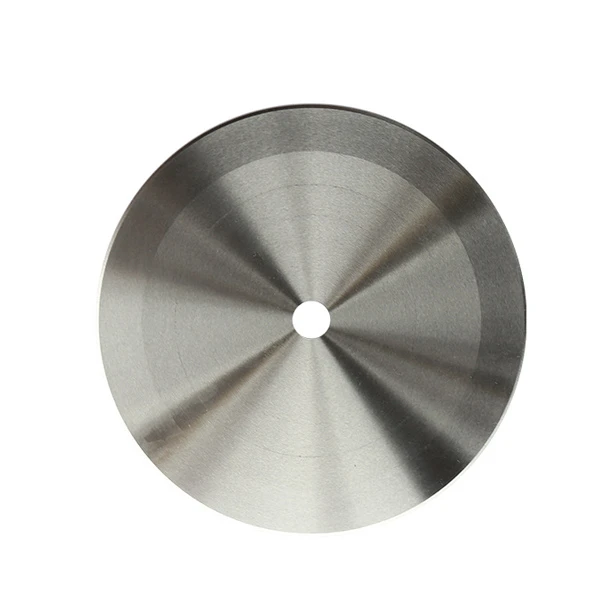
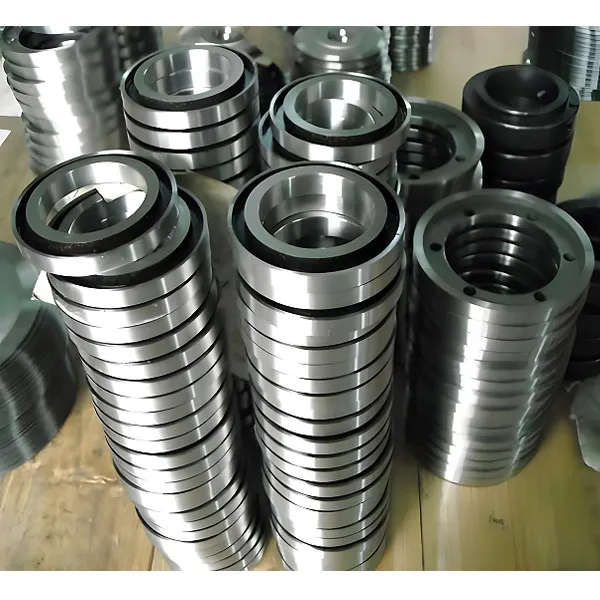
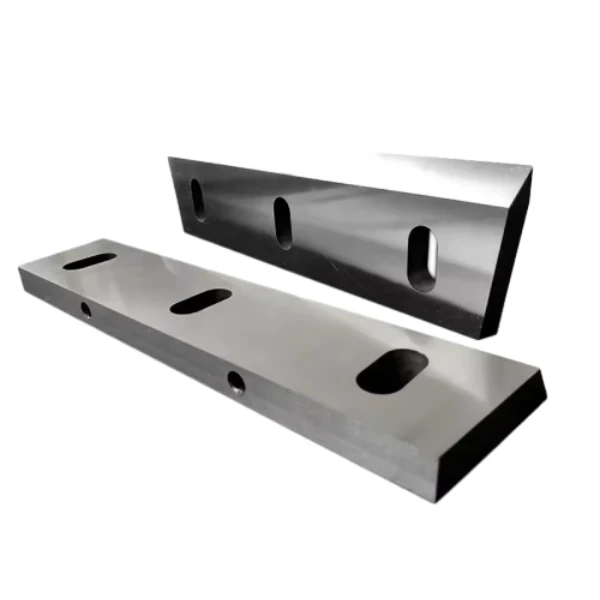
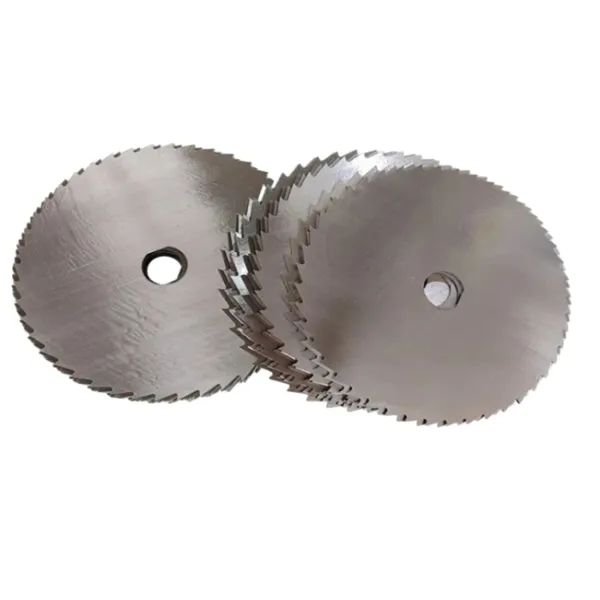
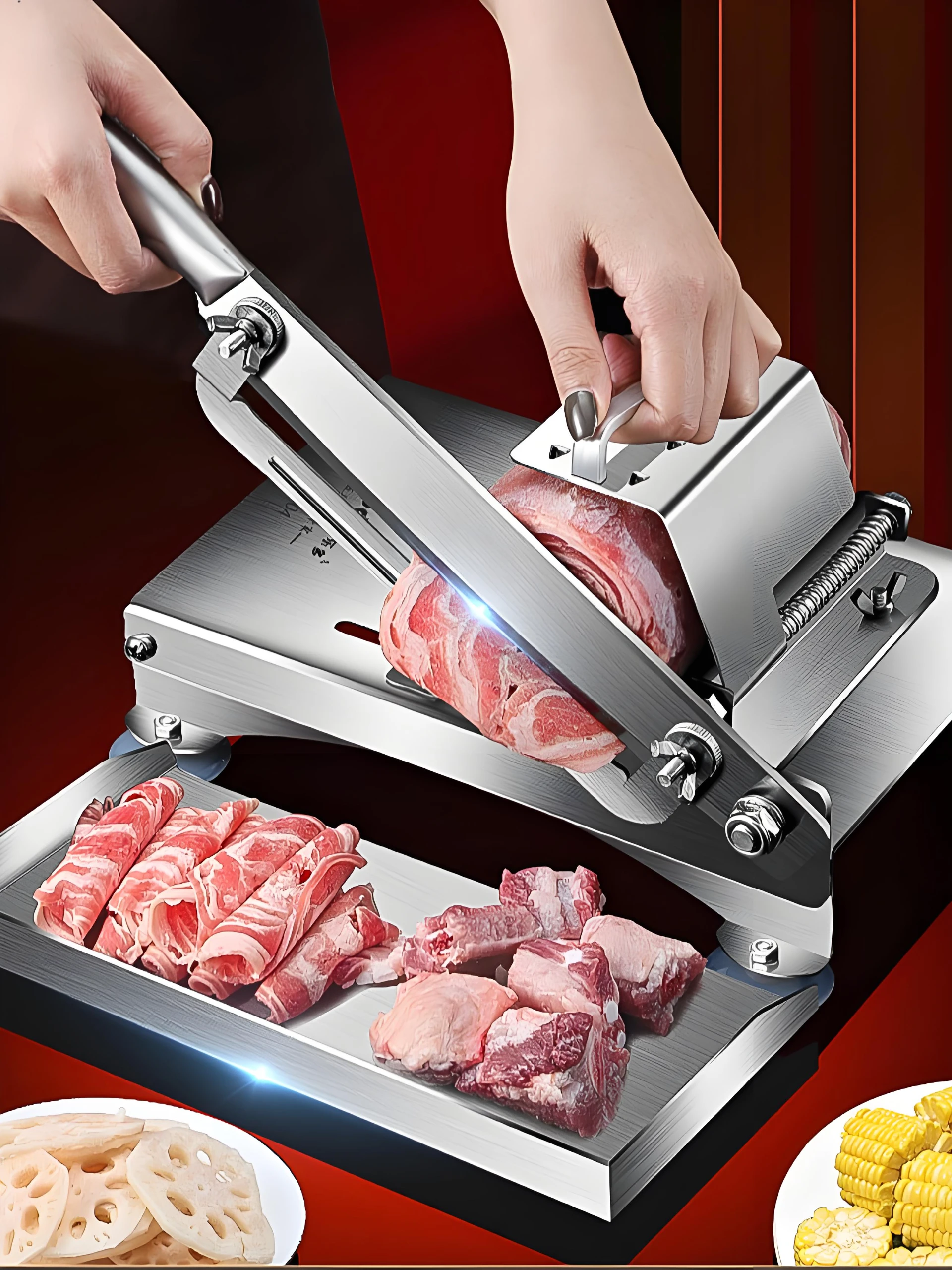
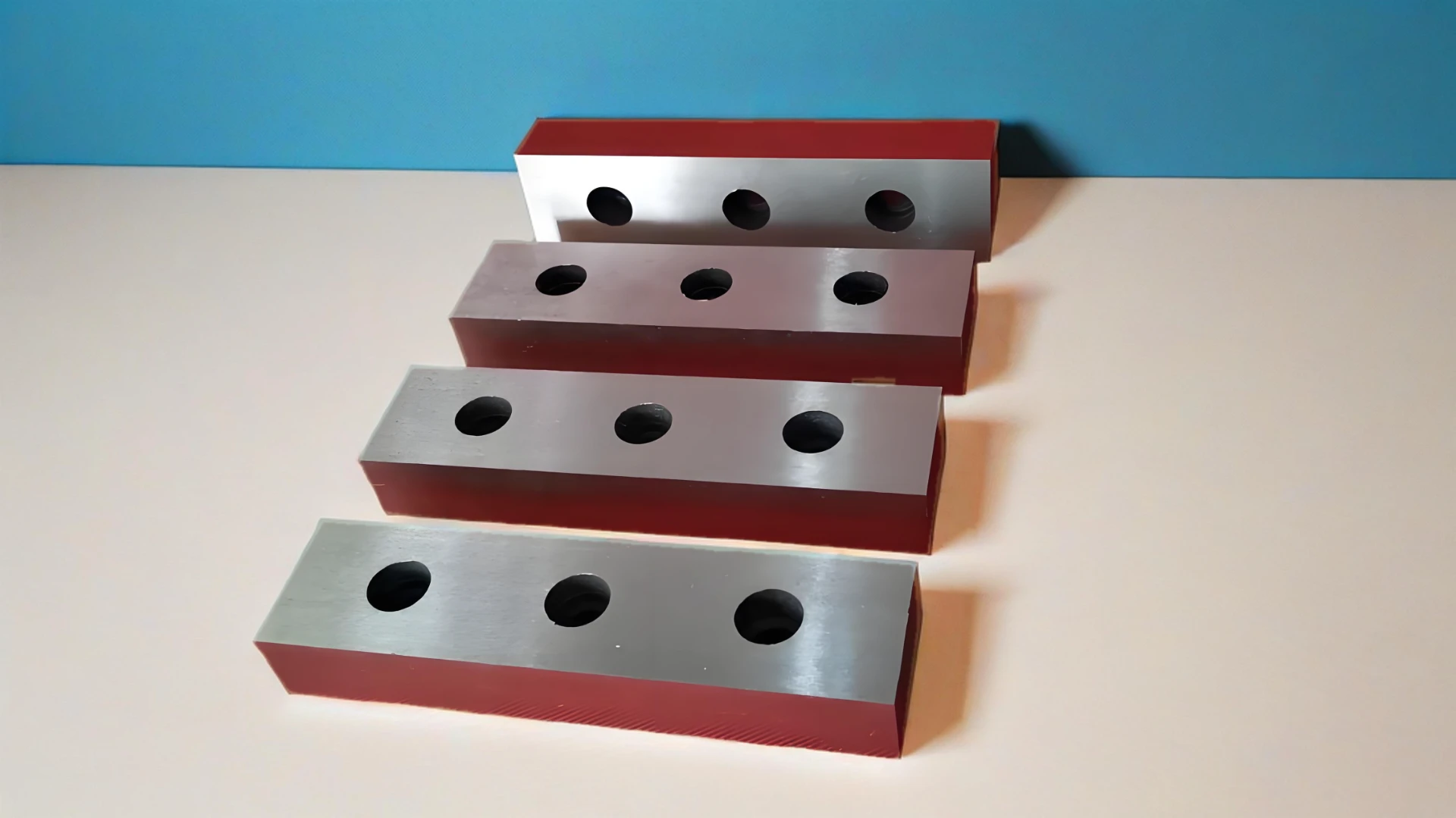
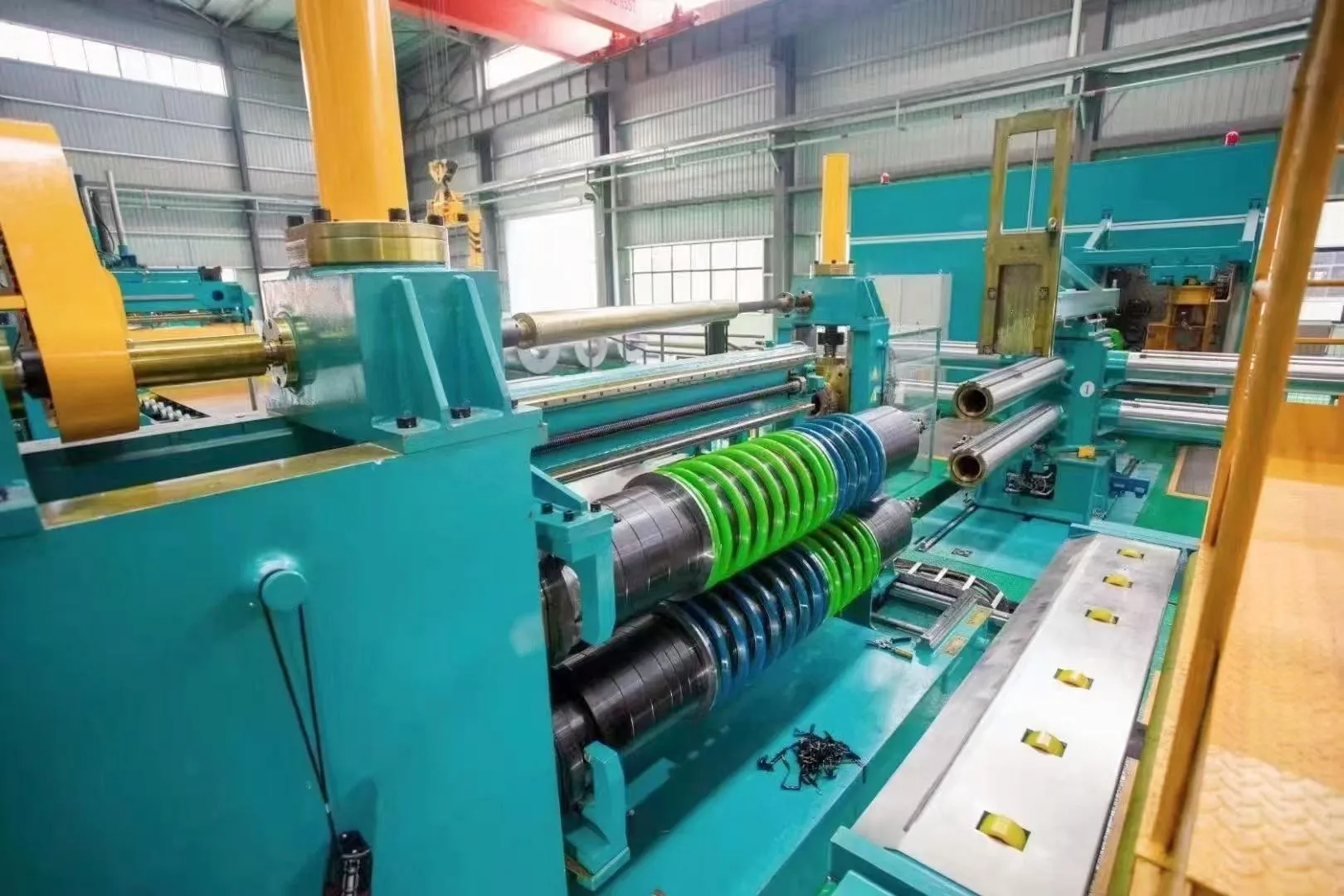
Simply put, a mincer machine blade is a specialized cutting tool designed to finely chop or grind raw materials. Formed from hardened steel alloys or sometimes coated with special materials for wear resistance, these blades fit into larger mincing machines or grinders. Their job is to shear material — be it meat, vegetables, grains, or synthetic materials — into smaller, uniform pieces, allowing for easier handling or further processing.
In context, these blades are the heart of mincers in food factories, pharmaceutical production lines where raw compounds require precise fragmenting, and even recycling plants that break down plastics or rubber. Their finely honed edges and precise engineering mean the difference between smooth operation and expensive downtime.
Core Components and Considerations for Mincer Machine Blades
1. Durability & Material Quality
Industries demand blades that keep their edge after continuous use. Typically, blades are crafted from stainless steel grades like 420 or 440C, sometimes with cryogenic treatment to enhance hardness. A blade’s lifespan hinges on resisting corrosion, abrasion, and sometimes chemical exposure. Many engineers swear by coatings like titanium nitride to provide that extra toughness.
2. Sharpness & Cutting Precision
Blade geometry matters: edge angle, thickness, and tooth design all control how material flows through the mincer. Sharpness isn’t just about slicing; it affects output uniformity and energy consumption. Blades that dull quickly can cause overheating, product quality deterioration, and increased maintenance costs.
3. Hygiene & Cleanability
A lot of mincer blades operate in sensitive environments. The FDA and European food safety authorities require frequent sanitation. Blades must be designed for easy cleaning with no crevices where bacteria could harbor. Stainless steel’s non-reactivity helps, but so does smart blade design — smooth surfaces and quick release fittings.
4. Cost Efficiency & Availability
Blades need to balance upfront cost with operational savings. Cheaper blades might wear faster, leading to frequent replacement—and sometimes hidden costs in downtime. Conversely, premium blades improve uptime and product yield but can make budgeting tight, especially in smaller operations.
5. Customization & Compatibility
Every mincer model isn’t the same. Some blades are standard sizes, others custom-engineered for unique material types or machine geometries. Tailored blades ensure optimal performance but can increase lead times and require better vendor relationships.
Mini Takeaway:
- Durability and sharpness directly impact production costs.
- Cleanability is critical for food and pharma-grade blades.
- Customization enables better matching to specialized equipment.
Product Specification Overview: Example Mincer Machine Blade
| Specification | Details |
|---|---|
| Material | Hardened Stainless Steel 440C, Cryo-treated |
| Blade Diameter | 150 mm |
| Cutting Edge Design | Double bevel, serrated edge |
| Coating | Titanium Nitride (TiN) |
| Compatibility | Fits major industrial mincers (Model X, Y, Z) |
| Expected Lifespan | Up to 12 months with continuous operation |
Global Applications & Use Cases for Mincer Machine Blades
Mincer machine blades pop up in all sorts of scenarios around the world. Food processing hubs in Europe rely on them for bakery dough preparation and meat processing. In Southeast Asia, feed mills grind agricultural by-products into livestock feed, supporting rural communities.
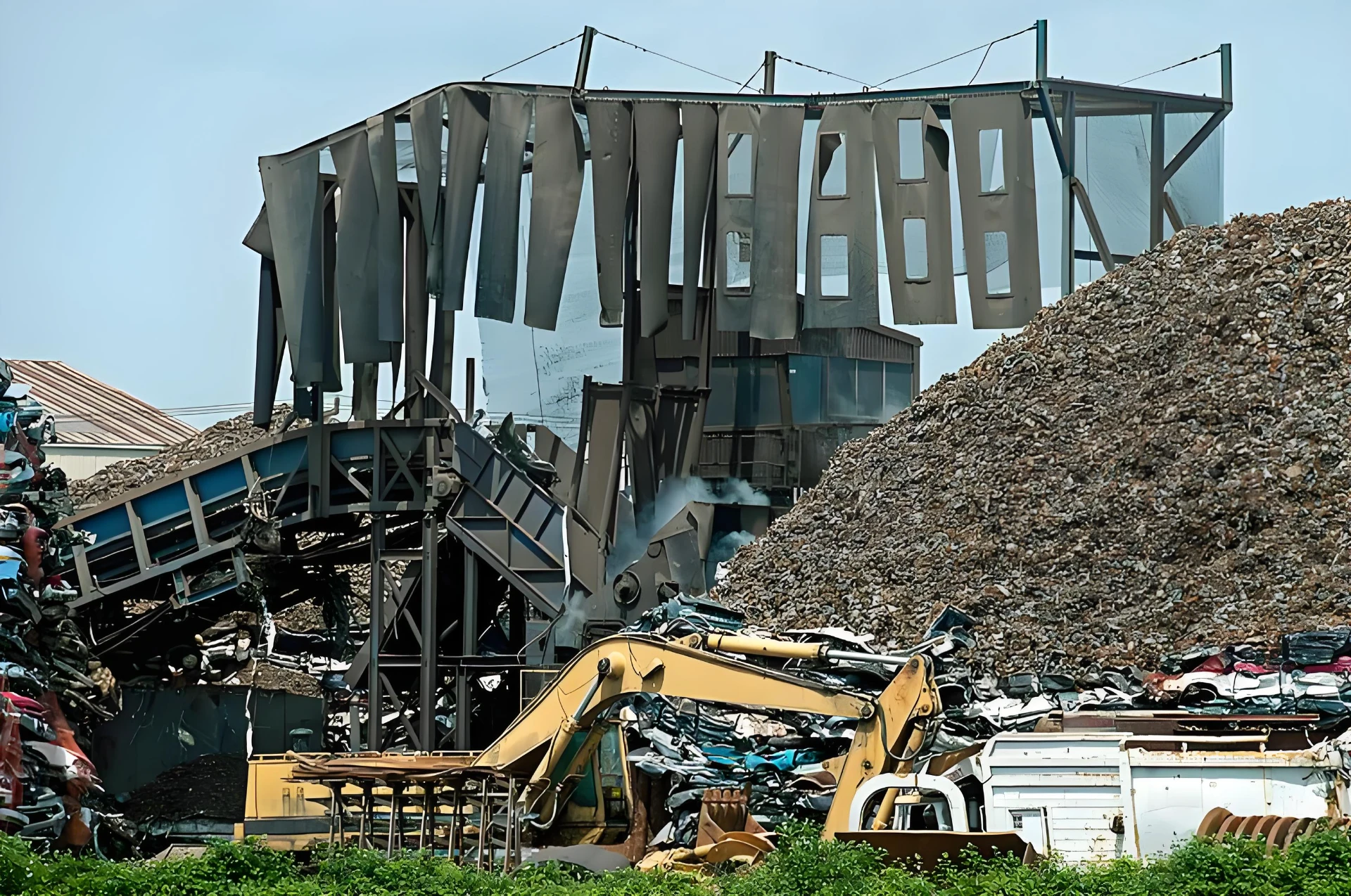
Oddly enough, you’ll also find these blades in humanitarian aid contexts — post-disaster food prep or pharmaceutical compounding where precise particle size affects dosage consistency. Even automotive recycling, where shredded plastics require uniform particle distribution, involves mincer blades of a specialized sort.
In African rural zones, where infrastructure limits large-scale processing, reliable mincer blades fitted to smaller grinders support sustainable local economies, helping farmers add value to their crops.
Mini Takeaway:
- Used across diverse industries from food to pharma to recycling.
- Essential in both high-tech factories and low-infrastructure rural settings.
- Play a part in humanitarian aid and sustainable development efforts.
Vendor Comparison: Popular Mincer Machine Blades Suppliers
| Supplier | Material Quality | Customization | Price Range | Industry Focus |
|---|---|---|---|---|
| MechBlades Co. | Premium 440C Cryo-treated | High – Custom designs available | $$$ | Food & Pharma |
| GrindTech Solutions | Stainless Steel 420 | Medium – Standard sizes mostly | $$ | Agriculture & Recycling |
| BladePro Inc. | Coated Carbon Steel | Low – Stock products only | $ | General Industrial |
The Advantages & Long-Term Value of High-Quality Mincer Machine Blades
What’s ultimately attractive about investing in a durable, sharp mincer machine blade? For one, it drives reliability across production lines, reducing costly downtime. And when the blade performs as expected, product consistency improves, which means less waste and higher customer satisfaction.
There's also an emotional dimension. Operators feel more confident when blades don’t fail halfway through a shift — that peace of mind translates into better work environments. On the sustainability front, longer-lasting blades reduce scrap metal waste, aligning with circular economy efforts. This doesn’t seem glamorous but it matters, especially as companies face increasing pressure to operate green.
So it’s a win-win: financially and ethically. Innovation in blade technology is, oddly enough, quietly reshaping how industries approach both efficiency and social responsibility.
Emerging Trends and Innovations Shaping the Future of Mincer Blades
We’re starting to see blades made with advanced metallurgy — nano-structured surfaces that reduce friction, or ceramic hybrids for extreme wear resistance. Manufacturers are also integrating IoT tech for real-time blade condition monitoring, alerting maintenance teams before problems arise.
Automation complements blade design too. Smart mincers can adjust blade speed and pressure dynamically to optimize milling based on the material’s properties — cutting energy use and improving yield. And yes, environmental sustainability is spurring the use of bio-based lubricants and recyclable blade materials.
Challenges & Solutions in Mincer Machine Blade Use
Despite advances, issues persist. Blade dulling remains a headache, especially with abrasive or frozen materials. Cleaning protocols can be haphazard in smaller plants, risking contamination. Plus, supply chain delays sometimes limit access to custom blades.
Experts recommend routine blade sharpening schedules combined with predictive maintenance analytics. There’s also a growing trend to design blades with quick-release systems, making sanitation and replacement easier. Partnerships with trusted suppliers who can deliver tailored solutions fast help mitigate procurement risks.
FAQ: Frequently Asked Questions About Mincer Machine Blades
- Q: How do I know when a mincer blade needs to be replaced?
- A: Signs include a drop in processing speed, inconsistent product size, or visible edge wear. Routine inspection and monitoring machine load can help determine optimal replacement times, typically every 8–12 months in heavy use.
- Q: Can I use one blade type for different materials?
- A: Generally, blades are optimized for specific materials — meat, vegetables, plastics — because cutting resistance varies. Using a blade outside its design specification can shorten its life and lower performance.
- Q: Are custom blades worth the extra cost?
- A: If your operation requires precise cut quality or unique materials, custom blades often improve efficiency and reduce waste, paying for themselves over time. For standard processing, stock blades may suffice.
- Q: What maintenance does a mincer blade require?
- A: Regular sharpening, cleaning to prevent contamination, and inspection for cracks or corrosion are key. Some advanced blades feature coatings that reduce the frequency of maintenance needed.
- Q: How can NGOs or small businesses source quality mincer blades?
- A: Look for vendors who offer flexible ordering quantities, support international shipping, and provide technical assistance. Online platforms and specialized suppliers like MechBlades can be great starting points.
In Conclusion: Why Mincer Machine Blades Deserve Attention
In the grand scheme of industry and manufacturing, mincer machine blades are small components with outsized influence. They affect efficiency, product quality, worker confidence, and ultimately the sustainability of operations. Investing in quality blades and knowing their lifecycle intricacies pays dividends across the board — from local food processors in Ghana to multinational pharmaceutical plants in Germany.
For anyone interested in bolstering operational performance and embracing innovation, exploring the right mincer blade solutions is a smart move.
Ready to upgrade your production line? Visit MechBlades for premium mincer machine blades crafted for efficiency and durability.