The Unsung Heroes of Food Processing: Meat Grinder Cutter Blades
Ever paused to think what makes your ground beef, sausage, or even pet food so consistently fine and fresh? It’s not just the recipe or the machine, but something that tends to fly under the radar: the meat grinder cutter blades. These blades are pivotal in turning chunks of meat into uniform mince, a process crucial to countless industries around the world — from food production factories in Europe to local butcher shops in Asia. But why should you care about these blades? Well, getting familiar with them means better quality, improved hygiene, and longer-lasting equipment, all of which are significant not only to businesses but also to consumers globally.
Mini takeaway: Meat grinder cutter blades, humble as they sound, have a massive impact behind the scenes of the global food supply chain.Why Meat Grinder Cutter Blades Matter on a Global Scale
In 2022, the global meat processing industry was valued at roughly 250 billion USD and is expected to grow steadily (FAO, 2023). That growth brings rising demand for efficient and durable equipment components—specifically grinder blades. The United Nations’ Food and Agriculture Organization (FAO) emphasizes the need for sustainable and hygienic meat processing technologies to reduce waste and foodborne illnesses worldwide.
But here’s the catch: poorly designed or worn-out blades lead to inconsistent grinding, overheating, and contamination risks. In developing countries especially, where mechanized processing is on the rise but maintenance knowledge might lag, the choice of cutter blades can be the difference between a safe product and one prone to spoilage.
Mini takeaway: The right blades help tackle global food safety challenges and contribute to sustainable meat production.What Exactly Are Meat Grinder Cutter Blades?
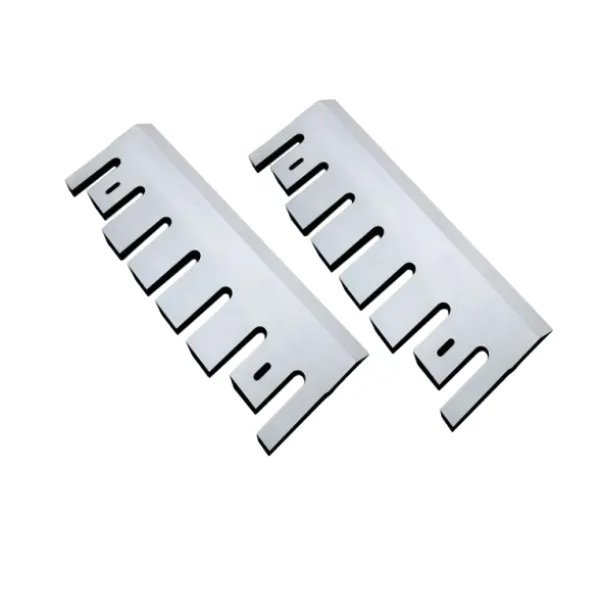
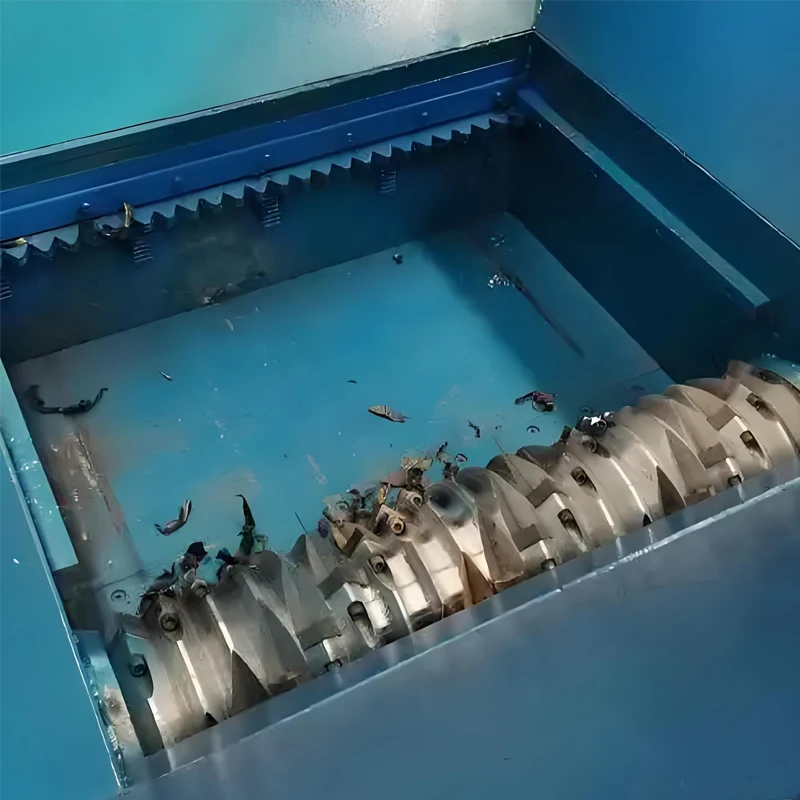
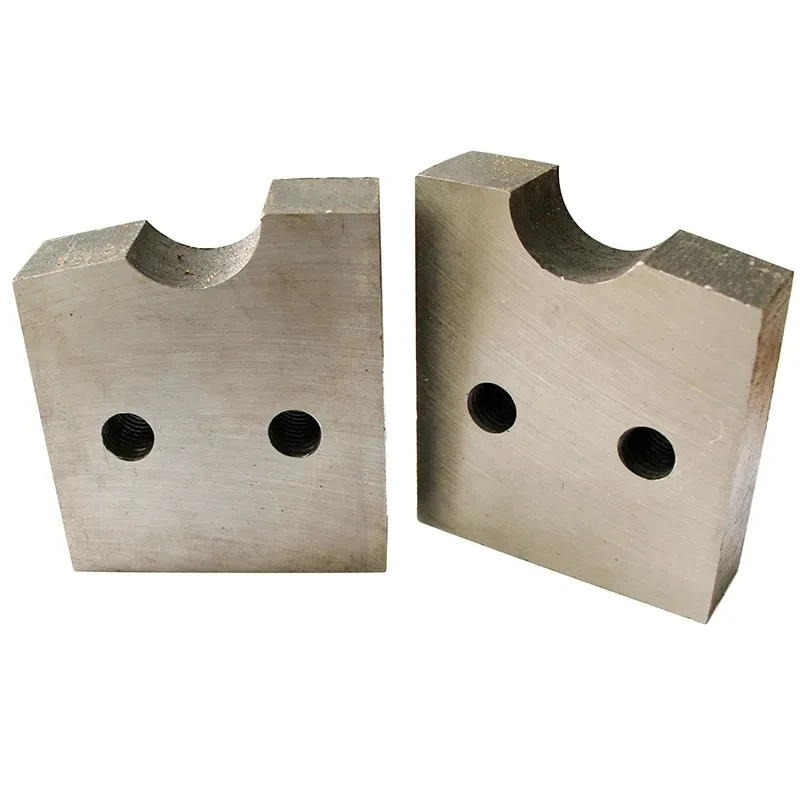
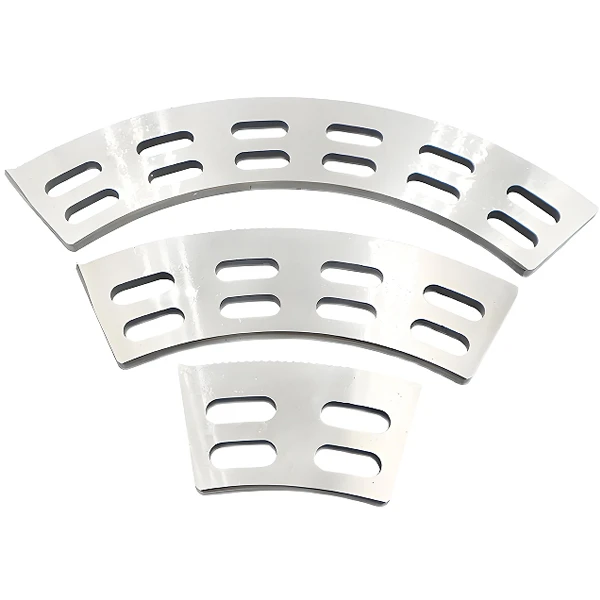
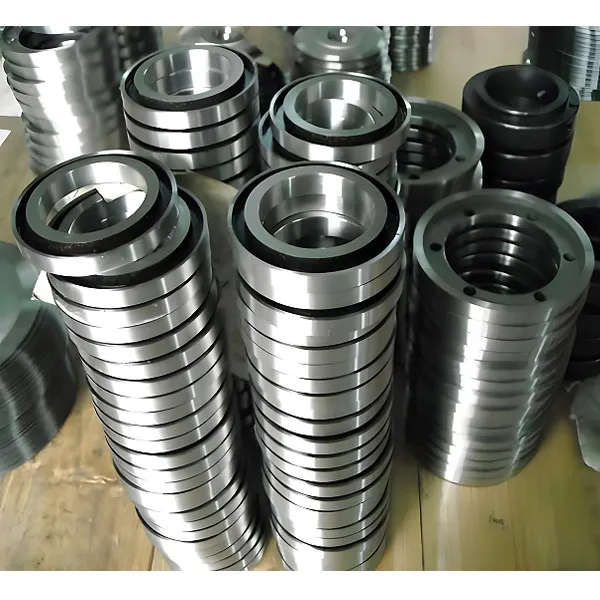
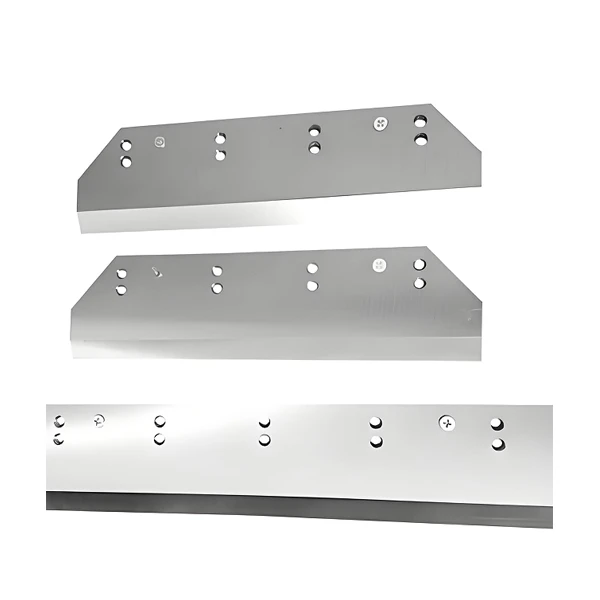
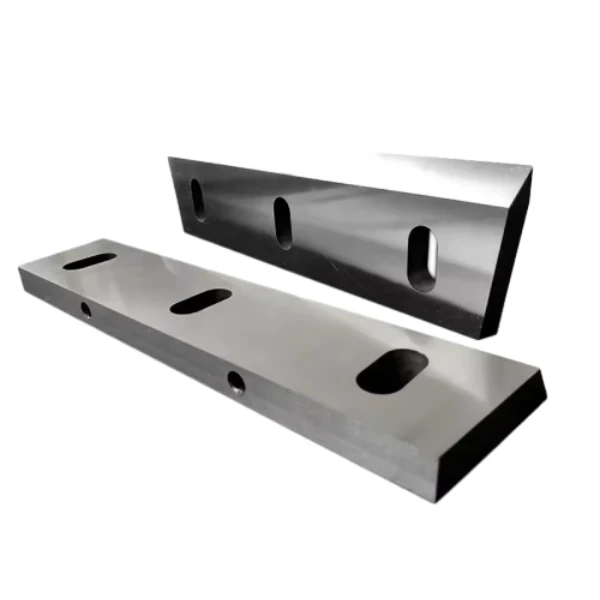
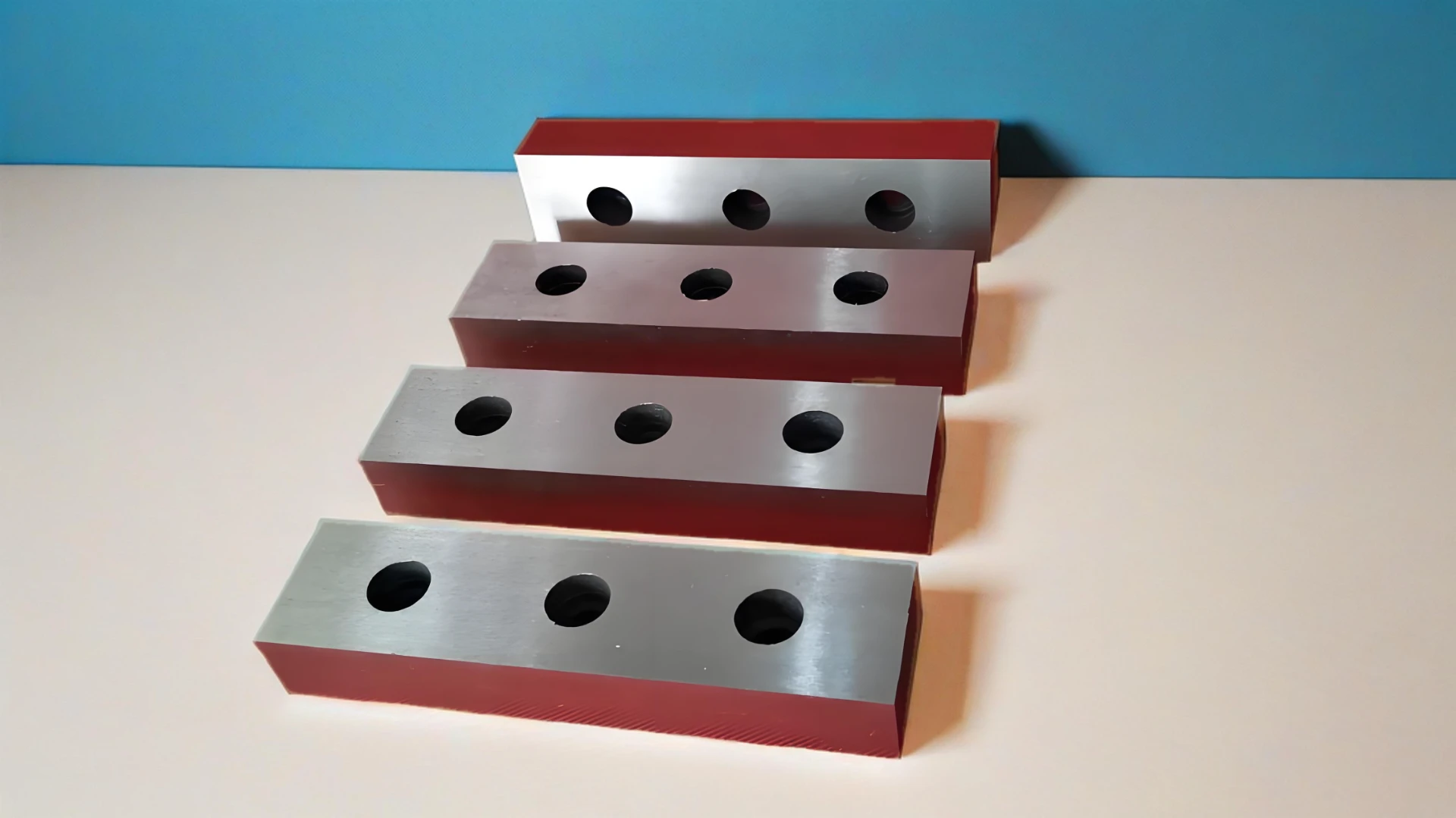
Simply put, meat grinder cutter blades are the sharp metal plates inside grinders that slice and tear meat into smaller pieces. Think of them as the “kitchen scissors” of industrial meat processing. Usually made from stainless steel or specially hardened alloys, they’re engineered to handle varying textures of muscle, fat, and even frozen bits.
Modern meat processing lines rely heavily on these cutters to not only produce consistent particle size but maintain hygienic standards — something vital for feeding millions safely. Whether it’s a small artisanal butcher or a factory cranking out thousands of sausages daily, these blades are fundamental.
Key Factors That Make Meat Grinder Cutter Blades Tick
Durability
The blades endure relentless mechanical stress and frequent cleaning cycles. High-grade stainless steel, often treated with heat or cryogenic processes, is preferred for resilience against wear and corrosion. Durable blades mean less downtime and safer equipment.
Sharpness and Precision
Sharp blades produce clean cuts, reducing heat build-up and preventing meat texture damage. Precision manufacturing keeps the blades balanced and perfectly fitted with the grinder’s components to avoid vibrations and uneven grinding.
Hygiene and Food Safety
Materials must resist bacterial growth and withstand aggressive detergents. Many blades now feature polished finishes that make cleaning easier and prevent meat residues from sticking, a must for meeting ISO 22000 food safety standards.
Scalability
Different grinders require various blade sizes and configurations, from small-scale catering to industrial machines. Versatile cutter blades that adapt seamlessly to multiple machines reduce inventory complexity and costs.
Cost Efficiency
While high-end blades might cost more upfront, their longevity and performance often save manufacturers money by cutting energy use and product waste.
Mini takeaway: Understanding these core aspects can guide better choices and maintenance for meat grinder cutter blades.Real-World Applications Across Continents
In North America and Europe, where automated meat factories lead in technology adoption, advanced cutter blades with specialized coatings extend tool life by 20–30%. Meanwhile, in South Asia and Africa, local meat processing units utilize affordable, easily replaceable blades that boost production without heavy capital investment.
Organizations like Médecins Sans Frontières have even used mobile meat grinders fitted with durable blades in post-disaster relief operations to provide nutritious protein sources under tough conditions. In remote industrial zones, reliable cutters minimize costly downtime — a critical factor in maintaining steady food supplies for site workers and communities.
Advantages & Long-Term Value of Meat Grinder Cutter Blades
- Cost savings: Long-lasting blades reduce buying frequency.
- Consistent quality: Uniform cuts improve product appearance and taste.
- Safety: Quality blades reduce contamination risks and machine malfunctions.
- Environmental impact: Durable blades mean less metal waste and energy consumption.
- Trust and reliability: Meat processors can guarantee customers a better product.
On an emotional level, these blades represent more than just steel — they embody the promise of quality, safety, and dignity in feeding people worldwide, a small but critical puzzle piece in an incredibly complex system.
Innovations Ahead: What's Next for Meat Grinder Cutter Blades?
Thanks to material science leaps, new blade coatings using ceramic or diamond-like carbon are emerging, offering unparalleled hardness and hygiene. Additionally, some companies integrate smart sensors to track blade sharpness and usage in real-time, enabling predictive maintenance plans.
Automation trends and Industry 4.0 are also influencing grinder design. Connected blades could signal when they need sharpening or replacement, reducing waste and unexpected failures. Finally, sustainability pressures mean manufacturers are redesigning blades for easier recycling and energy-efficient production.
Common Challenges and How Experts Are Tackling Them
Lifespan limitations due to metal fatigue and contamination are ongoing challenges. But with advanced heat treatments and antimicrobial surface finishes, blade life is climbing year over year.
Another hurdle is balancing affordability with high performance, especially for small businesses. Manufacturers now offer modular blade systems to mix and match parts, giving users customized, cost-effective solutions without compromising quality.
Product Specification Table
| Specification | Standard Meat Grinder Cutter Blade | Premium Ceramic-Coated Blade |
|---|---|---|
| Material | Hardened Stainless Steel (410) | Stainless Steel + Ceramic Coating |
| Hardness (HRC) | 56-58 | 62-64 |
| Blade Thickness | 3 mm | 2.8 mm |
| Typical Lifespan | 500 hours | 800 hours |
| Surface Finish | Matte Polished | Ultra-smooth Gloss |
Top Vendors Comparison
| Vendor | Blade Material | Cost per Unit | Warranty | Special Features |
|---|---|---|---|---|
| MechBlades Inc. | Hardened Stainless Steel | $45 | 2 Years | Custom sizes & coatings |
| SharpEdge Tools | Steel + Ceramic | $60 | 3 Years | Anti-bacterial finish |
| BladeWorks Ltd. | Alloy Steel | $38 | 1 Year | Budget-oriented |
Frequently Asked Questions About Meat Grinder Cutter Blades
Q1: How often should I replace meat grinder cutter blades?
Replacement frequency depends on usage intensity and blade quality. For commercial kitchens, blades might need changing every 3–6 months, while lighter users may last a year or more. Signs to watch for include uneven grinding, overheating, and difficulty cleaning.
Q2: Can I sharpen meat grinder blades myself?
It is possible using equipment like diamond files or sharpening stones, but precision is key to avoid unbalancing. Many manufacturers recommend professional sharpening services to maintain optimal blade performance and longevity.
Q3: Are ceramic-coated blades better than traditional stainless steel?
Ceramic coatings enhance hardness and corrosion resistance, extending blade life and improving hygiene. However, they also come at a premium price. For heavy or continuous industrial use, the investment often pays off, but for occasional use, stainless steel blades might suffice.
Q4: How can I ensure my meat grinder is hygienic?
Regular cleaning immediately after use with food-safe detergents, inspecting and replacing worn blades, and using polished blades designed for easy cleaning are crucial steps. Following ISO 22000 guidelines helps maintain safety.
Wrapping It Up: Why Meat Grinder Cutter Blades Deserve Your Attention
In the end, meat grinder cutter blades are quietly doing a big job — shaping how meat is processed and delivered worldwide. Beyond mere blades, they are an intersection of materials science, engineering, and food safety that help feed billions reliably, safely, and sustainably. Understanding what makes a good blade, where to source it, and how to maintain it isn’t just trivia; it’s a smart investment in product quality and business longevity.
So next time you think about grinding meat, spare a thought for these tiny steel marvels behind the scenes. Curious to explore top-tier blades or custom options? Visit meat grinder cutter blades for expert advice and products that cut above the rest.