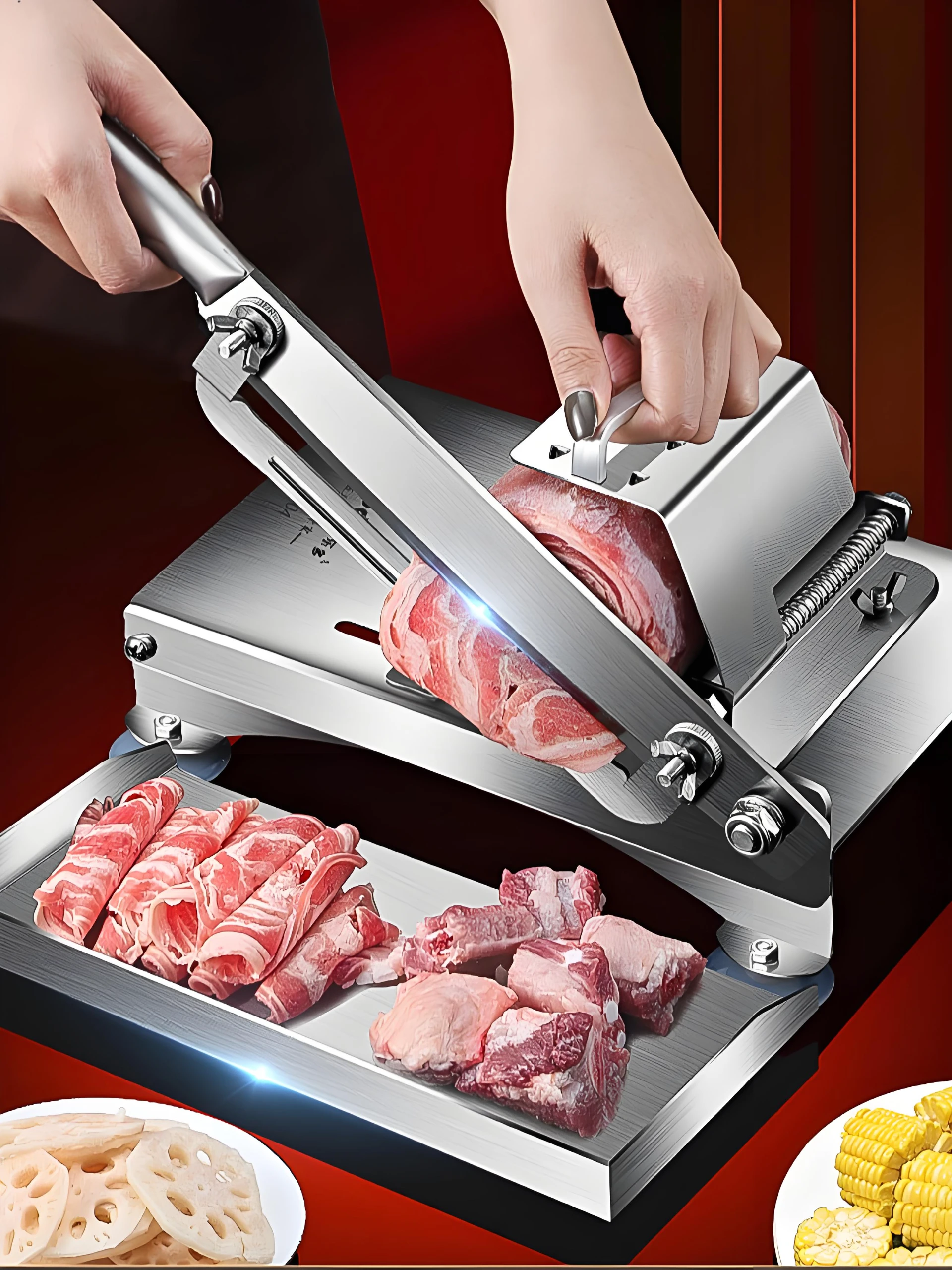
What Exactly Is a Food Slicer Blade—and Why Should You Care?
If you’ve ever watched a deli expert expertly slice cold cuts or seen industrial kitchen equipment humming away, then you know the magic starts with the food slicer blade. But beyond the obvious, these unassuming blades represent a fascinating intersection of design, engineering, and even global food safety.
Why does the humble food slicer blade matter on a global scale? It’s simple: as populations grow and demand for processed and uniform food portions increases, the efficiency and safety of slicing processes become critical. Whether it’s a high-volume food processing plant in Germany or a remote relief center in Southeast Asia preparing rations, these blades are key to clean, precise cuts that reduce waste and turnaround times.
Understanding food slicer blades means understanding a small but essential cog in the massive, complex global food supply chain.
Food Slicer Blades: A Global Overview
Globally, the food processing market has been growing steadily — the International Trade Centre estimates the processed food sector to exceed $4 trillion by 2027. Efficient slicing equipment is crucial here, especially as labor shortages press manufacturers to automate.
Yet the challenge is balancing speed with safety and hygiene. Inaccurate or worn blades risk contamination or inconsistent product quality, which in large-scale operations can mean millions in losses. This is a problem recognized worldwide—ISO and other standards bodies have stringent requirements for food-grade cutting tools to ensure consumer safety.
In real terms, that means companies need blades that last longer, cut better, and stay clean easier. Oh, and they should fit in all kinds of machines—because one size never truly fits all.
Defining the Food Slicer Blade
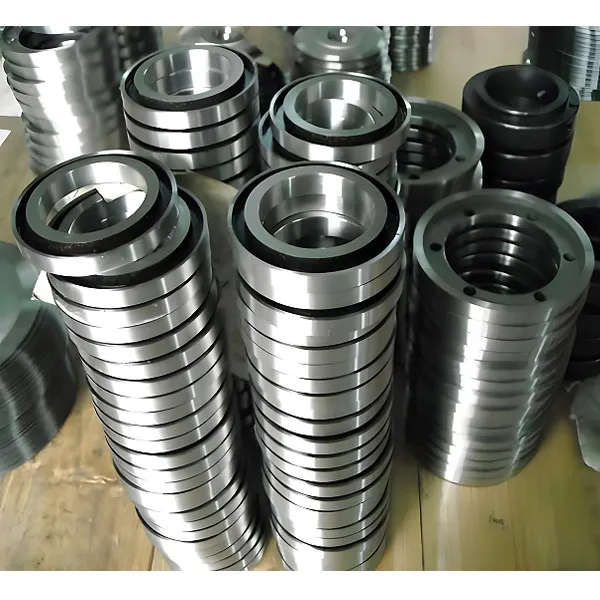
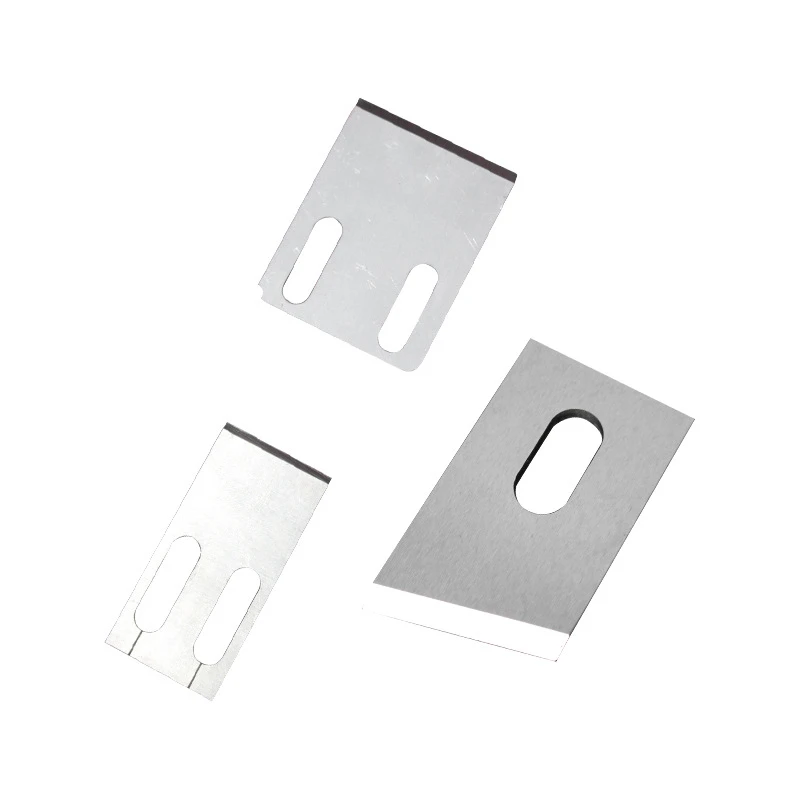
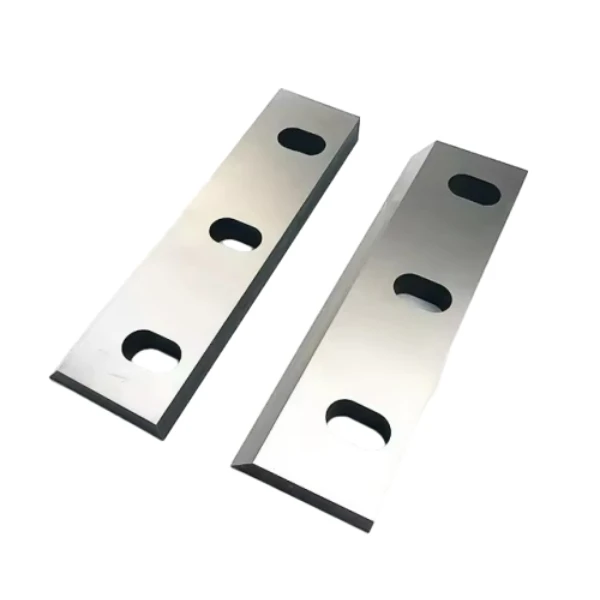
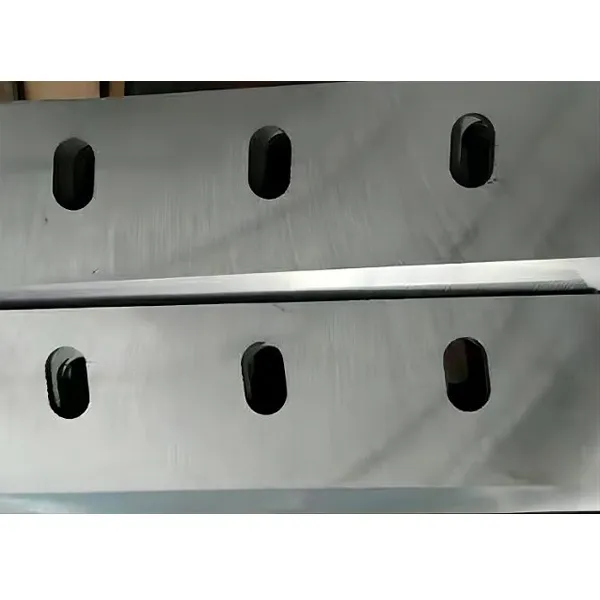
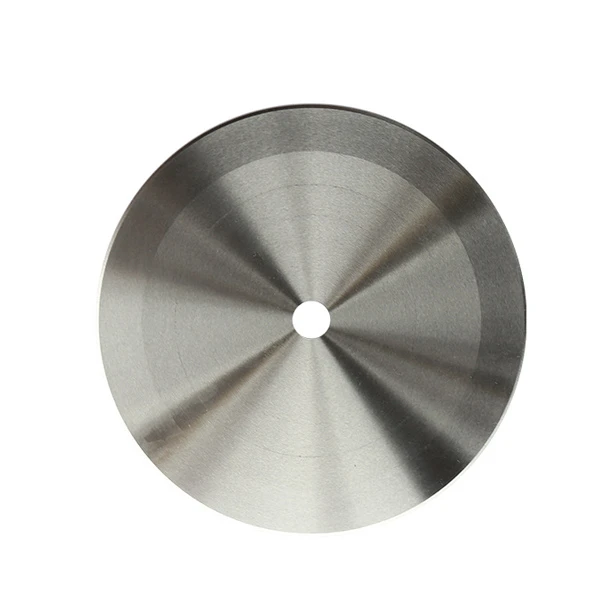
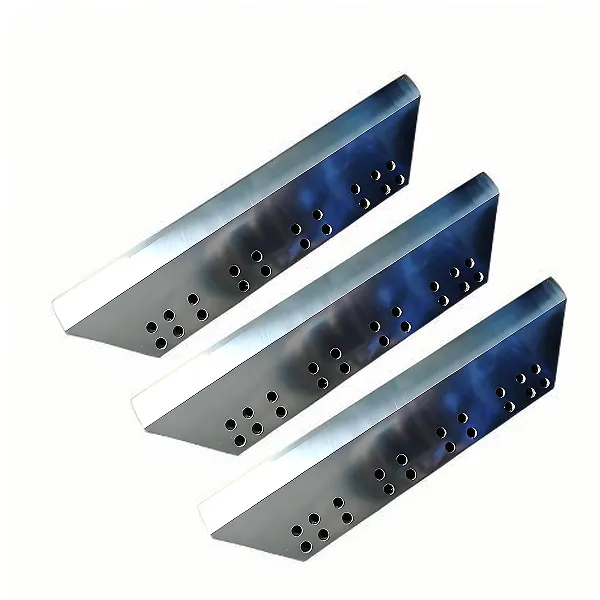
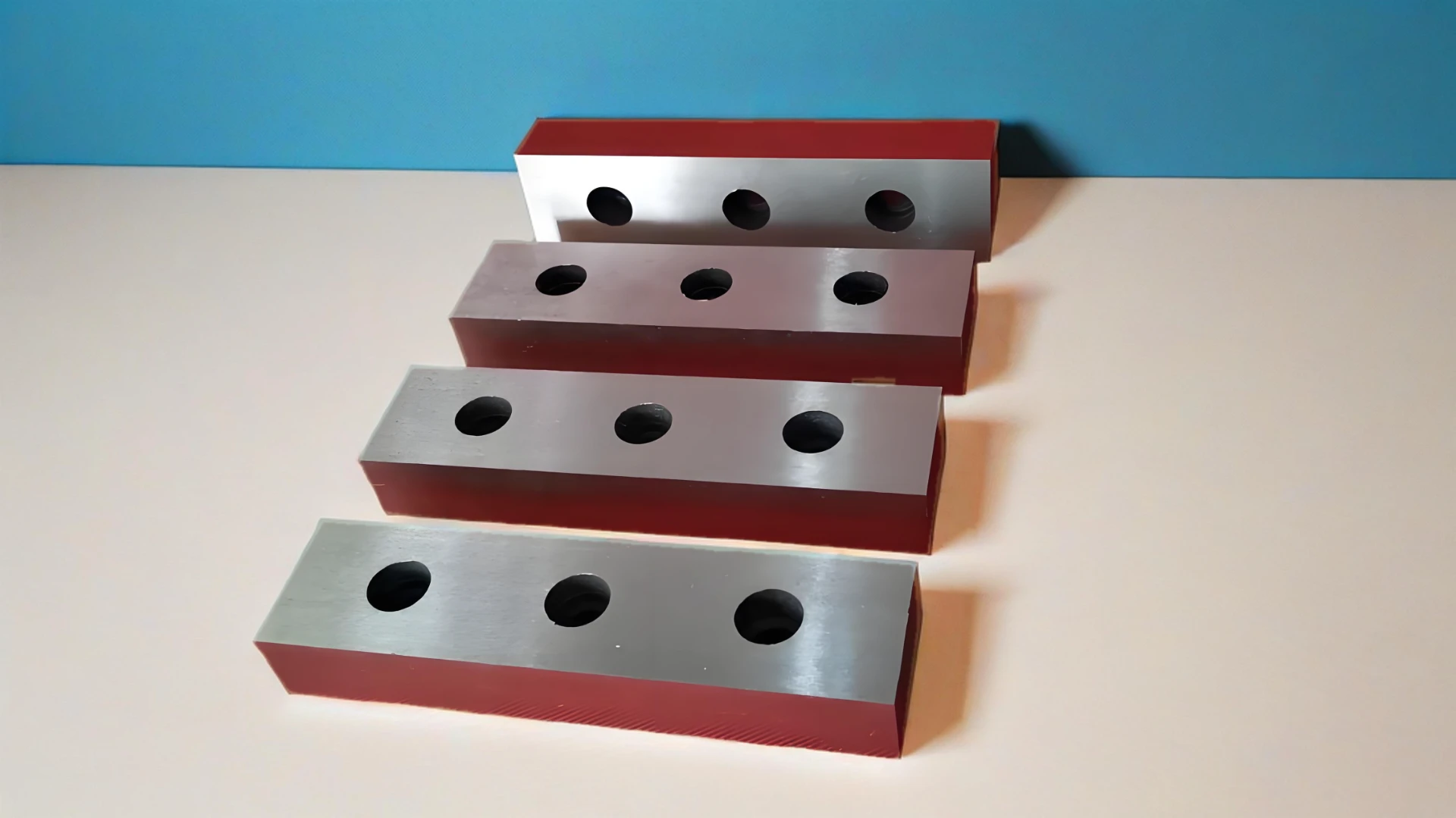
Simply put, a food slicer blade is the cutting component designed specifically for food preparation machines. These blades are made from specialized steel alloys or other materials that maintain sharpness while resisting corrosion, contamination, and mechanical fatigue.
Modern blades aren’t just sharp; they are precision-engineered — featuring serrations, non-stick coatings, or micro-serrations adapted for specific food types, from thin deli meats to hard cheeses to delicate fruits. They form a critical bridge between raw ingredients and consumer-ready products.
In humanitarian sectors, for instance, reliable slicing equipment can improve food distribution efficiency in emergencies, reducing spoilage and aid delivery times.
Core Components of a Great Food Slicer Blade
1. Durability & Material Quality
Stainless steel alloys like 420 or 440C are popular because they offer a good balance of hardness, corrosion resistance, and sharpenability. Durability here means less downtime and less frequent blade replacement — vital for industrial settings.
2. Precision & Cut Consistency
Cut thickness uniformity is more than just aesthetic; it impacts cooking times, packaging, and even portion control. High-quality blades help machines maintain consistent slice thickness, reducing waste significantly.
3. Hygiene & Food Safety
Blade design must prevent accumulation of food particles, which can harbor bacteria. Non-stick coatings and smooth surfaces assist here, making blades easier to sanitize and reducing contamination risk.
4. Compatibility & Customization
No two food slicers are identical. Blades must be tailored in size, shape, and mounting options to fit different equipment models, whether small commercial units or large automated assembly lines.
5. Cost Efficiency
The upfront cost of quality blades might be more, but their longer lifespan and improved food yield often justify the investment. Many manufacturers now factor total cost of ownership instead of cheap upfront prices.
Mini takeaway:
Choosing the right food slicer blade means balancing durability, precision, hygiene, adaptability, and cost — all intertwined aspects that keep the food slicing process smooth and safe.
Global Applications and Real-World Examples
Food slicer blades are everywhere you might expect — but also in some surprising places. Major food markets in North America, Europe, and Asia rely on them heavily in processing plants. Notably, frozen food producers in Scandinavia benefit greatly from blades able to slice chilled meats without crumbling.
In post-disaster humanitarian efforts, NGOs use portable slicers with specialized blades to process donated food rapidly, improving distribution efficiency in crisis zones. Meanwhile, artisanal cheese makers in France and Italy rely on those same blades’ precision to achieve consistent thickness, protecting their legacy quality standards.
Oddly enough, even in remote industrial zones like mining outposts, where nutrition plans are tightly calculated, slicing equipment equipped with quality blades assures portion control and extends food shelf life.
Food Slicer Blade Specifications
| Specification | Typical Range | Impact on Use |
|---|---|---|
| Blade Diameter | 150mm – 350mm | Fits various slicer models for different foods |
| Material | Stainless Steel 420/440C | Corrosion resistance, ease of sharpening |
| Thickness | 1.5mm – 3mm | Balance between strength and sharpness |
| Coating | PTFE / Non-stick options | Improves hygiene, reduces food residue buildup |
| Edge Type | Smooth or Serrated | Tailored to food type for optimal slicing |
How Top Vendors Compare on Food Slicer Blades
| Vendor | Material Quality | Customization | Cost Range | Warranty |
|---|---|---|---|---|
| BladeTech Inc. | Premium 440C Stainless Steel | High - bespoke sizes & coatings | $$$ | 2 years |
| SlicerPro | Stainless Steel 420 | Medium - standard diameters | $$ | 1 year |
| CutMaster Ltd. | Standard food-grade steel | Low - fixed product lines | $ | 6 months |
Why Invest in Quality Food Slicer Blades? The Benefits
- Cost Savings - Longer blade life means fewer replacements; improved precision reduces product waste.
- Food Safety - Hygienic designs mean lower contamination risk, protecting consumer health and brand reputation.
- Consistency - Uniform slice thickness enhances cooking quality and packaging efficiency.
- Environmental Impact - Durable blades reduce waste and energy spent on manufacturing replacements.
- Operational Efficiency - Reduced downtime and maintenance promote a smoother production flow.
Looking Forward: Innovations in Food Slicer Blade Technology
Automation and digitization are nudging food slicer blades into exciting new territory. Manufacturers are experimenting with smart blades embedded with sensors to monitor sharpness and wear in real time, resulting in predictive maintenance schedules rather than reactive fixes. It’s a game-changer in reducing downtime.
Materials science is also bringing new alloys and ceramic coatings for tougher yet food-safe blades. Not to mention sustainability drives pushing towards blades that are easier to recycle or made with greener manufacturing practices.
Imagine a blade that not only slices thinly but also tracks its own performance and communicates directly with your food processing control system—oddly enough, that’s just around the corner.
Common Challenges and How to Overcome Them
Despite their sophistication, food slicer blades face issues such as premature dulling, contamination risks, and incompatibility with different slicer models. Addressing these requires:
- Investing in blades with proven corrosion resistance.
- Regular maintenance schedules informed by blade monitoring technologies.
- Choosing vendors offering customization to avoid ill-fitting blades that compromise safety.
- Training operators to recognize wear and properly clean blades to prevent bacterial growth.
Many operators find that partnering closely with blade manufacturers—rather than treating blades as disposable parts—is the best way to keep slicing effortlessly.
FAQ: What You Need to Know About Food Slicer Blades
Q1: How often should I replace my food slicer blade?
A: The replacement frequency depends on usage intensity and maintenance. In high-volume settings, blades may need replacement every 3–6 months. Regular sharpening and cleaning can extend the blade’s effective life.
Q2: Can I use the same blade for meat and cheese?
A: While possible, it’s best to use separate blades optimized for each food type to avoid cross-contamination and maintain optimal slicing quality—cheese blades often have serrations to handle stickier textures.
Q3: Are non-stick coated blades safe for food?
A: Yes, PTFE coatings and similar finishes are food-safe and help reduce residue buildup, improving hygiene and slice quality.
Q4: How do I know if my blade fits my slicer?
A: Check the manufacturer’s specifications for diameter, thickness, and mounting style. Vendors often provide customization options if standard sizes don’t fit.
Q5: Is sharpening a DIY job, or should professionals handle it?
A: While minor touch-ups can be done by trained operators, professional sharpening ensures the blade maintains proper edge geometry and extends lifespan significantly.
Wrapping It Up: Why Food Slicer Blades Matter
At first glance, the food slicer blade might seem like a humble kitchen tool, but dig a little deeper and it’s clear this component is central to modern food processing efficiency, safety, and innovation worldwide. From bustling industrial plants to emergency relief under harsh conditions, the right blade keeps cutting smooth and food flowing.
Curious to explore premium options or need technical advice? Visit our website: food slicer blade for detailed product offerings and expert support.
Mini takeaway: Investing in the right food slicer blade isn't just about a sharper cut—it's about reliability, safety, and future-proofing your operations.