Understanding the Critical Role of Flying Shear Blades
In the world of metal processing, particularly within the steel and aluminum industries, the efficiency and precision of cutting operations are paramount. A crucial component driving these processes is the flying shear blade. These specialized blades are engineered to deliver clean, accurate cuts on moving materials at high speeds. This article delves into the nuances of flying shear blades, exploring their applications, types, maintenance, and the factors that contribute to their optimal performance. Choosing the right blade and maintaining it properly can significantly impact productivity, reduce waste, and ensure the quality of finished products.
What is a Flying Shear Blade and How Does it Work?
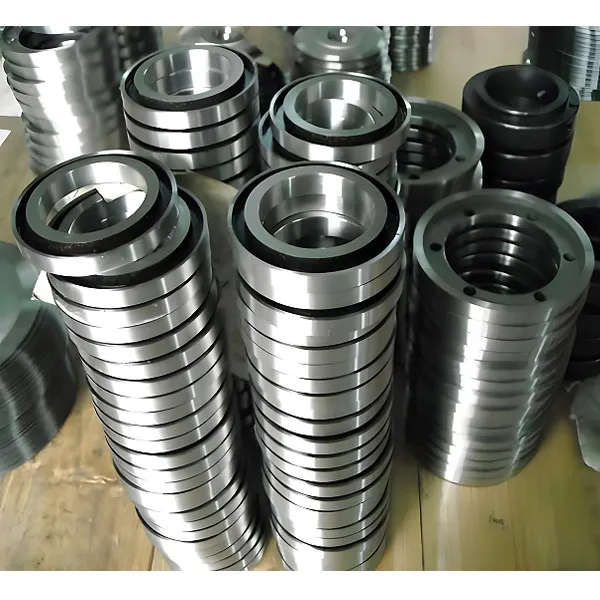
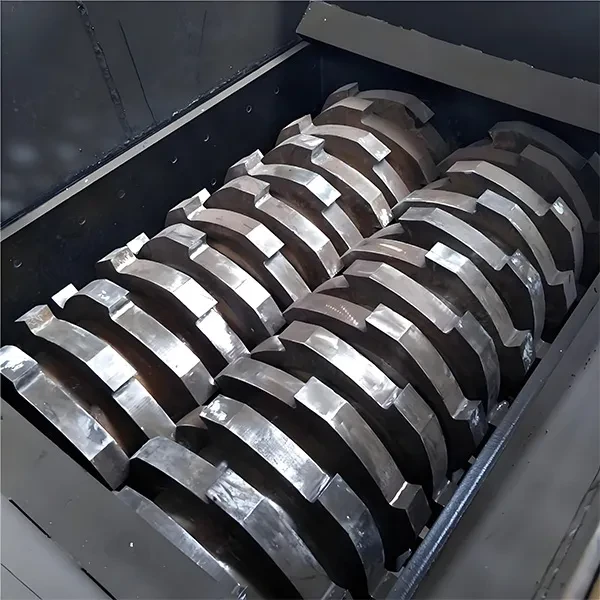
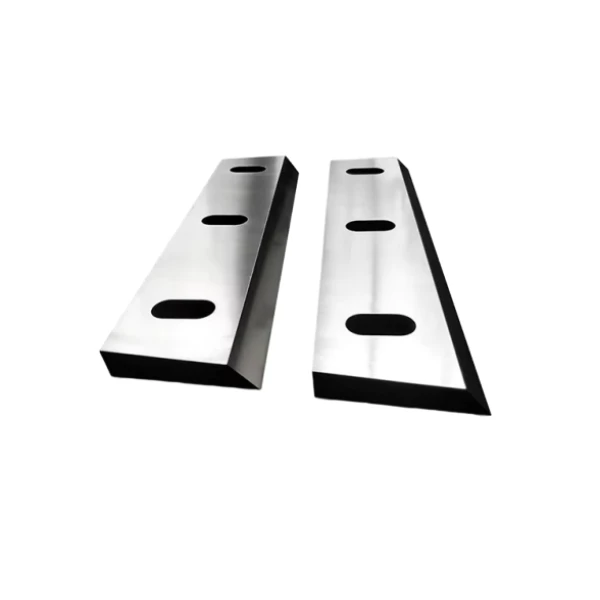
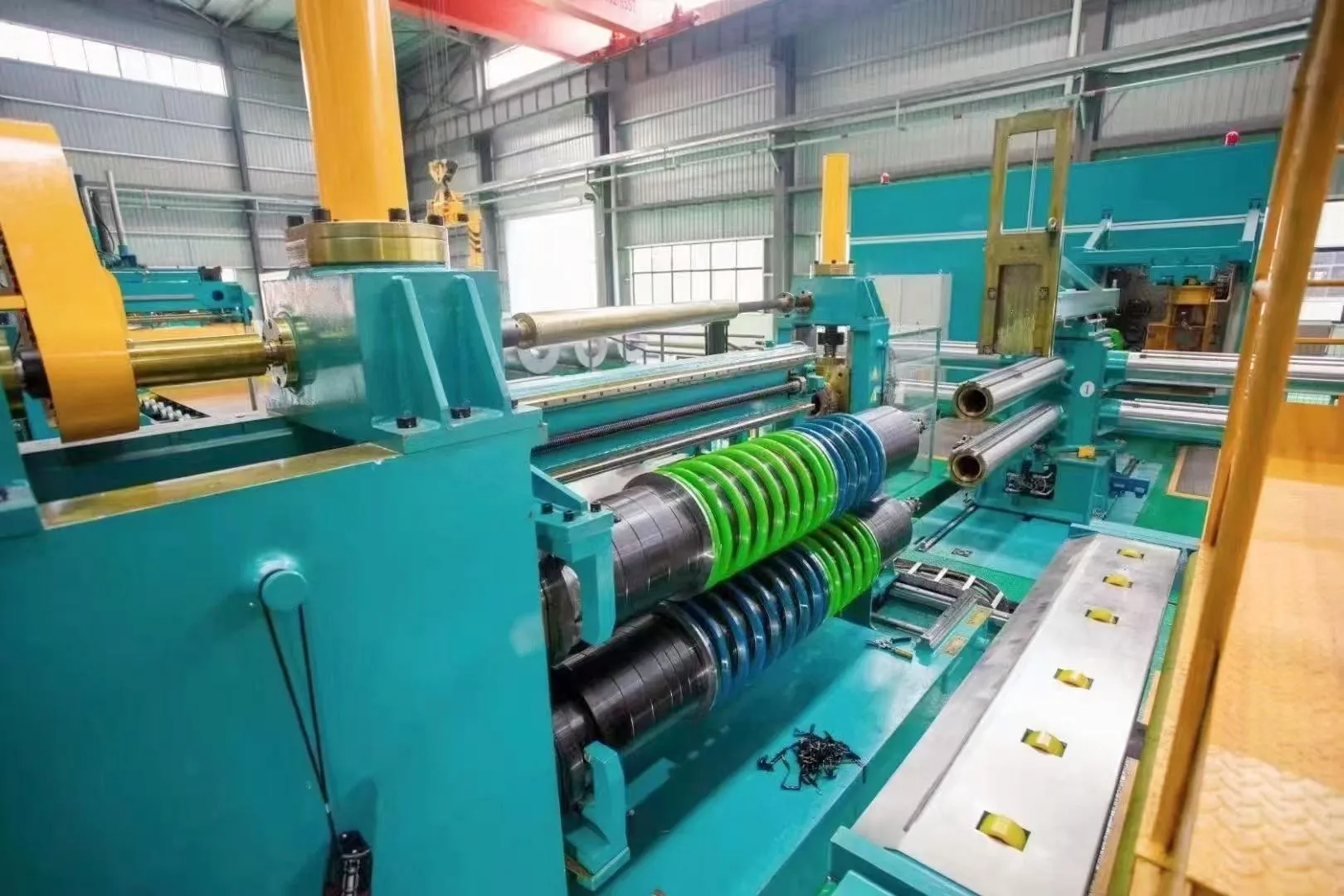
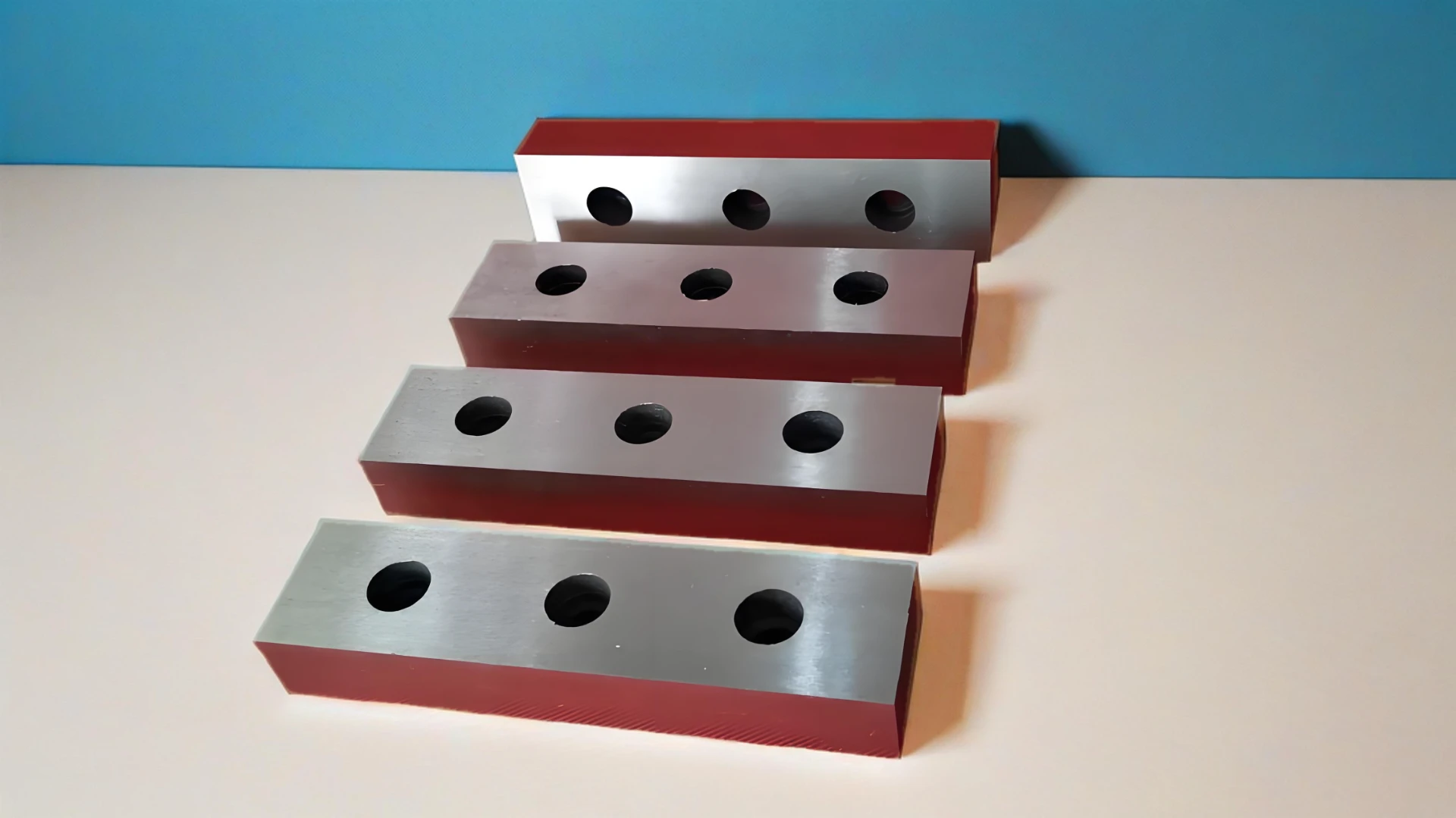
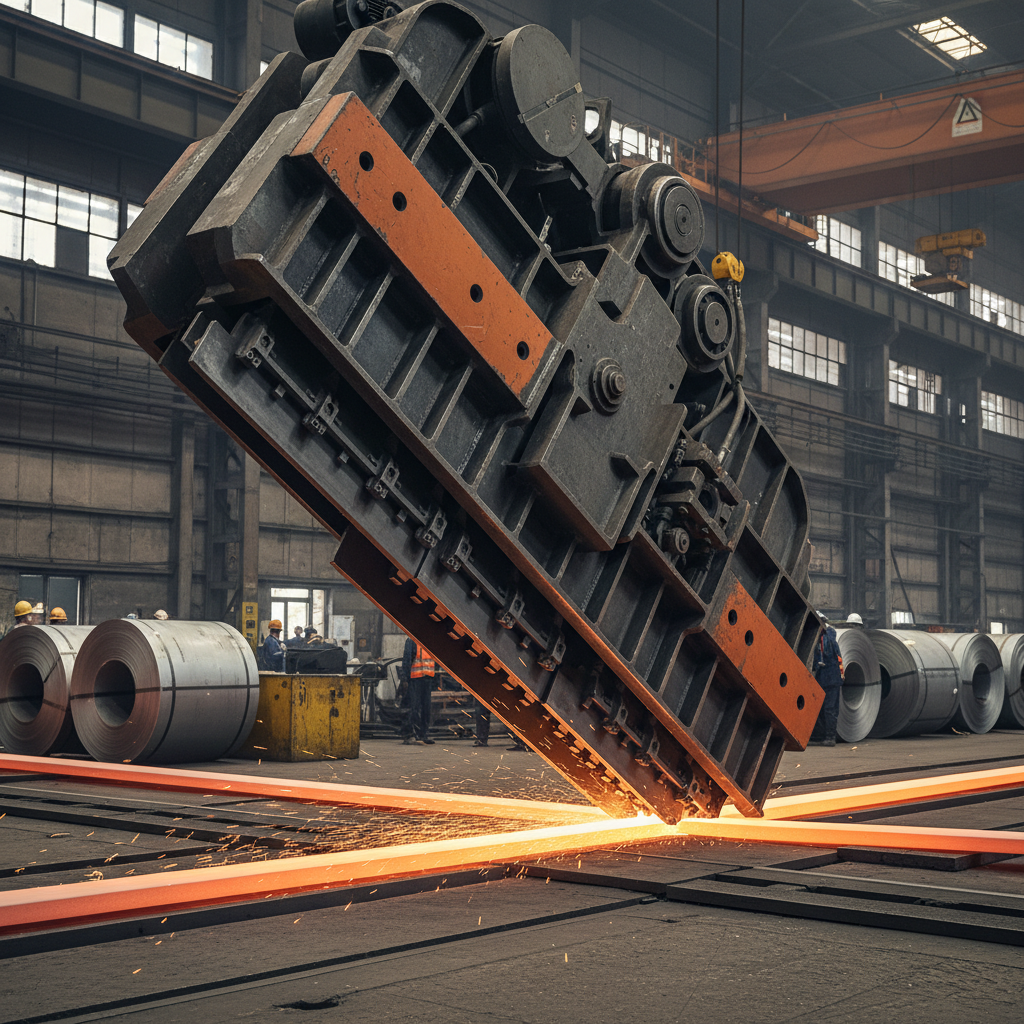
A flying shear blade is a specialized cutting tool used in high-speed metal processing applications. Unlike traditional shear blades that cut stationary material, flying shears cut material while it's in motion. This is typically achieved using two opposing blades that move laterally across the material, shearing it cleanly. These blades are primarily used in steel mills, aluminum processing plants, and other facilities where continuous, high-volume metal cutting is required. They are a critical component in processes like coil slitting, end trimming, and length shearing. The precision and speed of flying shear blades directly influence the efficiency and quality of the entire production line.
Types of Flying Shear Blades
Flying shear blades aren't one-size-fits-all. They are designed with different geometries and materials to suit specific applications and metal types. Common types include:
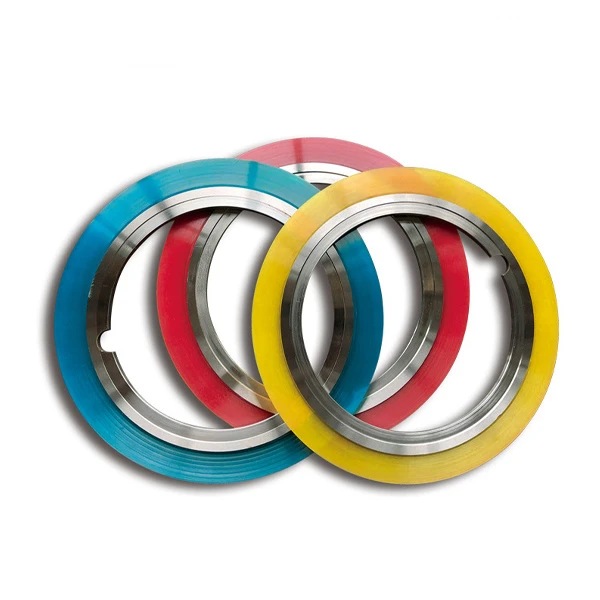
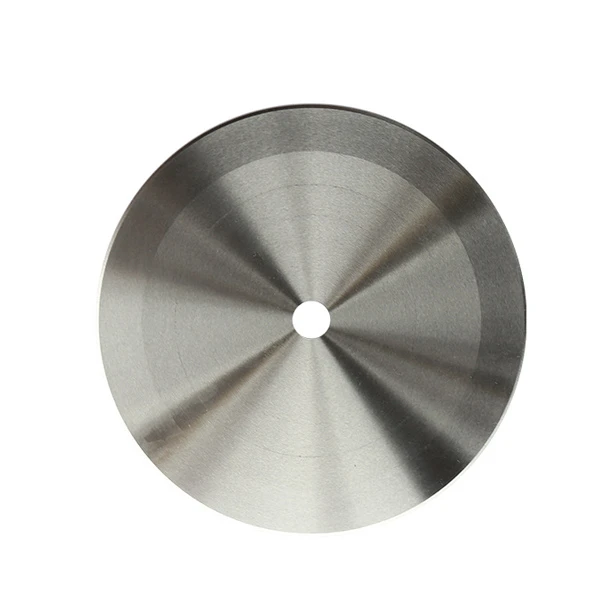
- Rotary Shear Blades: Employ a circular cutting action. Ideal for high-speed, continuous cutting.
- Slitting Blades: Used for dividing wide coils of metal into narrower strips.
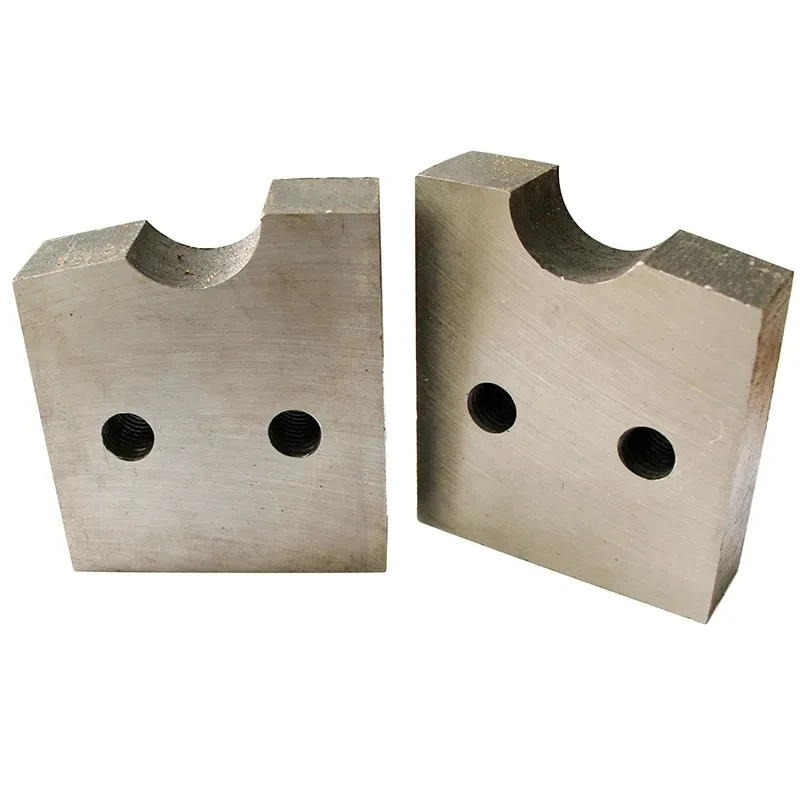
- End Trim Blades: Designed to remove the leading and trailing edges of metal coils.
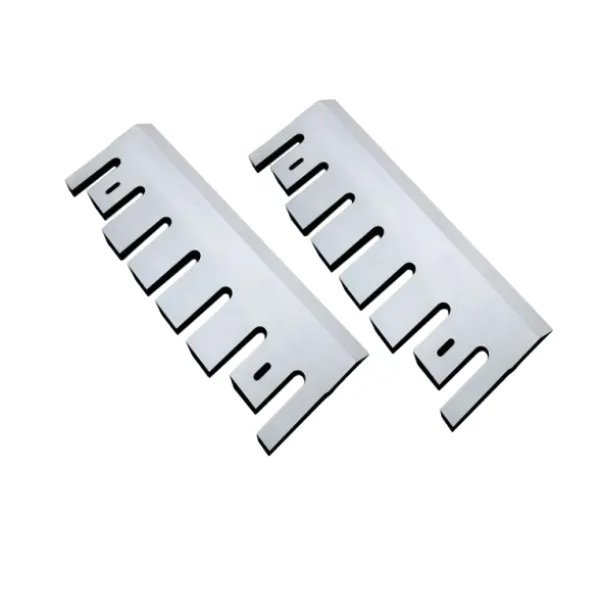
- Scissor Blades: Utilize a scissor-like action to shear the material.
The material composition also varies. High-speed steel (HSS) blades are common for less demanding applications, while blades made from tool steel, powder metallurgy steels, or coated carbides are preferred for more abrasive materials and higher cutting speeds. Mechblades offers a comprehensive selection of these blades.
Key Benefit: Flying shear blades dramatically increase production speed compared to traditional cutting methods, resulting in significant cost savings and improved efficiency.
Factors Influencing Flying Shear Blade Performance
Several factors contribute to the overall performance and longevity of flying shear blades. These include:
- Blade Material: The right material is crucial for handling the specific metal being cut and the cutting speed.
- Blade Geometry: The angle and shape of the blade influence cutting efficiency and edge retention.
- Blade Sharpness: A sharp blade is essential for clean cuts and minimizing material deformation.
- Cutting Speed: Operating at the optimal cutting speed for the blade and material prevents premature wear.
- Lubrication: Proper lubrication reduces friction and heat, extending blade life.
Flying Shear Blade Materials: A Comparative Analysis
Choosing the correct blade material is vital for optimizing performance and maximizing blade life. Here’s a comparison of common materials:
Maintenance and Troubleshooting
Regular maintenance is crucial for extending the life of your flying shear blades and ensuring consistent performance. This includes:
- Regular Inspection: Check for chips, cracks, and wear.
- Sharpening: Sharpen blades as needed to maintain cutting efficiency.
- Lubrication: Maintain adequate lubrication to reduce friction and heat.
- Proper Storage: Store blades in a dry, protected environment.
If you experience issues like rough cuts, excessive vibration, or increased force required for cutting, it may indicate a dull or damaged blade. Contacting a specialized blade provider like Mechblades can provide expert assistance in diagnosing and resolving these problems.
Conclusion: Optimizing Performance with Quality Flying Shear Blades
Investing in high-quality flying shear blades from a reputable supplier like Mechblades is critical for maximizing efficiency, reducing downtime, and ensuring the quality of your metal processing operations. Proper blade selection, maintenance, and troubleshooting are all essential components of a successful and productive process.
Frequently Asked Questions (FAQs)
How often should I replace my flying shear blades?
The replacement frequency depends on several factors, including the type of metal being cut, the cutting speed, and the blade material. As a general guideline, inspect blades after each shift or at least weekly. Replace blades when you notice significant wear, chipping, cracking, or a noticeable decrease in cutting performance. Keeping a log of blade usage and performance can help establish a predictable replacement schedule. Ignoring wear can lead to increased downtime and potential safety hazards.
What type of lubrication is best for flying shear blades?
The ideal lubricant depends on the metal being cut and the blade material. Water-based coolants are often used for aluminum and other non-ferrous metals, while oil-based lubricants are common for steel. The lubricant should provide adequate cooling and reduce friction between the blade and the material. It’s important to use a lubricant specifically designed for metal cutting applications and to follow the manufacturer’s recommendations for application and concentration. Proper lubrication significantly extends blade life and improves cutting quality.
What safety precautions should be taken when handling flying shear blades?
Flying shear blades are extremely sharp and pose a significant safety risk. Always wear appropriate personal protective equipment (PPE), including gloves, safety glasses, and protective clothing. Handle blades with care and avoid contact with the cutting edges. Ensure that the shear machine is properly guarded and that all safety interlocks are functioning correctly before performing any maintenance or blade changes. Follow all manufacturer’s safety guidelines and ensure that personnel are properly trained in blade handling and machine operation.