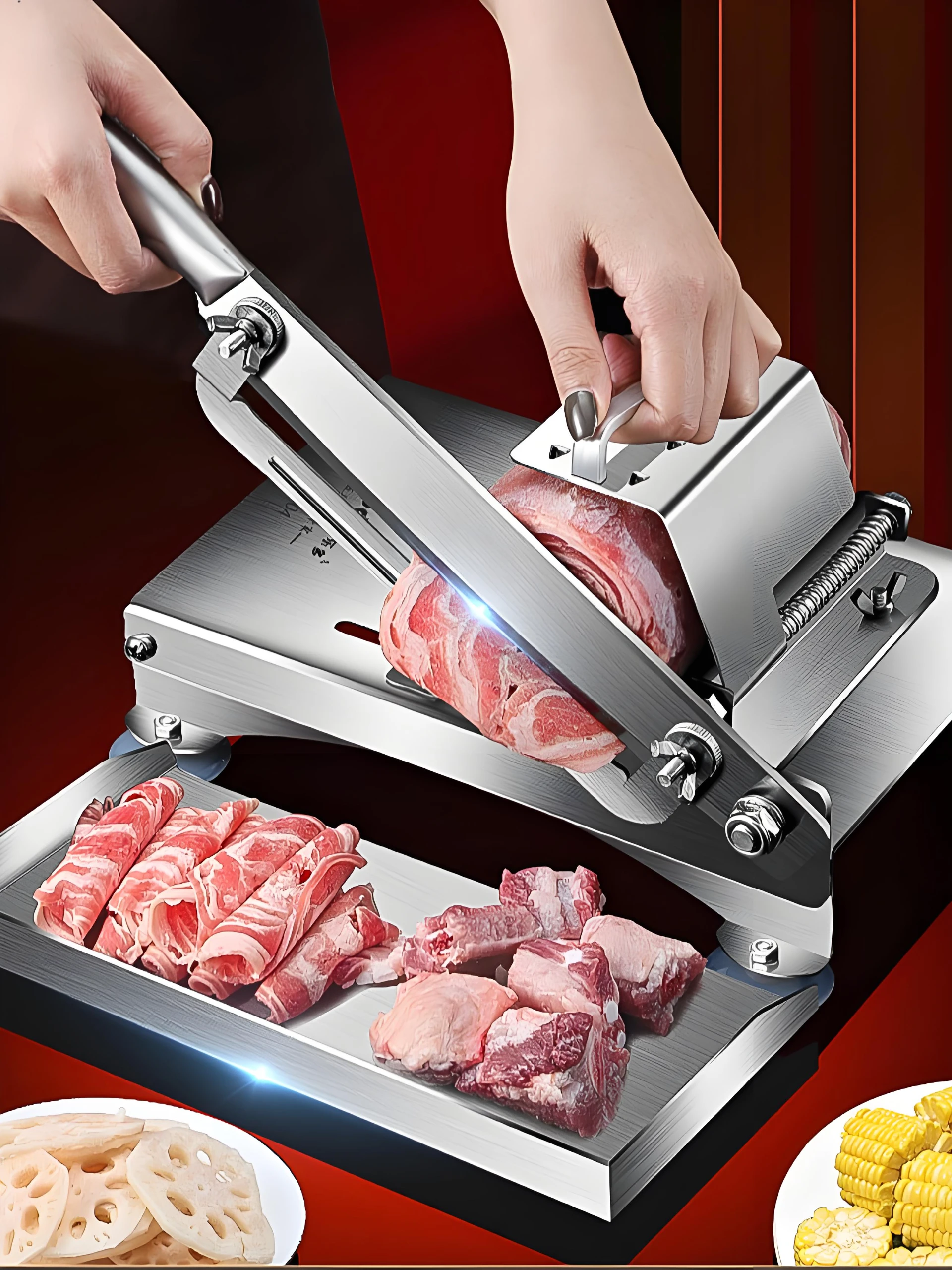
Guillotine Paper Cutter Blade Sharpening: Why It Matters Globally
Guillotine paper cutter blade sharpening might sound like a niche concern, but it actually plays a surprisingly vital role in industries across the world. Paper cutters, those hefty machines with large razor-sharp blades that slice through stacks of paper, rely heavily on precision edges to deliver clean, accurate cuts. When blades dull, the quality, efficiency, and safety of these devices drop, causing setbacks ranging from paper waste to workplace injuries. Understanding the art and science behind guillotine paper cutter blade sharpening offers clear benefits: maintaining product quality, reducing operational costs, and extending the lifespan of expensive equipment.
It’s particularly relevant in sectors such as print shops, packaging factories, and educational institutions where large volumes of paper are trimmed daily. But oddly enough, the ripple effects of keeping these blades sharp extend further - they also reduce environmental waste and can improve worker safety, contributing to more sustainable and humane workplaces worldwide.
Introduction: The Global Context of Guillotine Paper Cutter Blade Sharpening
Worldwide, the graphic arts and paper-processing industries generate revenues worth billions, employing millions. According to the International Organization for Standardization (ISO), maintaining tools and equipment to exacting standards reduces not only waste but also operational downtime, a costly factor across manufacturing sectors. Paper cutters, despite their simple appearance, are no exception.
The problem? Many businesses neglect regular blade maintenance, resulting in frequent replacement costs, poorer cutting quality, and increased safety risks. This is not only an issue for big factories; small print shops and offices also suffer, impacting the broader value chain of printed goods.
What is Guillotine Paper Cutter Blade Sharpening?
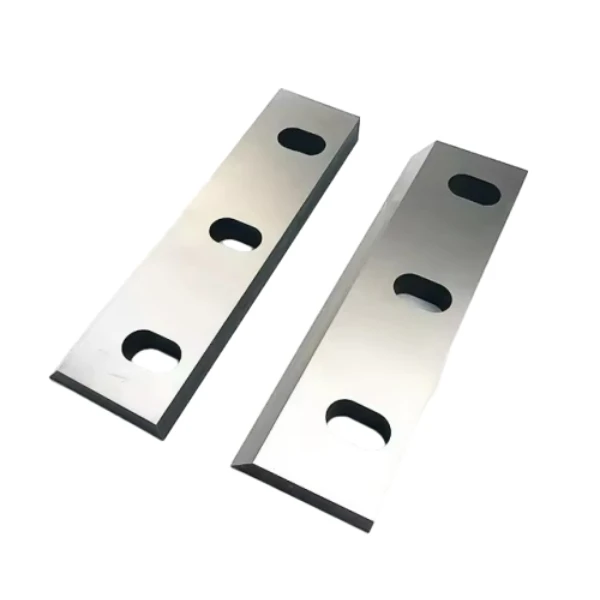
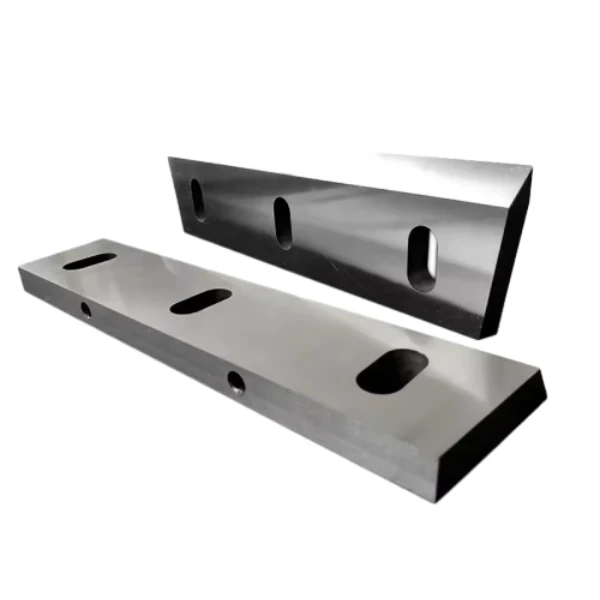
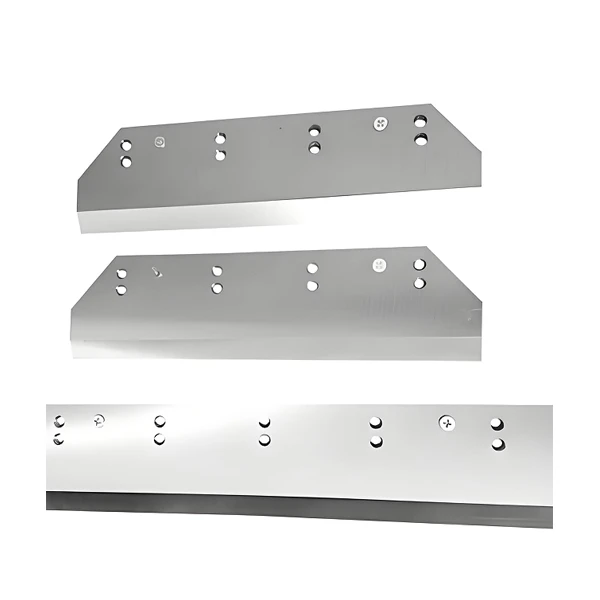
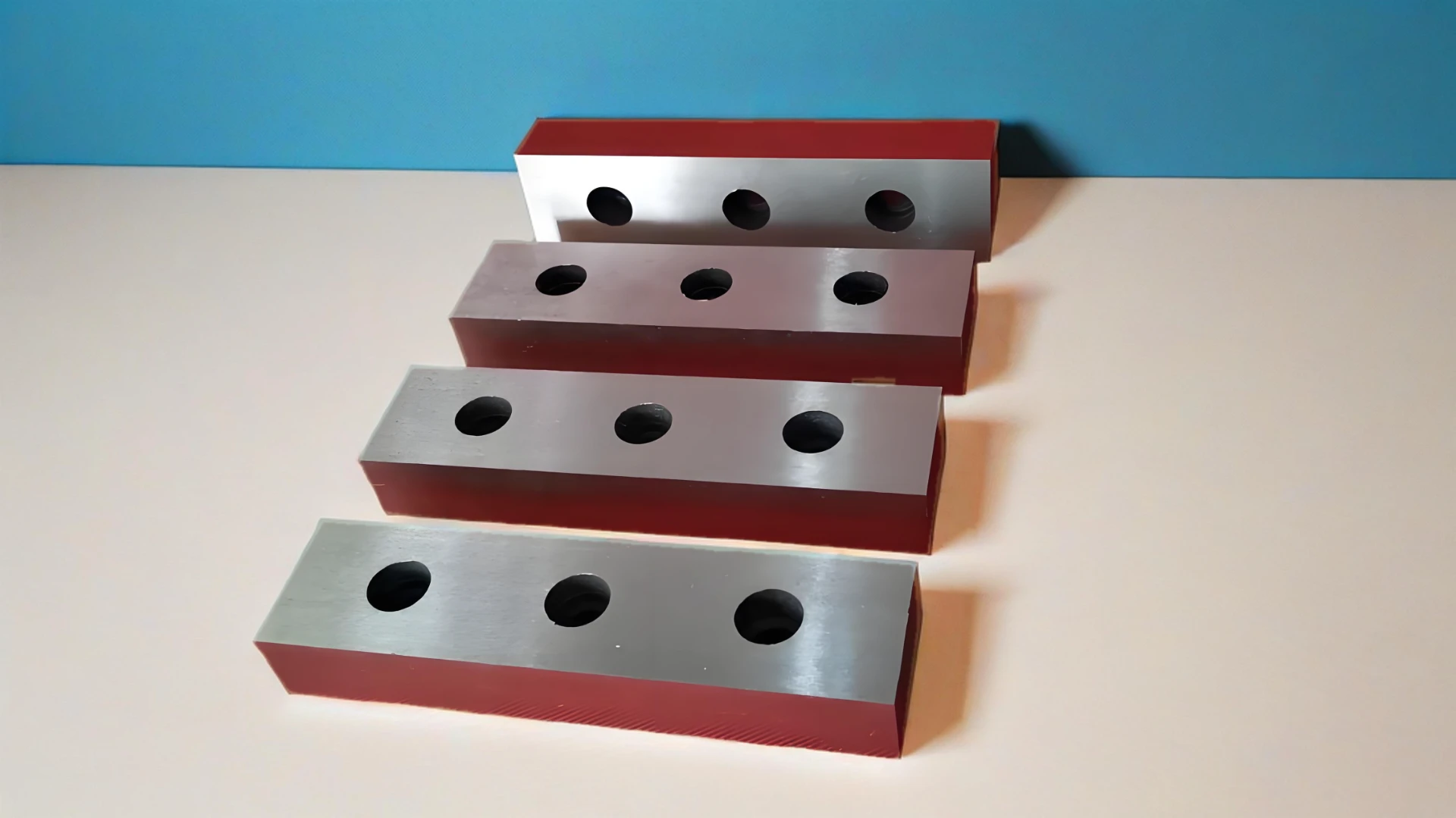
Simply put, it is the skilled process of restoring the sharpness of a guillotine paper cutter’s blade to its original or near-original cutting edge. Blades, typically made of hardened steel alloys, become dulled through repeated use. Sharpening removes tiny metal deformations and restores the blade’s precise angle and edge geometry.
This practice connects deeply with modern industry — where efficiency, quality, and safety are paramount — and even humanitarian needs, like producing clean-cut paper supplies quickly during crises (think educational materials or documentation in relief zones).
Key Factors in Effective Guillotine Paper Cutter Blade Sharpening
1. Durability of Blade Material
Good sharpening starts with the blade’s material. High-carbon stainless steel blades sustain sharp edges longer but require specific sharpening techniques. The choice affects how often blades need resharpening, impacting costs and downtime.
2. Precision in Sharpening Angle
Maintaining the correct bevel angle is crucial. Too steep = fragile edge; too shallow = dull cuts. Experts often use angle guides or CNC machines to maintain precision, which helps in producing consistent, clean cuts.
3. Scalability of Maintenance
For large operations, the ability to sharpen multiple blades efficiently is a must. This can mean setting up in-house sharpening stations or contracting specialists who can handle volumes without sacrificing quality.
4. Cost Efficiency
Sharpening extends blade life, reducing the frequency of costly replacements. Understanding the balance between sharpening frequency and operational needs is key to minimizing costs.
5. Safety Considerations
Sharp blades cut better and more safely. Dull blades force operators to use more pressure, increasing accident risks. Thus, sharpening is also a critical safety protocol.
Global Applications & Use Cases
Across Europe and North America, print houses run extensive guillotine cutters daily. In Asia, where packaging demand is soaring, sharp blades support fast-paced production lines. Even NGOs and educational suppliers rely on sharp blades when preparing materials rapidly during disasters.
For example, during post-disaster relief efforts, paper cutters with sharp blades enable the quick preparation of clear, neatly cut instructional pamphlets and forms. Similarly, in remote industrial zones, well-maintained blades improve operational efficiency despite limited resources.
Advantages & Long-Term Value
- Cost Savings: Sharpening reduces frequent blade replacements and paper wastage.
- Sustainability: Less waste generated, longer-lasting equipment supports eco-friendly practices.
- Safety: Sharp blades decrease workplace injuries, protecting workers’ dignity and wellbeing.
- Reliability: Consistent, clean cuts build trust with clients and internal teams alike.
- Innovation: Advances in sharpening methods reflect wider industrial modernization trends.
Future Trends & Innovations in Guillotine Blade Sharpening
Automation is gradually entering blade maintenance. CNC sharpeners and laser-guided systems promise more precise edges and less manual labor. Environmentally, green sharpening fluids and recycling of worn blades are gaining attention. Digital transformation tools are also emerging, offering predictive maintenance alerts based on operational data.
This transformation aligns with global sustainability goals such as those advocated by the UN, intertwining traditional craftsmanship with cutting-edge technology.
Common Challenges & Practical Solutions
Blade sharpening can be time-consuming and demands skill. Some businesses hesitate due to the perceived costs or lack of specialized personnel. A growing solution is outsourcing to dedicated sharpening services, which combine expertise with economies of scale.
Additionally, using modular cutting blades that are easier to exchange and sharpen separately offers practical flexibility and reduces full-machine downtimes.
| Specification | Typical Values | Impact on Sharpening |
|---|---|---|
| Blade Length | 18-36 inches | Longer blades need uniform sharpening across length |
| Blade Material | High-carbon stainless steel | Requires specialized abrasives and techniques |
| Bevel Angle | 20°–30° | Critical to cutting performance and safety |
| Blade Thickness | 2-4 mm | Thicker blades last longer but sharpen slower |
Vendor Comparison for Guillotine Blade Sharpening Services
| Vendor | Turnaround Time | Technology Used | Cost (USD per blade) | Additional Services |
|---|---|---|---|---|
| SharpEdge Solutions | 48 hours | CNC Grinding | $45 | Pickup & Delivery |
| Blade Masters Inc. | 72 hours | Manual+Laser Guided | $38 | Consulting & Training |
| Precision Sharpeners | 24 hours | Automated CNC | $55 | Emergency Repair Services |
FAQ: Frequently Asked Questions About Guillotine Paper Cutter Blade Sharpening
- How often should I sharpen a guillotine paper cutter blade?
- The frequency depends on usage volume, but generally, blades should be sharpened after every 3,000 to 5,000 cuts. If you notice tearing or uneven cuts, it's time to sharpen sooner. Regular inspection helps avoid damage.
- Can I sharpen guillotine blades myself, or should I hire a professional?
- While basic sharpening is possible DIY, professional services ensure the correct angle and finish, extending blade life and reducing safety risks. If your cutter is critical in daily operations, outsourcing sharpening is worthwhile.
- Are there eco-friendly sharpening methods available?
- Yes, many vendors now use environmentally-friendly coolants and recycle metal shavings. Some apply laser-assisted sharpening reducing waste and energy consumption. Always ask your provider about sustainable options.
- What are the signs that a guillotine blade needs sharpening?
- Watch for increased cutting resistance, ragged or torn paper edges, noise changes, or a need for excessive force. These often indicate a dulled blade requiring attention.
- Is sharpening cost-effective compared to replacing blades?
- Generally, yes. Sharpening can cost 30-50% less than a new blade and delays replacement. Factoring in less downtime and waste, it often proves the smarter financial choice.
Conclusion
Guillotine paper cutter blade sharpening is more than maintenance — it’s a critical cornerstone for operational efficiency, sustainability, and workplace safety worldwide. Investing in proper sharpening practices not only saves money but reflects a commitment to quality and innovation. Whether for a bustling print shop or a humanitarian aid project, blades that cut cleanly empower better outcomes.
If you want to learn more about keeping those blades razor sharp and your operations smooth, visit our website: guillotine paper cutter blade sharpening.
Quick takeaway: Sharp blades save paper, save money, and most importantly, save time and lives in critical work.