Why the Blade to Cut Bread Matters Globally
At first glance, the phrase blade to cut bread might sound mundane — just a kitchen tool, right? But it’s far more significant when you zoom out. For billions worldwide, bread remains a dietary staple, and slicing it efficiently and cleanly supports everything from food supply chains to quality of life at home. Globally, better slicing tools tackle waste, improve food service efficiency, and even support humanitarian food distribution.
According to the Food and Agriculture Organization (FAO), bread and cereal products constitute a major portion of global calorie intake. So a seemingly small tool like a bread-cutting blade indirectly affects food preservation, waste reduction, and consumption habits — factors that matter immensely in economies striving for food security and sustainability.
The Global Context: Bread Cutting Beyond the Kitchen
It’s intriguing: while enjoying your morning toast, you rarely consider how industrial decking knives or commercial bread slicers seamlessly serve bakeries, cafeterias, and relief organizations worldwide. The International Organization for Standardization (ISO) highlights efficiency tools in food processing as critical for maintaining hygiene, reducing waste, and improving throughput.
Globally, bakeries produce millions of tons of bread yearly — for example, Europe’s bakery sector alone contributes over 60 billion euros annually. In such high volume industries, blades that cut bread affect productivity, safety, and quality. Plus, in disaster zones or refugee camps, portable bread cutting tools or machines can optimize food distribution and dignity among displaced populations.
With the rising attention towards sustainable packaging and food waste reduction by entities such as the UN Environment Programme, it’s clear that the humble blade to cut bread plays a larger role than it seems.
Mini takeaway:
- Bread remains a global nutritional staple.
- Efficient bread-cutting tools reduce waste and improve supply chains.
- Industrial and humanitarian sectors rely heavily on specialized blades.
Defining the Blade to Cut Bread: What It Really Means
Simply put, a blade to cut bread is a cutting tool designed specifically for bread slicing. It’s typically serrated to handle soft interiors and crispy crusts without crushing or tearing.
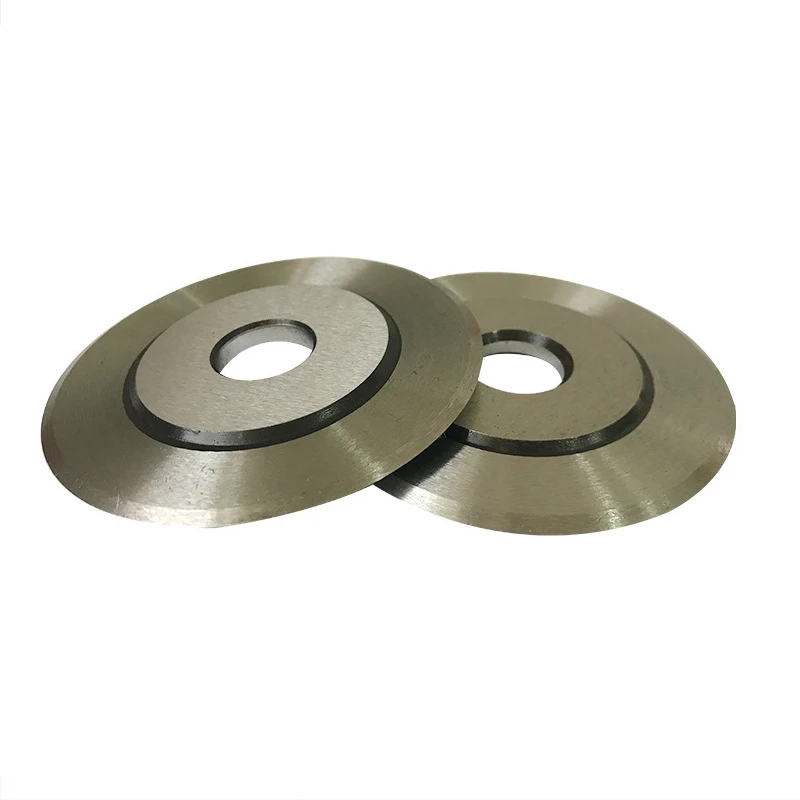
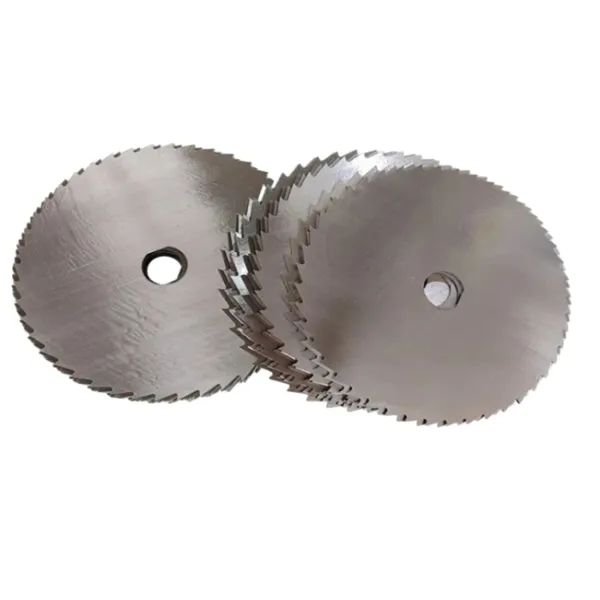
But beyond the kitchen knife — which most users recognize — bread-cutting blades include industrial bandsaw blades, circular blades, and automated slicing machine components. They can vary drastically based on the bread type, scale of operation, and hygiene requirements.
Their connection to modern industry is fundamental: by ensuring clean cuts, these blades help maintain the bread’s structural integrity, improve packaging, and extend shelf life. Humanitarian organizations, where bread distribution may happen rapidly under harsh conditions, also depend on durable, portable blades to minimize waste and honor the resource value.
Core Components That Make a Bread-Cutting Blade Work
1. Durability and Material Quality
Most quality bread-cutting blades employ hardened stainless steel — ideally with corrosion resistance and edge retention. You don’t want a blade that dulls after a dozen loaves or rusts after washing. Many industries favor blades coated to reduce friction and extend lifespan.
2. Serration Design and Tooth Geometry
The serrations are the defining feature, with tooth size and spacing optimized for crumb structure and crust density. For soft bread, small tight serrations prevent squishing. For rustic loaves with thick crusts, larger serrations provide better cutting force.
3. Hygiene and Ease of Cleaning
In food production, hygiene is massive. Blades are often designed to minimize crevices where crumbs or bacteria can lodge. Removable assemblies and smooth finishes help meet ISO 22000 food safety standards.
4. Cutting Efficiency and Speed
Especially in commercial and automated setups, efficiency matters. Blades must cut quickly without generating heat or crushing bread, preserving texture and moisture.
5. Flexibility and Adaptability
Some blades are tailored for specific bread types — bagels, baguettes, sandwich loaves — or different machine platforms. Flexibility in thickness and length helps bakeries optimize their operations.
Mini takeaway:
- Quality steel and serration define performance.
- Hygienic design ensures safety in industrial use.
- Efficiency supports commercial and humanitarian scaling.
Product Specification Table: Typical Industrial Blade to Cut Bread
| Specification | Details |
|---|---|
| Material | High-carbon stainless steel (AISI 420) with corrosion-resistant coating |
| Blade Length | 250 mm (standard commercial), customizable lengths available |
| Serration Pitch | 3 mm tooth spacing for medium crust loaves |
| Blade Thickness | 0.8 mm - balances flexibility and rigidity |
| Edge Retention | Up to 2000 loaves before resharpening |
| Sanitation | FDA-approved coatings, easy-clean surfaces |
Comparing Leading Vendors of Bread Cutting Blades
| Vendor | Blade Material | Customization | Price Range | Delivery Times |
|---|---|---|---|---|
| PrimeCut Industries | Carbide-coated steel | Yes, serration pattern & length | $$$ | 2-4 weeks |
| Serrato Blades | High-carbon stainless steel | Limited customization | $$ | 1 week |
| BreadySharp Solutions | Titanium alloy | Yes, including sanitary coatings | $$$$ | 3-6 weeks |
Global Applications & Use Cases for Bread-Cutting Blades
In real terms, bread-cutting blades show up everywhere, from giant European commercial bakeries to tiny village bakeries in Sub-Saharan Africa. Many aid organizations working in refugee camps rely on portable bread knives and slicer machines to efficiently divide bread for large groups. This simple step reduces waste and speeds distribution, improving dignity for the recipients.
In industrial food production hubs like the U.S., Italy, or Japan, automated conveyor systems equipped with high-quality blades can slice thousands of loaves per hour with minimal downtime. This efficiency translates directly into lower production costs and fresher bread for consumers.
Interestingly, in remote regions where electricity or industrial facilities are limited, manual yet durable serrated blades remain indispensable. These knives help small bakeries stay productive and reduce spoilage despite challenging environments.
Advantages and Long-Term Value
- Cost-efficiency: Good blades last longer and reduce waste, meaning fewer replacements and less spoiled bread.
- Sustainability: Extended blade life cuts down on resource consumption and manufacturing emissions.
- Social Impact: In aid missions, reliable blades maintain dignity for people receiving food.
- Reliability: Consistent cutting quality ensures bread maintains its texture and shelf life, leading to happier consumers.
Looking Ahead: Innovations Shaping the Future of Bread-Cutting Blades
The industry isn’t standing still. I’ve noticed growing interest in eco-friendly coatings that reduce plastic waste in packaging by allowing thinner, more precise slices. Digital blade monitoring tech is emerging, alerting bakers when blades need maintenance. Automation advances mean some blades can self-sharpen mid-cycle — fancy, huh?
Plus, sustainability drives new materials like recycled metals or ceramic-based blades, offering longer lives with smaller environmental footprints. In humanitarian sectors, modular compact slicers are becoming smarter, lighter, and more durable.
Challenges & How Experts Are Solving Them
Despite all these advances, several issues linger. Blade dulling still causes unintended waste; some coatings wear off prematurely; and cleaning can be cumbersome in fast-paced production lines.
Engineers are exploring multi-layered blade designs and nanocoatings for greater longevity. Plus, progressive modular designs mean blades can be swapped or serviced quickly without machine downtime — a huge time saver. Training programs on blade maintenance also help reduce issues in the field.
FAQ: Frequently Asked Questions About Blade to Cut Bread
- Q1: What makes a serrated blade better for slicing bread?
- A serrated blade’s teeth grip the crust and saw gently through soft interiors, preventing squashing or tearing. Smooth blades typically crush delicate bread instead.
- Q2: How often should industrial bread-cutting blades be replaced?
- Usage varies, but most blades last roughly 1500-2000 loaves before needing sharpening or replacement. Monitoring slice quality helps signal blade wear.
- Q3: Are there eco-friendly options for bread-cutting blades?
- Yes — newer blades use recycled metals and eco-certified coatings, reducing environmental impacts without sacrificing durability.
- Q4: Can humanitarian organizations use commercial bread slicers?
- Commercial slicers are often bulky and electricity-dependent. Instead, portable, manual blades or compact electric slicers are preferred for field use, ensuring ease of transport and use in remote or power-limited areas.
Wrapping up: Why Investing in Quality Bread Cutting Tools Pays Off
It’s oddly satisfying how a simple blade can have so much impact — from reducing daily waste in a Paris bakery, to ensuring dignity in a refugee camp. The blade to cut bread bridges quality, efficiency, and compassion in food consumption worldwide. Looking ahead, innovation and sustainability will steer where blade tech goes next. And if you’re thinking about upgrading or sourcing reliable blades for your operation, check out our full range here. Cutting bread cleanly? It’s about more than just a slice.