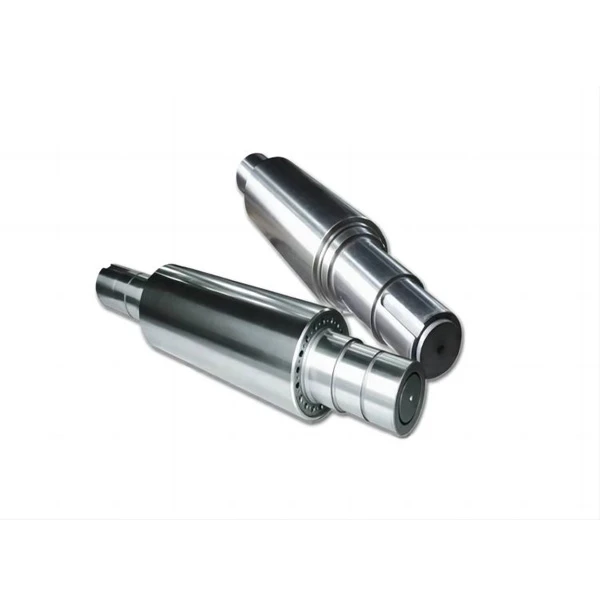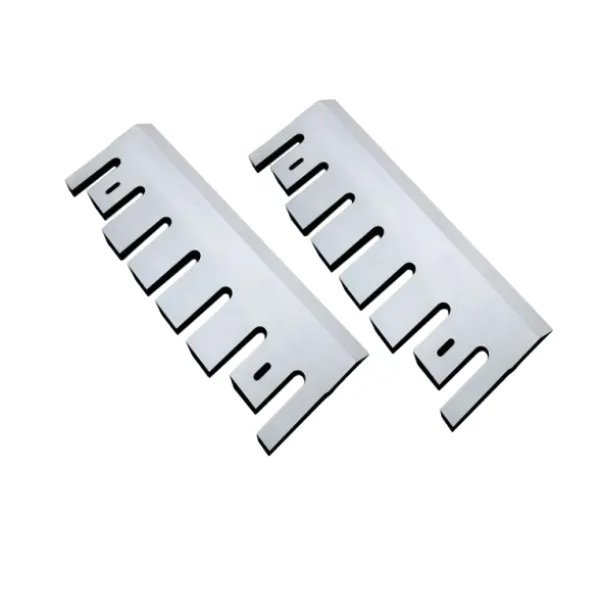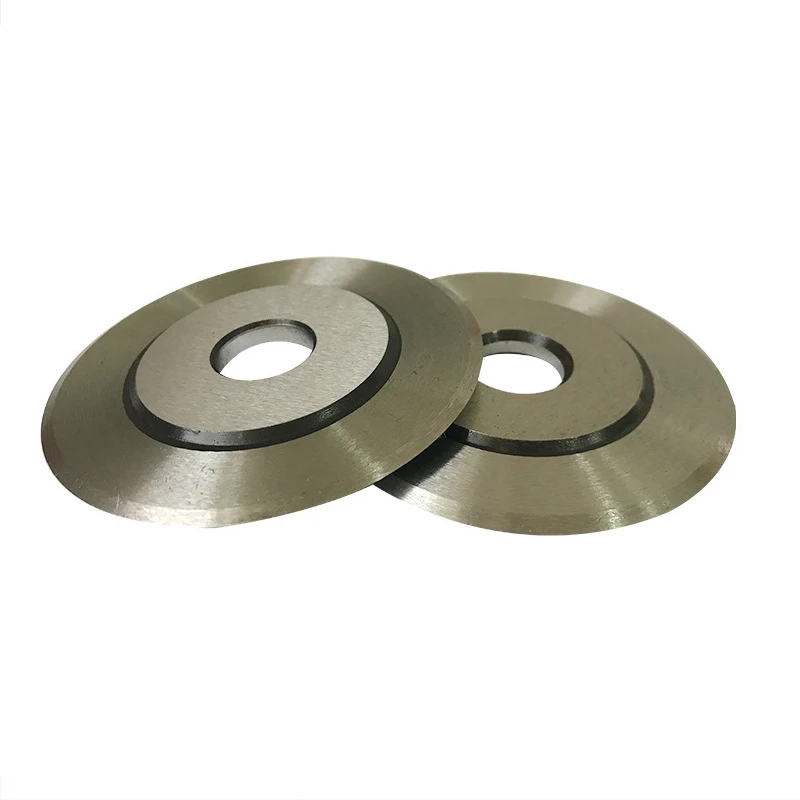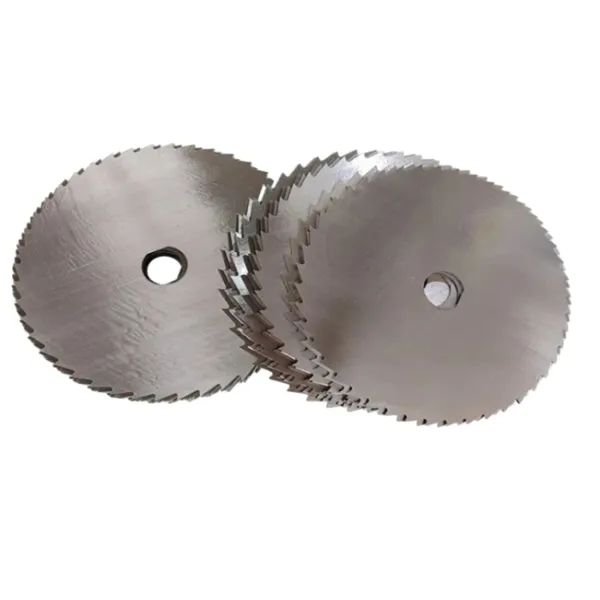
The Essential Role of Meat Grinder Blades and Plates in Global Food Processing
In the sprawling world of food processing, meat grinder blades and plates might not always grab the spotlight, but they quietly hold together one of the most vital processes: turning raw meat into countless culinary staples. Understanding these components isn’t just for factory operators or butchers. Globally, they represent a blend of engineering, food safety, and efficiency that drives economies and supports nutrition. As meat consumption patterns evolve and technology pushes forward, knowing what makes these blades and plates tick—and what trends influence them—becomes surprisingly valuable.
How Meat Grinder Blades and Plates Fit into the Global Food Industry
Meat processing is a billion-dollar global business, and its heartbeat often relies on the humble combination of blades and grinding plates. According to the UN's Food and Agriculture Organization, global meat production has more than doubled since the 1980s, amplifying the demand for efficient and sanitary grinding equipment. The World Bank has also highlighted the importance of modernizing food processing standards in emerging economies, where access to quality equipment—including meat grinder blades and plates—is still inconsistent.
But it’s not just about throughput and volume. The grind needs to be just right to ensure food safety, texture, and flavor—a challenge met by carefully designed blades and plates. Without them, the entire supply chain risks contamination, wastage, or uneven quality. This is especially critical in places handling high volumes or humanitarian food supplies.
Mini takeaway:
Meat grinder blades and plates are quietly pivotal to feeding millions, ensuring efficiency and safety across global markets.
Breaking It Down: What Exactly Are Meat Grinder Blades and Plates?
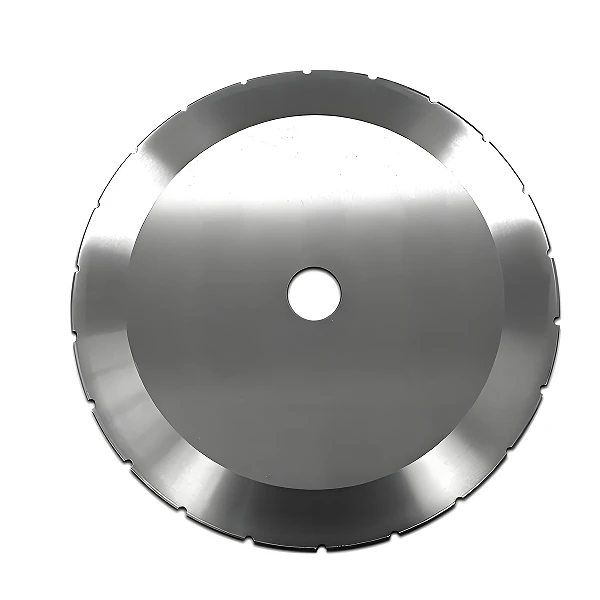
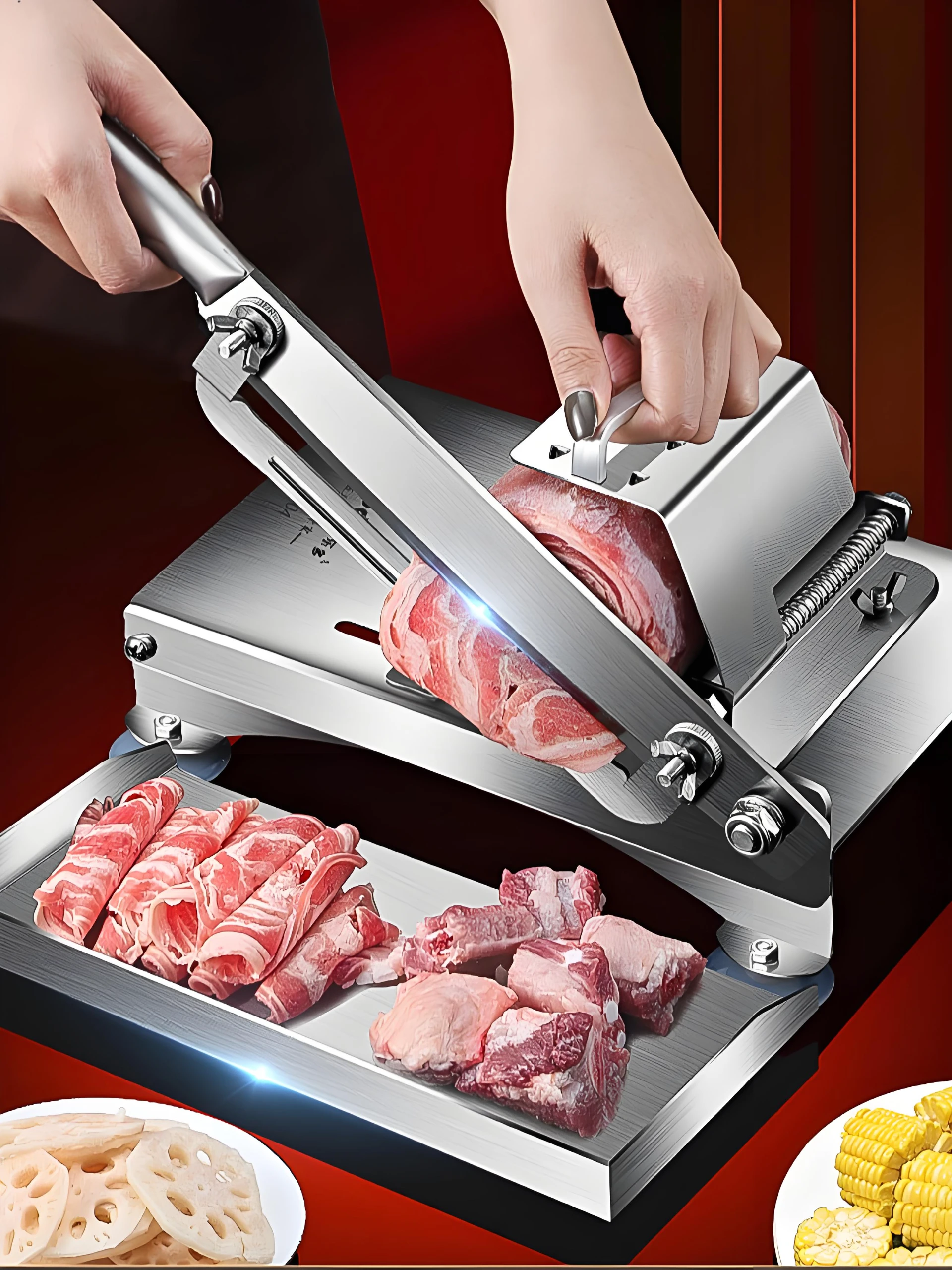
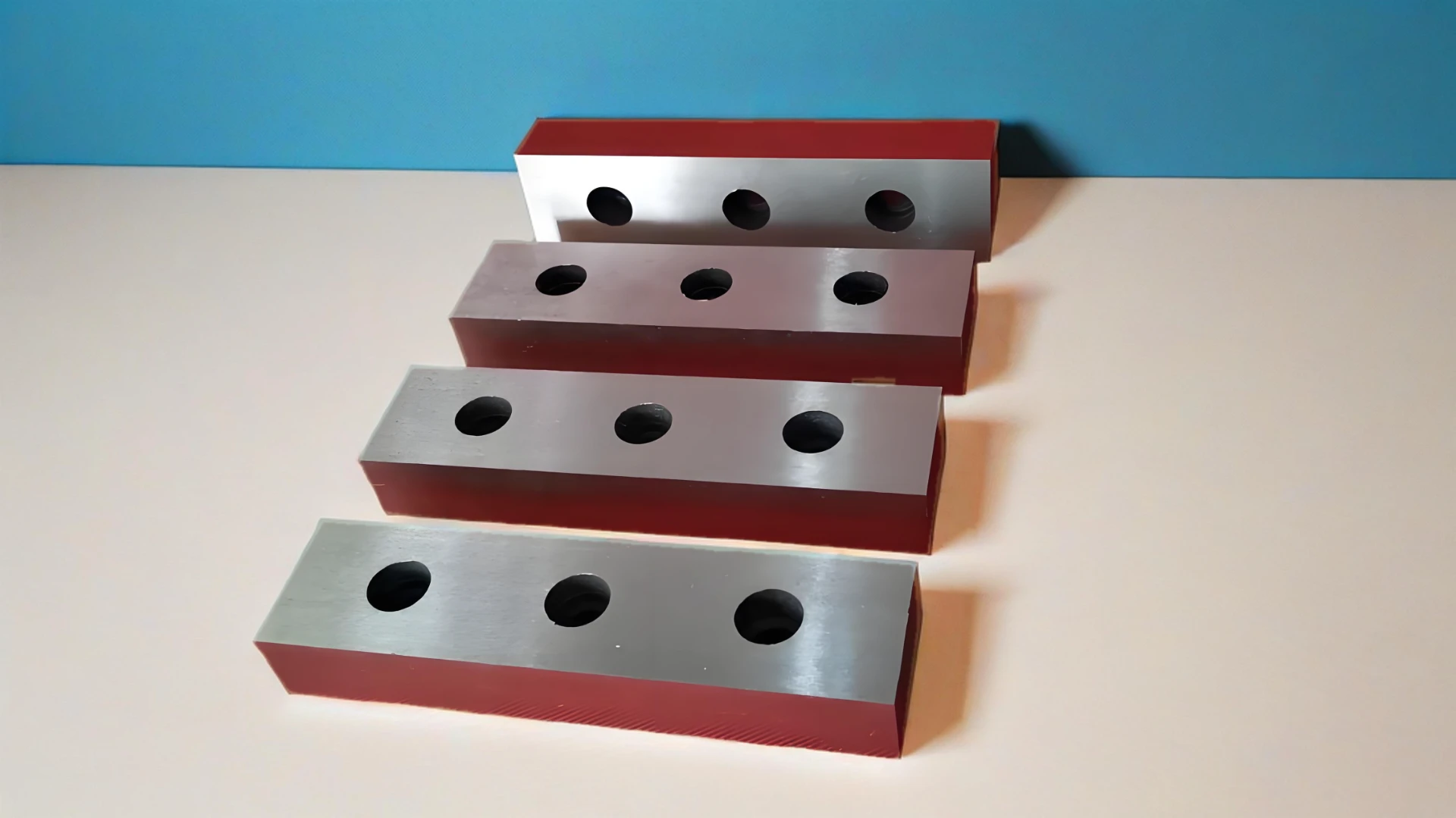
So, what are we actually talking about here? At their core, meat grinder blades are sharp, rotating cutters inside a meat grinder. They slice meat into smaller pieces, while the plates act like strained holes that regulate the size of the final ground product. Together, the blade and plate combo defines the grind’s texture—be it coarse chunks for chili or fine mince for sausage.
In modern industry, these components often blend stainless steel alloys for durability and hygiene. Interestingly, this simple mechanism supports everything from artisan butcher shops to large-scale food factories and emergency food distribution setups.
Mini takeaway:
In essence, meat grinder blades and plates serve as the core ‘cut and sieve’ system that determines meat quality and texture.
Key Aspects to Understand About Meat Grinder Blades and Plates
Durability and Material Quality
Perhaps the most vital factor is how these parts stand up over time. High-grade stainless steel with anti-corrosion coatings ensures blades don’t dull prematurely and plates don’t deform. In food processing, contamination from worn components is a big no-no.
Grinding Precision
Different plate hole sizes—from 3mm to over 10mm—offer versatility. The blade’s sharpness combined with plate hole geometry controls how finely meat is ground, impacting the final texture and mouthfeel.
Sanitation and Cleanability
Parts that are easy to dismantle and sanitize align with strict health standards set by ISO and FDA. Smooth surfaces and rust-proof materials help prevent bacterial buildup.
Compatibility and Scalability
Blades and plates must match grind sizes and grinder motor power. Industrial setups often need customizable combos meeting volume demands without sacrificing quality.
Cost Efficiency
Balancing initial investment with lifespan and maintenance costs matters. Cheaper plates might wear faster, ultimately costing more through downtime.
Mini takeaway:
Striking the right balance across durability, precision, hygiene, and cost defines effective meat grinding.
Real-World Use Cases: Where and How Meat Grinder Blades and Plates Matter
In remote industrial zones like meatpacking plants in Canada or Brazil, high-throughput grinders paired with durable blades and plates keep daily production fluent and safe. Meanwhile, humanitarian organizations distribute meat in powder or ground form in post-disaster relief operations, relying on dependable grinding equipment that performs under challenging circumstances.
In Europe, artisan butchers lean on various plates to diversify their product range—from coarse ground beef to ultra-fine veal tartare. Not all grinding plates and blades are created equal, and selecting the precise combination can differentiate product lines.
Mini takeaway:
Meat grinder blades and plates find practical footing in everything from large factories to small butcheries and international aid programs.
Advantages and Long-Term Value of Investing in Quality Components
- Cost Savings: Durable blades and plates reduce downtime and replacement frequency.
- Sustainability: Stainless steel parts last longer and can often be recycled.
- Food Safety: Properly designed and maintained blades minimize contamination risks.
- Product Consistency: Ensures customers get the taste and texture they expect.
- Social Impact: Reliable equipment supports food supply chains that nourish communities.
On a personal note, many engineers I’ve spoken with emphasize that a sharp blade isn’t just about cutting—it’s about trust. Trust that the product will perform, trust that it will keep people safe, and trust that the business will thrive.
Product Specifications of Typical Meat Grinder Blades and Plates
| Feature | Specification | Benefit |
|---|---|---|
| Material | Stainless steel 304 / 316 | Corrosion resistance, hygienic |
| Blade Diameter | 45mm - 120mm | Fits various grinder models |
| Plate Hole Sizes | 3mm, 5mm, 7mm, 10mm, 12mm | Controls grind texture |
| Blade Edge Type | Honed, sharpened | Consistent cutting performance |
| Weight | 50g - 300g | Easy handling and installation |
Comparing Top Vendors: What Sets Them Apart?
| Vendor | Material Quality | Customization | Price Range | Lead Time |
|---|---|---|---|---|
| MechBlades Inc. | Premium SS 316, FDA approved | Full size and hole customization | $$$ | 2-4 weeks |
| GrindTech Solutions | SS 304, industrial grade | Limited standard sizes | $$ | 1-3 weeks |
| SteelEdge Components | Coated carbon steel, less corrosion resistant | Custom sizes on request | $ | 3-5 weeks |
Looking Ahead: Future Trends in Meat Grinder Blades and Plates
It’s fascinating how this niche keeps evolving. Advances like nanocoatings for blade sharpness retention, 3D printing of custom plates for rapid prototyping, and eco-friendly stainless steel refining are making waves. Automation tied to IoT sensors is enabling grinders to alert operators when blade sharpening or plate replacement is due — cutting down on guesswork and waste.
There’s also growing pressure to improve sustainability, from sourcing to end-of-life recyclability. Companies are experimenting with hybrid materials that maintain sharpness longer but reduce the environmental footprint.
Common Challenges and Smart Solutions
One recurring hurdle is abrasion and wear causing blade dullness faster than expected, especially in high-volume operations handling frozen or fibrous meats. Another issue is plate clogging, which can stall production and increase cleaning time.
Solutions include switching to advanced alloys, applying ceramic coatings, designing self-cleaning plate geometries, and implementing regular maintenance schedules aided by digital monitoring systems. Several grinders now come with quick-release mechanisms for faster blade and plate swapping.
FAQ: What You’re Asking About Meat Grinder Blades and Plates
Q1: How often should I replace meat grinder blades and plates to maintain efficiency?
A: It depends on use frequency and meat type but typically blades are replaced every 6-12 months in moderate use environments. Plates often last longer but should be inspected for wear and deformation regularly. Sharpness visibly affects grinding quality and safety.
Q2: Can I use standard plates and blades across different grinder models?
A: Not always. Compatibility depends on blade diameter, plate size, and grinder power specs. Check manufacturer guidelines and consider custom options if necessary to avoid operational issues.
Q3: Are stainless steel blades better than carbon steel?
A: Stainless steel offers superior corrosion resistance and easier cleaning, making it the industry norm. Carbon steel blades can be sharper initially but require more maintenance and risk rusting.
Q4: How do I clean and sanitize meat grinder blades and plates safely?
A: Disassemble components carefully, soak in warm soapy water, scrub with a brush, then sanitize using food-safe agents or hot water. Dry thoroughly to prevent rust. Follow ISO 22000 food safety standards.
Q5: Is it possible to customize plates for unique grind textures?
A: Yes, many vendors offer custom plate hole sizes and patterns. This is especially popular for niche products or artisanal brands looking for a signature texture.
Conclusion: Why Meat Grinder Blades and Plates Are Worth Attention
Whether you’re an industry professional, a small business owner, or simply curious, appreciating the role of meat grinder blades and plates reveals a hidden backbone of food processing worldwide. Quality components mean better food safety, superior product consistency, and ultimately, a more sustainable and trustworthy supply chain. Oddly enough, the difference between a standard grind and an exceptional one often comes down to these small but mighty parts.
Interested in exploring top-tier options? Visit our website for a deep dive into premium meat grinder blades and plates and find the right fit for your needs.