Understanding Mincer Plates and Blades: Why They Matter Globally
If you’ve ever wondered what’s behind the perfect texture of finely ground meat or vegetables you enjoy, it’s probably the trusty mincer plates and blades at work. These modest-looking but vital components not only determine the quality of food processing but also have extensive implications, ranging from industrial manufacturing to disaster relief kitchens.
Globally, the food and processing industry demand for efficient mincing solutions is growing at a rapid clip — approximated to hit a multi-billion-dollar market size by 2027 (source: Statista). Beyond culinary applications, humanitarian agencies rely heavily on portable, reliable mincers for safe food prep in crisis zones. Understanding these mechanical pieces means appreciating the intersection where design, durability, and innovation meet.
Why Are Mincer Plates and Blades Crucial Globally?
Think of mincer plates and blades as the heart and lungs of the grinding process. Globally, food security remains a pressing challenge — the UN Food and Agriculture Organization (FAO) reports that food waste occurs at every stage of the supply chain. Efficient mincing technologies help optimize raw material use, reduce waste, and speed up processing. Also, in regions like Southeast Asia, Africa, and parts of Latin America, where meat and vegetable grinding happens on smaller scales, precision-engineered plates and blades can make all the difference between spoilage and delivering safe nutrition.
Oddly enough, while the concept is simple—cut or crush raw material—the variations in plate hole sizes, blade edges, and materials profoundly affect throughput and quality. A poorly chosen mincer plate can cause uneven grinding, increased energy consumption, or even contamination risks.
What Exactly Are Mincer Plates and Blades?
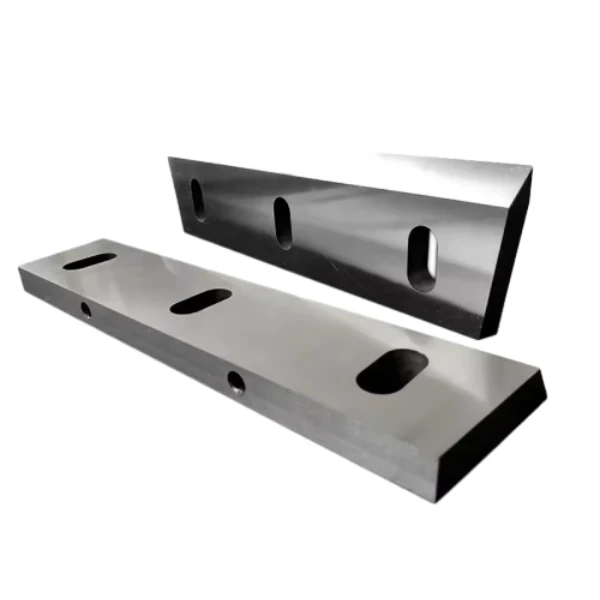
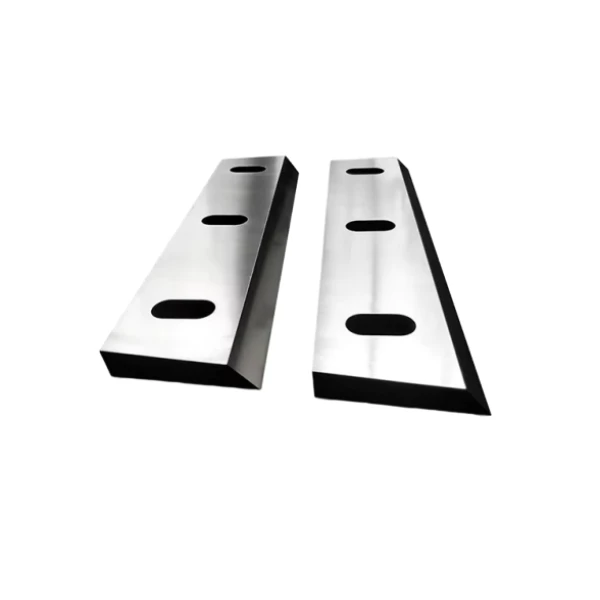
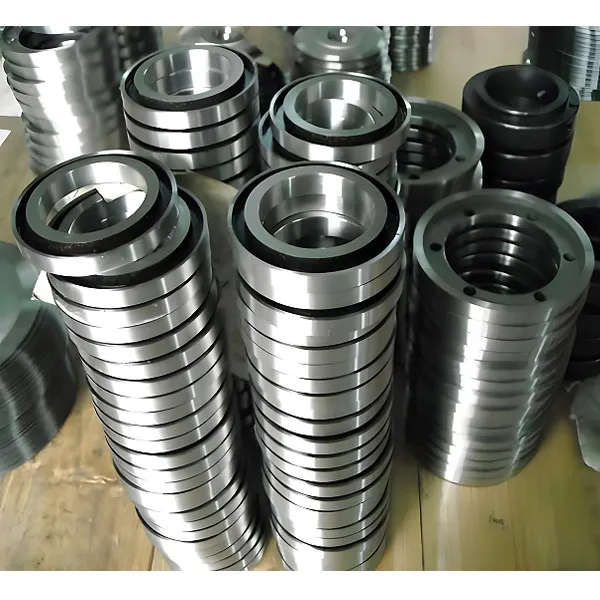
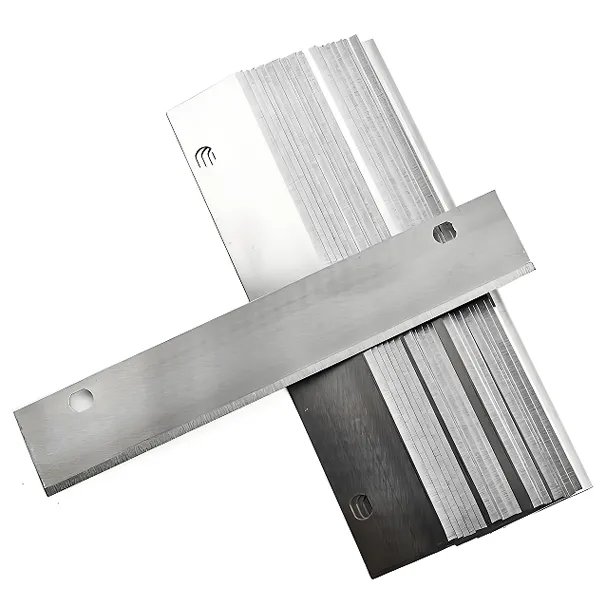
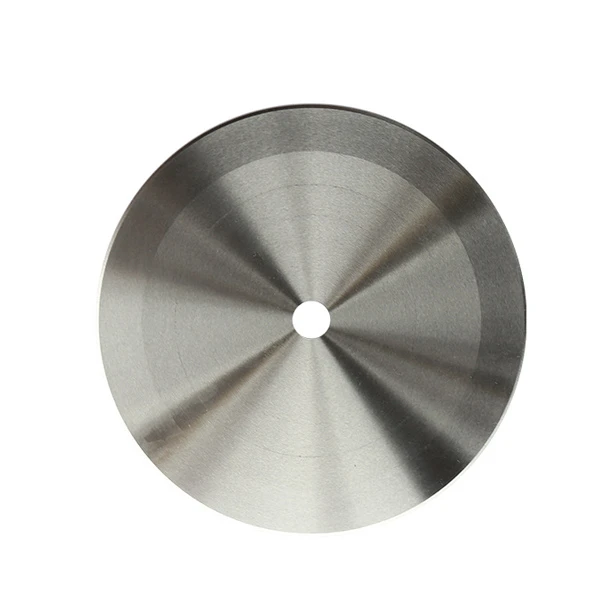
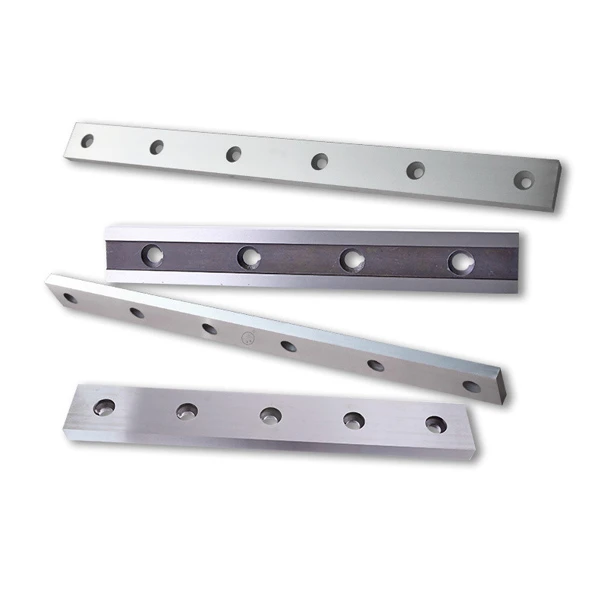
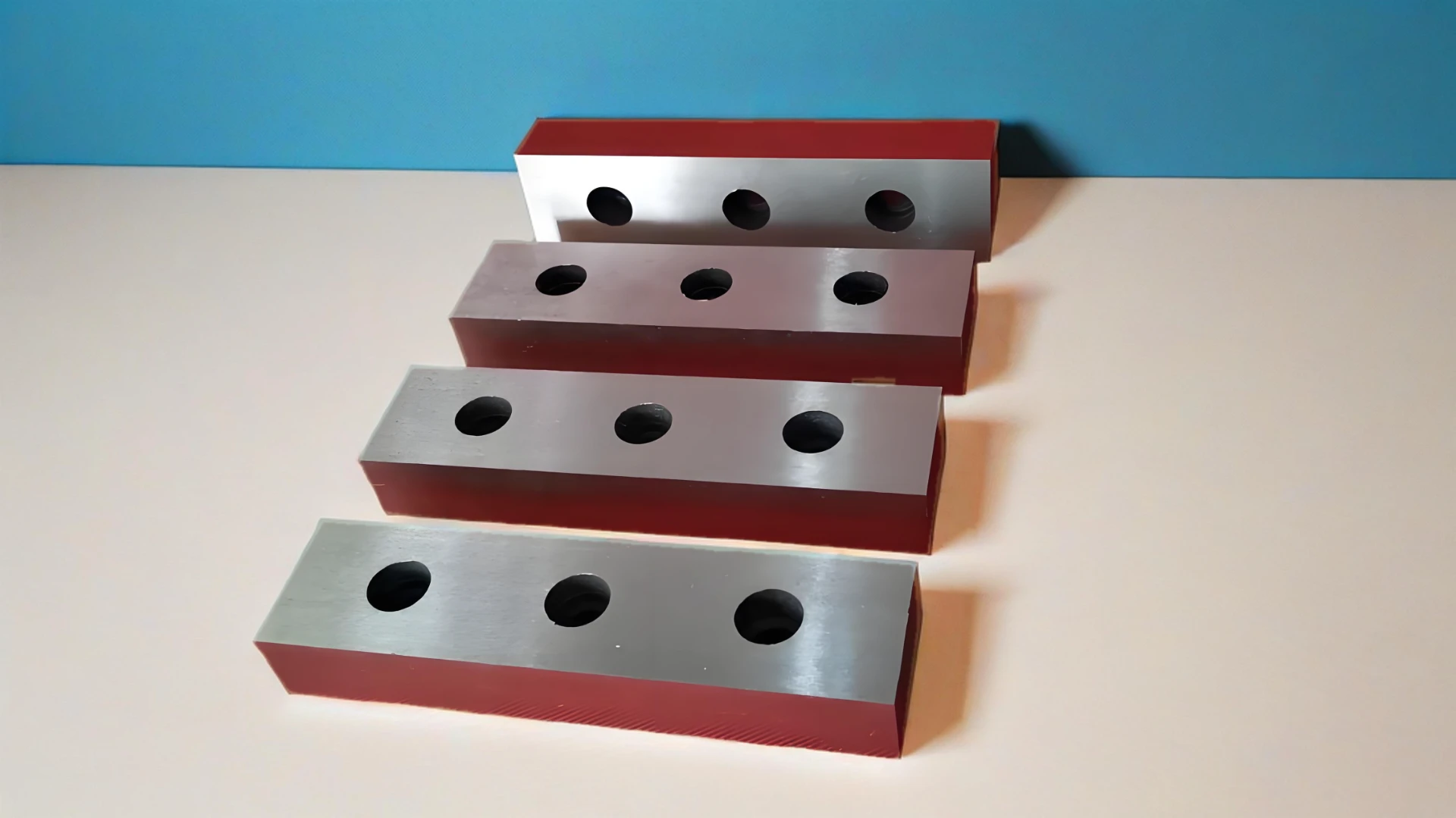
To put it simply, mincer plates and blades are interchangeable parts of a meat or vegetable grinder. The blade is the rotating sharp element that chops the food as it’s pushed through the fixed plate with holes of specific diameters — think of it as a sieve and chopper working in a symbiotic rhythm.
In industrial terms, these components must balance sharpness, strength, and hygiene compliance. Materials like stainless steel are common to resist corrosion, while the precise engineering controls particle size. Beyond kitchens, specialized mincer plates and blades are critical in pharmaceutical processing and manufacturing delicately ground raw materials.
Interestingly, humanitarian agencies designing quick-deploy kitchens for disaster zones sometimes choose mincer systems that are easy to clean, durable, and compatible with manual or electric drives—because electricity isn’t always reliable there.
Key Features of High-Quality Mincer Plates and Blades
1. Durability
The first thing engineers and chefs look for is durability. Stainless steel with high chromium content is often the go-to for corrosion resistance and maintaining sharpness. In real terms, tough materials reduce the frequency of replacements, which is crucial for both cost control and hygiene.
2. Scalability
Mincer plates and blades need to scale from small kitchen models to industrial grinders handling tons a day. This means design modularity and availability in varied hole sizes (2mm, 3mm, 6mm, etc.) to satisfy different textures and applications.
3. Cost Efficiency
Frankly, the balance between upfront costs and long-term performance determines a lot. Blades that maintain sharpness longer save electricity and reduce downtime. Some vendors now offer resurfacing services that cost less than replacements.
4. Hygiene and Safety
Since mincer blades come into direct contact with food, materials and design must meet strict FDA or ISO standards, making cleaning easy and preventing bacterial buildup. Rounded edges and polished surfaces aren’t just for looks.
5. Compatibility and Customization
More companies nowadays offer customized plates and blades tailored for specific machines or grinding requirements. This flexibility lets processors optimize yields and texture without guesswork.
Mini Takeaway:
High-quality mincer plates and blades hinge on durability, scalability, cost, sanitation, and customization — all vital for efficient food processing or other industrial uses.
Where in the World Are These Tools Used?
The short answer: everywhere. But if you want specifics, consider these practical examples:
- Meat Processing Plants in Europe & North America: High-capacity grinders depend on specialized mincer plates to meet food safety regulations and production targets.
- Small-Scale Farmers in Africa: Manual or electric mincers equipped with simple yet rugged blades help smallholders process meat or vegetables efficiently, increasing food security locally.
- Disaster Relief Operations Worldwide: Agencies requiring quick, safe food prep carry portable mincers with corrosion-resistant components.
- Pharmaceutical Industry in Asia: Precise grinding of medicinal components demands ultra-fine, contamination-free plates and blades.
It’s rather striking how one essential tool transcends regions and industries — all because good mincer plates and blades are fundamental to quality output.
Advantages and Long-Term Value of Premium Mincer Plates and Blades
- Cost Savings: Longer blade life means fewer replacements and less downtime.
- Quality Assurance: Consistent particle size improves product uniformity and customer satisfaction.
- Environmental Impact: Efficient grinding reduces waste and energy use.
- Emotional Trust: Knowing the components meet hygiene and safety standards fosters confidence in end products.
- Sustainability: Materials and cleaning ease promote longer machine lifespans and less landfill waste.
Looking Ahead: Innovations Shaping Mincer Plates and Blades
The future looks promising — especially with advances like:
- Smart Grinding Plates: Embedded sensors to monitor wear and performance in real-time.
- Eco-Friendly Materials: New alloys and coatings for even more corrosion resistance with less environmental cost.
- Automation-Ready Designs: Components tailored for integration with IoT-enabled industrial grinders.
- 3D Printing: Rapid prototyping and customized part manufacturing for niche needs.
As manufacturing leans greener and smarter, even humble mincer plates and blades are not left behind. It’s a subtle but exciting frontier.
Common Challenges and Some Smart Solutions
Despite their importance, mincer blades and plates face challenges:
- Wear and Tear: Sharpness inevitably dulls — some companies are experimenting with quick-change systems to minimize downtime.
- Corrosion Risks: Strict hygiene protocols demand non-rusting surfaces, pushing R&D toward advanced stainless steels.
- Compatibility Issues: Customers sometimes struggle finding exact replacements for older machines — vendors offering customization handle this well.
Innovation and attentive customer support seem to be the winning combo here.
Product Specification Table
| Specification | Standard Plate & Blade Set | Heavy-Duty Industrial Set |
|---|---|---|
| Material | Stainless Steel AISI 304 | Hardened Stainless Steel AISI 420 |
| Hole Diameter Options | 3mm, 5mm, 8mm | 2mm, 4mm, 6mm, 10mm |
| Blade Type | Double Edge | Quad Edge with Coating |
| Weight | 0.5kg | 1.2kg |
| Cleaning Method | Dishwasher Safe | Manual Cleaning with Sanitizer |
Vendor Comparison: Selecting the Right Mincer Plates and Blades
| Vendor | Material Quality | Customization Options | Price Range | Lead Time |
|---|---|---|---|---|
| MechBlades | Premium AISI 420 | High — Custom sizes & coatings | $$$ (Mid-High) | 1-2 weeks |
| GlobalGrind | Standard Stainless Steel | Limited | $ (Budget) | 3-4 weeks |
| Precision Cuts Inc. | Hardened Steel Alloy | Moderate — Mostly standard sizes | $$ | 2 weeks |
Frequently Asked Questions About Mincer Plates and Blades
- What sizes of mincer plates and blades are best for home use?
- For home kitchens, plates with hole diameters between 3mm and 5mm are ideal. They give a good balance between fine and coarse grinding, suitable for most meats and vegetables.
- How often should I replace mincer blades to maintain efficiency?
- Typically, blades need replacement every 3-6 months depending on usage frequency and material type. Frequent sharpening or resurfacing can extend blade life in some cases.
- Are custom mincer plates worth the extra cost?
- If your processing requires specific textures or fits unusual machines, custom plates and blades can improve efficiency and reduce waste. For standard uses, off-the-shelf products usually suffice.
- Can mincer plates and blades be used for non-food applications?
- Yes, in industries like pharmaceuticals or cosmetics, specialized mincer components crush different raw materials. However, materials and standards differ due to hygiene and contamination controls.
- Where can I find replacement mincer plates and blades quickly?
- Reliable suppliers like MechBlades offer fast shipping and custom options. It’s best to stock spare sets if frequent use is expected.
Conclusion and Next Steps
To wrap up, mincer plates and blades play a surprisingly central role not only in the kitchen but across industries that demand precision, durability, and safety. Their design intricacies and materials determine the efficiency, sustainability, and trustworthiness of grinding operations worldwide.
Interested in upgrading your grinding components or learning more? Visit our website at https://www.mechblades.com for an extensive range of mincer plates and blades tailored to your needs. Because sometimes, it’s the smallest parts that make the biggest difference.