What Makes Potato Cutter Blades Essential in Modern Food Processing?
Potato cutter blades are those nifty tools that slice, dice, and julienne potatoes quickly and efficiently — often powering mass production lines in food factories and busy kitchens alike. You might not have thought much about them, but given how widely potatoes are consumed worldwide, understanding the role and benefits of these blades matters more than it sounds at first.
Globally, potatoes rank as the world’s fourth-largest food crop after rice, wheat, and maize. According to FAO statistics, over 370 million tons are produced annually, fueling countless meals and processed goods. Efficiently preparing potatoes at scale depends heavily on tools like cutter blades to save time, reduce waste, and ensure even cooking. So, getting a handle on what makes potato cutter blades tick can spell big savings, better health standards, and happier consumers everywhere.
A Quick Dive Into What Potato Cutter Blades Actually Are
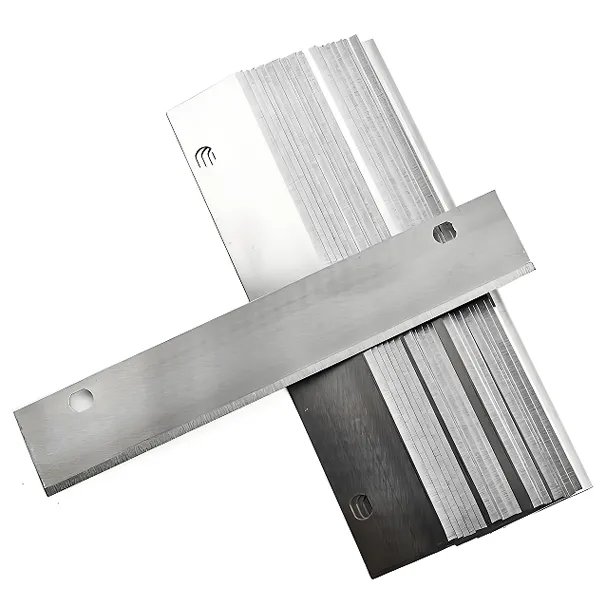
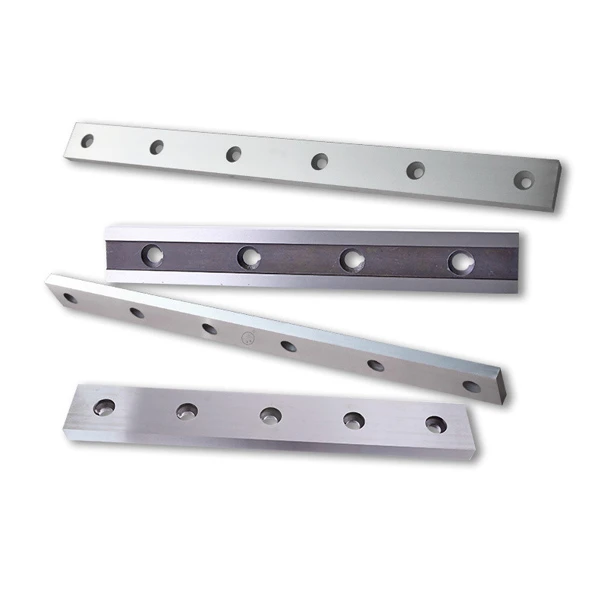
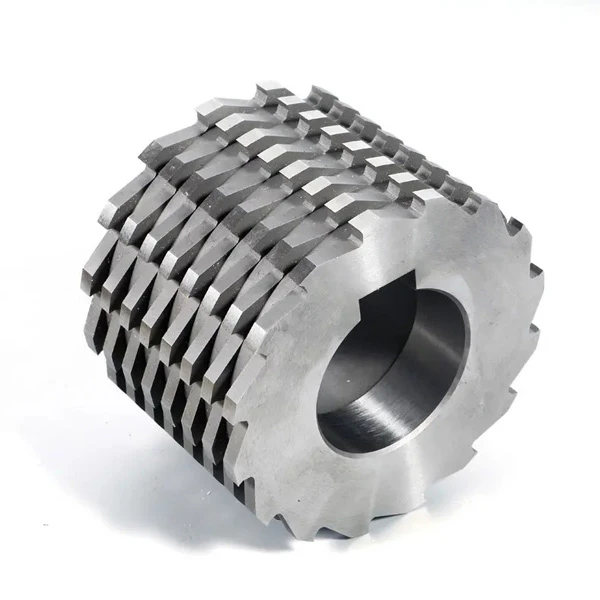
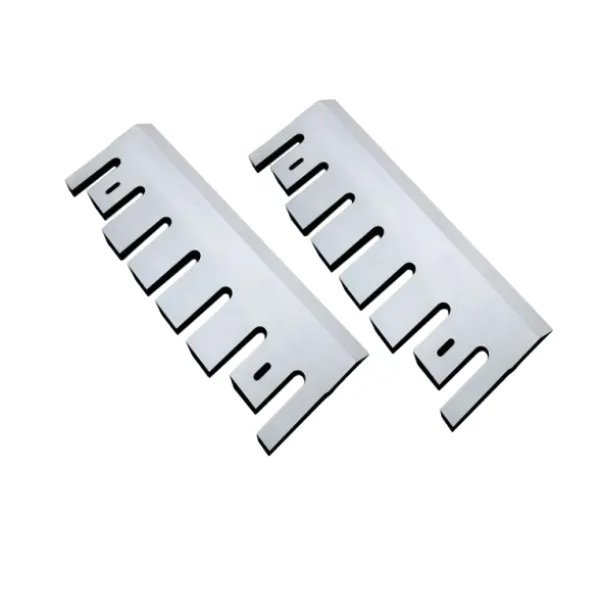
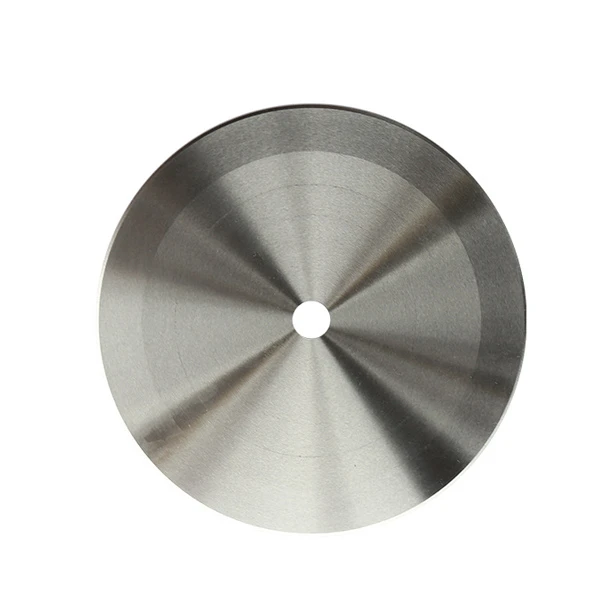
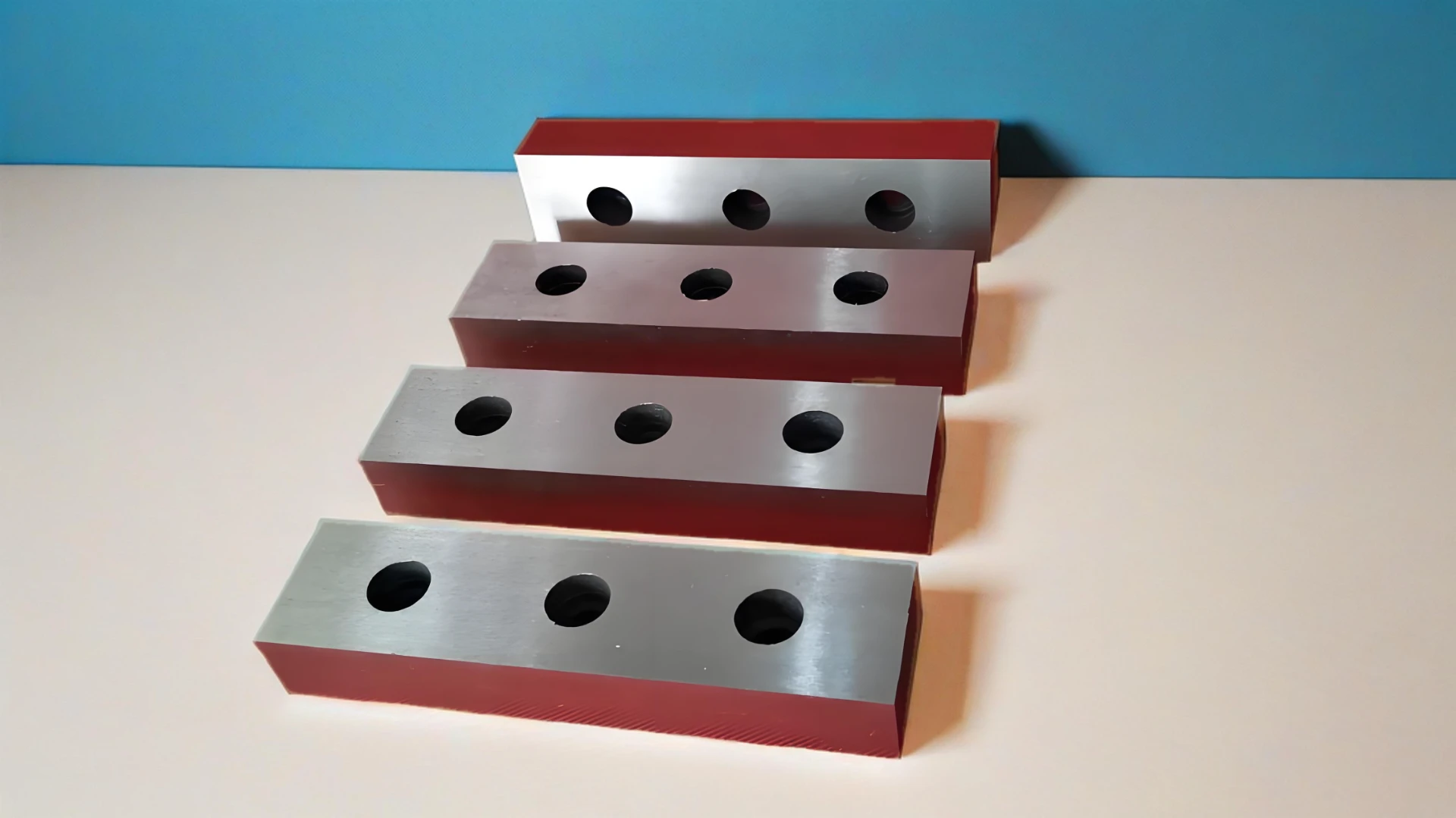
Simply put, potato cutter blades are the sharp-edged components designed specifically to cut potatoes into various shapes—think straight chips, crinkle cuts, wedges, or even fries. They’re usually made from high-quality stainless steel or hardened alloys to withstand constant use, avoid rust, and keep that sharp edge.
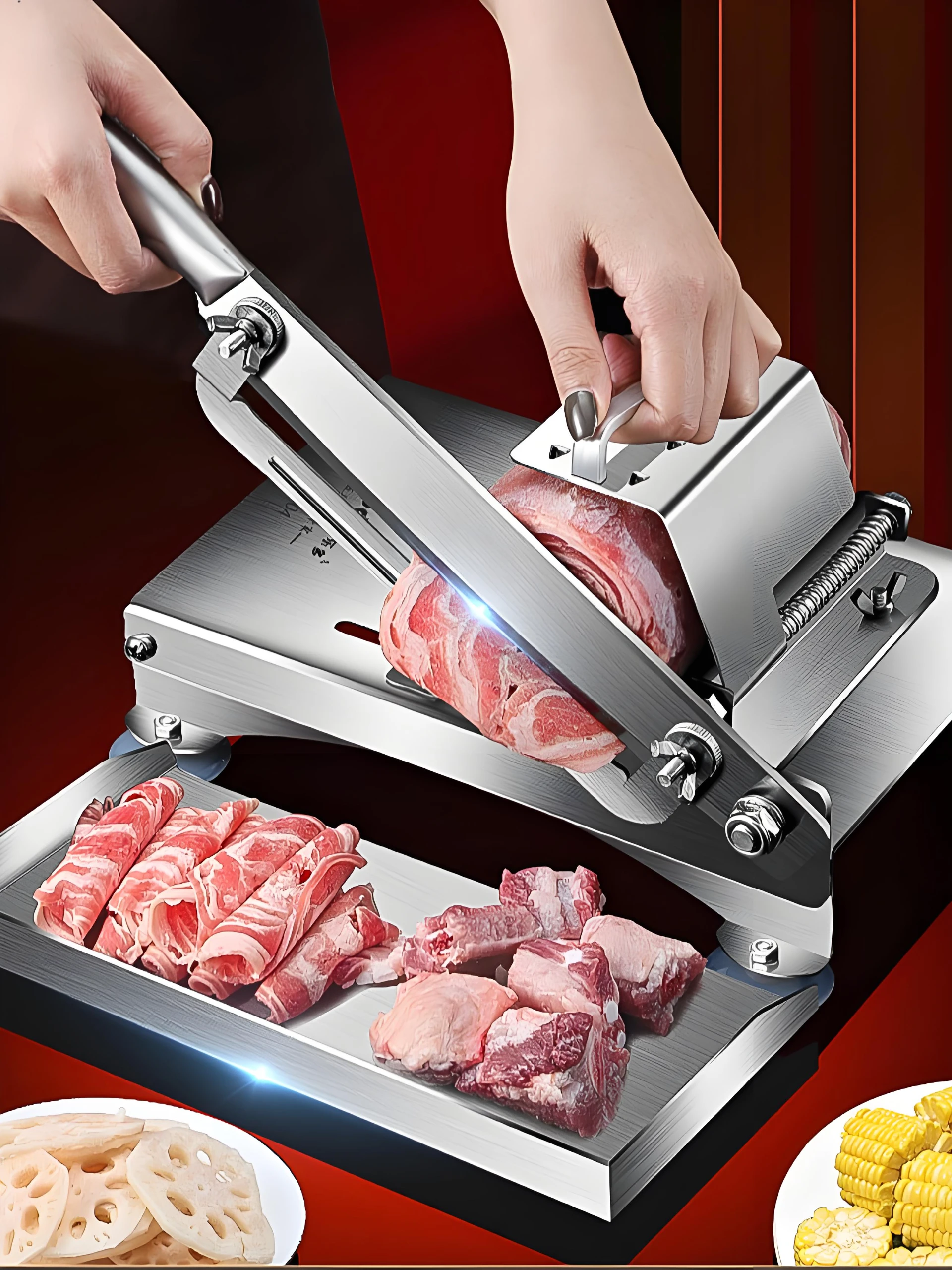
These blades are a staple in both industrial food-processing equipment and manual cutting devices. Without them, producing uniform potato products at scale—or even prepping large volumes fast—is a near-impossible task. Interestingly, humanitarian organizations also rely on them during emergency relief for large-scale food prep, showing their broader importance beyond just commercial kitchens.
Key Features That Define Great Potato Cutter Blades
Durability
If a blade dulls or corrodes, your cutting speeds drop and product quality suffers. Durable blades often use stainless steel grades popular in ISO-certified food equipment, combining hardness with corrosion resistance. Many vendors even apply additional coatings to boost lifespan.
Sharpness & Precision
Sharp edges mean clean cuts, less waste, and uniform pieces, which are crucial for frying or baking consistency. A finely honed blade keeps fryers safer too—no rogue chunks that might burn unexpectedly.
Ease of Maintenance
Blades need replacing or sharpening regularly. Designs that allow quick removal or modular swapping cut downtime significantly, especially in large-scale operations.
Cost Efficiency
Balancing initial price against longevity and replacement frequency defines the blade's cost value. Sometimes a pricier blade pays off over months or years of usage.
Customization
Different regions and dishes call for varied cuts—French fries, steak fries, crinkle cuts, wedge-style. Vendors increasingly offer bespoke blade sets tailored to these preferences.
Food Safety Compliance
One can’t skip this: blades used in food processing must often meet strict FDA, EU, or ISO hygiene standards to protect consumers and simplify sanitation protocols.
Where in the World Do Potato Cutter Blades Make the Biggest Impact?
From the sprawling potato farms of Europe to processed snack factories in North America and fast-food chains across Asia, potato cutter blades keep the wheels turning. You’ll find them in:
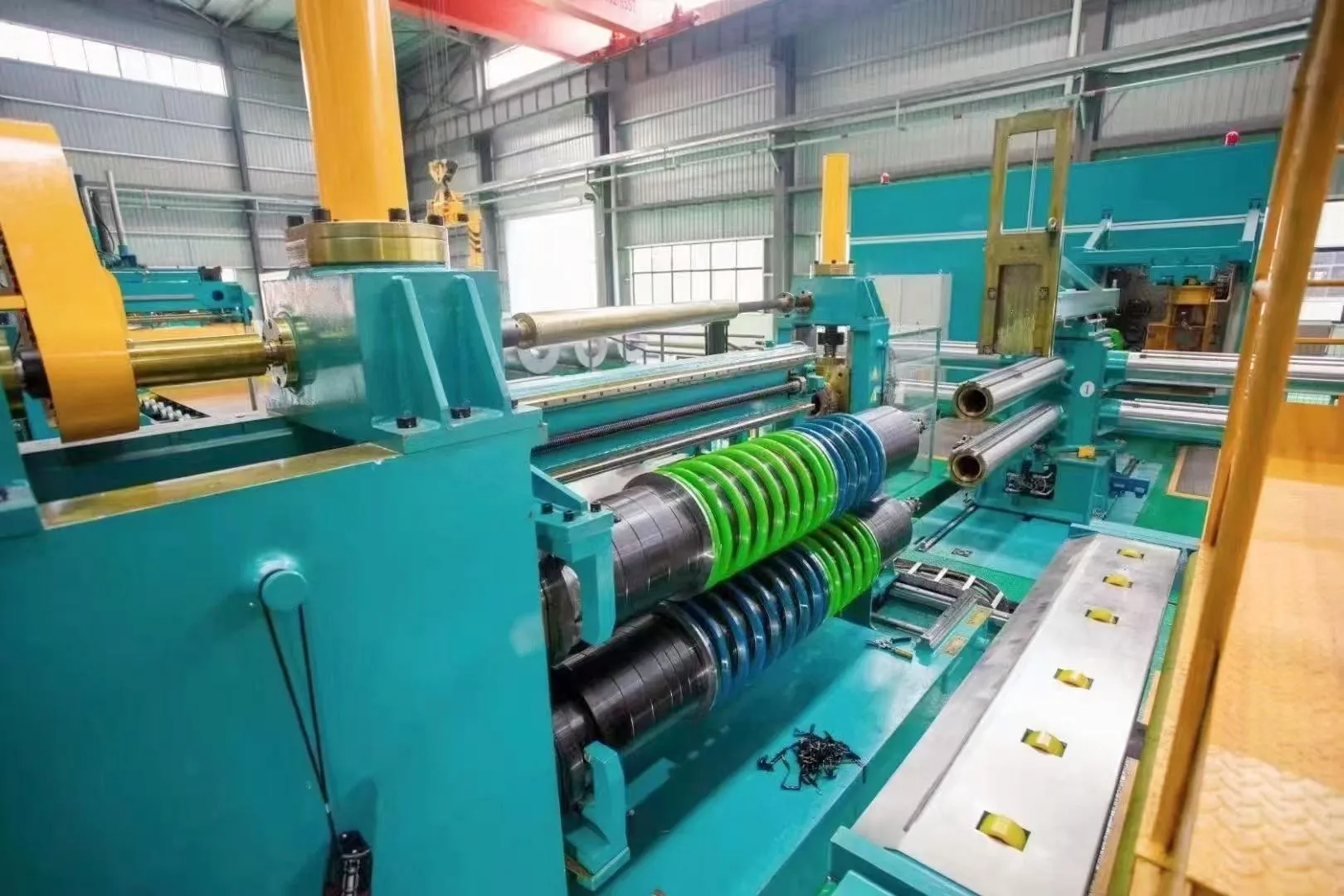
- Industrial Food Processing Plants: Efficiently mass-producing fries and potato snacks for supermarkets and restaurants worldwide.
- Restaurant Chains & Fast-Food Outlets: Daily prep of millions of portions — consistency is king here.
- Humanitarian Relief Kitchens: Preparing large quantities of food quickly during disaster response, where machinery robustness is key.
- Small-Scale Artisanal Producers: Where customization of cuts aligns with local culinary traditions.
For example: In post-disaster relief efforts coordinated by agencies like the Red Cross, modular kitchen units equipped with durable cutter blades help feed thousands daily, making the difference between quick service and bottlenecks.
Key Potato Cutter Blade Specifications You Should Know
| Specification | Typical Range / Value | Notes |
|---|---|---|
| Material | Stainless Steel 420 / 440C / Hardened Alloy | High corrosion resistance and edge retention |
| Blade Thickness | 2 mm – 4 mm | Affects cutting force and durability |
| Cut Shape Options | Straight, Crinkle, Wedge, Julienne | Wide range for product variety |
| Edge Sharpness | Ensures clean cuts and less waste | |
| Sanitation | FDA-compliant, Food-grade Surface | Minimizes contamination risks |
How Leading Vendors Compare When You Buy Potato Cutter Blades
| Vendor | Material Quality | Customization Options | Average Lifespan (months) | Price Range (USD) |
|---|---|---|---|---|
| BladeTech | 440C Stainless Steel | Full range; bespoke designs available | 8–12 | $150 – $400 |
| SharpSlice Co. | 420 Grade Stainless Steel | Standard shapes only | 5–9 | $90 – $250 |
| ProCut Solutions | Hardened Alloy Steel | Custom blades for unique cuts | 10–15 | $300 – $500 |
Why Investing in Quality Potato Cutter Blades Pays Off Big
For anyone in food processing or large-scale kitchens, quality blades are worth every cent. Beyond obvious cost savings from less frequent blade replacement, there’s a ripple effect:
- Reduced Waste: Sharp, uniform cuts mean more product, less going into the compost bin.
- Safety: Cleaner cuts reduce manual handling risks and contamination.
- Brand Reputation: Consistent product appearance builds customer trust and loyalty.
- Operational Efficiency: Less downtime for blade swaps keeps lines humming.
Emotionally, it’s about knowing your kitchen or factory stands behind quality and hygiene. For many engineers, it feels like a tangible way to boost trust with every crispy fries order fulfilled.
Emerging Trends and Innovations in Potato Cutter Blade Technology
The future’s looking interesting: manufacturers are experimenting with advanced ceramic coatings that make blades ultra-resistant to wear, reducing sharpening frequency drastically. Others explore smart sensors integrated in blades to track usage and wear, prompting replacements preemptively.
Automation-driven food lines increasingly require modular blades that snap in and out quickly, synced with robotic systems. Plus, sustainability-minded brands are pushing for 100% recyclable or responsibly sourced materials.
Oddly enough, there’s also research into antimicrobial blade surfaces that could add a second defense against foodborne bacteria — an exciting development given rising hygiene standards globally.
Challenges You Might Face with Potato Cutter Blades (and How to Solve Them)
Of course, no tech is flawless. Frequent challenges include:
- Dulling: Even best blades lose their edge eventually; setting a sharpening schedule and quick replacement systems are key.
- Compatibility: Not every blade fits every cutter or machine, so choosing vendor and blade specs carefully matters to avoid costly misfits.
- Cost vs. Quality: It’s tempting to opt for cheaper blades, but often, you pay more in downtime and waste.
Experts suggest maintaining a carefully logged inventory system — some teams even barcode or RFID tag blades to track lifespan accurately.
FAQ: Potato Cutter Blades
What materials are best for durable potato cutter blades?
Stainless steel grades like 420 and 440C are preferred because they balance hardness, corrosion resistance, and ease of sharpening. Hardened alloys offer enhanced edge retention but may cost more upfront.
How often should I replace or sharpen potato cutter blades?
Replacement intervals vary based on usage volume and blade quality; typically, every 8 to 12 months is standard in commercial environments, while sharpening may be needed more frequently. Monitoring cut quality visually helps decide.
Can I get custom-cut shapes for specialized dishes?
Yes, many vendors provide customized blade sets to accommodate unique shapes like waffle fries or shoestring cuts. Customization adds cost but pays off in product uniqueness.
Are potato cutter blades safe to use in food processing?
Absolutely, when sourced from reputable manufacturers adhering to FDA or ISO 22000 standards. Proper cleaning and maintenance ensure high hygiene and safety.
How do I know which vendor to trust for quality blades?
Look for certifications, customer testimonials, warranty terms, and clarity on materials used. A vendor that offers trial blades or samples is even better for testing compatibility.
Final Thoughts on Potato Cutter Blades
While often overlooked, potato cutter blades are a quietly critical part of the food industry. From keeping fries uniform to ensuring kitchens run efficiently, they wield more influence than they get credit for. Investing in robust, sharp, and compliant blades pays off in quality, sustainability, and ultimately customer satisfaction.
Curious to explore top-tier blades crafted for your business? Visit our website at https://www.mechblades.com today and slice through inefficiencies once and for all.
1. Food and Agriculture Organization of the United Nations (FAO) – Potato Statistics 2023: fao.org
2. ISO Food Safety Standards – ISO 22000:2018
3. U.S. FDA Food Safety Modernization Act (FSMA) Guidelines