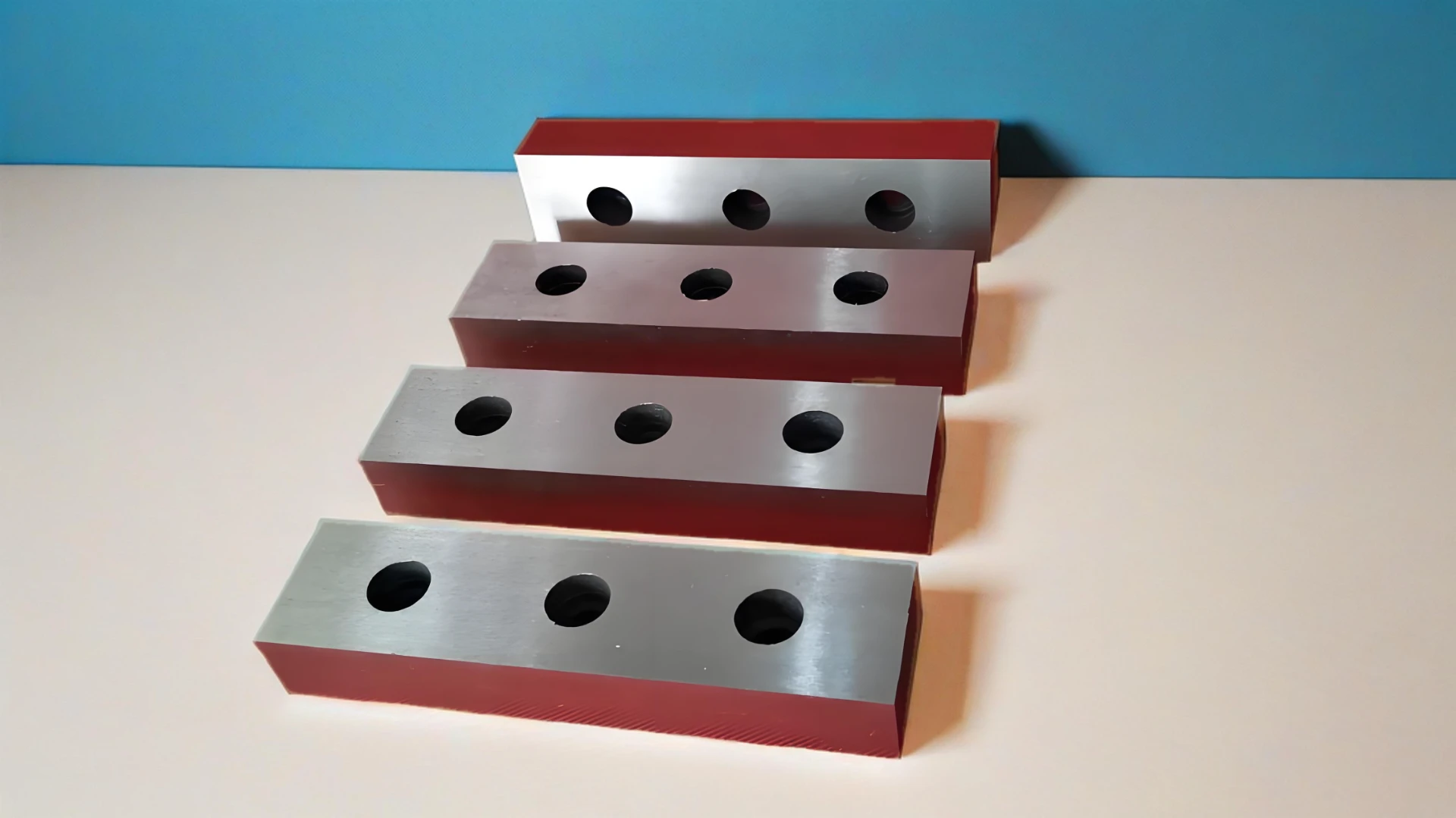
The Slice of Progress: Why Tomato Slicer Blades Matter Worldwide
Tomato slicer blades might not be the headline-grabbing innovation of our times, yet their role in food processing and consumer convenience is surprisingly significant across global industries. Whether in bustling industrial kitchens, large-scale food processing plants, or remote humanitarian food programs, a good tomato slicer blade ensures consistent slices, reduces wastage, and enhances processing speed.
Why does this matter? The UN estimates that one-third of all food produced worldwide is wasted, often before reaching consumers, and inefficient processing can play a part in this.1 With the rising demand for fresh produce and prepared foods, industries are compelled to optimize minimal waste and maximum precision — both of which depend heavily on quality blades. Understanding how tomato slicer blades contribute to solving these challenges can improve sustainability and profitability worldwide.
Mini takeaway: Tomato slicer blades are a quietly vital cog in the global food chain, boosting efficiency and reducing waste — pretty cool when you think about it.
Global Context: How Tomato Slicer Blades Support Food Industries Everywhere
The global food processing equipment market is expected to grow steadily, with equipment that includes slicers and cutters becoming more advanced.2 Tomato slicer blades, although niche, directly impact productivity. According to ISO standards on food processing machinery (ISO 8434), precision and hygiene in slicing blades correlate with food safety and shelf life improvement. Roughly 15% of losses in fresh food are attributed directly to improper handling — including poor slicing.3
One challenge tomato slicer blades tackle globally is providing uniform slices rapidly to meet high output demands without compromising the fruit’s integrity. Poor blade quality leads to crushed tomatoes, soggy sandwiches, and what I’d call “sad salads.” And on a less whimsical note, food producers face pressure from both consumers and regulators to reduce bacterial contamination, improve shelf life, and maintain appearance. Blades are the frontline of those expectations.
Mini takeaway: In a fast-paced, stringent food supply chain, tomato slicer blades that deliver speed, accuracy, and hygiene are absolute must-haves.
Defining Tomato Slicer Blades and Their Roles
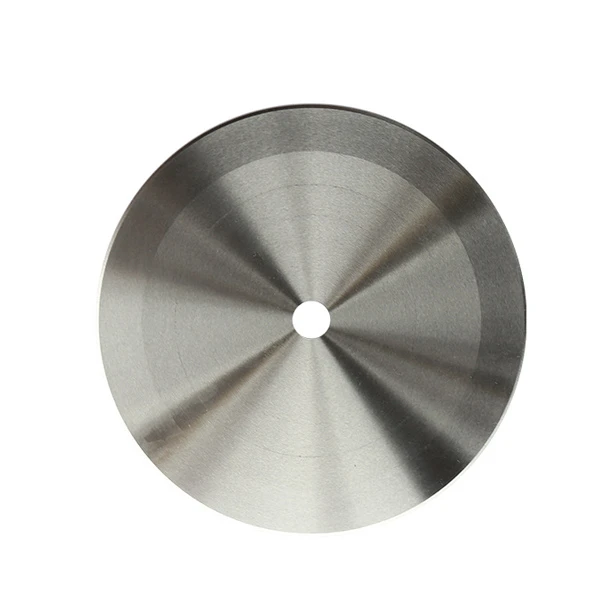
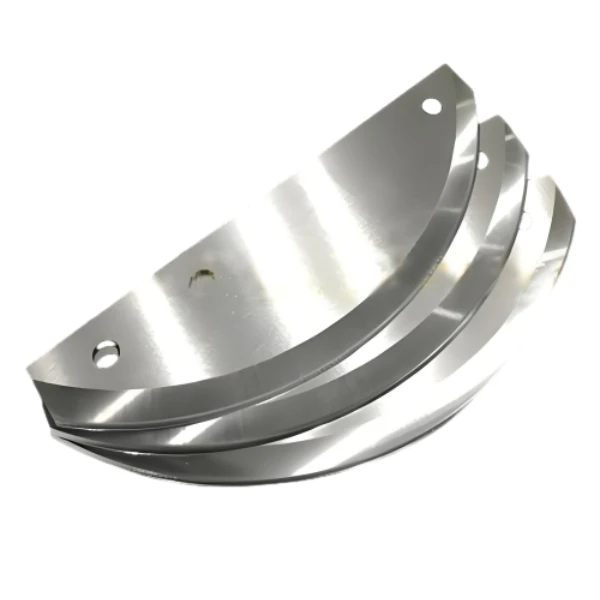
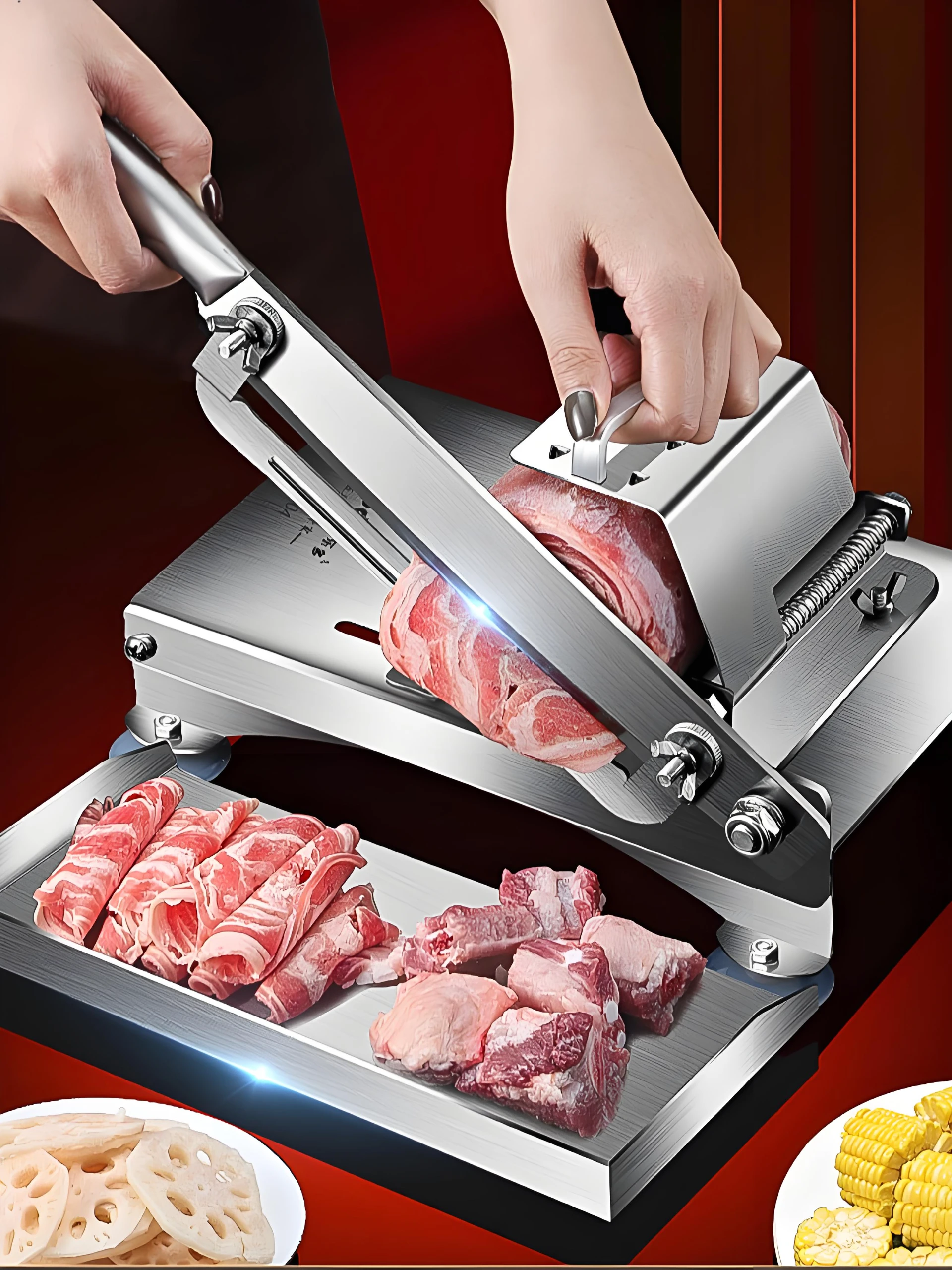
At its simplest, a tomato slicer blade is a specialized cutting component designed specifically to slice tomatoes cleanly and efficiently, typically part of a larger slicing machine or handheld device. The blade’s shape, sharpness, and material composition focus on handling the tomato’s soft but layered texture — think a delicate balance between firmness and fragility.
But beyond being “just a blade,” these tools represent an intersection of food processing engineering, material science, and practical kitchen efficiency. In humanitarian food distribution scenarios, for instance, uniform slicing facilitated by these blades ensures portion control and enhances meal quality, elevating dignity for recipients.
Core Components and Key Factors of Tomato Slicer Blades
Durability
Practically speaking, a tomato slicer blade must withstand repetitive slicing without dulling quickly. Stainless steel alloys with high carbon content are often chosen for their balance of sharpness retention and corrosion resistance. This lengthens the blade’s service life, a decisive factor in heavy-use environments.
Sharpness and Edge Geometry
The blade’s edge geometry affects how cleanly it slices. Serrated edges are common for gripping slippery tomato skins, while straight edges suit machines prioritizing speed over delicacy. Engineers typically optimize the bevel angle to ensure minimum crushing with maximum throughput.
Hygiene Compliance
Food-grade materials and polished surfaces reduce bacterial buildup. Many blades are designed for easy cleaning or quick swaps, aligning with hygiene standards that are non-negotiable in food processing, especially in fresh produce slicing.
Cost Efficiency
The procurement price, maintenance frequency, and replacement cost form a trifecta guiding purchase decisions. In many factories, a $10 blade that dulls quickly becomes more expensive than a $30 blade with longevity.
Compatibility and Customization
Blades come in varied sizes and fitting styles. Modular slicer designs allow swapping blades for different slice thicknesses or produce types (e.g., tomatoes versus cheese). Custom blades can better suit unique production lines.
Safety Features
Safety locks, blade guards, and ergonomic design help minimize accidents, which is especially relevant in manual slice operations.
Real-World Uses: From Industrial Plants to Remote Kitchens
Globally, tomato slicer blades serve distinct sectors:
- Industrial food processors: Automated slicing lines benefit from hard-wearing, precise blades that boost output and reduce downtime.
- Food service enterprises: Restaurants and catering services rely on handheld slicers for flexible operations.
- Humanitarian relief: NGOs providing fresh food in disaster zones use tomato slicer blades in food prep kits to ensure consistency under constrained conditions.
- Smallholder farm cooperatives: In places like Southeast Asia or Latin America, processors benefit from affordable blades to standardize product quality for export.
For instance, a relief camp in the Philippines after typhoon Haiyan integrated handheld tomato slicers with hygienic blades to speed meal prep without sacrificing nutrition or presentation.
Advantages & Lasting Value of Investing in Quality Tomato Slicer Blades
Quality tomato slicer blades unlock multiple benefits:
- Lower waste: Cleaner cuts mean less bruising and spoilage.
- Increased productivity: Faster, consistent slicing improves throughput.
- Food safety: Easy-to-clean materials reduce contamination risk.
- Cost savings: Durable blades reduce replacements and downtime.
- Enhanced consumer experience: Attractive uniform slices improve product appeal.
On a more emotional note, think of food producers and vendors who pride themselves on delivering fresh, beautiful meals — a quality tomato slice contributes to their customer’s satisfaction and brand trust. It’s the small things that count, after all.
Looking Ahead: How Tomato Slicer Blades Are Evolving
Future innovations in tomato slicer blades are intertwined with broader food tech trends:
- Smart materials: Self-sharpening alloys or coatings that resist corrosion are in trial phases.
- Automation integration: Blades designed specifically for robotic slicing machines, featuring sensors to detect blade wear.
- Eco-friendly options: Biodegradable or recyclable blade components minimizing environmental footprint.
- Digital monitoring: IoT-enabled slicers that track blade performance in real-time for predictive maintenance.
These innovations reflect rising global demands for sustainability and automation. It’s fascinating how something as “old school” as a blade is becoming high-tech and green.
Common Challenges and How Industry Experts Overcome Them
- Wear and dulling: Frequent slicing dulls blades rapidly, especially with tough or irregular tomatoes. Solution? Implementing scheduled blade maintenance and investing in premium materials.
- Sanitation difficulty: Cracks or serrations may trap residues. Designing blades with smooth transitions or modular disassembly simplifies cleaning.
- Compatibility issues: Non-standard blade sizes cause downtime. Standardization efforts and custom solutions help here.
- Cost barriers: High-quality blades can be pricey upfront. Bulk purchasing and lifecycle cost analysis justify investments.
Food engineers often advise running pilot tests with various blade models before large-scale adoption, as real-world tomato types and processing speeds vary widely.
Product Specification Overview: Popular Tomato Slicer Blades
| Feature | Standard Blade A | Premium Serrated B | Eco-Friendly Composite C |
|---|---|---|---|
| Material | Stainless Steel (High Carbon) | Stainless Steel + Titanium Coating | Biodegradable Polymer + Reinforcements |
| Blade Type | Straight Edge | Serrated Edge | Straight / Modular |
| Recommended Use | General Purpose Slicing | Soft Tomatoes & Fragile Skins | Low Volume / Environmentally Conscious |
| Estimated Lifespan | 5000+ slices before resharpening | 8000+ slices | 3000 slices, fully biodegradable |
| Price Range | $12-$18 | $25-$35 | $20-$28 |
Vendor Comparison: Top Tomato Slicer Blade Suppliers
| Vendor | Product Range | Customization | Lead Time | Warranty | Support |
|---|---|---|---|---|---|
| SliceTech Industries | Basic to Premium Blades | Yes, on bulk orders | 2–3 weeks | 12 months | 24/7 Phone & Email |
| FreshBlade Co. | Specialized serrated blades | Custom widths & coatings | 3–5 weeks | 18 months | Online chat & field support |
| EcoSlice Ltd. | Eco-conscious & biodegradable blades | Limited, focused on sustainability | 4 weeks | 6 months | Email support |
Frequently Asked Questions About Tomato Slicer Blades
Q1: How often should tomato slicer blades be replaced?
A: Replacement depends on usage intensity and blade material. In industrial settings, typical stainless steel blades last for about 5000 to 8000 slices before needing sharpening or replacement. Regular maintenance can extend this lifespan — checking edge sharpness weekly is a good rule.
Q2: Are serrated blades better than straight blades for tomatoes?
A: Serrated blades tend to grip the smooth tomato skin better, producing cleaner slices on soft or vine-ripened tomatoes. Straight edges are faster for large volume slicing but may sometimes slightly crush the fruit. Choice largely depends on the application.
Q3: Can tomato slicer blades be used for other fruits or vegetables?
A: Yes, many blades are versatile. However, it’s best to use blades designed for similar texture produce to avoid premature dulling or poor cuts. For example, some blades handle both tomatoes and soft cheeses well.
Q4: How can NGOs procure tomato slicer blades for field operations internationally?
A: NGOs should partner with specialized vendors offering export compliance certificates and quick delivery options. It’s also wise to choose blades with easy replacement parts and low maintenance requirements for remote areas.
Q5: What cleaning protocols ensure tomato slicer blades remain hygienic?
A: Use warm, soapy water and food-safe sanitizers after each use. For serrated blades, brushes may be needed to clear trapped bits. Machines may require disassembly as per manufacturer guidelines to clean all parts effectively.
Wrapping It Up: Why Investing in the Right Tomato Slicer Blades Pays Off
For food producers, caterers, and humanitarian organizations alike, tomato slicer blades are more than just tools; they’re vital contributors to plating perfection, minimizing waste, and safeguarding food quality. Their importance is grounded not just in the mechanical acting of slicing but in the symbolic role of supporting a sustainable food ecosystem.
Intrigued? Want to explore high-quality, efficient tomato slicer blades and find the perfect match for your business or mission? Visit our website for detailed specs, expert advice, and ongoing support.
Until next time, keep your blades sharp — and your tomatoes perfectly sliced.
References
- Food and Agriculture Organization of the United Nations (FAO), "Food Loss and Food Waste": fao.org
- MarketsandMarkets Report, "Food Processing Equipment Market": marketsandmarkets.com
- International Organization for Standardization, ISO 8434: iso.org