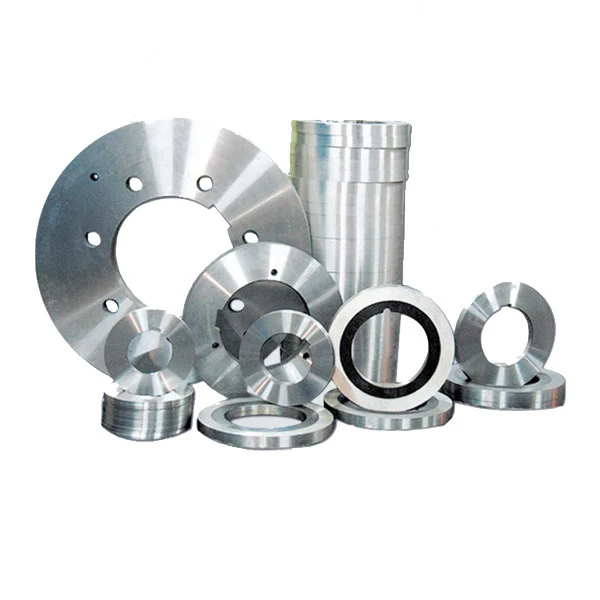
High Speed Steel Saw Blades: Precision That Keeps Industrial Cutting Sharp
After more than a decade working hands-on with industrial cutting tools, I’ve come to appreciate just how crucial high speed steel saw blades are to the workflow in manufacturing and metalworking shops. They might look straightforward at first glance—just circular blades—but in real terms, their design and material composition are a fine-tuned balance of toughness, edge retention, and resilience. Oddly enough, not all “HSS” blades are created equal, which is something I’ve seen the hard way on shop floors and in quality inspections.
Let me share a bit from that experience. High speed steel (HSS) blades are predominantly made from an alloy containing tungsten, molybdenum, chromium, and vanadium, providing remarkable heat resistance and edge durability. This alloy means they can operate at much higher speeds than carbon or tool steels without losing hardness—a big deal when you’re grinding through tough metals or alloys and can’t afford downtime or blade warping.
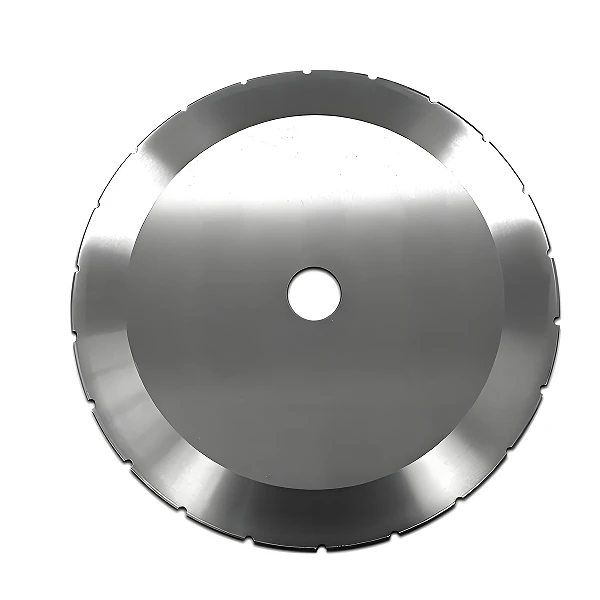
Frankly, the difference you notice between a generic HSS blade and a premium one like those from MechBlades is in the finer details: how the teeth are designed, the rake angles, and the heat-treatment process that toughens the blade. Many engineers I’ve talked to emphasize this, and I can confirm it from personal use—better blades don’t just cut smoother, they last significantly longer, reducing the overall cost and headaches of frequent replacements.
| Specification | Details |
|---|---|
| Material | Tungsten-Molybdenum High Speed Steel (M2 grade) |
| Diameter | 100mm - 600mm (custom sizes available) |
| Teeth Count | 24 - 120 teeth, depending on application |
| Tooth Style | Alternate top bevel (ATB), flat top (FT), or triple chip grind (TCG) |
| Hardness | 63-65 HRC (Rockwell Hardness Scale) |
| Max Operating Speed | Up to 6000 RPM depending on blade size |
One memorable project involved fabricating stainless steel components under a tight deadline. The plant was swapping from a cheaper brand to a more premium HSS blade. The improvement was immediate—clean cuts, less heat discoloration, and noticeably fewer blade changes in a week. This translated into smoother production runs and, frankly, made the operators happier, which can sometimes be overlooked in these conversations.
Customization options for high speed steel saw blades have also evolved. Depending on your material—aluminum, tool steel, or titanium—fabricators can tweak the tooth geometry and coating (like TiN or TiAlN) to optimize performance. You’d be surprised how much a subtle change in tooth set or hook angle affects cutting speed and finish quality. Many say that the right blade can feel custom-tailored, almost like it understands the machine it's mounted on.
| Feature | MechBlades | Competitor A | Competitor B |
|---|---|---|---|
| Material Grade | M2, premium alloy | Standard M2 | M42 variant |
| Customization | High customization options | Limited options | Moderate |
| Coating options | TiN, TiAlN, none | Mostly uncoated | TiN coating only |
| Lead time | 1–2 weeks | 3–4 weeks | 2–3 weeks |
| Price | Mid-range | Low-end | High-end |
In terms of trends, I’ve noticed a growing demand for eco-friendly manufacturing, which gently nudges suppliers to extend blade lifespans and improve recyclability. Interestingly, some manufacturers have started offering blades with proprietary alloys or coatings that can boost cutting efficiency by upwards of 20%, which is a nice bonus in energy-intensive metalwork environments.
So, whether you’re running a high-volume fabrication shop, or you occasionally cut specialized alloys, understanding the nuances of high speed steel saw blades pays off. It’s not just about the number of teeth or max RPM – it’s the chemistry, the craftsmanship, and sometimes that little edge that makes all the difference on a long shift.
Ultimately, tools like these remind me why I’ve stuck with industrial cutting for so long: even the smallest upgrade can deliver significant payoffs – less downtime, better quality, and frankly, a bit more pride in the final product.
Reflections and References:
- Metallurgy and Heat-Treating of High Speed Steel, ASM International
- Industrial Saw Blades: Design and Application Trends, Cutting Tool Engineering Magazine, 2023
- Customer case stories and field notes from MechBlades user reports, 2021-2023