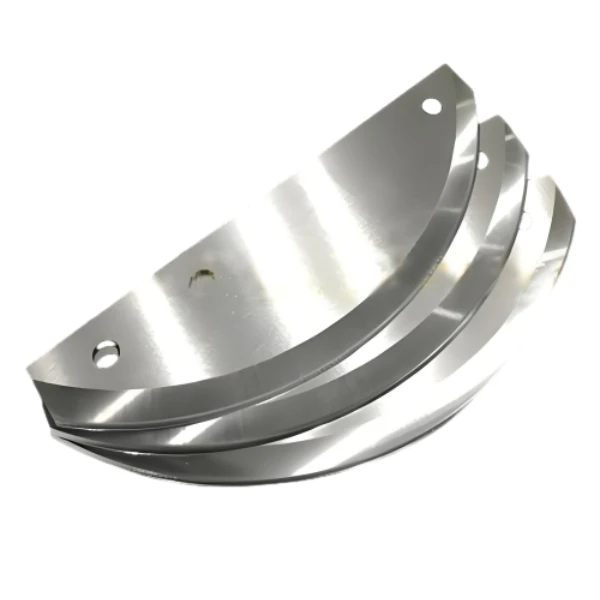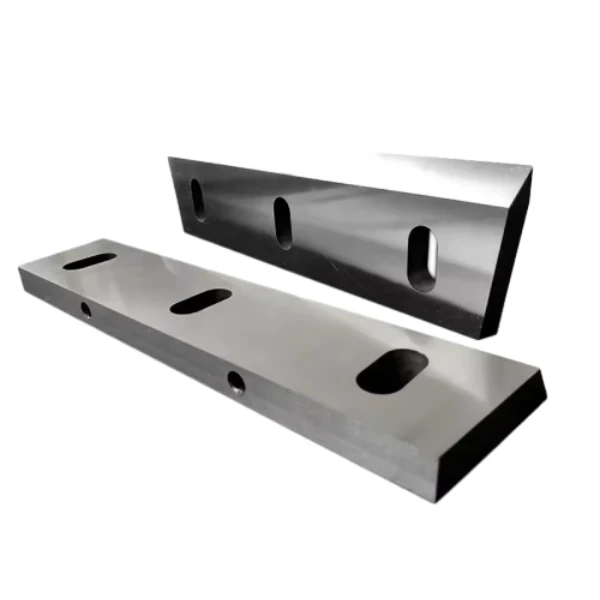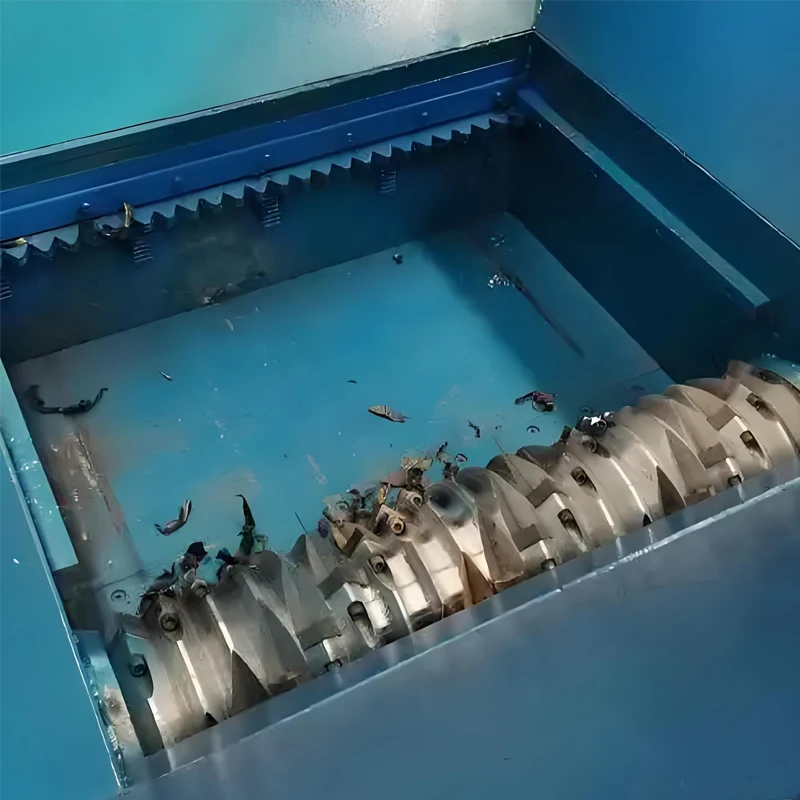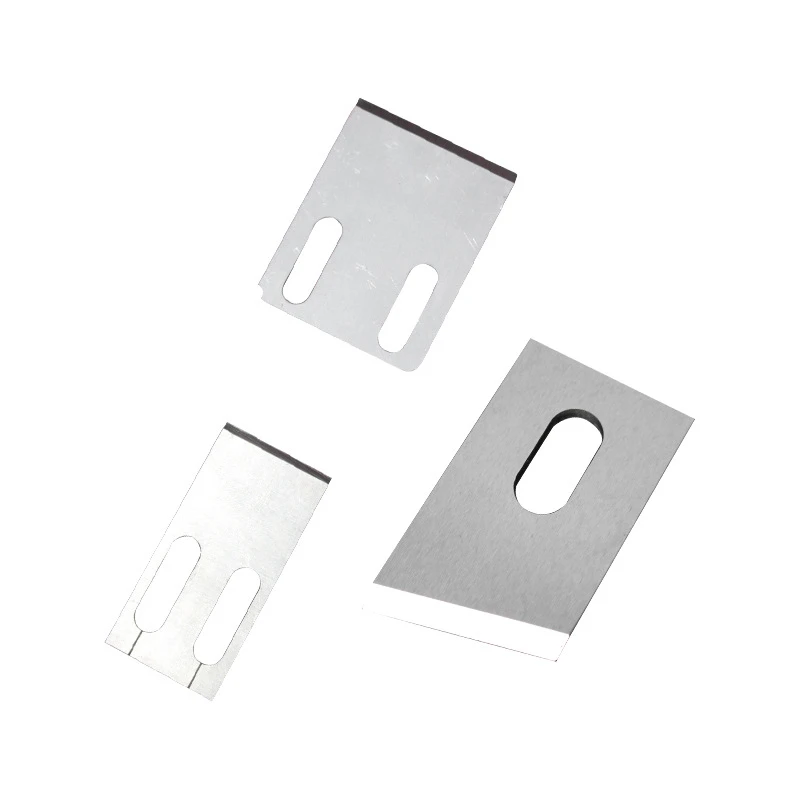
If you spend your days around slitters, tube mills, or bar-cutting cells, you already know why a high speed steel saw still punches above its weight. Yes, carbide gets the headlines, but HSS keeps showing up on shop floors because it’s tough, forgiving, and—when spec’d right—frankly cost-efficient.
Industry trend check: I keep hearing buyers say they’re dialing in surface finish and burr control more than ever, especially on 300/400-series stainless and AHSS. That’s nudging teams toward PM-HSS, M35/M42 cobalt grades, and smarter coatings (TiN, TiAlN, AlCrN). In fact, with proper tensioning and balancing, a high speed steel saw can rival carbide on thin-wall or vibration-prone setups—without the same chip-out anxiety.
Typical Specification Snapshot
| Material | M2, M35 (5% Co), M42 (8% Co), PM-HSS |
| Hardness | ≈ HRC 64–68 (real-world use may vary) |
| Tooth Forms | DIN 1837 A (fine), DIN 1838 B (coarse), variable pitch |
| Coatings | TiN, TiAlN, AlCrN; uncoated for softer alloys |
| Runout/Flatness | ≤ 0.03–0.05 mm typical; G6.3 balancing (ISO 1940-1) |
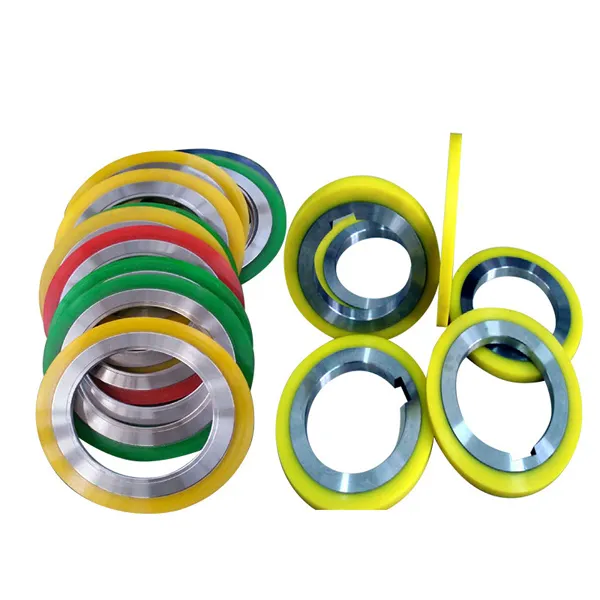
Where it shines
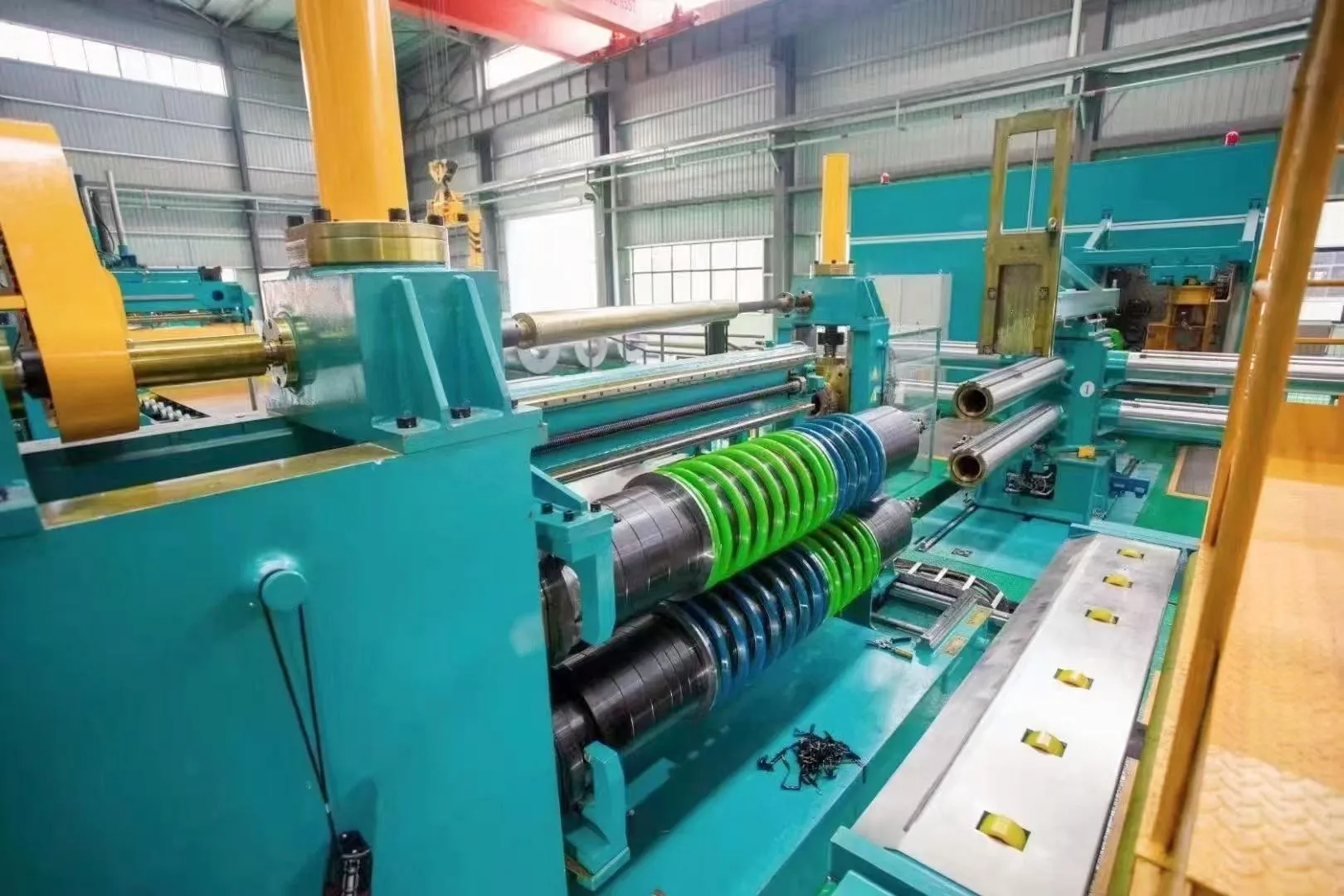
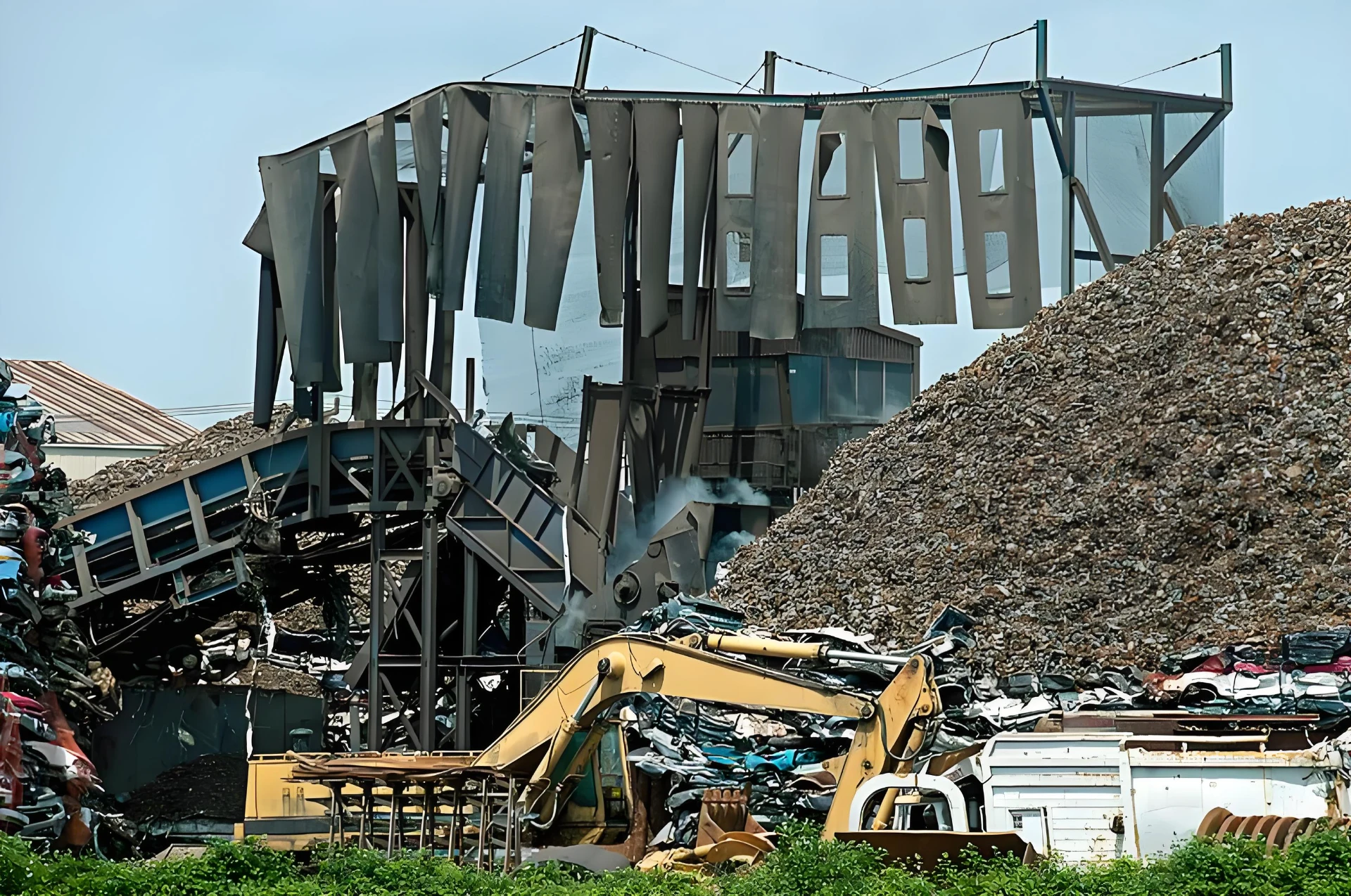
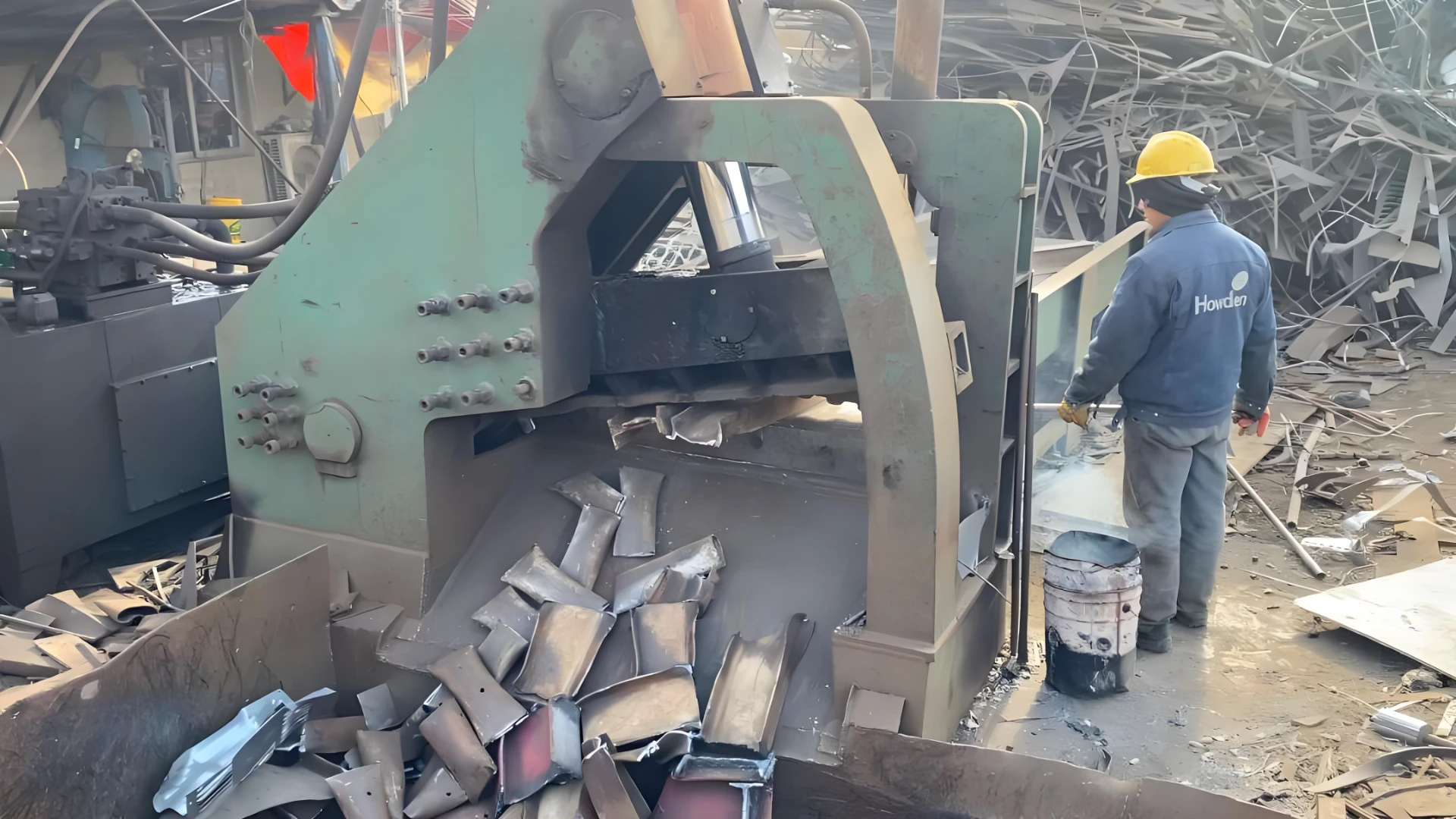
- Tube and pipe mills (304/316, DP steels) • Coil slitting heads • Bar/solid cutting • Aluminum extrusion cutoff • Small-section profiles where damping matters. Many customers say a high speed steel saw simply “feels” calmer at the spindle.
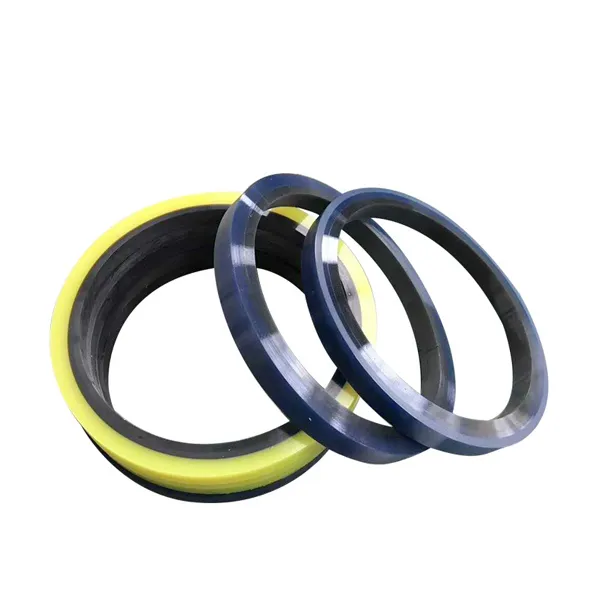
Process flow (how good blades happen)
Materials: certified M2/M35/M42 or PM-HSS (per ASTM A600, ISO 4957). Methods: forging/PM → normalization → CNC tooth grinding → stress relieving → hardening/tempering → tensioning → balancing → coating. Testing: hardness (HRC), microstructure, runout/flatness, bore tolerance, balance per ISO 1940-1. Service life: I’ve seen 15–30% longer tool life with TiAlN on stainless; M42 often adds another 10–20% on top.
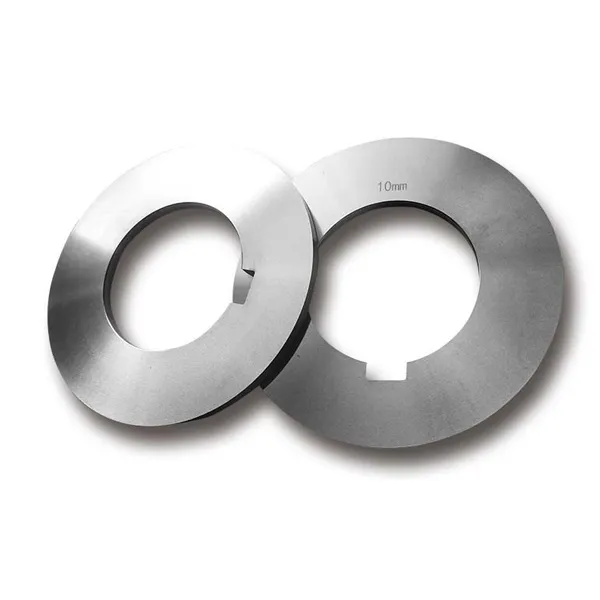
Don’t forget the spacers (quiet hero)
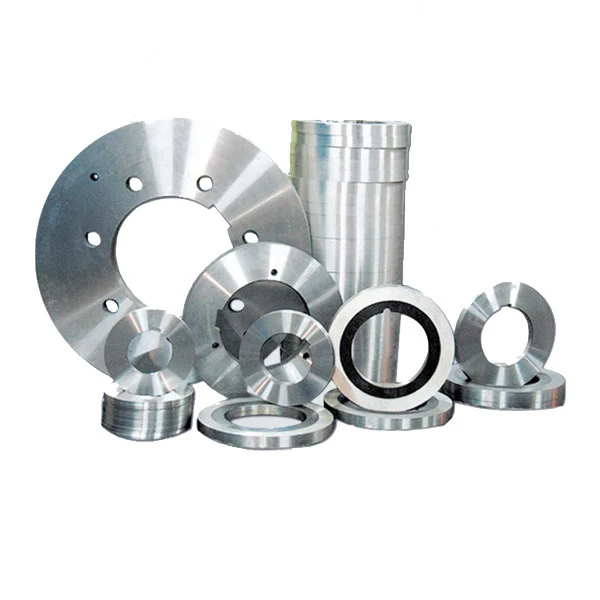
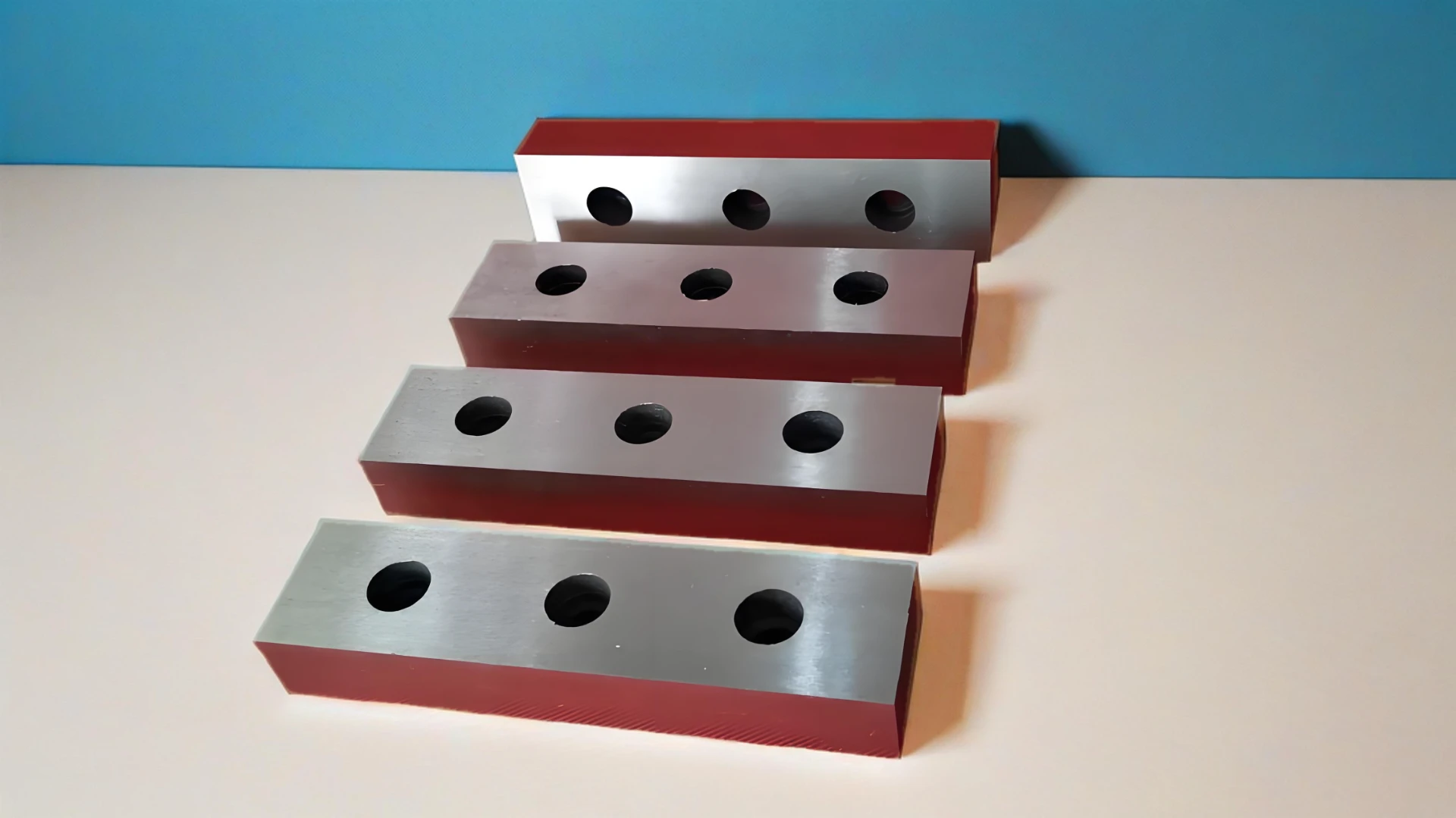
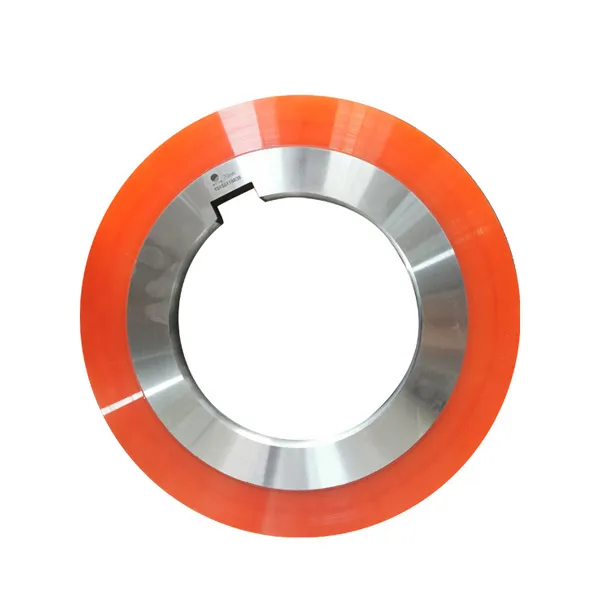
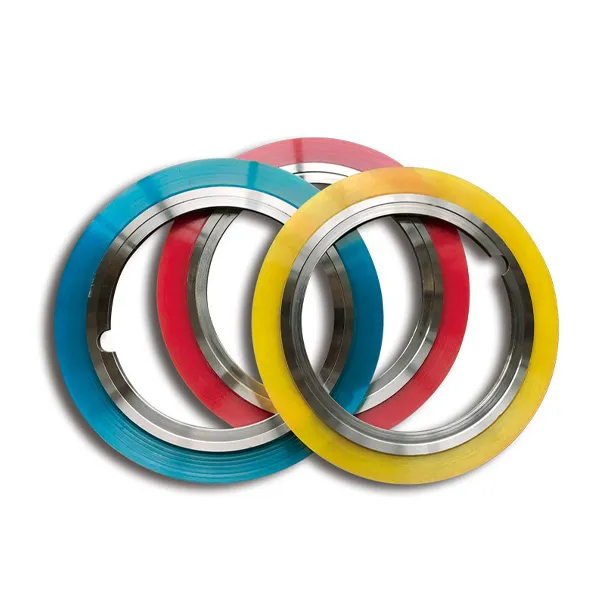
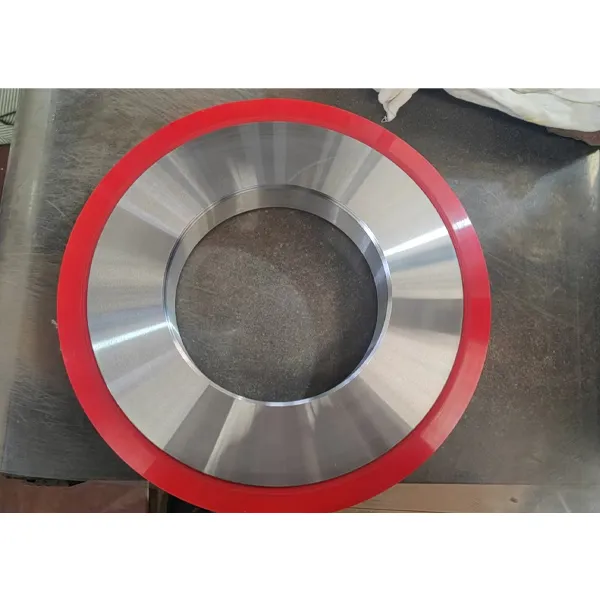
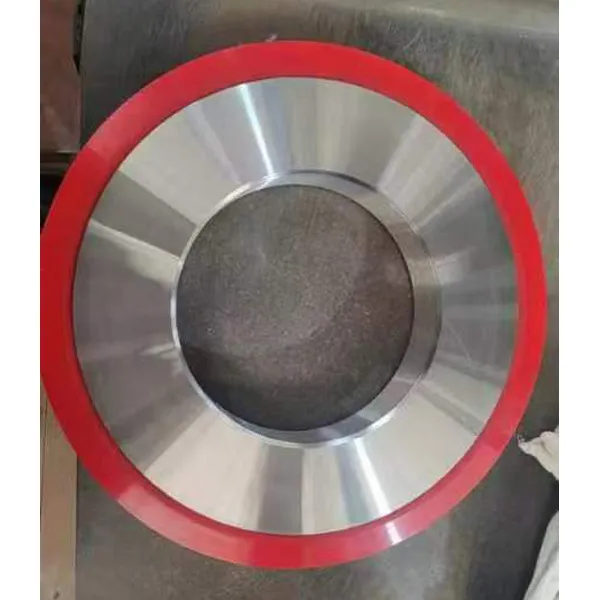
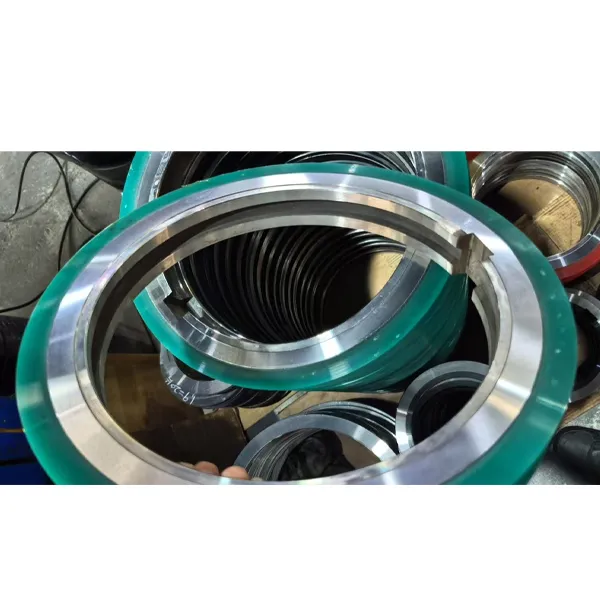
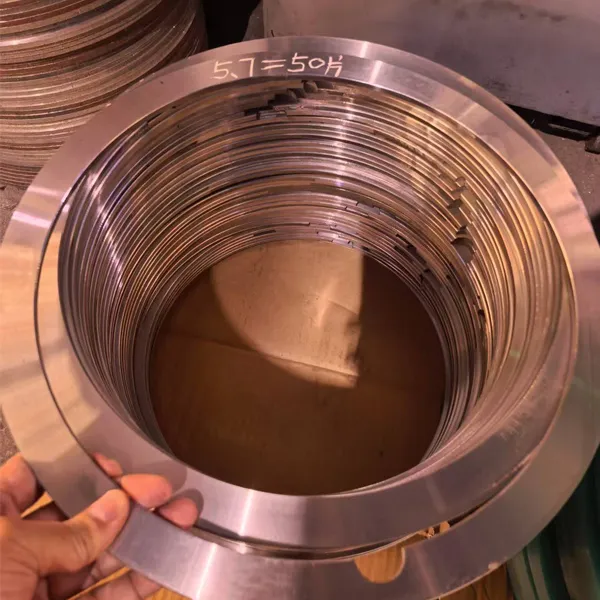
In slitting, accuracy lives or dies by spacers/washers. Spacers control blade separation and horizontal gap—huge for width precision and chatter control. The Steel Mill Spacer from Mechblades (Changzhou, China; No.22, North of Tangxiqiao, Luoxi Town, New North Area, 213002) is designed for stainless, aluminum, copper, cold/hot-rolled and pickled plates. Pairing quality spacers with a high speed steel saw cuts burrs and keeps width tolerance happy.
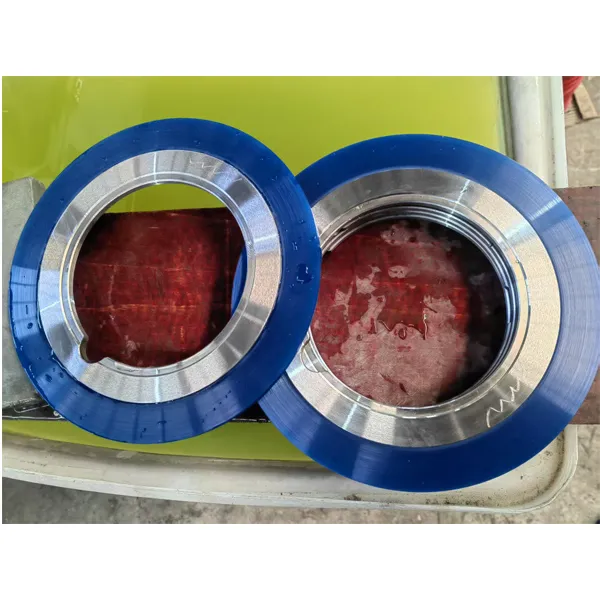
Real test data (shop-floor, not lab)
304 tube mill, 2 mm wall: M2 uncoated averaged 1,800–2,200 cuts; M42 + TiAlN hit ≈2,600–3,000 cuts with 12–18% better edge finish. Another line cutting DP600 strip saw 0.04 mm width scatter drop to 0.02 mm after spacer/balance optimization—surprisingly big for scrap reduction.
Vendor comparison (quick take)
| Vendor | Strengths | Certs / Lead | Customization |
|---|---|---|---|
| Mechblades (Steel Mill Spacer + HSS saw ecosystem) | Spacer accuracy, balanced blade sets, coil/slitting focus | ISO 9001; ≈2–4 wks | Bore/Keyway, DIN 1837/1838 tooth, coatings |
| Vendor B | PM-HSS portfolio, micro-tooth profiles | ISO 9001; ≈3–5 wks | Custom pitches, special bores |
| Vendor C | High-volume standard sizes | ISO 9001; ≈1–2 wks | Limited options |
Customization tips
- For stainless: M42 + TiAlN, fine pitch; steady coolant. - For aluminum: M2 uncoated or TiB2; larger rake. - For slitting: pair matched blades with precision spacers; target G6.3 balance. To be honest, getting the spacer stack right sometimes saves more than chasing exotic coatings.
Mini case study
Automotive service center, AHSS slitting: switching to matched M35 blades, G6.3 balance, and Mechblades spacers cut regrind frequency by ~22% and trimmed burr height from 0.12 mm to 0.06 mm. The line chief’s words, not mine: “The stack finally behaves.” A high speed steel saw isn’t flashy—but it’s dependable.
Certifications and standards
Look for ISO 9001 plants, materials per ASTM A600 / ISO 4957, and balancing per ISO 1940-1. Also, DIN 1837/1838 tooth forms are a helpful common language for engineering drawings.
Citations
- ASTM A600/A600M – Standard Specification for High Speed Tool Steel. https://www.astm.org/a0600_a0600m-22.html
- ISO 4957 – Tool steels. https://www.iso.org/standard/4957.html
- ISO 1940-1 – Balance quality requirements for rotors. https://www.iso.org/standard/21573.html
- ISO 9001:2015 – Quality management systems. https://www.iso.org/standard/62085.html